Person in the Old and New Testaments
Jehoshaphat
Jehoshaphat: Asa's son who allied Judah with the house of Ahab
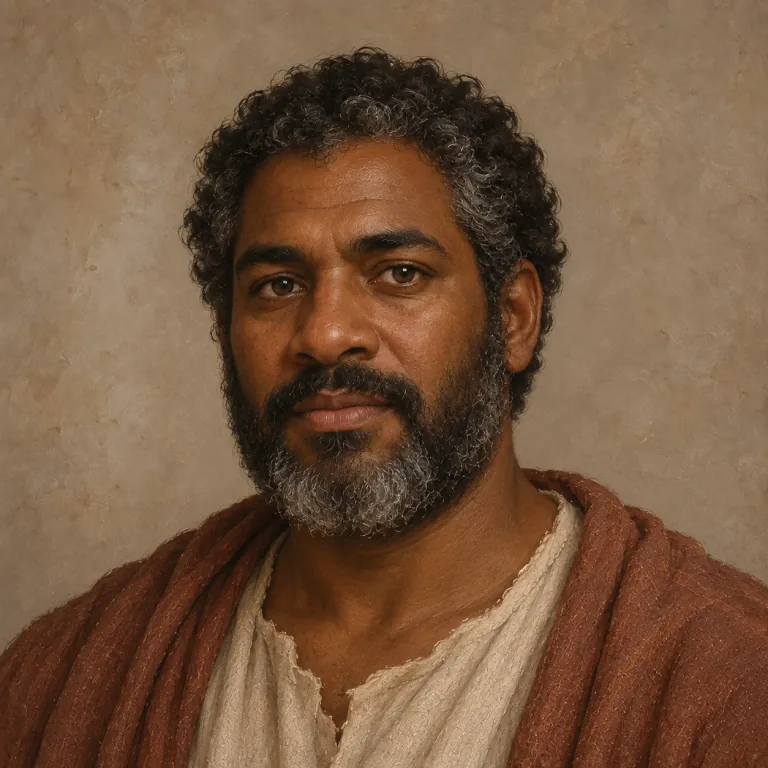
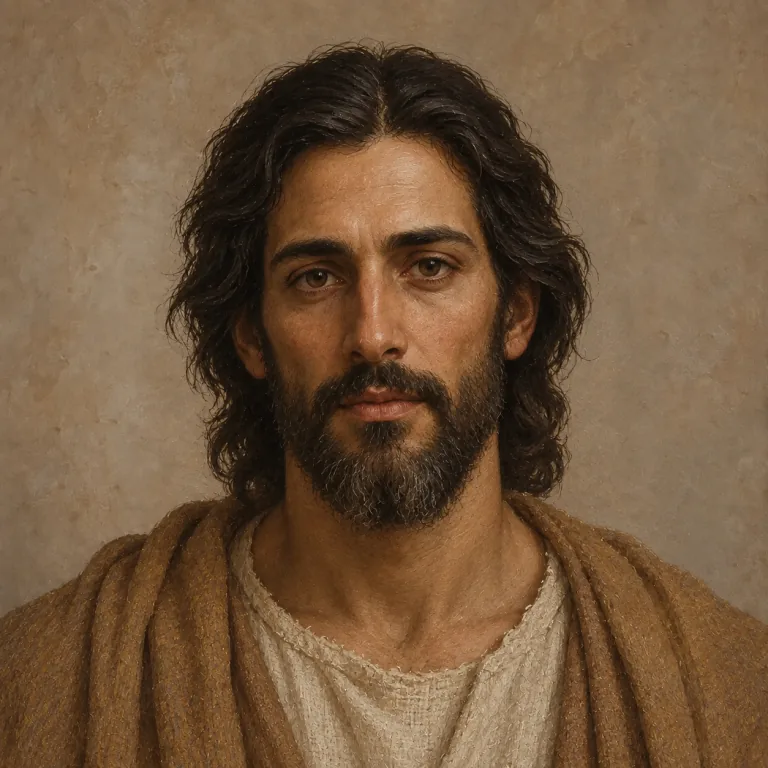
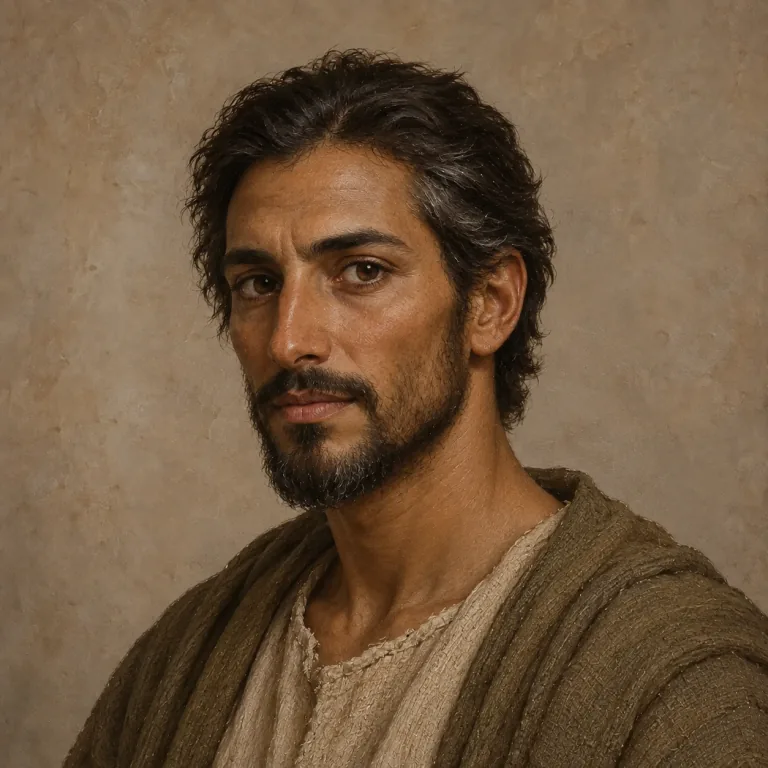
Portrait: an AI-generated artistic interpretation, not evidence of how Jehoshaphat looked.
Who Jehoshaphat is
Jehoshaphat succeeds his father Asa, begins to reign at thirty-five and reigns twenty-five years in Jerusalem; his mother is Azubah the daughter of Shilhi. Kings says he walked in Asa's ways and made peace with the king of Israel. Chronicles adds garrisons, a teaching mission of princes and Levites with the book of the law, tribute from Philistines and Arabians, and large army lists. He joins Ahab at Ramoth-gilead with the words "I am as thou art", but first asks for the word of the Lord and for a prophet besides the four hundred; Micaiah is fetched. In battle Ahab disguises himself while Jehoshaphat wears his robes, the Syrian chariot captains mistake him for the king of Israel, and he cries out; Chronicles says the Lord helped him. Jehu the son of Hanani rebukes him for helping the ungodly. He appoints judges in the fenced cities and in Jerusalem. When Moab, Ammon and mount Seir invade, he proclaims a fast and prays before the new court; Jahaziel announces that the battle is God's, singers go before the army, the enemies destroy one another, and the spoil takes three days to gather. His ships at Ezion-geber break; Kings says he refused Ahaziah's offer of sailors, Chronicles that he had joined Ahaziah and was rebuked by Eliezer. With Jehoram of Israel he marches against Moab, asks for a prophet, and Elisha says he would not look at the king of Israel but for Jehoshaphat's presence. He dies and is buried in the city of David; Jehoram his firstborn succeeds him and kills his brothers.
Cited passages: 1 Kings 15:24, 1 Kings 22:42, 1 Kings 22:43, 1 Kings 22:44, 2 Chronicles 17:2, 2 Chronicles 17:9, 2 Chronicles 17:11, 1 Kings 22:4, 1 Kings 22:5, 1 Kings 22:7, 1 Kings 22:30, 1 Kings 22:32, 2 Chronicles 18:31, 2 Chronicles 19:2, 2 Chronicles 19:5, 2 Chronicles 20:3, 2 Chronicles 20:15, 2 Chronicles 20:22, 2 Chronicles 20:25, 1 Kings 22:48, 1 Kings 22:49, 2 Chronicles 20:37, 2 Kings 3:7, 2 Kings 3:11, 2 Kings 3:14, 2 Chronicles 21:1, 2 Chronicles 21:3, 2 Chronicles 21:4
Historical setting
This Jehoshaphat is the son of Asa, king of Judah; Jehu's father, "Jehoshaphat the son of Nimshi" in 2 Kings 9, is a different man. The KJV once calls him "Jehoshaphat king of Israel" in 2 Chronicles 21:2, though every other notice makes him king of Judah. Kings and Chronicles differ on the high places: Kings says they "were not taken away", 2 Chronicles 17:6 says he "took away the high places and groves out of Judah", and 2 Chronicles 20:33 again says they were not taken away. They also differ on the ships: Kings has Jehoshaphat refuse Ahaziah's sailors after the wreck, Chronicles has him build the ships with Ahaziah and be rebuked for it. His reign is dated only by his age, his years and a synchronism with Ahab's fourth year, and 2 Kings 8:16 says his son Jehoram began to reign while "Jehoshaphat being then king of Judah", which the text does not explain. Chronicles cites "the book of Jehu the son of Hanani" as its source for him. He is remembered later: Jehu's men bury Ahaziah because he is "the son of Jehoshaphat, who sought the Lord with all his heart", Elijah's writing to Jehoram measures him against "the ways of Jehoshaphat thy father", Joash sends to Hazael the things Jehoshaphat dedicated, and Matthew's genealogy lists him as "Josaphat".
Cited passages: 1 Kings 22:41, 2 Kings 9:2, 2 Chronicles 21:2, 1 Kings 22:43, 2 Chronicles 17:6, 2 Chronicles 20:33, 1 Kings 22:49, 2 Chronicles 20:36, 2 Kings 8:16, 2 Chronicles 20:34, 2 Chronicles 22:9, 2 Chronicles 21:12, 2 Kings 12:18, Matthew 1:8, 1 Chronicles 3:10
How the story is told
In Kings, Jehoshaphat is the pious partner of northern kings. His set reply, "I am as thou art", binds him to Ahab and later to Jehoram, and in both wars he is the one who asks for a prophet of the Lord. The Ramoth-gilead story makes him wear the robes while Ahab hides, so the man who insisted on hearing Micaiah nearly dies in the king of Israel's place. Elisha's regard for him is the only reason the prophet will look at Jehoram. Chronicles keeps these scenes and surrounds them: teachers with the book of the law, judges charged to judge for the Lord without respect of persons, a prayer that ends "our eyes are upon thee", and a battle that turns as the singers begin. It also brackets each alliance with a prophet's rebuke, Jehu the son of Hanani after Ahab and Eliezer after Ahaziah, so his goodness and his partnerships are judged in the same breath. Both books measure him by his father Asa, and his son Jehoram is later measured by him.
Cited passages: 1 Kings 22:4, 2 Kings 3:7, 1 Kings 22:7, 2 Kings 3:11, 1 Kings 22:30, 1 Kings 22:32, 2 Kings 3:14, 2 Chronicles 17:9, 2 Chronicles 19:7, 2 Chronicles 20:12, 2 Chronicles 20:21, 2 Chronicles 19:2, 2 Chronicles 20:37, 2 Chronicles 20:32, 2 Chronicles 21:12
Story moments
- I am as thou art (1 Kings 22:4). Jehoshaphat pledges his people and horses to Ahab's war for Ramoth-gilead.
- Is there not a prophet besides? (1 Kings 22:7). He asks for a prophet of the Lord beyond Ahab's four hundred.
- Mistaken for the king of Israel (1 Kings 22:32). Wearing his robes, he is surrounded by Syrian chariots and cries out.
- Rebuked for helping the ungodly (2 Chronicles 19:2). Jehu the son of Hanani confronts him on his return from Ramoth-gilead.
- Our eyes are upon thee (2 Chronicles 20:12). Facing Moab and Ammon, he prays that Judah has no might and looks to God.
- Singers before the army (2 Chronicles 20:22). As the singers begin, the invaders turn on one another.
- Elisha's regard for Jehoshaphat (2 Kings 3:14). Elisha says he would not look at Jehoram but for Jehoshaphat's presence.
Key passages
1 Kings 15:24
And Asa slept with his fathers, and was buried with his fathers in the city of David his father: and Jehoshaphat his son reigned in his stead.
1 Kings 22:2
And it came to pass in the third year, that Jehoshaphat the king of Judah came down to the king of Israel.
1 Kings 22:4
And he said unto Jehoshaphat, Wilt thou go with me to battle to Ramoth-gilead? And Jehoshaphat said to the king of Israel, I am as thou art, my people as thy people, my horses as thy horses.
1 Kings 22:5
And Jehoshaphat said unto the king of Israel, Enquire, I pray thee, at the word of the Lord to day.
1 Kings 22:7
And Jehoshaphat said, Is there not here a prophet of the Lord besides, that we might enquire of him?
1 Kings 22:8
And the king of Israel said unto Jehoshaphat, There is yet one man, Micaiah the son of Imlah, by whom we may enquire of the Lord: but I hate him; for he doth not prophesy good concerning me, but evil. And Jehoshaphat said, Let not the king say so.
King James Version. 67 indexed passages in total.
For reflection
Jehoshaphat asks for a prophet of the Lord before going to war with Ahab, hears Micaiah, and goes anyway wearing his robes. What does the story suggest about asking for a word and then going anyway?
Books Jehoshaphat appears in
Related people
Names and references are adapted from STEPBible TIPNR. A person listed with a verse is named or indexed there; it does not mean they wrote or spoke it.