Person in the Old and New Testaments
Asa
Asa: the reforming king of Judah who paid Syria to break with Baasha

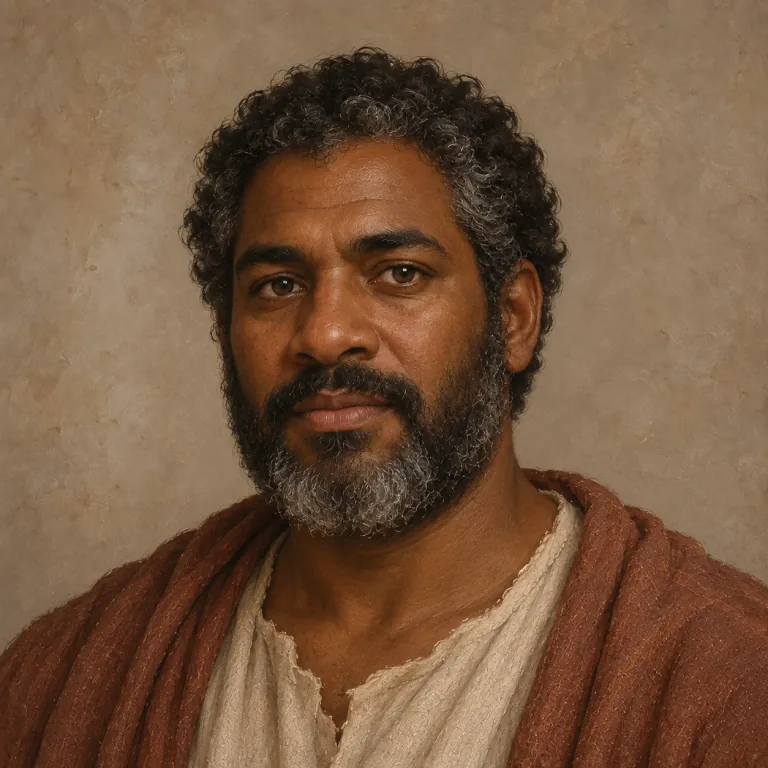
Portrait: an AI-generated artistic interpretation, not evidence of how Asa looked.
Who Asa is
Asa succeeds his father, called Abijam in Kings and Abijah in Chronicles, and reigns forty-one years in Jerusalem; his mother is named as Maachah the daughter of Abishalom. Kings says he did right like David, removed the sodomites and his fathers' idols, deposed Maachah from being queen for the idol she made in a grove and burnt it at the brook Kidron, and brought dedicated silver, gold and vessels into the house of the Lord. Chronicles describes a decade of quiet, fortified cities, a prayer before battle with Zerah the Ethiopian at Mareshah, the Lord's rout of the Ethiopians, Azariah the son of Oded's charge, a covenant at Jerusalem in Asa's fifteenth year, and the same removal of Maachah. When Baasha of Israel fortifies Ramah to shut Judah in, Asa sends the remaining temple and palace treasure to Ben-hadad of Damascus, asking him to break his league with Baasha. Ben-hadad's captains strike Ijon, Dan and the land of Naphtali, Baasha abandons Ramah, and Asa uses its stones and timber to build Geba and Mizpah. Chronicles adds that Hanani the seer condemns his reliance on Syria, that Asa imprisons him and oppresses some of the people, and that in his thirty-ninth year he is severely diseased in his feet and seeks physicians rather than the Lord. He dies, is buried in his own sepulchre with spices and a great burning, and Jehoshaphat his son succeeds him.
Cited passages: 1 Kings 15:8, 2 Chronicles 14:1, 1 Kings 15:10, 1 Kings 15:11, 1 Kings 15:12, 1 Kings 15:13, 1 Kings 15:15, 2 Chronicles 14:6, 2 Chronicles 14:11, 2 Chronicles 14:12, 2 Chronicles 15:2, 2 Chronicles 15:10, 2 Chronicles 15:16, 1 Kings 15:17, 1 Kings 15:18, 1 Kings 15:19, 1 Kings 15:20, 1 Kings 15:22, 2 Chronicles 16:7, 2 Chronicles 16:10, 2 Chronicles 16:12, 2 Chronicles 16:14, 1 Kings 15:24
Historical setting
Kings and Chronicles tell Asa's reign with different emphases and some differences of fact. Kings says there was "war between Asa and Baasha king of Israel all their days"; Chronicles says "there was no more war unto the five and thirtieth year" and places Baasha's move against Ramah in the thirty-sixth year. Kings says the high places "were not removed"; 2 Chronicles 14 says he took away the high places, and 2 Chronicles 15 says they were not taken away "out of Israel". Kings names Maachah the daughter of Abishalom as the mother of both Abijam and Asa, in successive notices, without comment. Kings says Asa's heart "was perfect with the Lord all his days" and mentions his foot disease only in old age; Chronicles reports the same verdict on his heart, then adds Hanani's rebuke, the imprisonment, the oppression and the remark about physicians. Zerah, Azariah the son of Oded and Hanani appear only in Chronicles; the sodomites appear only in Kings. Asa's regnal years date the northern kings from Nadab to Ahab in 1 Kings 15 and 16. Jeremiah 41:9 mentions a pit "which Asa the king had made for fear of Baasha". Chronicles cites his acts "first and last" in the book of the kings of Judah and Israel, and Matthew's genealogy lists Asa between Abia and Josaphat.
Cited passages: 1 Kings 15:16, 2 Chronicles 15:19, 2 Chronicles 16:1, 1 Kings 15:14, 2 Chronicles 14:3, 2 Chronicles 15:17, 1 Kings 15:2, 1 Kings 15:10, 1 Kings 15:23, 2 Chronicles 16:9, 2 Chronicles 14:9, 2 Chronicles 15:1, 1 Kings 15:25, 1 Kings 16:29, Jeremiah 41:9, 2 Chronicles 16:11, Matthew 1:7, Matthew 1:8, 1 Chronicles 3:10
How the story is told
In Kings, Asa is a standard of measurement. He is judged by David, and later kings are judged by him: Jehoshaphat "walked in all the ways of Asa his father", and Elijah's writing to Jehoram names "the ways of Asa king of Judah". His only speech in Kings is the letter to Ben-hadad offering silver and gold to break a league. Chronicles builds his reign as a contrast in reliance. Before Zerah he prays that the Lord can help "whether with many, or with them that have no power"; against Baasha he empties the treasuries to buy Syrian help, and Hanani's rebuke sets the two moments side by side, the Ethiopians delivered because he relied on the Lord, the Syrians escaped because he relied on their king. The foot disease becomes a third test, with physicians in place of the Lord. Chronicles also gives him a covenant scene with oaths, trumpets and rejoicing, and an unusually detailed burial, so the reign that opens with ten quiet years closes on rage, sickness and a great burning of spices.
Cited passages: 1 Kings 15:11, 1 Kings 22:43, 2 Chronicles 21:12, 1 Kings 15:19, 2 Chronicles 14:11, 2 Chronicles 16:2, 2 Chronicles 16:8, 2 Chronicles 16:7, 2 Chronicles 16:12, 2 Chronicles 15:14, 2 Chronicles 14:1, 2 Chronicles 16:10, 2 Chronicles 16:14
Story moments
- Maachah removed from being queen (1 Kings 15:13). Asa deposes his mother for her idol and burns it at the brook Kidron.
- Prayer before Zerah's host (2 Chronicles 14:11). Asa asks the Lord to help those who have no power, and the Ethiopians flee.
- A covenant to seek the Lord (2 Chronicles 15:12). In his fifteenth year Judah swears to seek the Lord with all their heart.
- Treasure sent to Ben-hadad (1 Kings 15:18). Asa empties the temple and palace treasuries to buy Syria's break with Baasha.
- Hanani's rebuke (2 Chronicles 16:7). The seer tells Asa he relied on the king of Syria and not on the Lord.
- The seer imprisoned (2 Chronicles 16:10). Asa in a rage puts Hanani in prison and oppresses some of the people.
- Diseased in his feet (2 Chronicles 16:12). In his thirty-ninth year Asa seeks physicians rather than the Lord.
Key passages
1 Kings 15:8
And Abijam slept with his fathers; and they buried him in the city of David: and Asa his son reigned in his stead.
1 Kings 15:9
And in the twentieth year of Jeroboam king of Israel reigned Asa over Judah.
1 Kings 15:11
And Asa did that which was right in the eyes of the Lord, as did David his father.
1 Kings 15:13
And also Maachah his mother, even her he removed from being queen, because she had made an idol in a grove; and Asa destroyed her idol, and burnt it by the brook Kidron.
1 Kings 15:14
But the high places were not removed: nevertheless Asa’s heart was perfect with the Lord all his days.
1 Kings 15:16
And there was war between Asa and Baasha king of Israel all their days.
King James Version. 53 indexed passages in total.
For reflection
Kings says Asa's heart was perfect all his days; Chronicles keeps that verdict and then reports him imprisoning a seer and turning to physicians. How can both statements about the same man be read together?
Books Asa appears in
Related people







Names and references are adapted from STEPBible TIPNR. A person listed with a verse is named or indexed there; it does not mean they wrote or spoke it.