The Histories · Old Testament
2 Chronicles 19
2 Chronicles 19: Jehu's rebuke and Jehoshaphat's judges
General context
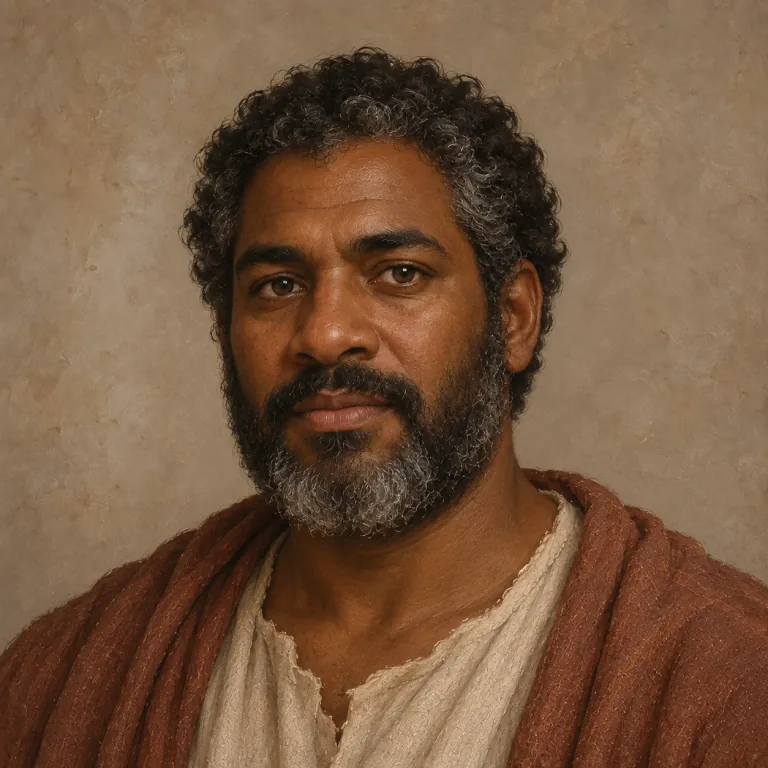
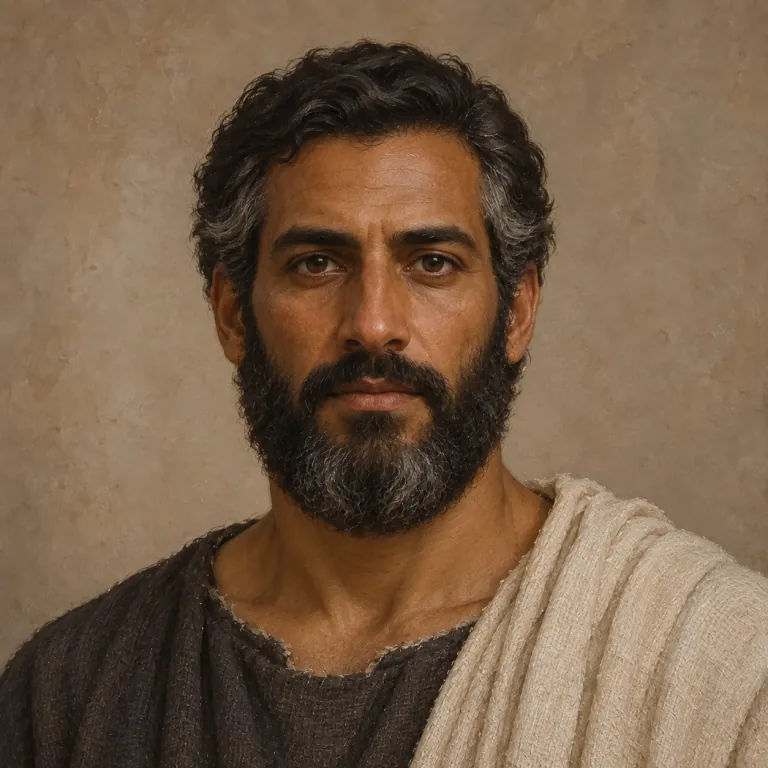
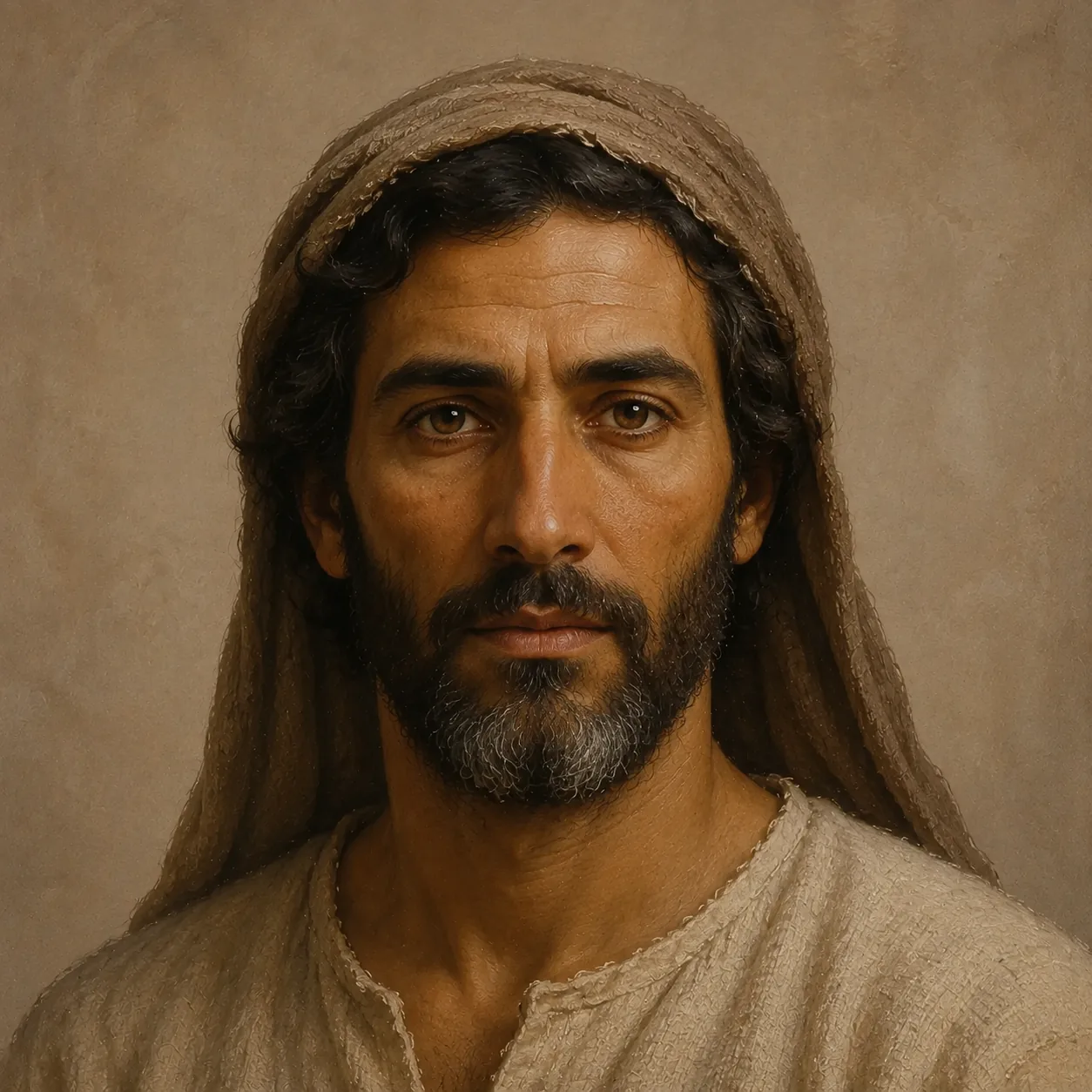
Jehoshaphat returns to his house in Jerusalem in peace. Jehu the son of Hanani the seer goes out to meet him and asks whether he should help the ungodly and love those who hate the Lord; he says wrath is upon the king from the Lord, yet good things are found in him, because he has taken away the groves and prepared his heart to seek God. Jehoshaphat then goes out again through the people from Beer-sheba to mount Ephraim and brings them back to the Lord God of their fathers. He sets judges in all the fenced cities of Judah, city by city, and charges them that they judge for the Lord and not for man, that the fear of the Lord should be upon them, and that with the Lord there is no iniquity, respect of persons or taking of gifts. In Jerusalem he sets Levites, priests and chiefs of the fathers for the judgment of the Lord and for controversies. He charges them to act faithfully and with a perfect heart, and to warn their brethren in every cause between blood and blood or law and commandment, so that wrath does not come. Amariah the chief priest is over them in matters of the Lord, Zebadiah the son of Ishmael in the king's matters, with the Levites as officers. The charge ends with a call to deal courageously.
Cited passages: 2 Chronicles 19:1, 2 Chronicles 19:2, 2 Chronicles 19:3, 2 Chronicles 19:4, 2 Chronicles 19:5, 2 Chronicles 19:6, 2 Chronicles 19:7, 2 Chronicles 19:8, 2 Chronicles 19:9, 2 Chronicles 19:10, 2 Chronicles 19:11
2 Chronicles 19 (KJV)
1And Jehoshaphat the king of Judah returned to his house in peace to Jerusalem.
2And Jehu the son of Hanani the seer went out to meet him, and said to king Jehoshaphat, Shouldest thou help the ungodly, and love them that hate the Lord? therefore is wrath upon thee from before the Lord.
3Nevertheless there are good things found in thee, in that thou hast taken away the groves out of the land, and hast prepared thine heart to seek God.
4And Jehoshaphat dwelt at Jerusalem: and he went out again through the people from Beer-sheba to mount Ephraim, and brought them back unto the Lord God of their fathers.
5And he set judges in the land throughout all the fenced cities of Judah, city by city,
6And said to the judges, Take heed what ye do: for ye judge not for man, but for the Lord, who is with you in the judgment.
7Wherefore now let the fear of the Lord be upon you; take heed and do it: for there is no iniquity with the Lord our God, nor respect of persons, nor taking of gifts.
8Moreover in Jerusalem did Jehoshaphat set of the Levites, and of the priests, and of the chief of the fathers of Israel, for the judgment of the Lord, and for controversies, when they returned to Jerusalem.
9And he charged them, saying, Thus shall ye do in the fear of the Lord, faithfully, and with a perfect heart.
10And what cause soever shall come to you of your brethren that dwell in their cities, between blood and blood, between law and commandment, statutes and judgments, ye shall even warn them that they trespass not against the Lord, and so wrath come upon you, and upon your brethren: this do, and ye shall not trespass.
11And, behold, Amariah the chief priest is over you in all matters of the Lord; and Zebadiah the son of Ishmael, the ruler of the house of Judah, for all the king’s matters: also the Levites shall be officers before you. Deal courageously, and the Lord shall be with the good.
This page shows the King James Version. In the app, reading opens in the Berean Standard Bible unless you have chosen another translation. The reader includes five translations: the Berean Standard Bible (BSB), the King James Version (KJV), the World English Bible (WEB), the Bible in Basic English (BBE), and the American Standard Version (ASV). Search covers three of them: Berean Standard, King James, and World English. Basic English and American Standard readers search the King James words.
Historical context
The chapter opens with the king already coming home in peace and does not itself narrate what he returns from; Jehu's rebuke about helping the ungodly points back to the alliance with Ahab that the previous chapter records. Jehu is identified as the son of Hanani the seer, and this Jehu should be kept apart from Jehu the son of Nimshi, who later kills Ahaziah of Judah. The rebuke and the commendation come from the same speaker in one speech: wrath from the Lord, and good things found in the king. Two arrangements for justice are described. Judges are set in the fenced cities; a separate body of Levites, priests and heads of families sits in Jerusalem for the Lord's judgment and for controversies. Amariah is named chief priest and Zebadiah the son of Ishmael ruler of the house of Judah, so the text divides matters of the Lord from the king's matters. The chapter records no case tried, gives no dates, and does not say how long the arrangement lasted. The narrator later says the rest of Jehoshaphat's acts are written in the book of Jehu the son of Hanani, the same man who delivers the rebuke here.
Cited passages: 2 Chronicles 19:1, 2 Chronicles 18:1, 2 Chronicles 19:2, 2 Chronicles 22:7, 2 Chronicles 19:3, 2 Chronicles 19:5, 2 Chronicles 19:8, 2 Chronicles 19:11, 2 Chronicles 20:34
Literary context
The chapter moves from a prophet's word to the king's own words. Jehu's speech turns on one word, from wrath to a commendation introduced by a single hinge, and the king's reply is not a speech but an action: he goes out among the people and brings them back. The two charges to the judges echo each other in phrasing. Both begin with a command about conduct, and both rest on the fear of the Lord, which the king names twice. The word wrath also appears twice, first upon the king from the Lord, then as what the judges must keep from coming upon themselves and their brethren, so the prophet's warning becomes the standard the king passes down. The charge to judge for the Lord and not for man sets the measure for the city courts, and the Jerusalem court is told to warn rather than merely decide. The closing line promises that the Lord will be with the good, which the next chapter tests when an army arrives. The phrase about a prepared heart in the commendation returns later in the narrator's note that the people had not prepared their hearts, so the chapter's praise of the king is measured against the people.
Cited passages: 2 Chronicles 19:2, 2 Chronicles 19:3, 2 Chronicles 19:4, 2 Chronicles 19:6, 2 Chronicles 19:7, 2 Chronicles 19:9, 2 Chronicles 19:10, 2 Chronicles 19:11, 2 Chronicles 20:33
Key moments
- Jehu's rebuke (2 Chronicles 19:2). Jehu the son of Hanani asks the returning king whether he should help the ungodly and announces wrath.
- The people brought back (2 Chronicles 19:4). Jehoshaphat goes out from Beer-sheba to mount Ephraim and brings the people back to the Lord.
- Judges in the fenced cities (2 Chronicles 19:5). The king sets judges city by city throughout Judah.
- No respect of persons (2 Chronicles 19:7). Jehoshaphat tells the judges there is no iniquity, partiality or bribery with the Lord.
- Amariah and Zebadiah appointed (2 Chronicles 19:11). The chief priest takes the Lord's matters and Zebadiah the king's matters, with the Levites as officers.
For reflection
Jehu tells Jehoshaphat in one breath that wrath is upon him and that good things are found in him, and the king answers by going out to the people rather than by defending himself. What would it take to hear a rebuke and a commendation as parts of the same message?
People in this chapter

Also indexed here: