The Histories · Old Testament
2 Kings 3
2 Kings 3: Jehoram, Jehoshaphat and the campaign against Moab
General context
Jehoram the son of Ahab begins to reign over Israel in Jehoshaphat's eighteenth year and reigns twelve years. The narrator says he did evil but not like his father and mother, since he removed the image of Baal, yet he held to the sins of Jeroboam. Mesha king of Moab, a sheepmaster who paid Israel lambs, rams and wool, rebels after Ahab's death. Jehoram musters Israel and asks Jehoshaphat of Judah to join him; Jehoshaphat agrees, and the route chosen is the way through the wilderness of Edom. The kings of Israel, Judah and Edom march seven days and run out of water. The king of Israel says the Lord has gathered the three kings to hand them to Moab; Jehoshaphat asks for a prophet, and a servant names Elisha the son of Shaphat. Elisha rebukes the king of Israel and says he would not even look at him but for Jehoshaphat's presence. When a minstrel plays, the word comes: dig ditches, the valley will fill with water without wind or rain, and Moab will be delivered up; the cities, trees, wells and fields are to be ruined. Water comes in the morning by way of Edom. The Moabites see it red as blood, assume the kings have killed one another, and come for spoil; Israel routs them and wrecks the land, leaving only Kir-haraseth, which the slingers strike. The king of Moab fails to break through to the king of Edom, then offers his eldest son as a burnt offering on the wall. Great indignation comes against Israel, and the armies withdraw.
Cited passages: 2 Kings 3:1, 2 Kings 3:2, 2 Kings 3:3, 2 Kings 3:4, 2 Kings 3:5, 2 Kings 3:7, 2 Kings 3:8, 2 Kings 3:9, 2 Kings 3:10, 2 Kings 3:11, 2 Kings 3:14, 2 Kings 3:15, 2 Kings 3:16, 2 Kings 3:17, 2 Kings 3:19, 2 Kings 3:20, 2 Kings 3:22, 2 Kings 3:23, 2 Kings 3:24, 2 Kings 3:25, 2 Kings 3:26, 2 Kings 3:27
2 Kings 3 (KJV)
1Now Jehoram the son of Ahab began to reign over Israel in Samaria the eighteenth year of Jehoshaphat king of Judah, and reigned twelve years.
2And he wrought evil in the sight of the Lord; but not like his father, and like his mother: for he put away the image of Baal that his father had made.
3Nevertheless he cleaved unto the sins of Jeroboam the son of Nebat, which made Israel to sin; he departed not therefrom.
4And Mesha king of Moab was a sheepmaster, and rendered unto the king of Israel an hundred thousand lambs, and an hundred thousand rams, with the wool.
5But it came to pass, when Ahab was dead, that the king of Moab rebelled against the king of Israel.
6And king Jehoram went out of Samaria the same time, and numbered all Israel.
7And he went and sent to Jehoshaphat the king of Judah, saying, The king of Moab hath rebelled against me: wilt thou go with me against Moab to battle? And he said, I will go up: I am as thou art, my people as thy people, and my horses as thy horses.
8And he said, Which way shall we go up? And he answered, The way through the wilderness of Edom.
9So the king of Israel went, and the king of Judah, and the king of Edom: and they fetched a compass of seven days’ journey: and there was no water for the host, and for the cattle that followed them.
10And the king of Israel said, Alas! that the Lord hath called these three kings together, to deliver them into the hand of Moab!
11But Jehoshaphat said, Is there not here a prophet of the Lord, that we may enquire of the Lord by him? And one of the king of Israel’s servants answered and said, Here is Elisha the son of Shaphat, which poured water on the hands of Elijah.
12And Jehoshaphat said, The word of the Lord is with him. So the king of Israel and Jehoshaphat and the king of Edom went down to him.
13And Elisha said unto the king of Israel, What have I to do with thee? get thee to the prophets of thy father, and to the prophets of thy mother. And the king of Israel said unto him, Nay: for the Lord hath called these three kings together, to deliver them into the hand of Moab.
14And Elisha said, As the Lord of hosts liveth, before whom I stand, surely, were it not that I regard the presence of Jehoshaphat the king of Judah, I would not look toward thee, nor see thee.
15But now bring me a minstrel. And it came to pass, when the minstrel played, that the hand of the Lord came upon him.
16And he said, Thus saith the Lord, Make this valley full of ditches.
17For thus saith the Lord, Ye shall not see wind, neither shall ye see rain; yet that valley shall be filled with water, that ye may drink, both ye, and your cattle, and your beasts.
18And this is but a light thing in the sight of the Lord: he will deliver the Moabites also into your hand.
19And ye shall smite every fenced city, and every choice city, and shall fell every good tree, and stop all wells of water, and mar every good piece of land with stones.
20And it came to pass in the morning, when the meat offering was offered, that, behold, there came water by the way of Edom, and the country was filled with water.
21And when all the Moabites heard that the kings were come up to fight against them, they gathered all that were able to put on armour, and upward, and stood in the border.
22And they rose up early in the morning, and the sun shone upon the water, and the Moabites saw the water on the other side as red as blood:
23And they said, This is blood: the kings are surely slain, and they have smitten one another: now therefore, Moab, to the spoil.
24And when they came to the camp of Israel, the Israelites rose up and smote the Moabites, so that they fled before them: but they went forward smiting the Moabites, even in their country.
25And they beat down the cities, and on every good piece of land cast every man his stone, and filled it; and they stopped all the wells of water, and felled all the good trees: only in Kir-haraseth left they the stones thereof; howbeit the slingers went about it, and smote it.
26And when the king of Moab saw that the battle was too sore for him, he took with him seven hundred men that drew swords, to break through even unto the king of Edom: but they could not.
27Then he took his eldest son that should have reigned in his stead, and offered him for a burnt offering upon the wall. And there was great indignation against Israel: and they departed from him, and returned to their own land.
This page shows the King James Version. In the app, reading opens in the Berean Standard Bible unless you have chosen another translation. The reader includes five translations: the Berean Standard Bible (BSB), the King James Version (KJV), the World English Bible (WEB), the Bible in Basic English (BBE), and the American Standard Version (ASV). Search covers three of them: Berean Standard, King James, and World English. Basic English and American Standard readers search the King James words.
Historical context
This Jehoram is "the son of Ahab" and king of Israel; the Jehoram of 2 Kings 1:17 and 8:16 is "the son of Jehoshaphat king of Judah". The two notices date the Israelite Jehoram's accession differently, by "the second year of Jehoram the son of Jehoshaphat" in 1:17 and by "the eighteenth year of Jehoshaphat" here, and the text does not reconcile them. Mesha is the only Moabite named; his rebellion picks up the one-line notice of 1:1. The king of Edom is unnamed; 1 Kings 22:47 had said "There was then no king in Edom: a deputy was king", and this chapter does not explain the change. Jehoshaphat's reply to Jehoram repeats almost word for word what he said to Ahab in 1 Kings 22:4. Elisha is introduced to the kings by his service to Elijah, and the narrator does not say where he was found. In verse 8 the question about the route and its answer are each given to an unnamed "he", so the text does not settle which king chose the way through Edom. The instruction to fell trees and stop wells is spoken as the Lord's word, and the narrator later records it carried out. The sacrifice of the Moabite king's eldest son is stated plainly; the narrator then says "there was great indignation against Israel" without saying from whom, and the chapter ends with withdrawal rather than a statement that Moab was subdued.
Cited passages: 2 Kings 3:1, 2 Kings 1:17, 2 Kings 8:16, 2 Kings 3:4, 2 Kings 1:1, 2 Kings 3:9, 1 Kings 22:47, 1 Kings 22:4, 2 Kings 3:7, 2 Kings 3:11, 2 Kings 3:12, 2 Kings 3:19, 2 Kings 3:25, 2 Kings 3:27
Literary context
The chapter opens with the standard evaluation of a new king, then turns to a single campaign. The king of Israel speaks the same line twice, that the Lord has gathered three kings to deliver them to Moab, first as a lament and then as an answer to Elisha; Jehoshaphat's questions, not the king of Israel's, bring the prophet into the story. Elisha's speech sets "the prophets of thy father" and "thy mother" against his regard for Jehoshaphat, and the word comes only after music. The water promised without wind or rain is the same water the Moabites misread as blood, so the thing that saves the army is what draws the enemy into defeat. The narrator reports the destruction of the land in wording that matches the earlier instruction almost item by item. The ending withholds the expected closing formula: the last images are the king of Moab's failed breakout, the burnt offering of his son on the wall, and the armies going home, with no verdict from the narrator.
Cited passages: 2 Kings 3:2, 2 Kings 3:10, 2 Kings 3:13, 2 Kings 3:11, 2 Kings 3:12, 2 Kings 3:14, 2 Kings 3:15, 2 Kings 3:17, 2 Kings 3:22, 2 Kings 3:19, 2 Kings 3:25, 2 Kings 3:26, 2 Kings 3:27
Key moments
- Jehoram's mixed verdict (2 Kings 3:2). The narrator says Jehoram did evil, but not like his parents, since he removed Baal's image.
- Mesha rebels (2 Kings 3:5). After Ahab's death the king of Moab rebels against the king of Israel.
- Jehoshaphat joins the war (2 Kings 3:7). Jehoshaphat tells Jehoram that his people and horses are as Jehoram's own.
- A prophet sought (2 Kings 3:11). With no water, Jehoshaphat asks for a prophet and a servant names Elisha.
- Water without rain (2 Kings 3:17). Elisha announces that the valley will fill with water though no wind or rain is seen.
- Moab mistakes water for blood (2 Kings 3:23). The Moabites think the kings have slain one another and rush for spoil.
- The king of Moab's son offered (2 Kings 3:27). Mesha offers his eldest son on the wall, indignation comes against Israel, and the armies withdraw.
For reflection
Elisha says he would not even look at the king of Israel were it not for Jehoshaphat's presence. What does the chapter suggest about an alliance in which one king's standing carries the other, and about how the campaign ends for both?
People in this chapter

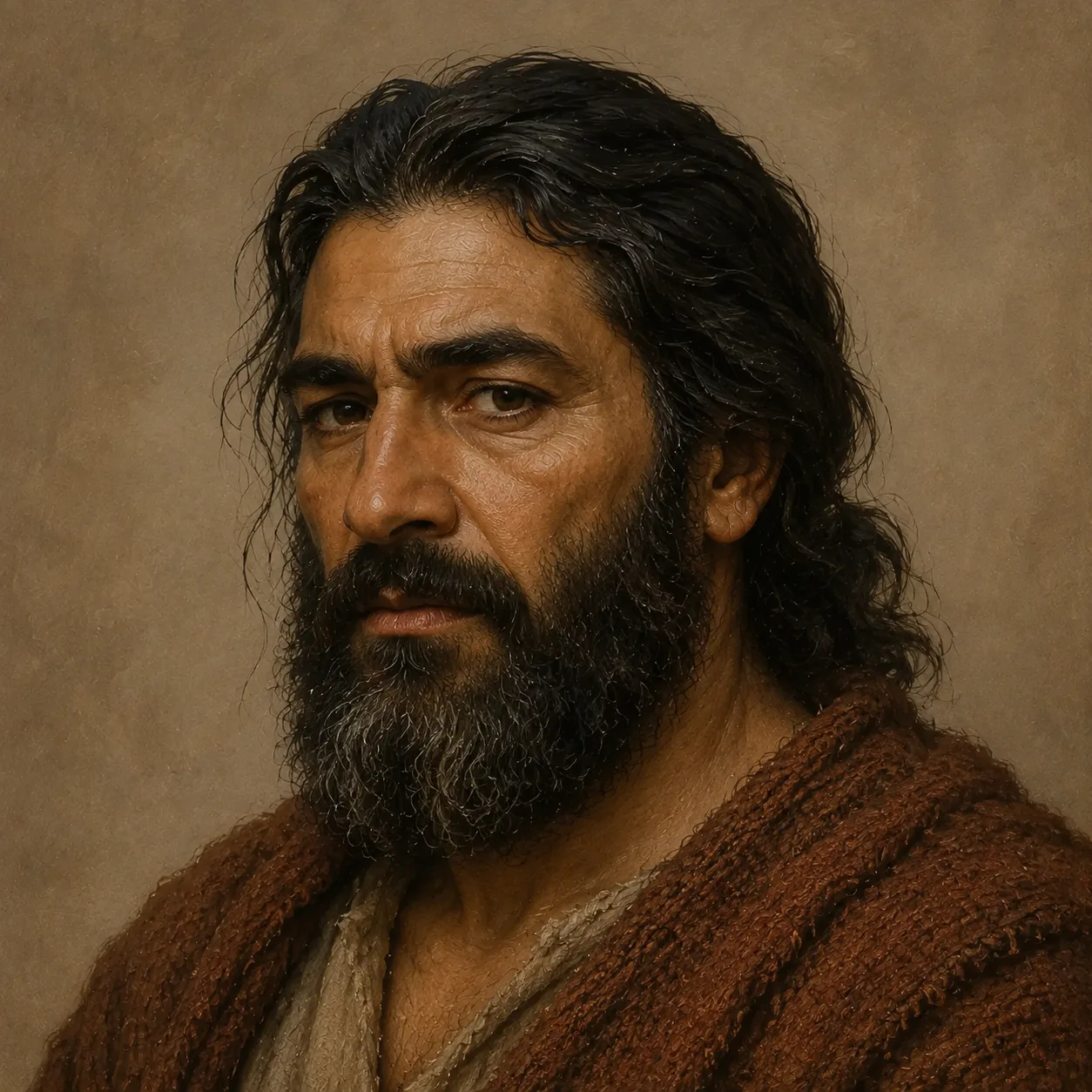
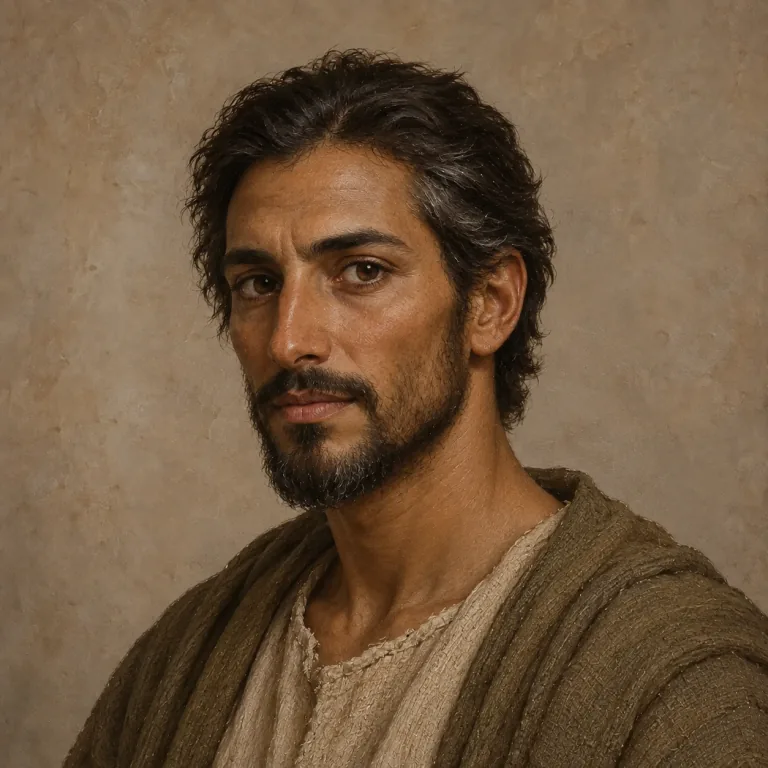
Also indexed here: