The Histories · Old Testament
2 Kings 8
2 Kings 8: the Shunammite's land, Hazael's rise, and two kings of Judah
General context
Elisha warns the woman whose son he restored that the Lord has called a seven-year famine, and she sojourns in the land of the Philistines. On her return she appeals to the king for her house and land. At that moment the king is asking Gehazi about Elisha's great deeds; as Gehazi describes the raising of a dead body, the woman and her son appear, and the king orders everything restored with the produce of the years she was away. Elisha comes to Damascus, where Ben-hadad is sick. The king sends Hazael with forty camels' load of gifts to ask whether he will recover. Elisha tells Hazael to say the king may recover, but that the Lord has shown him he will die. A fixed stare ends in shame, and the man of God weeps, naming the harm Hazael will do to Israel: fortresses burned, young men killed, children dashed, pregnant women ripped open. Hazael protests that he is no dog; Elisha says the Lord has shown that Hazael will be king. Hazael reports only that the king will recover. The next day a wet cloth is spread over the king's face until he dies, and Hazael reigns. Jehoram the son of Jehoshaphat begins to reign in Judah, walks in the ways of Ahab's house, having married Ahab's daughter, and does evil, yet Judah is spared for David's sake. Edom and Libnah revolt; Joram fights the Edomites by night. His son Ahaziah reigns one year, his mother Athaliah being Omri's daughter, and follows Ahab's house. Ahaziah joins Joram son of Ahab against Hazael at Ramoth-gilead; Joram is wounded and returns to Jezreel, and Ahaziah goes to visit him there.
Cited passages: 2 Kings 8:1, 2 Kings 8:2, 2 Kings 8:3, 2 Kings 8:4, 2 Kings 8:5, 2 Kings 8:6, 2 Kings 8:7, 2 Kings 8:9, 2 Kings 8:10, 2 Kings 8:11, 2 Kings 8:12, 2 Kings 8:13, 2 Kings 8:14, 2 Kings 8:15, 2 Kings 8:16, 2 Kings 8:18, 2 Kings 8:19, 2 Kings 8:20, 2 Kings 8:21, 2 Kings 8:22, 2 Kings 8:26, 2 Kings 8:27, 2 Kings 8:28, 2 Kings 8:29
2 Kings 8 (KJV)
1Then spake Elisha unto the woman, whose son he had restored to life, saying, Arise, and go thou and thine household, and sojourn wheresoever thou canst sojourn: for the Lord hath called for a famine; and it shall also come upon the land seven years.
2And the woman arose, and did after the saying of the man of God: and she went with her household, and sojourned in the land of the Philistines seven years.
3And it came to pass at the seven years’ end, that the woman returned out of the land of the Philistines: and she went forth to cry unto the king for her house and for her land.
4And the king talked with Gehazi the servant of the man of God, saying, Tell me, I pray thee, all the great things that Elisha hath done.
5And it came to pass, as he was telling the king how he had restored a dead body to life, that, behold, the woman, whose son he had restored to life, cried to the king for her house and for her land. And Gehazi said, My lord, O king, this is the woman, and this is her son, whom Elisha restored to life.
6And when the king asked the woman, she told him. So the king appointed unto her a certain officer, saying, Restore all that was hers, and all the fruits of the field since the day that she left the land, even until now.
7And Elisha came to Damascus; and Ben-hadad the king of Syria was sick; and it was told him, saying, The man of God is come hither.
8And the king said unto Hazael, Take a present in thine hand, and go, meet the man of God, and enquire of the Lord by him, saying, Shall I recover of this disease?
9So Hazael went to meet him, and took a present with him, even of every good thing of Damascus, forty camels’ burden, and came and stood before him, and said, Thy son Ben-hadad king of Syria hath sent me to thee, saying, Shall I recover of this disease?
10And Elisha said unto him, Go, say unto him, Thou mayest certainly recover: howbeit the Lord hath shewed me that he shall surely die.
11And he settled his countenance stedfastly, until he was ashamed: and the man of God wept.
12And Hazael said, Why weepeth my lord? And he answered, Because I know the evil that thou wilt do unto the children of Israel: their strong holds wilt thou set on fire, and their young men wilt thou slay with the sword, and wilt dash their children, and rip up their women with child.
13And Hazael said, But what, is thy servant a dog, that he should do this great thing? And Elisha answered, The Lord hath shewed me that thou shalt be king over Syria.
14So he departed from Elisha, and came to his master; who said to him, What said Elisha to thee? And he answered, He told me that thou shouldest surely recover.
15And it came to pass on the morrow, that he took a thick cloth, and dipped it in water, and spread it on his face, so that he died: and Hazael reigned in his stead.
16And in the fifth year of Joram the son of Ahab king of Israel, Jehoshaphat being then king of Judah, Jehoram the son of Jehoshaphat king of Judah began to reign.
17Thirty and two years old was he when he began to reign; and he reigned eight years in Jerusalem.
18And he walked in the way of the kings of Israel, as did the house of Ahab: for the daughter of Ahab was his wife: and he did evil in the sight of the Lord.
19Yet the Lord would not destroy Judah for David his servant’s sake, as he promised him to give him alway a light, and to his children.
20In his days Edom revolted from under the hand of Judah, and made a king over themselves.
21So Joram went over to Zair, and all the chariots with him: and he rose by night, and smote the Edomites which compassed him about, and the captains of the chariots: and the people fled into their tents.
22Yet Edom revolted from under the hand of Judah unto this day. Then Libnah revolted at the same time.
23And the rest of the acts of Joram, and all that he did, are they not written in the book of the chronicles of the kings of Judah?
24And Joram slept with his fathers, and was buried with his fathers in the city of David: and Ahaziah his son reigned in his stead.
25In the twelfth year of Joram the son of Ahab king of Israel did Ahaziah the son of Jehoram king of Judah begin to reign.
26Two and twenty years old was Ahaziah when he began to reign; and he reigned one year in Jerusalem. And his mother’s name was Athaliah, the daughter of Omri king of Israel.
27And he walked in the way of the house of Ahab, and did evil in the sight of the Lord, as did the house of Ahab: for he was the son in law of the house of Ahab.
28And he went with Joram the son of Ahab to the war against Hazael king of Syria in Ramoth-gilead; and the Syrians wounded Joram.
29And king Joram went back to be healed in Jezreel of the wounds which the Syrians had given him at Ramah, when he fought against Hazael king of Syria. And Ahaziah the son of Jehoram king of Judah went down to see Joram the son of Ahab in Jezreel, because he was sick.
This page shows the King James Version. In the app, reading opens in the Berean Standard Bible unless you have chosen another translation. The reader includes five translations: the Berean Standard Bible (BSB), the King James Version (KJV), the World English Bible (WEB), the Bible in Basic English (BBE), and the American Standard Version (ASV). Search covers three of them: Berean Standard, King James, and World English. Basic English and American Standard readers search the King James words.
Historical context
Two kings with the same name reign at once, and the KJV spells the Judean one both ways: "Jehoram the son of Jehoshaphat" in verse 16 and "Joram" in verses 21 to 24, while the Israelite king is "Joram the son of Ahab". The father's name is the only reliable marker. The chapter gives two descriptions of Ahaziah's mother's family: Jehoram's wife is "the daughter of Ahab" in verse 18, and Athaliah is "the daughter of Omri king of Israel" in verse 26; the text does not say how these fit together, and verse 27 adds that Ahaziah was "the son in law of the house of Ahab". In verse 15 the subject who spreads the wet cloth is only "he"; the sentence ends "Hazael reigned in his stead", and the narrator says no more. Elisha's message to Ben-hadad has two halves, and Hazael delivers one. The king who hears Gehazi is unnamed, and Gehazi's leprosy from 5:27 is not mentioned. In verse 11 both the one who "settled his countenance" and the one "ashamed" are an unnamed "he"; only the weeping is assigned, to the man of God. Elijah had been told in 1 Kings 19:15 to "anoint Hazael to be king over Syria"; here Elisha announces the kingship without any anointing being narrated. The battle site is "Ramoth-gilead" in verse 28 and "Ramah" in verse 29. The chapter supplies regnal synchronisms and ages but no other dating.
Cited passages: 2 Kings 8:16, 2 Kings 8:21, 2 Kings 8:24, 2 Kings 8:25, 2 Kings 8:18, 2 Kings 8:26, 2 Kings 8:27, 2 Kings 8:15, 2 Kings 8:10, 2 Kings 8:14, 2 Kings 8:4, 1 Kings 19:15, 2 Kings 8:13, 2 Kings 8:28, 2 Kings 8:29, 2 Kings 8:17
Literary context
The opening scene ties off two earlier threads at once: the Shunammite of chapter 4 and Gehazi of chapter 5 meet before the king, and the narrator times her arrival to the very moment Gehazi tells her story, so the testimony and the witness coincide. The Damascus scene is built on a split answer and a long stare; Elisha's weeping comes before his explanation, and the list of coming atrocities is put in the prophet's mouth, not the narrator's. Hazael's "is thy servant a dog" is followed within two verses by the king's death and Hazael's accession, with the deed described but its doer left as "he". The chapter then shifts to Judah and applies the same evaluation to father and son, each walking "in the way of the house of Ahab", with the promise to David as the stated reason Judah is not destroyed. The closing verses bring the two royal houses together in one sickroom at Jezreel, which sets the stage for what follows without saying so.
Cited passages: 2 Kings 8:5, 2 Kings 8:11, 2 Kings 8:12, 2 Kings 8:13, 2 Kings 8:15, 2 Kings 8:18, 2 Kings 8:27, 2 Kings 8:19, 2 Kings 8:29
Key moments
- Gehazi's testimony interrupted (2 Kings 8:5). As Gehazi tells of the raised child, the woman and her son come before the king.
- The Shunammite's land restored (2 Kings 8:6). The king orders all her property and the field's produce returned to her.
- Elisha weeps before Hazael (2 Kings 8:11). A fixed stare ends in shame, and the man of God weeps.
- Thou shalt be king over Syria (2 Kings 8:13). Hazael protests he is no dog, and Elisha tells him the Lord has shown he will reign.
- Ben-hadad smothered (2 Kings 8:15). A wet cloth is spread over the king's face until he dies, and Hazael reigns.
- Judah spared for David's sake (2 Kings 8:19). Despite Jehoram's evil, the narrator says the Lord would not destroy Judah because of his promise to David.
- Two kings at Jezreel (2 Kings 8:29). Wounded Joram returns to Jezreel, and Ahaziah of Judah goes down to visit him.
For reflection
Hazael asks whether he is a dog that he should do such things, and within two verses the king is dead and Hazael reigns. What does the chapter show about the gap between what a person believes of himself and what he goes on to do?
People in this chapter
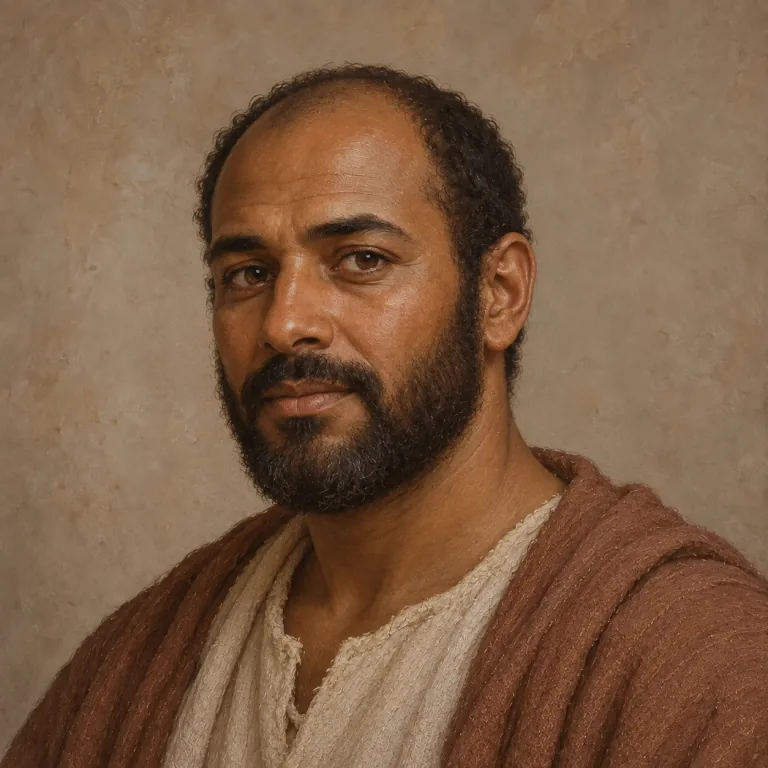
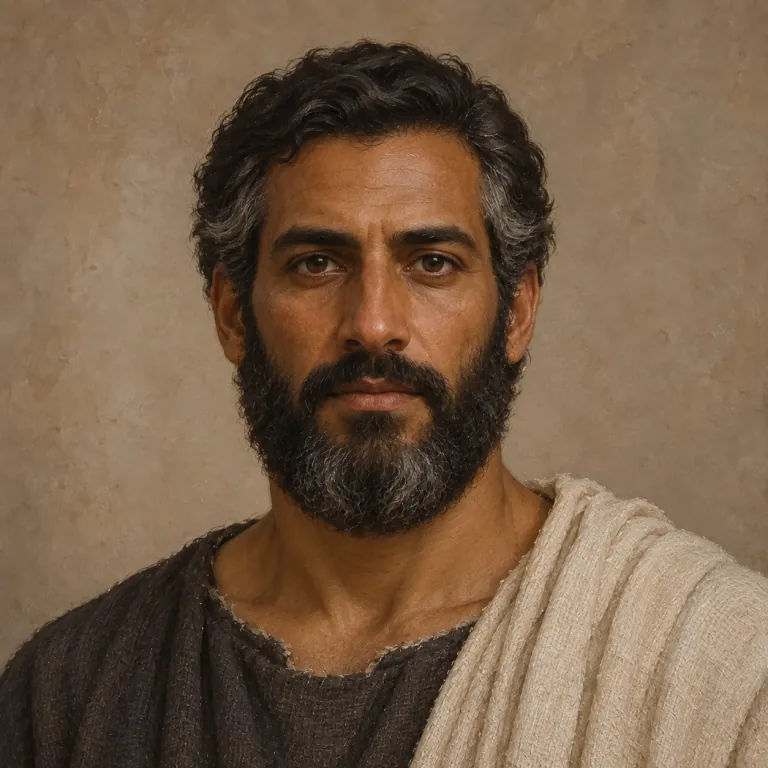
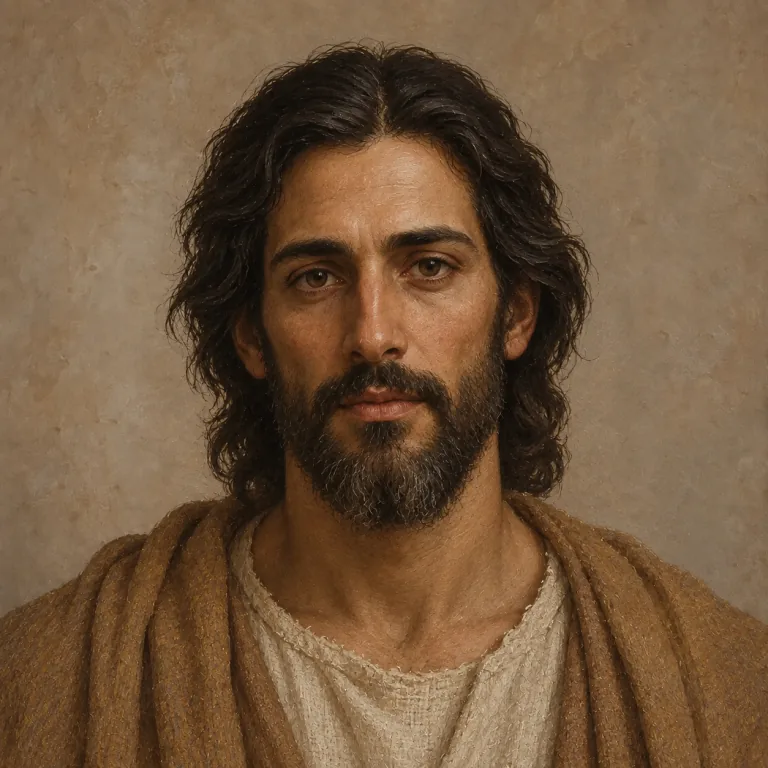
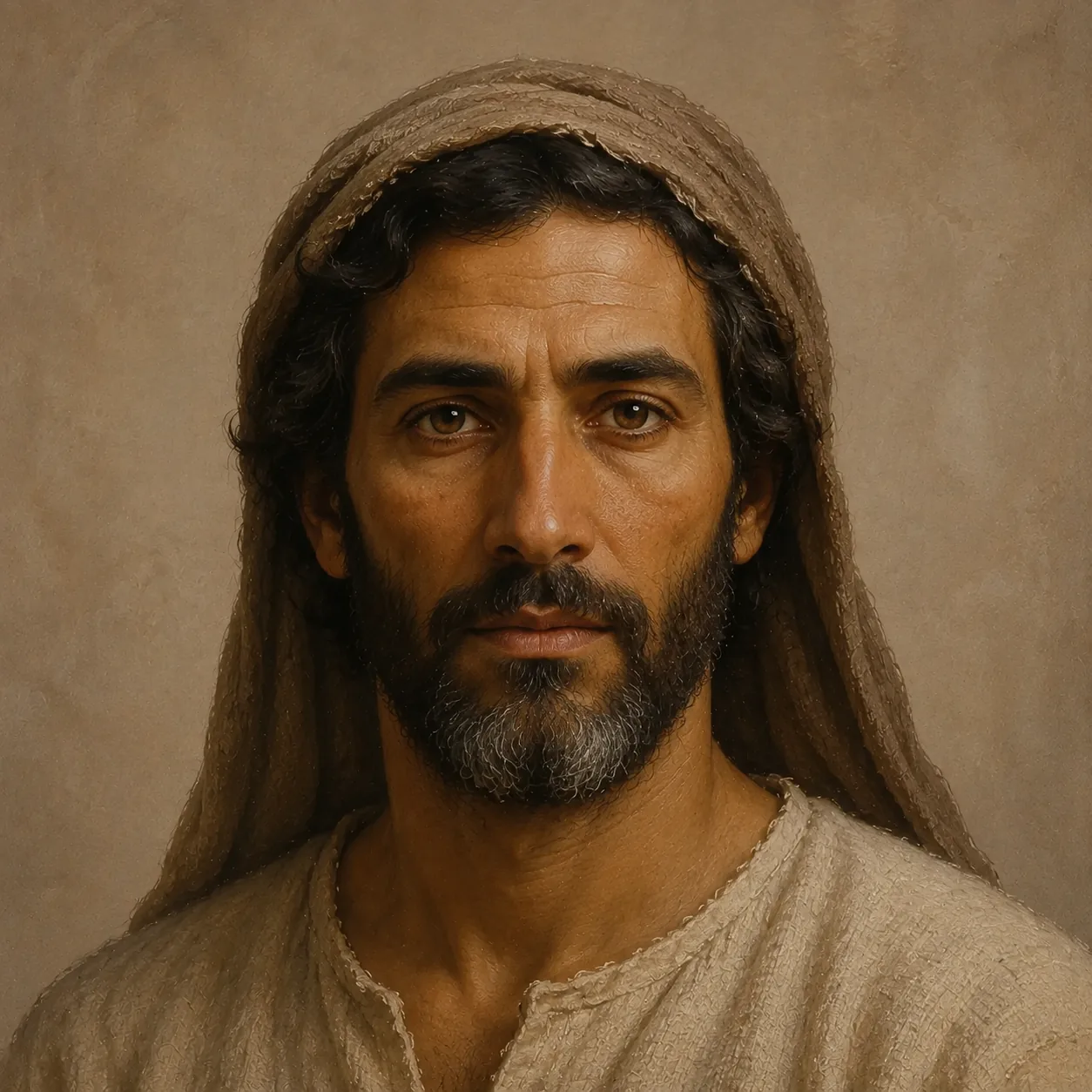
Also indexed here: