The Letters · New Testament
Jude 1
Jude 1: contending for the faith, and a chain of warnings from older stories
General context
The letter is from Jude, the servant of Jesus Christ and brother of James, to those sanctified by God the Father, preserved in Jesus Christ and called. The writer says he had meant to write about the common salvation, but found it needful instead to urge them to contend for the faith once delivered to the saints, because certain men have crept in unawares, ungodly men who turn grace into lasciviousness and deny the Lord. He reminds them of three things they already knew: that the Lord saved the people out of Egypt and afterward destroyed those who did not believe; that the angels who kept not their first estate are reserved in chains under darkness; and that Sodom and Gomorrha and the cities about them are set forth as an example. The men now present defile the flesh, despise dominion and speak evil of dignities, unlike Michael the archangel, who in disputing with the devil about the body of Moses said only, The Lord rebuke thee. They are said to have gone in the way of Cain, run after the error of Balaam, and perished in the gainsaying of Core. Images follow: spots in the readers' feasts, clouds without water, trees twice dead, raging waves, wandering stars. Enoch, the seventh from Adam, is said to have prophesied of them, and his words are quoted about the Lord coming with ten thousands of his saints. The readers are told to remember what the apostles said about mockers, then to build themselves up, pray, keep in the love of God, have compassion on some and save others by pulling them out of the fire. A closing blessing is given to the one able to keep them from falling.
Cited passages: Jude 1:1, Jude 1:3, Jude 1:4, Jude 1:5, Jude 1:6, Jude 1:7, Jude 1:8, Jude 1:9, Jude 1:10, Jude 1:11, Jude 1:12, Jude 1:13, Jude 1:14, Jude 1:16, Jude 1:17, Jude 1:18, Jude 1:20, Jude 1:22, Jude 1:23, Jude 1:24
Jude 1 (KJV)
1Jude, the servant of Jesus Christ, and brother of James, to them that are sanctified by God the Father, and preserved in Jesus Christ, and called:
2Mercy unto you, and peace, and love, be multiplied.
3Beloved, when I gave all diligence to write unto you of the common salvation, it was needful for me to write unto you, and exhort you that ye should earnestly contend for the faith which was once delivered unto the saints.
4For there are certain men crept in unawares, who were before of old ordained to this condemnation, ungodly men, turning the grace of our God into lasciviousness, and denying the only Lord God, and our Lord Jesus Christ.
5I will therefore put you in remembrance, though ye once knew this, how that the Lord, having saved the people out of the land of Egypt, afterward destroyed them that believed not.
6And the angels which kept not their first estate, but left their own habitation, he hath reserved in everlasting chains under darkness unto the judgment of the great day.
7Even as Sodom and Gomorrha, and the cities about them in like manner, giving themselves over to fornication, and going after strange flesh, are set forth for an example, suffering the vengeance of eternal fire.
8Likewise also these filthy dreamers defile the flesh, despise dominion, and speak evil of dignities.
9Yet Michael the archangel, when contending with the devil he disputed about the body of Moses, durst not bring against him a railing accusation, but said, The Lord rebuke thee.
10But these speak evil of those things which they know not: but what they know naturally, as brute beasts, in those things they corrupt themselves.
11Woe unto them! for they have gone in the way of Cain, and ran greedily after the error of Balaam for reward, and perished in the gainsaying of Core.
12These are spots in your feasts of charity, when they feast with you, feeding themselves without fear: clouds they are without water, carried about of winds; trees whose fruit withereth, without fruit, twice dead, plucked up by the roots;
13Raging waves of the sea, foaming out their own shame; wandering stars, to whom is reserved the blackness of darkness for ever.
14And Enoch also, the seventh from Adam, prophesied of these, saying, Behold, the Lord cometh with ten thousands of his saints,
15To execute judgment upon all, and to convince all that are ungodly among them of all their ungodly deeds which they have ungodly committed, and of all their hard speeches which ungodly sinners have spoken against him.
16These are murmurers, complainers, walking after their own lusts; and their mouth speaketh great swelling words, having men’s persons in admiration because of advantage.
17But, beloved, remember ye the words which were spoken before of the apostles of our Lord Jesus Christ;
18How that they told you there should be mockers in the last time, who should walk after their own ungodly lusts.
19These be they who separate themselves, sensual, having not the Spirit.
20But ye, beloved, building up yourselves on your most holy faith, praying in the Holy Ghost,
21Keep yourselves in the love of God, looking for the mercy of our Lord Jesus Christ unto eternal life.
22And of some have compassion, making a difference:
23And others save with fear, pulling them out of the fire; hating even the garment spotted by the flesh.
24Now unto him that is able to keep you from falling, and to present you faultless before the presence of his glory with exceeding joy,
25To the only wise God our Saviour, be glory and majesty, dominion and power, both now and ever. Amen.
This page shows the King James Version. In the app, reading opens in the Berean Standard Bible unless you have chosen another translation. The reader includes five translations: the Berean Standard Bible (BSB), the King James Version (KJV), the World English Bible (WEB), the Bible in Basic English (BBE), and the American Standard Version (ASV). Search covers three of them: Berean Standard, King James, and World English. Basic English and American Standard readers search the King James words.
Historical context
The writer identifies himself twice over: "Jude, the servant of Jesus Christ, and brother of James". He does not say which James, and he claims no other office. The readers are described only as sanctified, preserved and called, with no place or names. The occasion is stated: he changed the subject he meant to write on because "certain men crept in unawares". Their fault is given as conduct and denial rather than a named doctrine, and no individual is named. Older material is used heavily. Egypt, the angels, Sodom and Gomorrha, Cain, Balaam and Core are all mentioned as things the readers already knew. Two items are given without any source. Verse 9 reports Michael the archangel disputing with the devil about the body of Moses and saying "The Lord rebuke thee", and the letter names no book for it. Verse 14 says "Enoch also, the seventh from Adam, prophesied of these" and quotes the prophecy, again without naming a book. Verse 17 refers to words spoken before by the apostles, quoting them at verse 18, and does not say which apostles or where.
Cited passages: Jude 1:1, Jude 1:4, Jude 1:11, Jude 1:9, Jude 1:14, Jude 1:17, Jude 1:18
Literary context
Everything in this letter comes in threes and keeps moving. The readers are sanctified, preserved and called; the warning examples are Egypt, the angels and the cities; the men are compared to Cain, Balaam and Core. The accusation is built by accumulation rather than argument, and the images at verses 12 and 13 are all of things out of place or useless: clouds without water, trees that bear nothing and are pulled up, waves foaming, stars that wander. Several of these run close to 2 Peter 2, which also has "clouds that are carried with a tempest" and men who "feast with you". The one act of restraint in the letter is put in the middle of the abuse, Michael refusing to bring a railing accusation, which measures the accused against an angel who would not do what they do. After the long accusation the last section turns to the readers themselves and gives four short instructions, then softens further into compassion and rescue. The blessing at the end runs two verses, and it closes a letter that began with an interruption.
Cited passages: Jude 1:1, Jude 1:3, Jude 1:12, Jude 1:13, 2 Peter 2:17, 2 Peter 2:13, Jude 1:9, Jude 1:21, Jude 1:25
Key moments
- A letter changed mid plan (Jude 1:3). The writer says he set aside his intended subject.
- Crept in unawares (Jude 1:4). The reason for the change is men already inside the group.
- Three old warnings (Jude 1:6). Angels who left their estate are one of three reminders.
- Michael's restraint (Jude 1:9). An archangel is shown refusing to rail at an opponent.
- Spots in your feasts (Jude 1:12). The accused are placed at the readers' own love feasts.
- Enoch's prophecy quoted (Jude 1:14). A prophecy is attributed to Enoch and quoted directly.
- Pulling them out of the fire (Jude 1:23). The letter ends its instructions with rescue rather than attack.
For reflection
The letter says the writer set aside what he meant to write because something urgent had come up. What is lost when a planned subject gets displaced by an argument?
People in this chapter
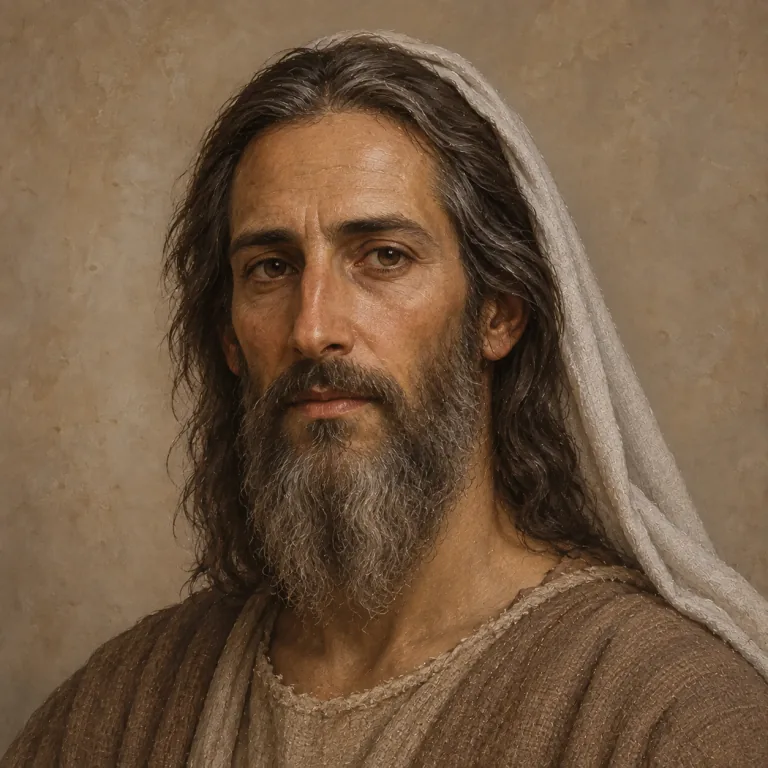
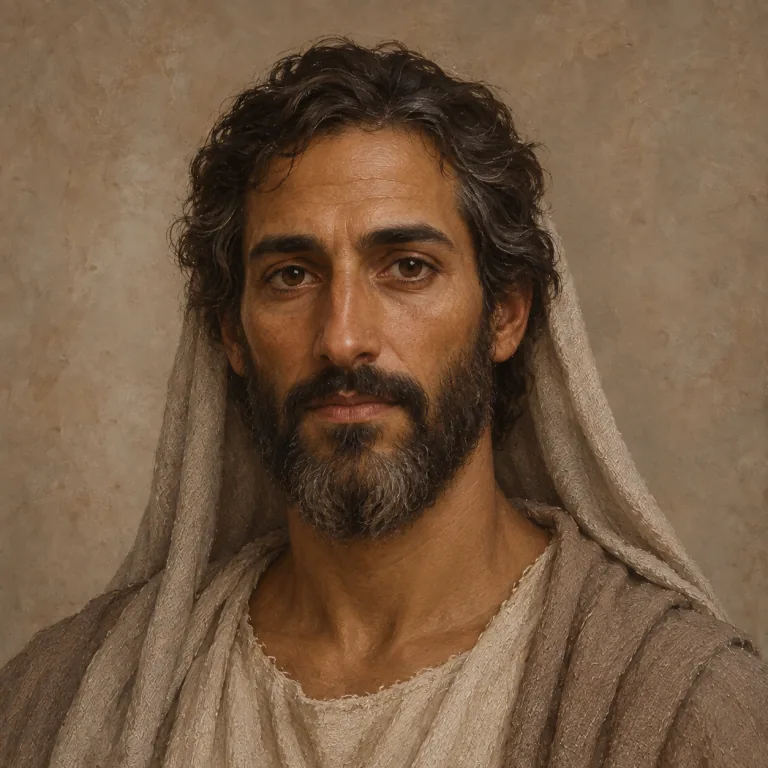
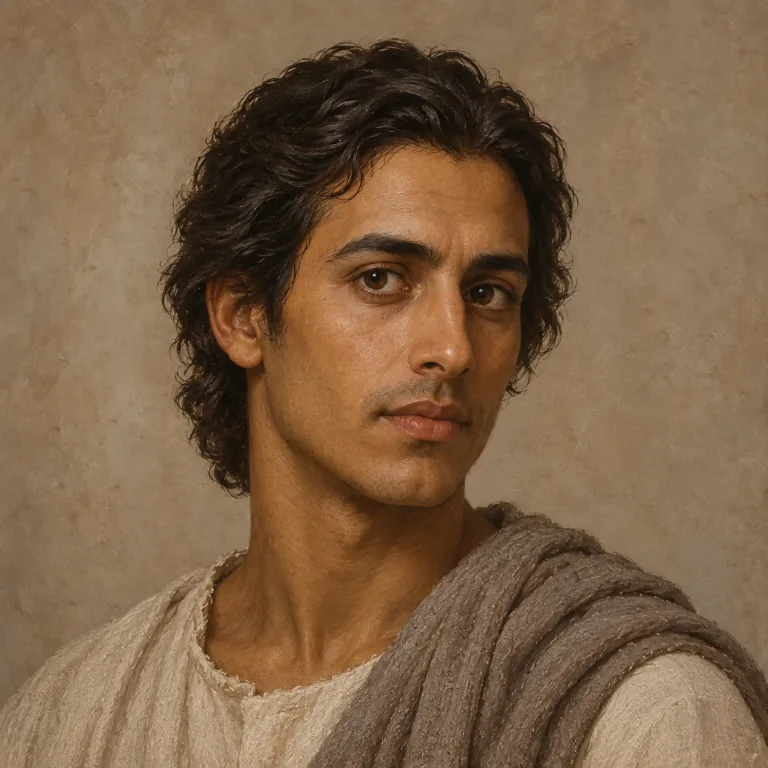
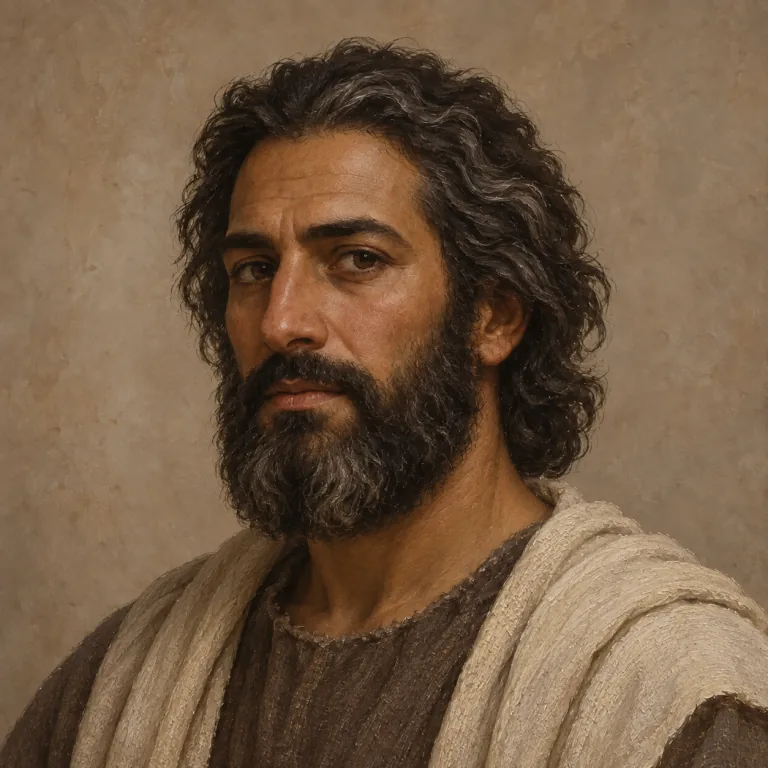
Also indexed here: