Person in the Old Testament
Baruch
Baruch: the scribe who wrote Jeremiah's words and was promised his life
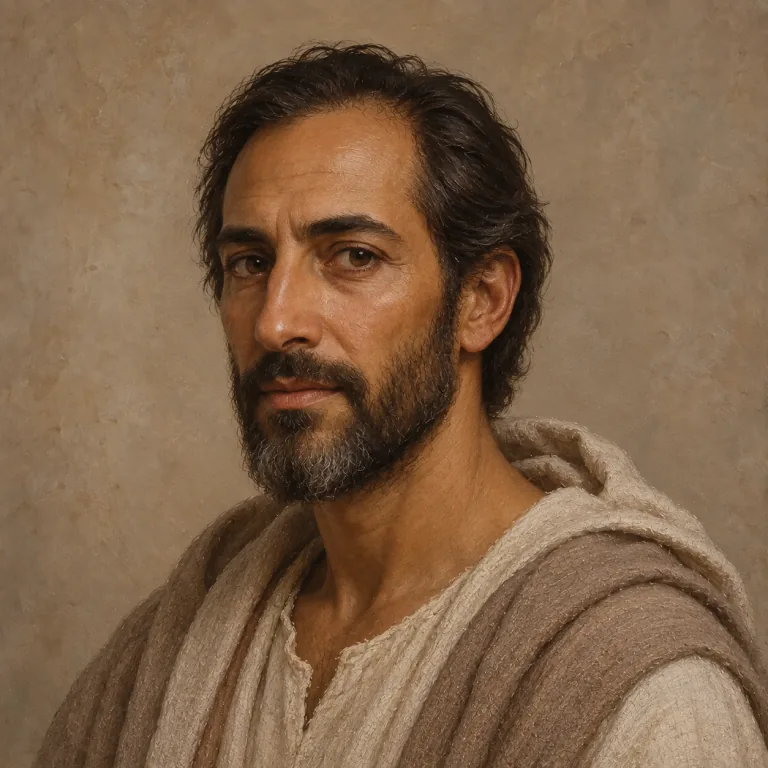
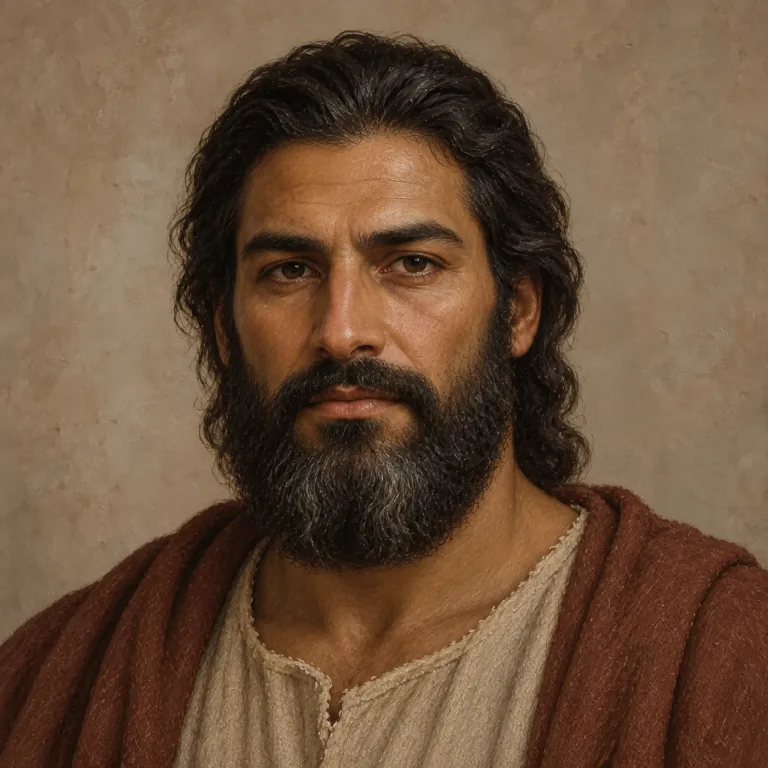
Portrait: an AI-generated artistic interpretation, not evidence of how Baruch looked.
Who Baruch is
Baruch the son of Neriah, the son of Maaseiah, first appears in the court of the prison, where Jeremiah gives him the sealed and open deed for the field at Anathoth and charges him to put the writings in an earthen vessel so they may last many days. In the fourth year of Jehoiakim he writes on a roll, from Jeremiah’s mouth, all the words the Lord had spoken. Jeremiah, who is shut up and cannot go to the house of the Lord, sends him to read the roll to the people on the fasting day, and he reads it in the chamber of Gemariah. Michaiah reports what he heard, the princes send for him, he reads it again in their ears, and when they ask how he wrote the words he answers that Jeremiah pronounced them with his mouth and he wrote them with ink. The princes tell him to hide with Jeremiah. After the king cuts the roll and burns it, the king orders his arrest, but the Lord hides them, and Jeremiah gives him a second roll, which he writes again with many like words added. The captains accuse him of setting Jeremiah against them, and he is carried into Egypt with the prophet. The word in chapter 45 quotes his own complaint and tells him not to seek great things for himself, promising his life for a prey wherever he goes.
Cited passages: Jeremiah 32:12, Jeremiah 32:14, Jeremiah 36:4, Jeremiah 36:5, Jeremiah 36:6, Jeremiah 36:8, Jeremiah 36:10, Jeremiah 36:13, Jeremiah 36:15, Jeremiah 36:17, Jeremiah 36:18, Jeremiah 36:19, Jeremiah 36:26, Jeremiah 36:32, Jeremiah 43:3, Jeremiah 43:6, Jeremiah 45:1, Jeremiah 45:5
Historical setting
The text gives him one name and one line of descent, son of Neriah, son of Maaseiah, and one office, scribe. It says nothing of his age, his house or his end. Seraiah, who carries Jeremiah’s book to Babylon, is named son of Neriah, son of Maaseiah as well, so the two share a father and a grandfather in the printed text, but no verse states their relation. Every passage that names him belongs to Jeremiah, and nothing in them connects him with other men of the same name elsewhere in the Bible. Two dates attach to him: the roll is written in the fourth year of Jehoiakim, and the reading before the people falls in the fifth year, ninth month, at a proclaimed fast. The charge in chapter 43 that he set Jeremiah on against the people is the speakers’ claim, made by men the narrator calls proud, and no passage shows him doing it. He is listed among those the captains took into Egypt, and the book does not say he chose to go or what happened to him afterward. The word to him is spoken through Jeremiah, and it names no place where his life will be kept, only all places whither he goes.
Cited passages: Jeremiah 32:12, Jeremiah 36:26, Jeremiah 51:59, Jeremiah 36:1, Jeremiah 36:9, Jeremiah 43:3, Jeremiah 43:2, Jeremiah 43:6, Jeremiah 45:1, Jeremiah 45:5
How the story is told
Baruch is the hand and the voice of a prophet who cannot move. Jeremiah says plainly, I am shut up, and Baruch goes where the words have to be heard, so the roll travels from mouth to ink to the ears of the people, then to the princes, then to the king. The chain of hearers is built by repetition: he reads to the people, Michaiah tells the princes, the princes have him read again, and Jehudi reads to the king, where the leaves are cut with a penknife and cast into the fire. His only quoted sentence in that scene is a plain account of method, that Jeremiah spoke and he wrote with ink, and it stands against the fire that follows. He is named with Jeremiah when the king sends for their arrest and again when the captains carry the remnant away, so the scribe shares the prophet’s danger without sharing his call. Chapter 45 then turns from the roll to the writer. The Lord quotes his lament back to him before answering, and the answer gives him no commission and no future, only his life, set inside the pulling down of a whole land. Placed after the chapters in Egypt though dated much earlier, that short word lets a reader hear the promise while already knowing where he ended up.
Cited passages: Jeremiah 36:5, Jeremiah 36:6, Jeremiah 36:10, Jeremiah 36:13, Jeremiah 36:15, Jeremiah 36:23, Jeremiah 36:18, Jeremiah 36:26, Jeremiah 43:6, Jeremiah 45:3, Jeremiah 45:4, Jeremiah 45:5, Jeremiah 45:1
Story moments
- The deed in an earthen vessel (Jeremiah 32:14). Jeremiah charges Baruch to store the purchase writings so they will last many days.
- Writing from the mouth (Jeremiah 36:4). Baruch writes on a roll all the words the Lord had spoken to Jeremiah.
- Reading at the fast (Jeremiah 36:10). He reads the book in the house of the Lord in the ears of all the people.
- Written with ink (Jeremiah 36:18). Asked how the words were written, he says Jeremiah spoke them and he wrote them with ink.
- Ordered arrested (Jeremiah 36:26). The king sends men to take Baruch and Jeremiah, and the Lord hides them.
- Blamed for the message (Jeremiah 43:3). The captains say Baruch set Jeremiah on against them to hand them to the Chaldeans.
- Life for a prey (Jeremiah 45:5). He is told not to seek great things and is promised his life wherever he goes.
Key passages
Jeremiah 32:12
And I gave the evidence of the purchase unto Baruch the son of Neriah, the son of Maaseiah, in the sight of Hanameel mine uncle’s son, and in the presence of the witnesses that subscribed the book of the purchase, before all the Jews that sat in the court of the prison.
Jeremiah 32:13
And I charged Baruch before them, saying,
Jeremiah 32:16
Now when I had delivered the evidence of the purchase unto Baruch the son of Neriah, I prayed unto the Lord, saying,
Jeremiah 36:4
Then Jeremiah called Baruch the son of Neriah: and Baruch wrote from the mouth of Jeremiah all the words of the Lord, which he had spoken unto him, upon a roll of a book.
Jeremiah 36:5
And Jeremiah commanded Baruch, saying, I am shut up; I cannot go into the house of the Lord:
Jeremiah 36:8
And Baruch the son of Neriah did according to all that Jeremiah the prophet commanded him, reading in the book the words of the Lord in the Lord’s house.
King James Version. 21 indexed passages in total.
For reflection
Baruch writes the words twice, hides for them, is blamed for them, and is promised nothing but his life in every place he goes. What is a fair thing to expect for work done at someone else's mouth?
Books Baruch appears in
Related people



Names and references are adapted from STEPBible TIPNR. A person listed with a verse is named or indexed there; it does not mean they wrote or spoke it.