The Prophets · Old Testament
Jeremiah 45
Jeremiah 45: a word for Baruch
General context
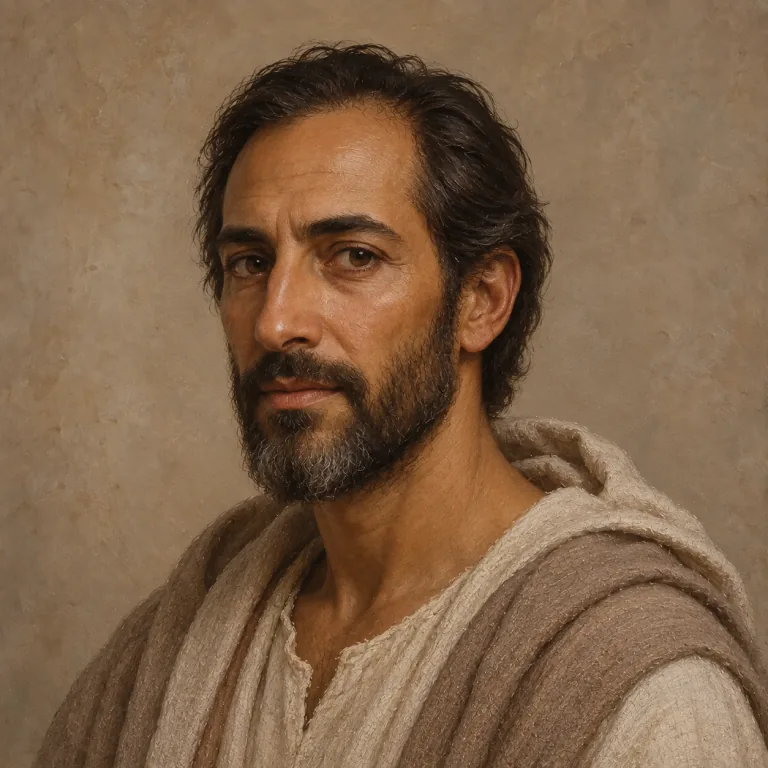
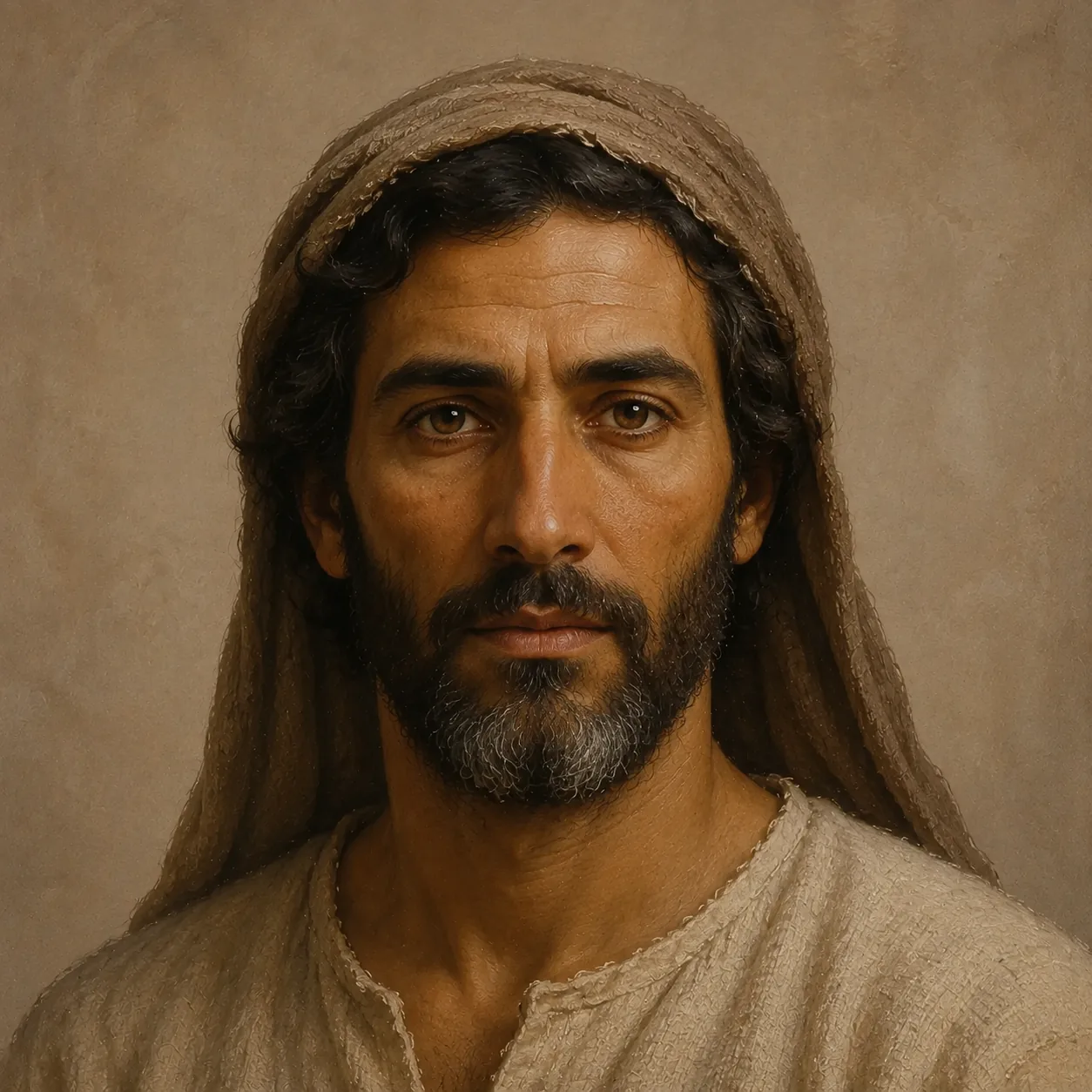
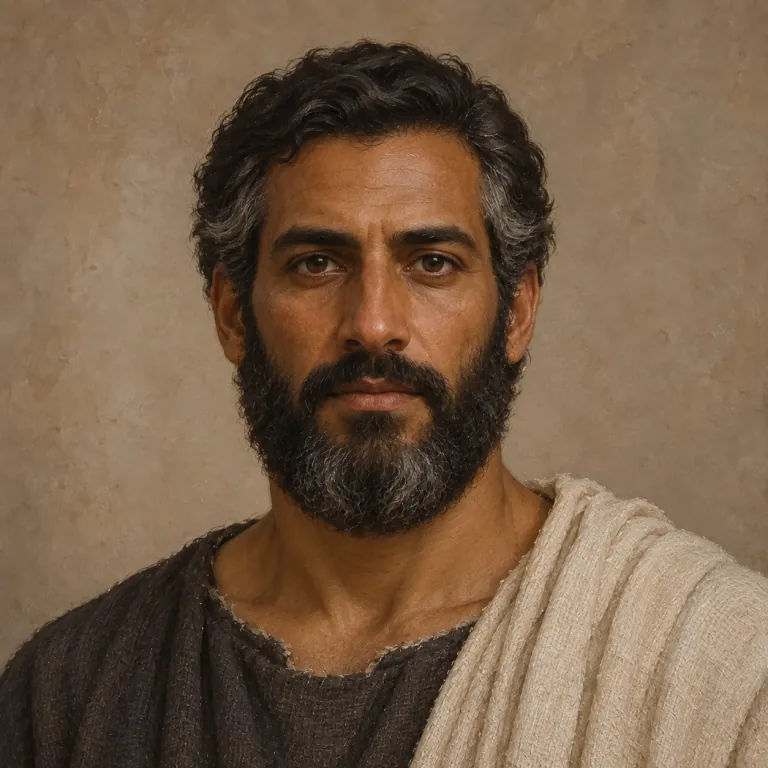
The chapter is the word Jeremiah speaks to Baruch the son of Neriah after Baruch has written these words in a book at Jeremiah's mouth, in the fourth year of Jehoiakim the son of Josiah. The Lord addresses Baruch directly and quotes what he has said: woe is me, the Lord has added grief to my sorrow, I fainted in my sighing and find no rest. The Lord answers that what he has built he will break down and what he has planted he will pluck up, even this whole land. He asks whether Baruch seeks great things for himself and tells him not to seek them, because he will bring evil upon all flesh; but Baruch's life will be given to him for a prey in every place he goes.
Cited passages: Jeremiah 45:1, Jeremiah 45:2, Jeremiah 45:3, Jeremiah 45:4, Jeremiah 45:5
Jeremiah 45 (KJV)
1The word that Jeremiah the prophet spake unto Baruch the son of Neriah, when he had written these words in a book at the mouth of Jeremiah, in the fourth year of Jehoiakim the son of Josiah king of Judah, saying,
2Thus saith the Lord, the God of Israel, unto thee, O Baruch;
3Thou didst say, Woe is me now! for the Lord hath added grief to my sorrow; I fainted in my sighing, and I find no rest.
4Thus shalt thou say unto him, The Lord saith thus; Behold, that which I have built will I break down, and that which I have planted I will pluck up, even this whole land.
5And seekest thou great things for thyself? seek them not: for, behold, I will bring evil upon all flesh, saith the Lord: but thy life will I give unto thee for a prey in all places whither thou goest.
This page shows the King James Version. In the app, reading opens in the Berean Standard Bible unless you have chosen another translation. The reader includes five translations: the Berean Standard Bible (BSB), the King James Version (KJV), the World English Bible (WEB), the Bible in Basic English (BBE), and the American Standard Version (ASV). Search covers three of them: Berean Standard, King James, and World English. Basic English and American Standard readers search the King James words.
Historical context
The chapter has five verses and is dated to the fourth year of Jehoiakim, the year in which chapter 36 has Baruch write the roll, so it stands out of order after the chapters set in Egypt. Baruch's complaint is quoted as his own words, and the text does not say when or where he spoke it or what grief he means. The "great things" he is told not to seek are not described. The promise of life "for a prey" uses the wording given to Ebed-melech and to those who went out to the Chaldeans. "In all places whither thou goest" names no place; chapter 43 has already reported Baruch taken into Egypt, so the reader meets the promise after seeing where he went. The address shifts inside the chapter: verse 2 speaks “unto thee, O Baruch,” and verse 4 turns to Jeremiah with “Thus shalt thou say unto him.” It is the only oracle in the book addressed to Baruch by name. The text gives Baruch no title here beyond son of Neriah.
Cited passages: Jeremiah 45:1, Jeremiah 36:1, Jeremiah 45:3, Jeremiah 45:5, Jeremiah 39:18, Jeremiah 38:2, Jeremiah 43:6, Jeremiah 45:2, Jeremiah 45:4
Literary context
A personal word sits between the Egypt narrative and the oracles against the nations. The Lord repeats Baruch's lament back to him before replying, so the scribe's own words are the first thing quoted. The reply takes the building and planting of Jeremiah's commission and reverses them, what was built is broken down and what was planted is plucked up, across "this whole land," placing one man's sorrow inside a national ruin. A question, "seekest thou great things for thyself?", is answered by a command, "seek them not," and then by the one thing granted, his life. The promise is bare and matches what was offered to others who survived the fall. Its placement after chapter 43 lets the reader see that Baruch has so far kept his life, though in a place he did not choose. The chapter's brevity contrasts with the long oracles that follow.
Cited passages: Jeremiah 45:3, Jeremiah 45:4, Jeremiah 1:10, Jeremiah 45:5, Jeremiah 39:18, Jeremiah 43:6, Jeremiah 46:1
Key moments
- Written in the fourth year (Jeremiah 45:1). The word is dated to the year Baruch wrote the book at Jeremiah's mouth.
- Woe is me (Jeremiah 45:3). The Lord quotes Baruch's lament about added grief and no rest.
- Built and broken down (Jeremiah 45:4). What the Lord built and planted he will break down and pluck up.
- Seek them not (Jeremiah 45:5). Baruch is told not to seek great things but is promised his life.
For reflection
Baruch is told not to seek great things for himself and is promised only his life. What is it like to hear that survival is the whole of what you will be given?
People in this chapter



Also indexed here: