Person in the Old Testament
Haggai
Haggai the prophet: the messenger who tells Zerubbabel and Joshua to build
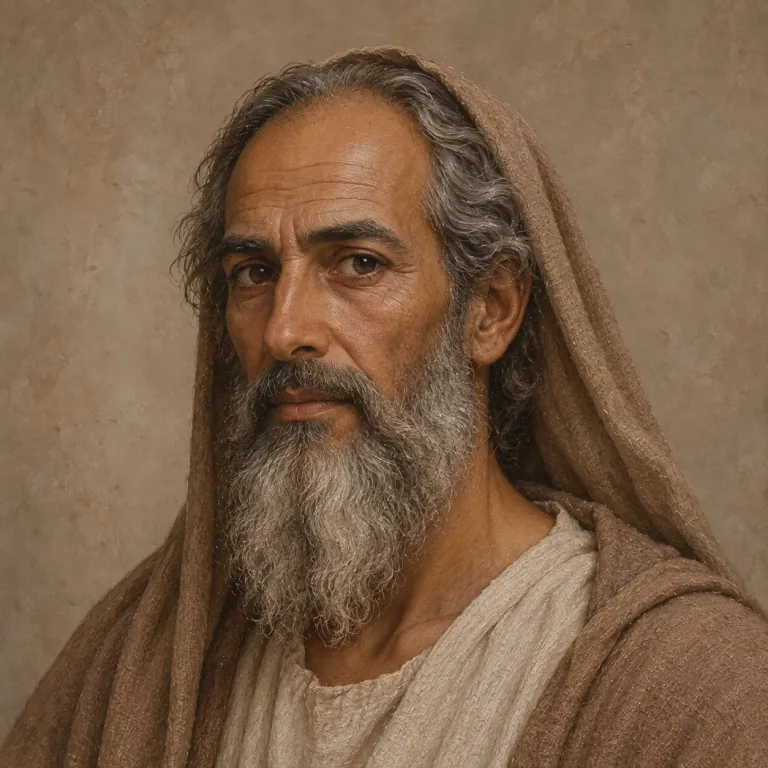
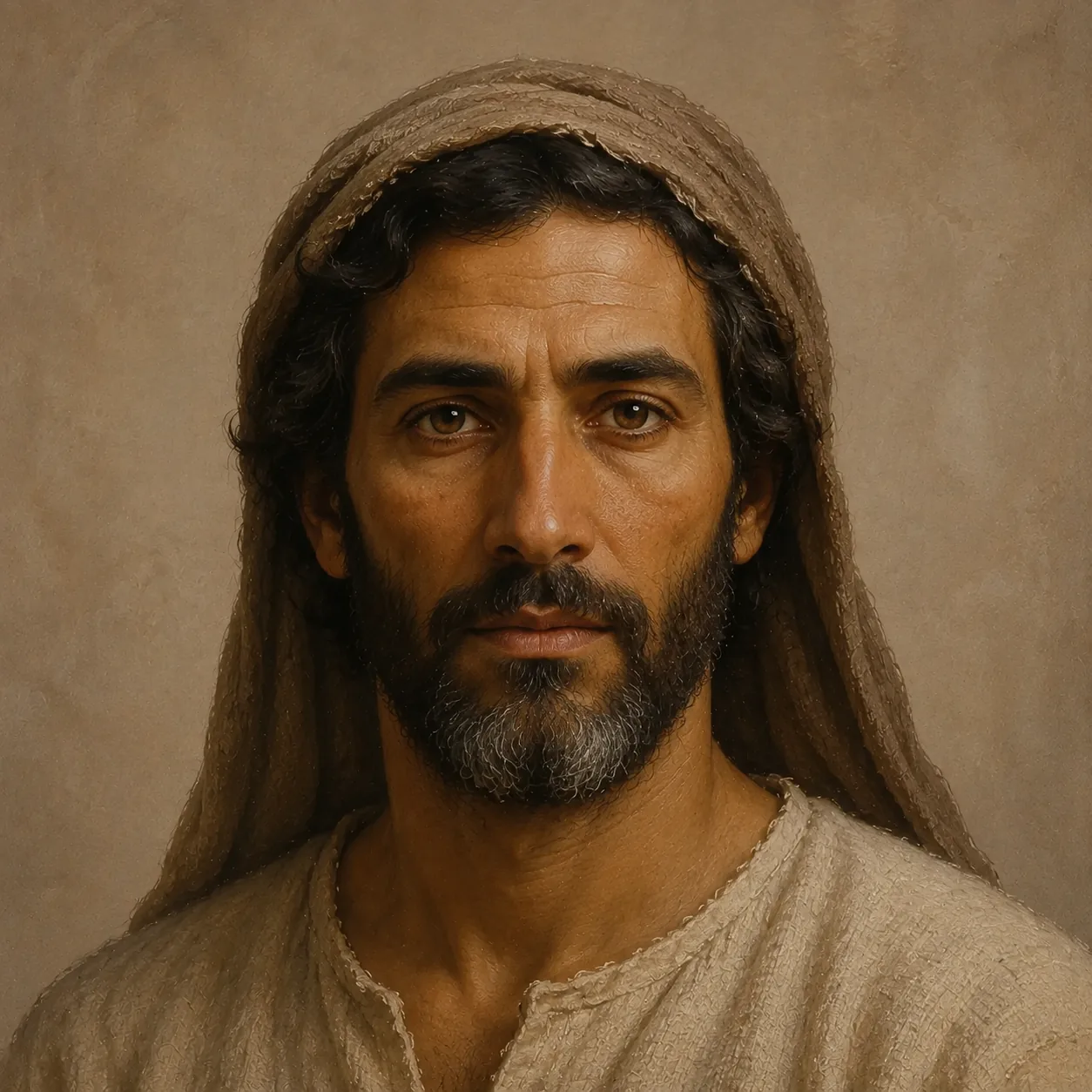
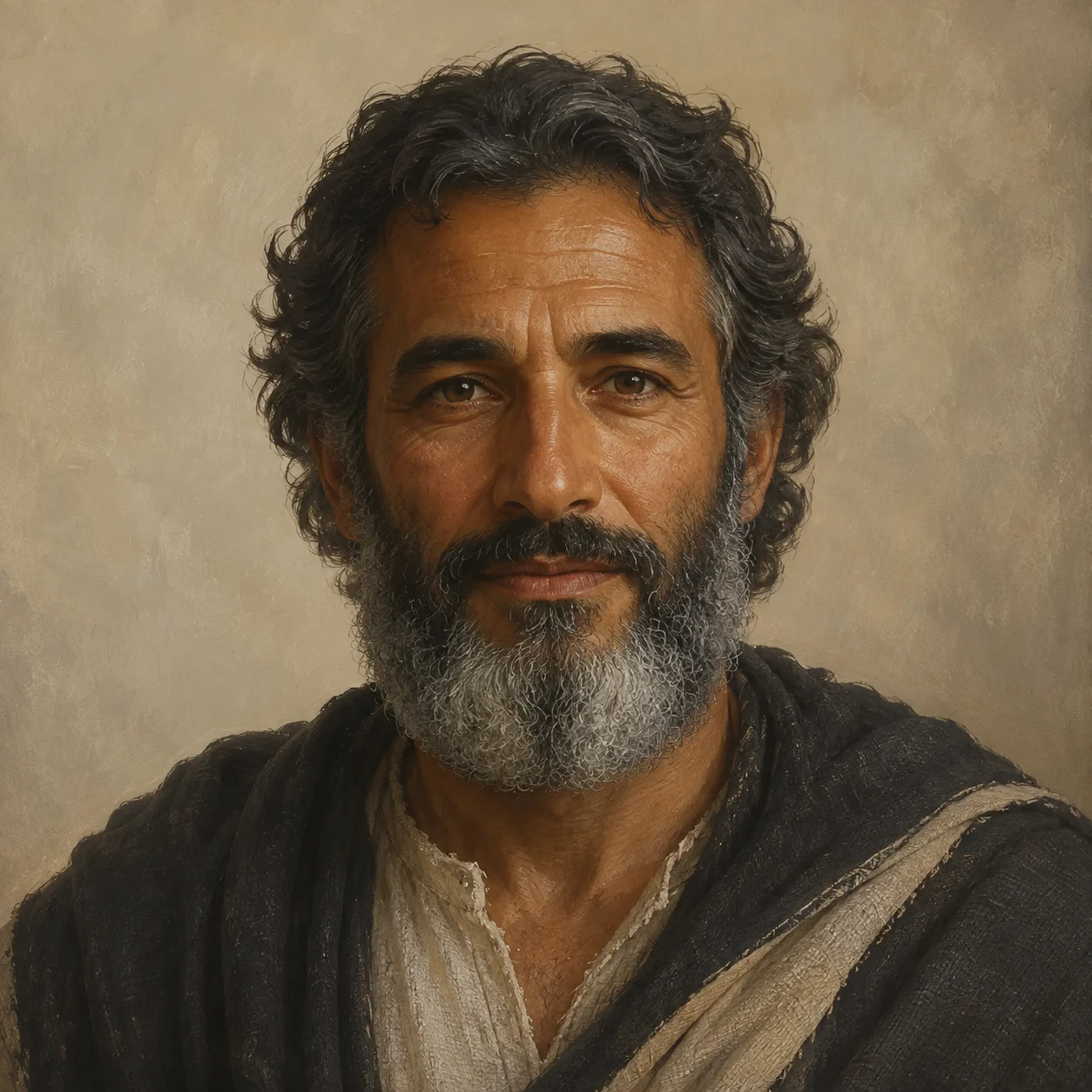
Portrait: an AI-generated artistic interpretation, not evidence of how Haggai looked.
Who Haggai is
Haggai carries dated words of the Lord to the leaders and people in Judah. In the second year of Darius, in the sixth month, on the first day, the word comes by him to Zerubbabel the son of Shealtiel, governor of Judah, and to Joshua the son of Josedech, the high priest. He reports the people's saying that the time to build has not come, tells them to consider their ways, and directs them to bring wood and build the house. Zerubbabel, Joshua and the remnant obey and fear before the Lord, and Haggai, called the Lord's messenger, delivers a short message: "I am with you, saith the Lord." In the seventh month, on the twenty-first day, the word comes by him again, asking who is left that saw the house in her first glory and telling Zerubbabel, Joshua and the people to be strong and work. On the twenty-fourth day of the ninth month he puts two questions to the priests about holy flesh and uncleanness, takes their answers, and applies them to the people and their offerings. The same day a further word comes for Zerubbabel about shaking heaven and earth. Ezra records him alongside another prophet: "Then the prophets, Haggai the prophet, and Zechariah the son of Iddo, prophesied unto the Jews that were in Judah and Jerusalem," and says the elders prospered through their prophesying.
Cited passages: Haggai 1:1, Haggai 1:2, Haggai 1:3, Haggai 1:8, Haggai 1:12, Haggai 1:13, Haggai 2:1, Haggai 2:2, Haggai 2:3, Haggai 2:4, Haggai 2:10, Haggai 2:11, Haggai 2:12, Haggai 2:13, Haggai 2:14, Haggai 2:20, Haggai 2:21, Ezra 5:1, Ezra 6:14
Historical setting
Haggai is given no father, town, tribe or age anywhere in the text. He is called "Haggai the prophet" and once "the Lord’s messenger," and his words are almost always introduced as "the word of the Lord by Haggai," which makes him the carrier rather than the source. The dates attached to him give Darius's regnal year with month and day, except at 2:1, which gives only the month and day; no other reckoning appears, and Darius is described only as "the king." The people he addresses are named with father and office: Zerubbabel the son of Shealtiel, governor of Judah, and Joshua the son of Josedech, the high priest. Ezra 5:1 pairs him with "Zechariah the son of Iddo" and Ezra 6:14 says the elders "prospered through the prophesying of Haggai the prophet and Zechariah the son of Iddo"; Ezra spells the high priest's name differently, as Jeshua the son of Jozadak. The only places where Haggai speaks in his own name rather than as a carrier are the exchange with the priests at 2:13 and 2:14. Nothing is said of his death, family or what he did before or after these four months.
Cited passages: Haggai 1:1, Haggai 1:3, Haggai 1:13, Haggai 2:1, Haggai 2:10, Haggai 2:13, Haggai 2:14, Ezra 5:1, Ezra 6:14, Ezra 5:2
How the story is told
Haggai is drawn entirely through dates and errands. Each appearance begins with a day of the month, so the man is measured out in calendar entries rather than in scenes, and the whole record covers less than four months of one year. He never argues; he asks, reports and applies. The strongest thing he does is legal and indirect: he puts two questions about holiness and uncleanness to the priests, lets them answer in their own words, and then turns their second answer onto the people. His shortest speech is the one the text singles out with a title, "the Lord’s messenger," and it is four words: I am with you. Ezra, writing a different kind of account, keeps him in the same role, a prophet whose speaking is credited with the elders getting the building finished.
Cited passages: Haggai 1:1, Haggai 1:13, Haggai 2:1, Haggai 2:10, Haggai 2:12, Haggai 2:13, Haggai 2:14, Haggai 2:20, Ezra 6:14, Ezra 5:1
Story moments
- The word by Haggai (Haggai 1:1). On the first day of the sixth month the word comes by Haggai to Zerubbabel and Joshua.
- Consider your ways (Haggai 1:8). He directs the people to bring wood and build the house.
- I am with you (Haggai 1:13). Called the Lord’s messenger, he delivers a five-word message to the people.
- The former glory (Haggai 2:3). He asks who is left that saw the house in her first glory.
- Questions to the priests (Haggai 2:13). He asks the priests about uncleanness and takes their answer.
- Applied to the people (Haggai 2:14). He turns the priests’ answer onto the people and their offerings.
- Named with Zechariah in Ezra (Ezra 5:1). Ezra records Haggai and Zechariah prophesying to the Jews in Judah and Jerusalem.
Key passages
Ezra 5:1
Then the prophets, Haggai the prophet, and Zechariah the son of Iddo, prophesied unto the Jews that were in Judah and Jerusalem in the name of the God of Israel, even unto them.
Ezra 6:14
And the elders of the Jews builded, and they prospered through the prophesying of Haggai the prophet and Zechariah the son of Iddo. And they builded, and finished it, according to the commandment of the God of Israel, and according to the commandment of Cyrus, and Darius, and Artaxerxes king of Persia.
Haggai 1:1
In the second year of Darius the king, in the sixth month, in the first day of the month, came the word of the Lord by Haggai the prophet unto Zerubbabel the son of Shealtiel, governor of Judah, and to Joshua the son of Josedech, the high priest, saying,
Haggai 1:3
Then came the word of the Lord by Haggai the prophet, saying,
Haggai 1:12
Then Zerubbabel the son of Shealtiel, and Joshua the son of Josedech, the high priest, with all the remnant of the people, obeyed the voice of the Lord their God, and the words of Haggai the prophet, as the Lord their God had sent him, and the people did fear before the Lord.
Haggai 1:13
Then spake Haggai the Lord’s messenger in the Lord’s message unto the people, saying, I am with you, saith the Lord.
King James Version. 11 indexed passages in total.
For reflection
Haggai is known almost entirely by dates and by messages he carries for someone else. What kind of person does that leave in the reader's hands, and what would be different if the book had told us anything about him?
Books Haggai appears in
Related people
Names and references are adapted from STEPBible TIPNR. A person listed with a verse is named or indexed there; it does not mean they wrote or spoke it.