Person in the Old Testament
Zechariah (Prophet)
Zechariah son of Berechiah: the prophet who asks the angel what he sees
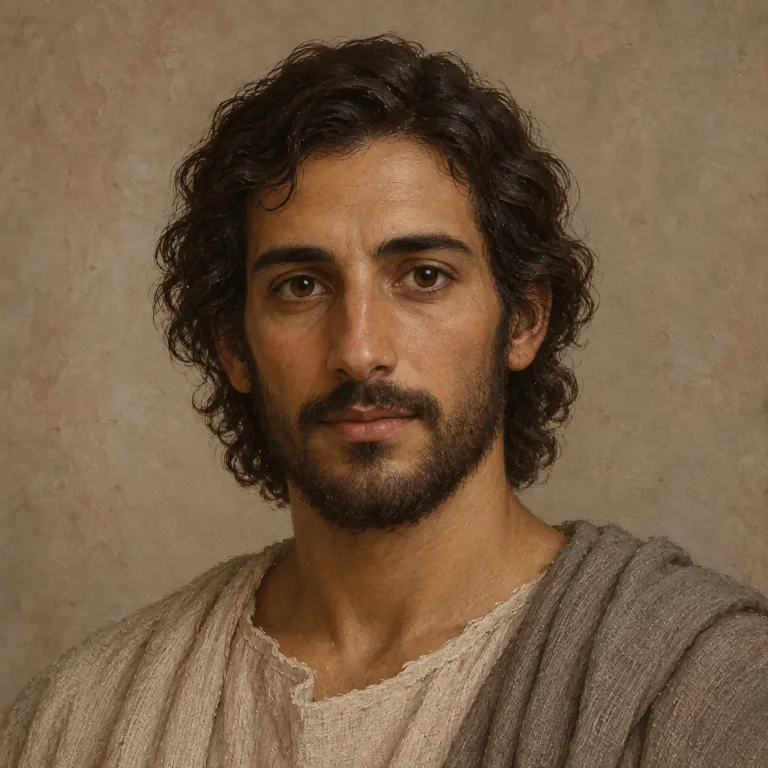
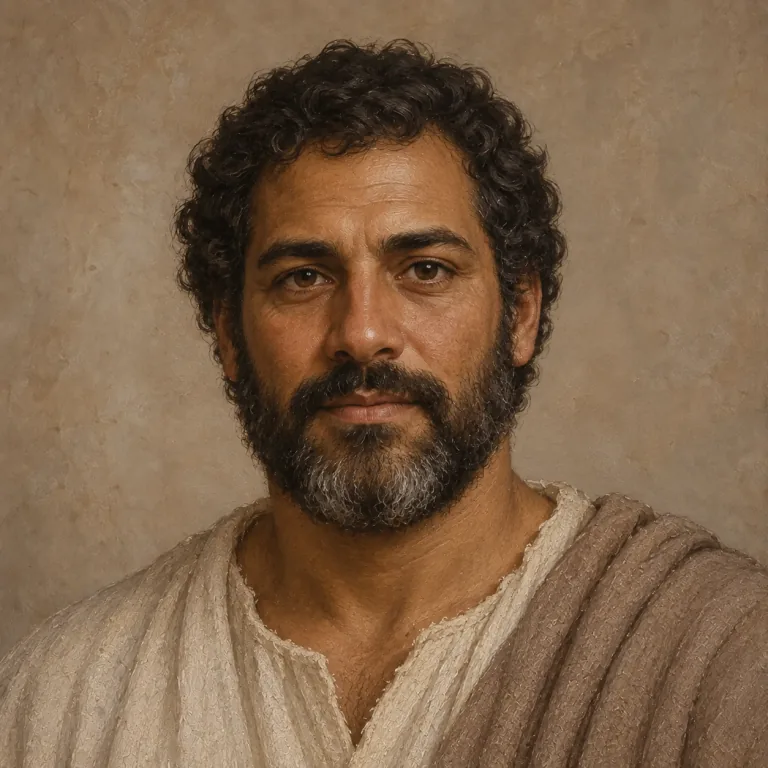
Portrait: an AI-generated artistic interpretation, not evidence of how Zechariah (Prophet) looked.
Who Zechariah (Prophet) is
Zechariah is named in three dated headings in the book that carries his name and once more in a fourth verse. The first reads, "In the eighth month, in the second year of Darius, came the word of the Lord unto Zechariah, the son of Berechiah, the son of Iddo the prophet, saying," and the second dates a night of visions to the twenty-fourth day of the eleventh month of the same year. In those visions he is the one who asks: what are these, whither goest thou, what be these, and he is answered by an angel that talks with him. He also speaks on his own initiative once, asking that a fair mitre be set on Joshua's head. He is told to take silver and gold from men come from Babylon and to set crowns on the high priest. In the fourth year of Darius the word comes to him again, when a delegation asks whether the fifth month fast should continue, and a further word comes to him in the same chapter. Ezra records him at work with another prophet: "Then the prophets, Haggai the prophet, and Zechariah the son of Iddo, prophesied unto the Jews that were in Judah and Jerusalem," and says the elders built and prospered through their prophesying. After 7:8 his name does not appear again in the book.
Cited passages: Zechariah 1:1, Zechariah 1:7, Zechariah 1:9, Zechariah 2:2, Zechariah 3:5, Zechariah 4:4, Zechariah 6:11, Zechariah 7:1, Zechariah 7:8, Ezra 5:1, Ezra 6:14
Historical setting
The headings give him a two-step descent, "Zechariah, the son of Berechiah, the son of Iddo the prophet," and the text does not say whether "the prophet" describes Iddo or Zechariah. Ezra twice calls him simply "Zechariah the son of Iddo," at Ezra 5:1 and Ezra 6:14, and the text does not explain the shorter form. He is dated only by Darius's regnal years, in the second and fourth years, with month and day but no other reckoning. He is given no town, no office and no family beyond those two ancestors, and nothing is recorded of his death. He is not Zechariah the son of Jehoiada the priest, who in 2 Chronicles 24:20 speaks to the people and in 24:21 is stoned in the court of the house of the Lord; nor Zacharias the priest of the course of Abia in Luke 1:5; nor any other bearer of a very common name. Matthew 23:35 speaks of "the blood of Zacharias son of Barachias, whom ye slew between the temple and the altar," while the parallel at Luke 11:51 names no father; this book records no such death, and the text does not settle the identification.
Cited passages: Zechariah 1:1, Zechariah 1:7, Zechariah 7:1, Ezra 5:1, Ezra 6:14, 2 Chronicles 24:20, 2 Chronicles 24:21, Luke 1:5, Matthew 23:35, Luke 11:51
How the story is told
He is present in his book mainly as a question. Through the night visions he sees and then asks, and almost every explanation in chapters 1 to 6 comes as an answer to something he says: what are these, whither goest thou, what be these two olive trees. Twice the angel turns the question back on him, and twice he answers, No, my lord, which keeps him a learner rather than an interpreter. The one time he takes the initiative is in the court scene, where he asks for a mitre for Joshua instead of asking what the scene means. He is also given one thing to do rather than watch, the crowning at chapter 6. Then he fades: the last verse to name him is 7:8, and the burdens of chapters 9 to 14 run to the end of the book without a single mention of him.
Cited passages: Zechariah 1:9, Zechariah 2:2, Zechariah 4:4, Zechariah 4:5, Zechariah 4:13, Zechariah 3:5, Zechariah 6:11, Zechariah 7:8, Zechariah 9:1, Zechariah 12:1
Story moments
- The first dated word (Zechariah 1:1). The word of the Lord comes to Zechariah in the eighth month of Darius’s second year.
- A night of visions (Zechariah 1:7). A second heading dates the visions to the twenty-fourth day of the eleventh month.
- What are these (Zechariah 1:9). He asks the angel that talks with him to explain the horses.
- Let them set a fair mitre (Zechariah 3:5). He interrupts the court scene with a request for Joshua.
- Told to crown Joshua (Zechariah 6:11). He is instructed to make crowns and set them on the high priest’s head.
- The question about fasting (Zechariah 7:1). In the fourth year of Darius the word comes to him about the fifth month fast.
- Named with Haggai in Ezra (Ezra 5:1). Ezra records him prophesying with Haggai to the Jews in Judah and Jerusalem.
Key passages
Ezra 5:1
Then the prophets, Haggai the prophet, and Zechariah the son of Iddo, prophesied unto the Jews that were in Judah and Jerusalem in the name of the God of Israel, even unto them.
Ezra 6:14
And the elders of the Jews builded, and they prospered through the prophesying of Haggai the prophet and Zechariah the son of Iddo. And they builded, and finished it, according to the commandment of the God of Israel, and according to the commandment of Cyrus, and Darius, and Artaxerxes king of Persia.
Zechariah 1:1
In the eighth month, in the second year of Darius, came the word of the Lord unto Zechariah, the son of Berechiah, the son of Iddo the prophet, saying,
Zechariah 1:7
Upon the four and twentieth day of the eleventh month, which is the month Sebat, in the second year of Darius, came the word of the Lord unto Zechariah, the son of Berechiah, the son of Iddo the prophet, saying,
Zechariah 7:1
And it came to pass in the fourth year of king Darius, that the word of the Lord came unto Zechariah in the fourth day of the ninth month, even in Chisleu;
Zechariah 7:8
And the word of the Lord came unto Zechariah, saying,
King James Version. 6 indexed passages in total.
For reflection
Zechariah spends most of his book asking what he is looking at and being told, twice, that he does not know. What does it do to a book of visions that its seer is kept in the position of the one who has to ask?
Books Zechariah (Prophet) appears in
Related people
Names and references are adapted from STEPBible TIPNR. A person listed with a verse is named or indexed there; it does not mean they wrote or spoke it.