Person in the Old and New Testaments
Uriah
Uriah the Hittite: the soldier David arranged to kill
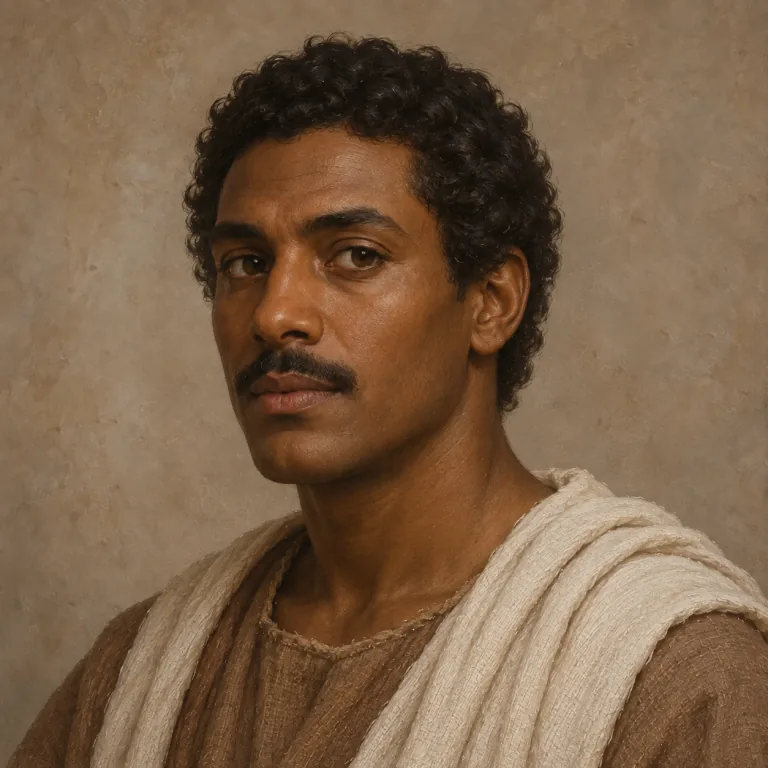
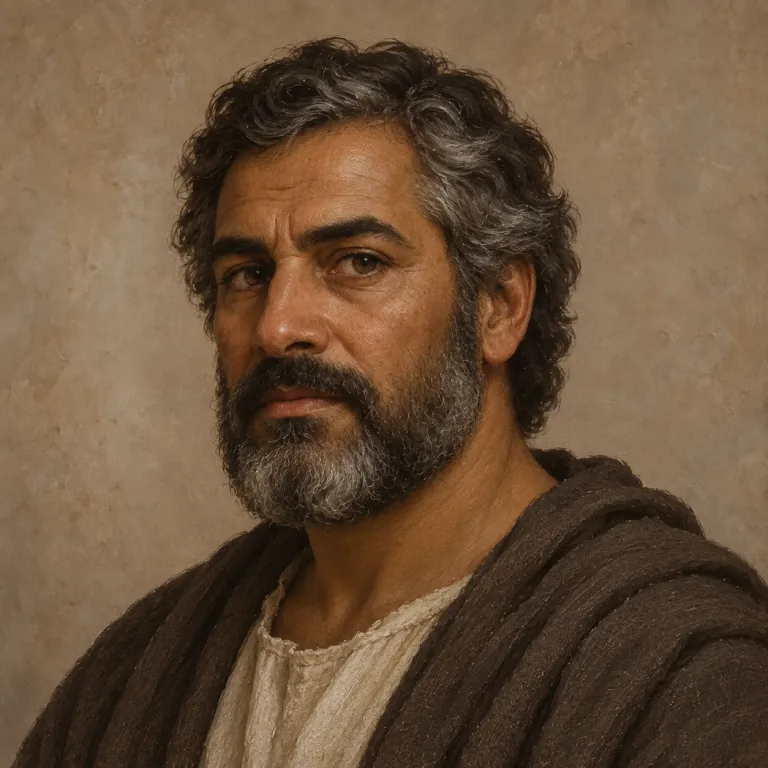
Portrait: an AI-generated artistic interpretation, not evidence of how Uriah looked.
Who Uriah is
Uriah is Bathsheba's husband and a soldier serving under Joab. David summons him from the siege after Bathsheba reports her pregnancy and tries to send him home. Uriah refuses to enjoy his household while the ark and his fellow soldiers remain in temporary quarters and open fields. David then sends Joab a letter ordering Uriah exposed to the hardest fighting and abandoned there. Uriah carries the letter himself and dies in the battle, along with other servants of David.
Cited passages: 2 Samuel 11:3, 2 Samuel 11:4, 2 Samuel 11:5, 2 Samuel 11:6, 2 Samuel 11:7, 2 Samuel 11:8, 2 Samuel 11:9, 2 Samuel 11:10, 2 Samuel 11:11, 2 Samuel 11:12, 2 Samuel 11:13, 2 Samuel 11:14, 2 Samuel 11:15, 2 Samuel 11:16, 2 Samuel 11:17
Historical setting
The account calls Uriah a Hittite but does not narrate his childhood, conversion or earlier arrival in Israel. He appears by name in the list of David's mighty men. The text does not say he knows about Bathsheba's pregnancy or the letter's contents. Later 1 Kings singles out the matter of Uriah when evaluating David's rule. Matthew's genealogy refers to Solomon's mother as the wife of Uriah, retaining his name within its account of David's line.
Cited passages: 2 Samuel 11:3, 2 Samuel 11:4, 2 Samuel 11:5, 2 Samuel 11:6, 2 Samuel 11:7, 2 Samuel 11:8, 2 Samuel 11:9, 2 Samuel 11:10, 2 Samuel 11:11, 2 Samuel 11:12, 2 Samuel 11:13, 2 Samuel 11:14, 2 Samuel 11:15, 2 Samuel 23:39, 1 Kings 15:5, Matthew 1:6
How the story is told
Uriah's explanation for refusing to go home contrasts sharply with David's conduct in Jerusalem. The king's attempts through permission and drink fail to redirect him, and the letter turns royal authority into a deliberate plan for his death. Nathan later addresses David as responsible for killing Uriah with the Ammonites' sword. Uriah's battlefield death is therefore not presented merely as an ordinary accident of war.
Cited passages: 2 Samuel 11:8, 2 Samuel 11:9, 2 Samuel 11:10, 2 Samuel 11:11, 2 Samuel 11:12, 2 Samuel 11:13, 2 Samuel 11:14, 2 Samuel 11:15, 2 Samuel 11:16, 2 Samuel 11:17, 2 Samuel 11:25, 2 Samuel 11:26, 2 Samuel 11:27, 2 Samuel 12:7, 2 Samuel 12:8, 2 Samuel 12:9, 2 Samuel 12:10
Story moments
- Summoned from the army (2 Samuel 11:6). David asks Joab to send Uriah to him.
- A refusal grounded in solidarity (2 Samuel 11:11). Uriah explains why he will not go home while others remain in the field.
- The letter carried (2 Samuel 11:14). David sends the letter to Joab by Uriah's hand.
- A deliberate death order (2 Samuel 11:15). The letter directs that Uriah be exposed and left to die.
- Death in the fighting (2 Samuel 11:17). Uriah is killed with other servants when the city attacks.
- Responsibility named by Nathan (2 Samuel 12:9). Nathan charges David with killing Uriah through the Ammonites.
- Remembered among the warriors (2 Samuel 23:39). Uriah the Hittite is the final name in the chapter's warrior list.
Key passages
2 Samuel 11:3
And David sent and enquired after the woman. And one said, Is not this Bath-sheba, the daughter of Eliam, the wife of Uriah the Hittite?
2 Samuel 11:6
And David sent to Joab, saying, Send me Uriah the Hittite. And Joab sent Uriah to David.
2 Samuel 11:7
And when Uriah was come unto him, David demanded of him how Joab did, and how the people did, and how the war prospered.
2 Samuel 11:8
And David said to Uriah, Go down to thy house, and wash thy feet. And Uriah departed out of the king’s house, and there followed him a mess of meat from the king.
2 Samuel 11:9
But Uriah slept at the door of the king’s house with all the servants of his lord, and went not down to his house.
2 Samuel 11:10
And when they had told David, saying, Uriah went not down unto his house, David said unto Uriah, Camest thou not from thy journey? why then didst thou not go down unto thine house?
King James Version. 22 indexed passages in total.
For reflection
How does Uriah's stated concern for those still in the field expose the difference between his service and the way David uses his authority?
Books Uriah appears in
Related people

Names and references are adapted from STEPBible TIPNR. A person listed with a verse is named or indexed there; it does not mean they wrote or spoke it.