Person in the Old Testament
Bathsheba
Bathsheba: Uriah's wife and Solomon's mother
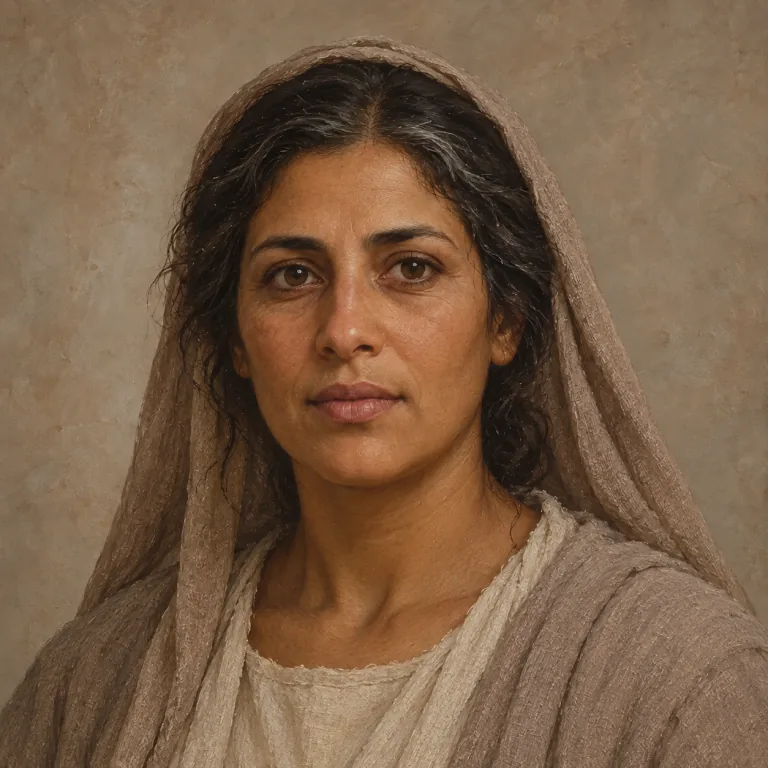
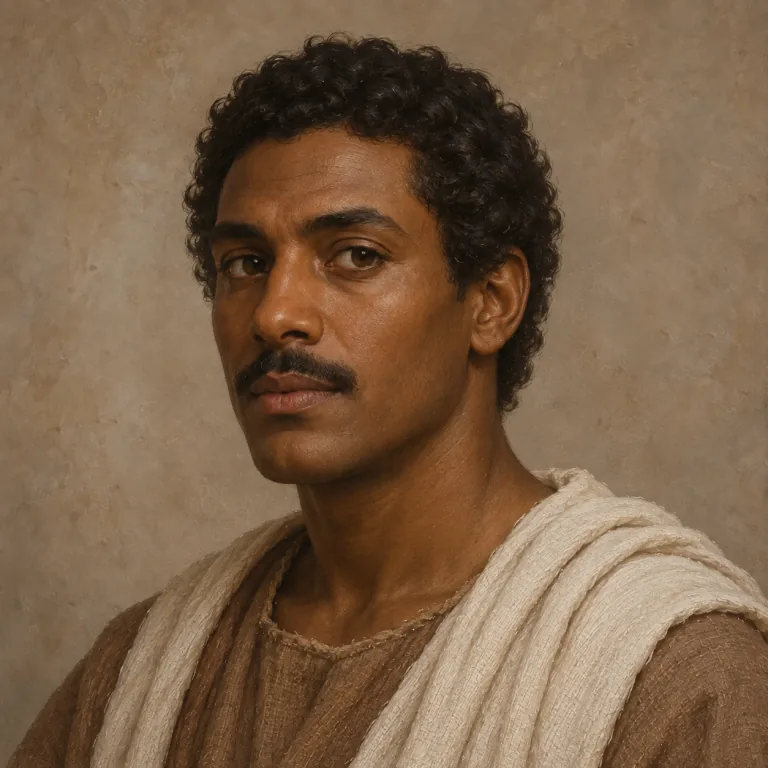
Portrait: an AI-generated artistic interpretation, not evidence of how Bathsheba looked.
Who Bathsheba is
Bathsheba is introduced as Eliam's daughter and Uriah's wife. David sees her bathing, summons her and lies with her; she later tells him she is pregnant. After David arranges Uriah's death, she mourns her husband and becomes David's wife. Their first child dies in the judgment announced by Nathan, and Solomon is born later. Near David's death, Bathsheba joins Nathan in pressing Solomon's claim to the throne. Under Solomon she brings Adonijah's request to marry Abishag before the king.
Cited passages: 2 Samuel 11:2, 2 Samuel 11:3, 2 Samuel 11:4, 2 Samuel 11:5, 2 Samuel 11:14, 2 Samuel 11:15, 2 Samuel 11:16, 2 Samuel 11:17, 2 Samuel 11:26, 2 Samuel 11:27, 2 Samuel 12:13, 2 Samuel 12:14, 2 Samuel 12:15, 2 Samuel 12:16, 2 Samuel 12:17, 2 Samuel 12:18, 2 Samuel 12:19, 2 Samuel 12:20, 2 Samuel 12:21, 2 Samuel 12:22, 2 Samuel 12:23, 2 Samuel 12:24, 1 Kings 1:11, 1 Kings 1:12, 1 Kings 1:13, 1 Kings 1:14, 1 Kings 1:15, 1 Kings 1:16, 1 Kings 1:17, 1 Kings 1:18, 1 Kings 1:19, 1 Kings 1:20, 1 Kings 1:21, 1 Kings 1:28, 1 Kings 1:29, 1 Kings 1:30, 1 Kings 1:31, 1 Kings 2:13, 1 Kings 2:14, 1 Kings 2:15, 1 Kings 2:16, 1 Kings 2:17, 1 Kings 2:18, 1 Kings 2:19, 1 Kings 2:20, 1 Kings 2:21, 1 Kings 2:22, 1 Kings 2:23, 1 Kings 2:24, 1 Kings 2:25
Historical setting
The narrative does not place Bathsheba's bath on a roof or describe her consent, intentions or inner response to David's summons. It identifies her first child separately from Solomon. In Chronicles the corresponding family notice uses Bath-shua and names her father Ammiel, while Samuel calls her Bathsheba daughter of Eliam. Solomon seats his mother at his right hand, yet rejects the request she conveys and treats Adonijah's marriage proposal as a claim to the kingdom; Bathsheba's own interpretation is not stated.
Cited passages: 2 Samuel 11:2, 2 Samuel 11:3, 2 Samuel 11:4, 2 Samuel 12:18, 2 Samuel 12:19, 2 Samuel 12:20, 2 Samuel 12:21, 2 Samuel 12:22, 2 Samuel 12:23, 2 Samuel 12:24, 1 Chronicles 3:5, 1 Kings 2:19, 1 Kings 2:20, 1 Kings 2:21, 1 Kings 2:22, 1 Kings 2:23, 1 Kings 2:24, 1 Kings 2:25
How the story is told
Bathsheba's first direct message is the short report of her pregnancy, followed later by narrated mourning. In the succession account she speaks at length, invoking David's promise and the danger facing her and Solomon if Adonijah prevails. Her position as the king's mother gives her access to Solomon but does not make her able to determine his answer. The separate scenes should not be joined by an invented account of her private motives.
Cited passages: 2 Samuel 11:5, 2 Samuel 11:26, 1 Kings 1:15, 1 Kings 1:16, 1 Kings 1:17, 1 Kings 1:18, 1 Kings 1:19, 1 Kings 1:20, 1 Kings 1:21, 1 Kings 2:19, 1 Kings 2:20, 1 Kings 2:21, 1 Kings 2:22, 1 Kings 2:23, 1 Kings 2:24, 1 Kings 2:25
Story moments
- Bathsheba identified (2 Samuel 11:3). David learns her name, parentage and marriage to Uriah.
- Her pregnancy reported (2 Samuel 11:5). Bathsheba sends David the news that she is pregnant.
- Uriah mourned (2 Samuel 11:26). She mourns when she hears of her husband's death.
- Solomon born later (2 Samuel 12:24). After the first child's death, Bathsheba bears Solomon.
- David's promise invoked (1 Kings 1:17). Bathsheba reminds David of his oath concerning Solomon's succession.
- A seat beside Solomon (1 Kings 2:19). Solomon receives his mother and seats her at his right hand.
- Adonijah's request conveyed (1 Kings 2:21). Bathsheba asks Solomon to allow Adonijah to marry Abishag.
Key passages
1 Chronicles 3:5
And these were born unto him in Jerusalem; Shimea, and Shobab, and Nathan, and Solomon, four, of Bath-shua the daughter of Ammiel:
King James Version. 12 indexed passages in total.
For reflection
How does attending to Bathsheba's own recorded speech and mourning change a reading that treats her only as part of David's or Solomon's story?
Books Bathsheba appears in
Related people
Names and references are adapted from STEPBible TIPNR. A person listed with a verse is named or indexed there; it does not mean they wrote or spoke it.