Person in the Old Testament
Nehemiah
Nehemiah: the cupbearer who rebuilt Jerusalem's wall and governed Judah
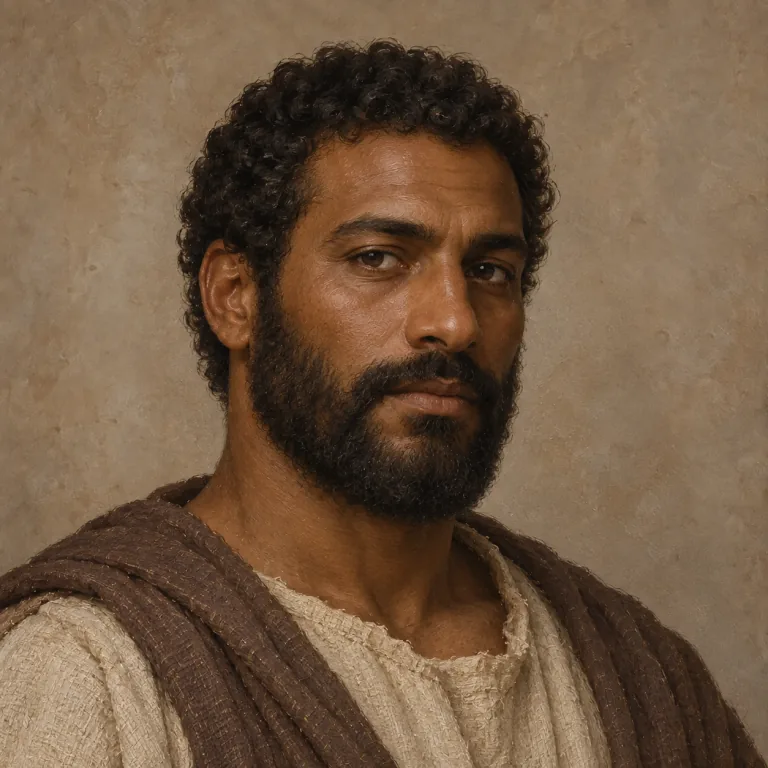
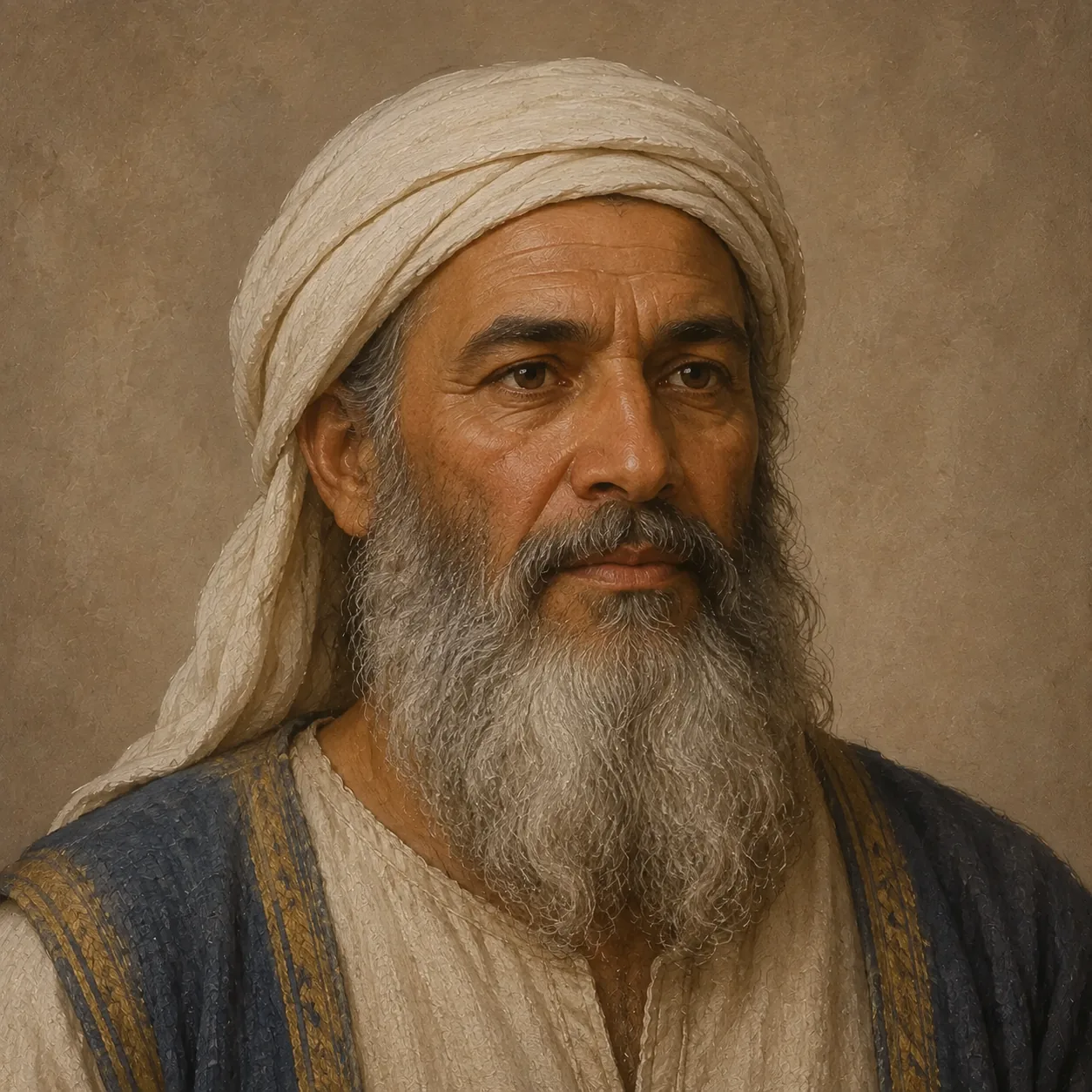
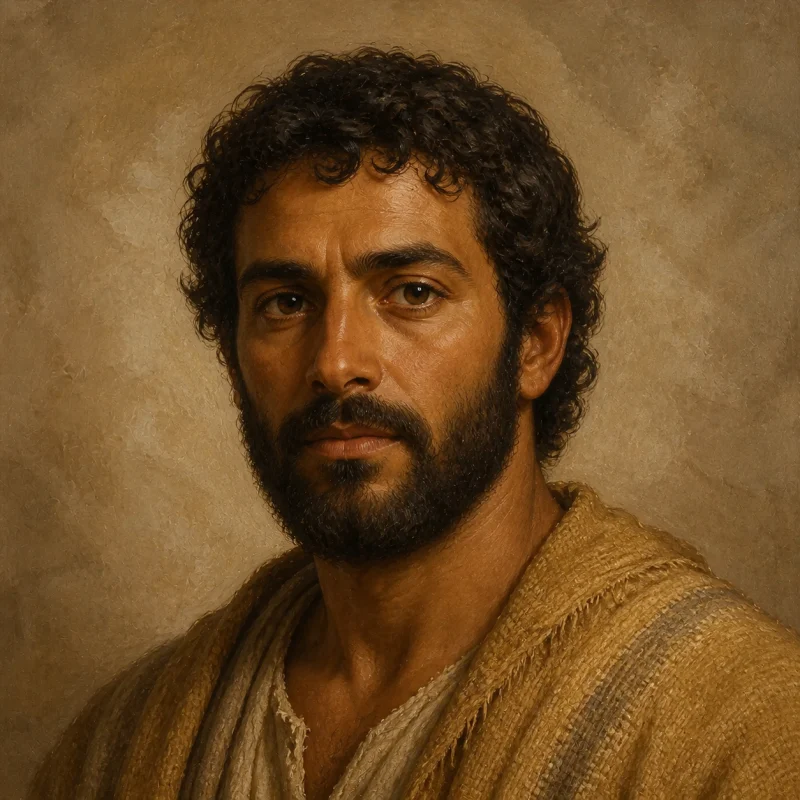
Portrait: an AI-generated artistic interpretation, not evidence of how Nehemiah looked.
Who Nehemiah is
The book opens as the words of Nehemiah the son of Hachaliah, cupbearer to the king at Shushan. Hearing from his brother Hanani that Jerusalem's wall is broken and its gates burned, he weeps, fasts and prays. In the month Nisan of the twentieth year of Artaxerxes the king notices his sadness and grants his request to go and build the city, with letters and timber. He rides the ruins by night, calls the Jews, priests, nobles and rulers to build, and answers the scorn of Sanballat, Tobiah and Geshem. He directs the work as mockery turns to conspiracy, arming the builders and stationing a trumpeter beside himself. He confronts nobles who have taken their brothers' lands and children for debt, and records that as governor for twelve years he refused the governor's bread. He refuses invitations to Ono, denies a letter accusing him of seeking to be king, and will not hide in the temple. The wall is finished in fifty-two days. He sets the gates under guard, finds the register of the first return, stands with Ezra at the reading of the law as the Tirshatha, seals the covenant first, brings the princes onto the wall for its dedication and follows one of the two companies. After returning to the king in the thirty-second year and coming back, he throws Tobiah out of a temple chamber, restores the Levites' portions, shuts the gates for the sabbath, and strikes and curses men who have married foreign wives, chasing away a grandson of the high priest. His words end with a plea that God remember him for good.
Cited passages: Nehemiah 1:1, Nehemiah 1:11, Nehemiah 1:3, Nehemiah 1:4, Nehemiah 2:1, Nehemiah 2:6, Nehemiah 2:13, Nehemiah 2:20, Nehemiah 4:18, Nehemiah 5:7, Nehemiah 5:14, Nehemiah 6:3, Nehemiah 6:8, Nehemiah 6:11, Nehemiah 6:15, Nehemiah 7:3, Nehemiah 7:5, Nehemiah 8:9, Nehemiah 10:1, Nehemiah 12:31, Nehemiah 12:38, Nehemiah 13:6, Nehemiah 13:8, Nehemiah 13:19, Nehemiah 13:25, Nehemiah 13:28, Nehemiah 13:31
Historical setting
Most of what is known about Nehemiah comes from his own first-person account, so his reading of his opponents' motives, his claim that Shemaiah was hired, and his defence of his conduct as governor are his statements rather than a narrator's verdict. Third-person passages name him as the Tirshatha at the reading of the law and as the first sealer of the covenant, and Nehemiah 12 calls him the governor alongside Ezra the priest. Two other men of the same name appear and are not the cupbearer: a Nehemiah among the leaders who came with Zerubbabel long before, in the register of Ezra 2 and Nehemiah 7, and Nehemiah the son of Azbuk who repaired a section of the wall. His father is Hachaliah, his brother Hanani; nothing is said of his tribe, wife, children, age or death. The king is Artaxerxes, called king of Babylon in chapter 13 and simply the king elsewhere. His governorship runs from the twentieth to the thirty-second year; the length of his absence after that is given only as certain days. The book does not say how Nehemiah and Ezra came to be in Jerusalem together, and the two men share a scene only in chapters 8 and 12. Nehemiah reports striking men and pulling their hair, and the text records it without comment.
Cited passages: Nehemiah 6:12, Nehemiah 5:19, Nehemiah 8:9, Nehemiah 10:1, Nehemiah 12:26, Nehemiah 7:7, Ezra 2:2, Nehemiah 3:16, Nehemiah 7:2, Nehemiah 13:6, Nehemiah 5:14, Nehemiah 12:36, Nehemiah 13:25
How the story is told
Nehemiah's account is shaped by short prayers that interrupt the action, a silent prayer before answering the king, a curse on mockers, a plea for strong hands, and the repeated remember me that closes the book. He is presented as a man who inspects before he speaks, tells no one his plan until he has seen the ruins, and answers every invitation with the same refusal. The story sets him against three named enemies whose tactics escalate from scorn to conspiracy to rumour and a hired prophet, and it lets him interpret each move himself. Inside the community he rebukes nobles who take usury, and in the last chapter the same verb, contended, is used for rulers who neglect the Levites, nobles who profane the sabbath, and men who marry foreign wives. The book does not end on the finished wall but on his return to find the covenant broken, so his final scenes are of correction rather than triumph, and the last word is a request that his deeds be remembered rather than a claim that they succeeded.
Cited passages: Nehemiah 2:4, Nehemiah 4:4, Nehemiah 6:9, Nehemiah 13:14, Nehemiah 2:12, Nehemiah 6:4, Nehemiah 6:13, Nehemiah 5:7, Nehemiah 13:11, Nehemiah 13:17, Nehemiah 13:25, Nehemiah 13:31
Story moments
- News at Shushan (Nehemiah 1:4). Nehemiah weeps, fasts and prays on hearing of Jerusalem's broken wall.
- Leave from the king (Nehemiah 2:6). Artaxerxes agrees to send him, and Nehemiah sets a time for his return.
- Riding the ruins by night (Nehemiah 2:13). He inspects the broken walls and burned gates before telling anyone his plan.
- Builders armed (Nehemiah 4:18). Every builder works with a sword at his side and a trumpeter stays by Nehemiah.
- Governor without the governor's bread (Nehemiah 5:14). Over twelve years he declines the allowance because the people's burden is heavy.
- Refusing to flee (Nehemiah 6:11). He will not hide in the temple when a hired prophet warns of assassins.
- Cleansing on his return (Nehemiah 13:8). Back from the king, he throws Tobiah's goods out of the temple chamber.
Key passages
Nehemiah 1:1
The words of Nehemiah the son of Hachaliah. And it came to pass in the month Chisleu, in the twentieth year, as I was in Shushan the palace,
Nehemiah 8:9
And Nehemiah, which is the Tirshatha, and Ezra the priest the scribe, and the Levites that taught the people, said unto all the people, This day is holy unto the Lord your God; mourn not, nor weep. For all the people wept, when they heard the words of the law.
Nehemiah 10:1
Now those that sealed were, Nehemiah, the Tirshatha, the son of Hachaliah, and Zidkijah,
Nehemiah 12:26
These were in the days of Joiakim the son of Jeshua, the son of Jozadak, and in the days of Nehemiah the governor, and of Ezra the priest, the scribe.
Nehemiah 12:47
And all Israel in the days of Zerubbabel, and in the days of Nehemiah, gave the portions of the singers and the porters, every day his portion: and they sanctified holy things unto the Levites; and the Levites sanctified them unto the children of Aaron.
King James Version. 5 indexed passages in total.
For reflection
Nehemiah tells his own story and repeatedly asks God to remember him. Where does the text let a reader see him from outside his own account, and how does that change the picture?
Books Nehemiah appears in
Related people
Names and references are adapted from STEPBible TIPNR. A person listed with a verse is named or indexed there; it does not mean they wrote or spoke it.