The Histories · Old Testament
Nehemiah 13
Nehemiah 13: Nehemiah's return and his reforms of temple, sabbath and marriage
General context
When the book of Moses is read, the people find that no Ammonite or Moabite may enter the congregation, and they separate all the mixed multitude. The narrator then explains that before this, Eliashib the priest, in charge of the temple chambers and allied to Tobiah, had prepared Tobiah a great chamber where offerings, vessels and the tithes used to be kept. Nehemiah, away with the king since the thirty-second year of Artaxerxes, returns, learns of the chamber, throws out Tobiah's household goods, has the chambers cleansed and restores the vessels and offerings. He finds the Levites' portions unpaid and the Levites and singers fled to their fields, asks the rulers why the house of God is forsaken, gathers them back, sees Judah bring tithes, appoints treasurers and asks God to remember his good deeds. He then sees sabbath work and Tyrians selling fish in Jerusalem on the sabbath, rebukes the nobles for profaning it as their fathers did, orders the gates shut from dusk before the sabbath, warns the merchants lodging outside that he will lay hands on them, and sets Levites to guard the gates, again asking God to remember and spare him. He then sees Jews married to women of Ashdod, Ammon and Moab, whose children speak half in the speech of Ashdod; he contends with them, curses them, strikes some, pulls out their hair, and makes them swear not to intermarry, citing Solomon's sin. He drives away a grandson of Eliashib the high priest who is Sanballat's son-in-law and asks God to remember those who defiled the priesthood. He closes by asking God to remember him for good.
Cited passages: Nehemiah 13:1, Nehemiah 13:2, Nehemiah 13:3, Nehemiah 13:4, Nehemiah 13:5, Nehemiah 13:6, Nehemiah 13:8, Nehemiah 13:9, Nehemiah 13:10, Nehemiah 13:11, Nehemiah 13:13, Nehemiah 13:14, Nehemiah 13:15, Nehemiah 13:16, Nehemiah 13:18, Nehemiah 13:19, Nehemiah 13:21, Nehemiah 13:22, Nehemiah 13:23, Nehemiah 13:24, Nehemiah 13:25, Nehemiah 13:26, Nehemiah 13:28, Nehemiah 13:29, Nehemiah 13:30, Nehemiah 13:31
Nehemiah 13 (KJV)
1On that day they read in the book of Moses in the audience of the people; and therein was found written, that the Ammonite and the Moabite should not come into the congregation of God for ever;
2Because they met not the children of Israel with bread and with water, but hired Balaam against them, that he should curse them: howbeit our God turned the curse into a blessing.
3Now it came to pass, when they had heard the law, that they separated from Israel all the mixed multitude.
4And before this, Eliashib the priest, having the oversight of the chamber of the house of our God, was allied unto Tobiah:
5And he had prepared for him a great chamber, where aforetime they laid the meat offerings, the frankincense, and the vessels, and the tithes of the corn, the new wine, and the oil, which was commanded to be given to the Levites, and the singers, and the porters; and the offerings of the priests.
6But in all this time was not I at Jerusalem: for in the two and thirtieth year of Artaxerxes king of Babylon came I unto the king, and after certain days obtained I leave of the king:
7And I came to Jerusalem, and understood of the evil that Eliashib did for Tobiah, in preparing him a chamber in the courts of the house of God.
8And it grieved me sore: therefore I cast forth all the household stuff of Tobiah out of the chamber.
9Then I commanded, and they cleansed the chambers: and thither brought I again the vessels of the house of God, with the meat offering and the frankincense.
10And I perceived that the portions of the Levites had not been given them: for the Levites and the singers, that did the work, were fled every one to his field.
11Then contended I with the rulers, and said, Why is the house of God forsaken? And I gathered them together, and set them in their place.
12Then brought all Judah the tithe of the corn and the new wine and the oil unto the treasuries.
13And I made treasurers over the treasuries, Shelemiah the priest, and Zadok the scribe, and of the Levites, Pedaiah: and next to them was Hanan the son of Zaccur, the son of Mattaniah: for they were counted faithful, and their office was to distribute unto their brethren.
14Remember me, O my God, concerning this, and wipe not out my good deeds that I have done for the house of my God, and for the offices thereof.
15In those days saw I in Judah some treading wine presses on the sabbath, and bringing in sheaves, and lading asses; as also wine, grapes, and figs, and all manner of burdens, which they brought into Jerusalem on the sabbath day: and I testified against them in the day wherein they sold victuals.
16There dwelt men of Tyre also therein, which brought fish, and all manner of ware, and sold on the sabbath unto the children of Judah, and in Jerusalem.
17Then I contended with the nobles of Judah, and said unto them, What evil thing is this that ye do, and profane the sabbath day?
18Did not your fathers thus, and did not our God bring all this evil upon us, and upon this city? yet ye bring more wrath upon Israel by profaning the sabbath.
19And it came to pass, that when the gates of Jerusalem began to be dark before the sabbath, I commanded that the gates should be shut, and charged that they should not be opened till after the sabbath: and some of my servants set I at the gates, that there should no burden be brought in on the sabbath day.
20So the merchants and sellers of all kind of ware lodged without Jerusalem once or twice.
21Then I testified against them, and said unto them, Why lodge ye about the wall? if ye do so again, I will lay hands on you. From that time forth came they no more on the sabbath.
22And I commanded the Levites that they should cleanse themselves, and that they should come and keep the gates, to sanctify the sabbath day. Remember me, O my God, concerning this also, and spare me according to the greatness of thy mercy.
23In those days also saw I Jews that had married wives of Ashdod, of Ammon, and of Moab:
24And their children spake half in the speech of Ashdod, and could not speak in the Jews’ language, but according to the language of each people.
25And I contended with them, and cursed them, and smote certain of them, and plucked off their hair, and made them swear by God, saying, Ye shall not give your daughters unto their sons, nor take their daughters unto your sons, or for yourselves.
26Did not Solomon king of Israel sin by these things? yet among many nations was there no king like him, who was beloved of his God, and God made him king over all Israel: nevertheless even him did outlandish women cause to sin.
27Shall we then hearken unto you to do all this great evil, to transgress against our God in marrying strange wives?
28And one of the sons of Joiada, the son of Eliashib the high priest, was son in law to Sanballat the Horonite: therefore I chased him from me.
29Remember them, O my God, because they have defiled the priesthood, and the covenant of the priesthood, and of the Levites.
30Thus cleansed I them from all strangers, and appointed the wards of the priests and the Levites, every one in his business;
31And for the wood offering, at times appointed, and for the firstfruits. Remember me, O my God, for good.
This page shows the King James Version. In the app, reading opens in the Berean Standard Bible unless you have chosen another translation. The reader includes five translations: the Berean Standard Bible (BSB), the King James Version (KJV), the World English Bible (WEB), the Bible in Basic English (BBE), and the American Standard Version (ASV). Search covers three of them: Berean Standard, King James, and World English. Basic English and American Standard readers search the King James words.
Historical context
The chapter opens with on that day, which it does not tie to any earlier date, and then steps back with before this to Nehemiah's absence. Artaxerxes is here called king of Babylon, where chapter 2 called him the king and Ezra called him king of Persia; the text does not explain the title. Nehemiah's absence began in the thirty-second year and lasted certain days, an unspecified length. Eliashib in verse 4 is the priest having the oversight of the chamber, and Eliashib in verse 28 is the high priest whose grandson married Sanballat's daughter; the text does not state whether they are one man. Tobiah's chamber is inside the courts of the house of God, and the narrator gives the alliance as the reason. The abuses reported, mixed marriage, sabbath trading, unpaid tithes and the wood offering, match the pledges of chapter 10 point by point, though this chapter never mentions that covenant. Nehemiah's striking of men and pulling of their hair is his own report and is stated without softening; Ezra had pulled out his own hair in Ezra 9. Solomon's sin through foreign wives is cited by Nehemiah as an example; the chapter's only other appeal to written law is the reading about Ammonite and Moabite in its opening verses. Four times Nehemiah asks God to remember, three times for himself and once against the offenders, and the book ends on the fourth. Nothing is said about how long the reforms held.
Cited passages: Nehemiah 13:1, Nehemiah 13:4, Nehemiah 13:6, Ezra 7:1, Nehemiah 13:28, Nehemiah 13:7, Nehemiah 10:31, Nehemiah 10:34, Nehemiah 13:31, Nehemiah 13:25, Ezra 9:3, Nehemiah 13:26, Nehemiah 13:14, Nehemiah 13:29
Literary context
The chapter is a series of confrontations, each introduced by Nehemiah seeing or learning something, and punctuated by prayers that God remember. The pattern repeats: a wrong is found, Nehemiah contends with the responsible party, he acts by force or command, and he records the result. The verbs are physical throughout: cast forth, cleansed, shut, smote, plucked, chased. Each reform answers something earlier in the book, the chamber for Tobiah against the enemy of chapters 2 to 6, the fled Levites against the appointments of chapter 12, the sabbath and marriages against the covenant of chapter 10, so the book ends by showing its own achievements under strain. The opening reading of the law and the exclusion of Ammonite and Moabite set the tone of separation that runs through the chapter. Unlike the dedication in chapter 12, there is no crowd and no joy; Nehemiah acts largely alone, and the final line is not a summary of success but a request that God remember him for good.
Cited passages: Nehemiah 13:7, Nehemiah 13:10, Nehemiah 13:15, Nehemiah 13:23, Nehemiah 13:11, Nehemiah 13:17, Nehemiah 13:8, Nehemiah 13:28, Nehemiah 12:44, Nehemiah 10:30, Nehemiah 13:3, Nehemiah 13:22, Nehemiah 13:31
Key moments
- Ammonite and Moabite excluded (Nehemiah 13:1). The reading of Moses leads the people to separate the mixed multitude.
- Tobiah's chamber emptied (Nehemiah 13:8). Nehemiah throws Tobiah's goods out of the temple chamber Eliashib gave him.
- Why is the house forsaken? (Nehemiah 13:11). Finding the Levites fled to their fields, Nehemiah confronts the rulers.
- Gates shut for the sabbath (Nehemiah 13:19). Nehemiah orders the gates closed from dusk before the sabbath and posts guards.
- Children who cannot speak the language (Nehemiah 13:24). Nehemiah sees children of mixed marriages speaking half in the speech of Ashdod.
- Struck and sworn (Nehemiah 13:25). Nehemiah curses, strikes and pulls the hair of some men and makes them swear.
- Remember me for good (Nehemiah 13:31). The book closes with Nehemiah's appeal that God remember him.
For reflection
The book ends not with the finished wall or the sealed covenant but with Nehemiah returning to find each of them undone and asking God to remember him. What does that ending suggest about how the text wants his work to be judged?
People in this chapter
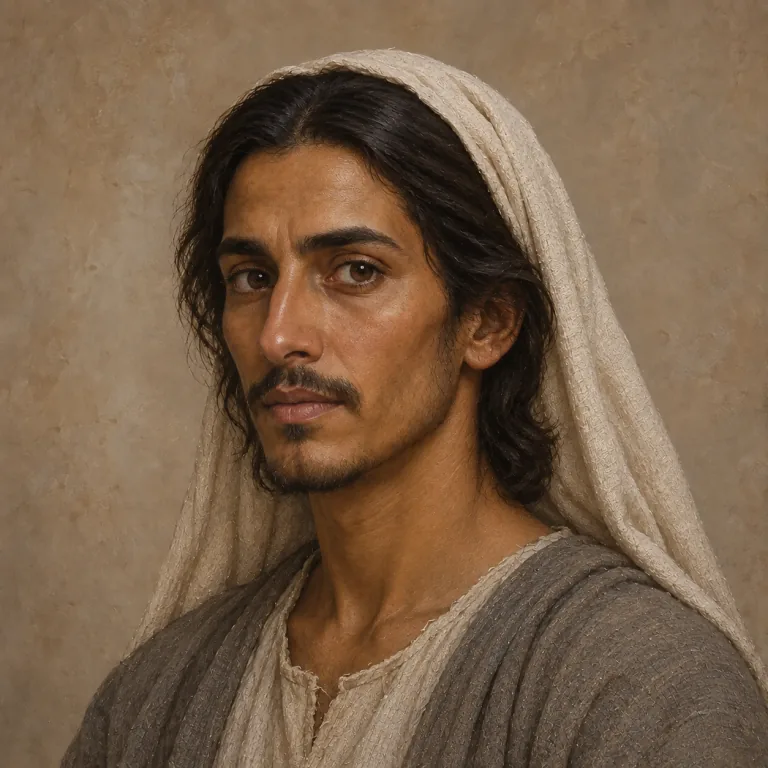
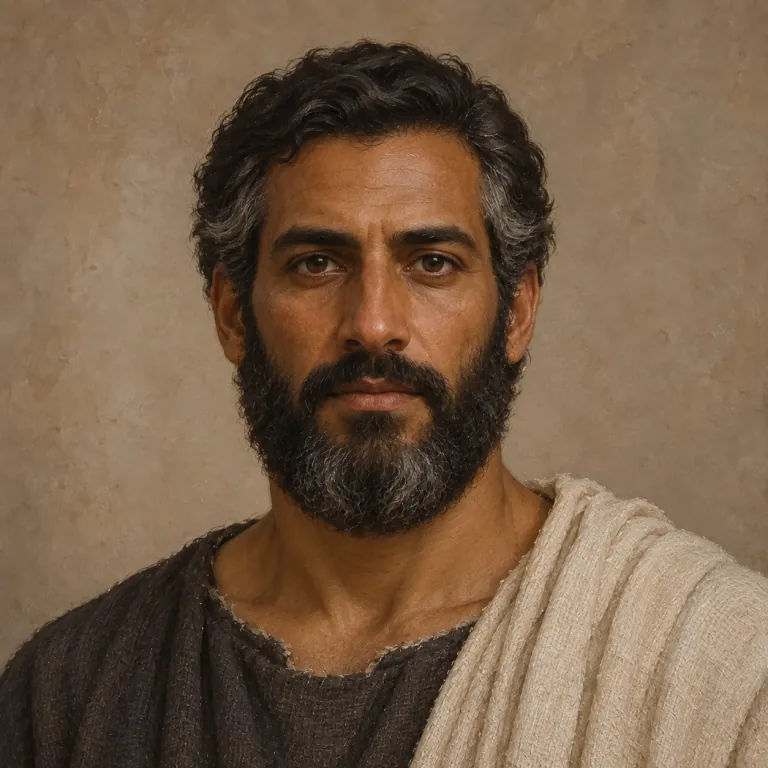
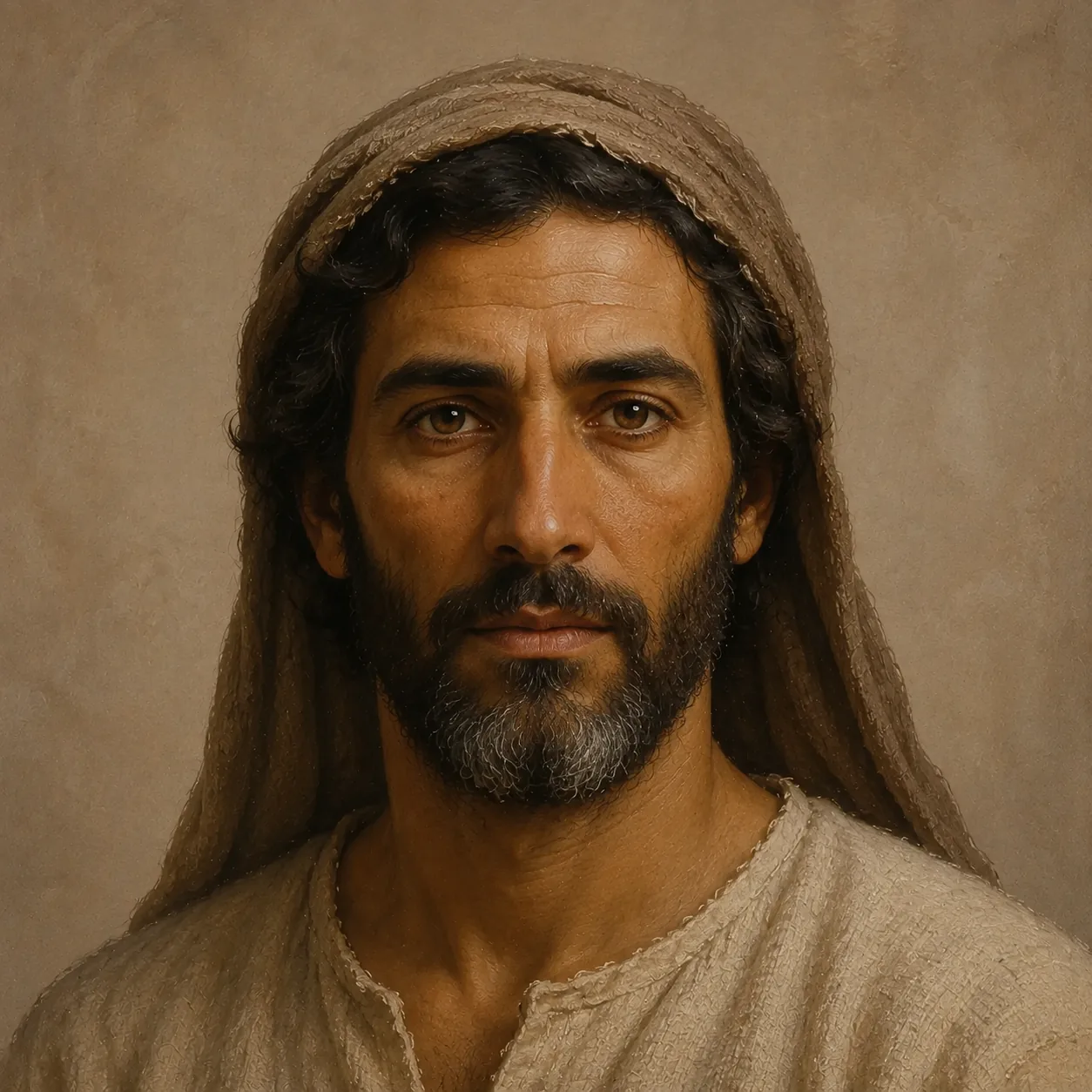
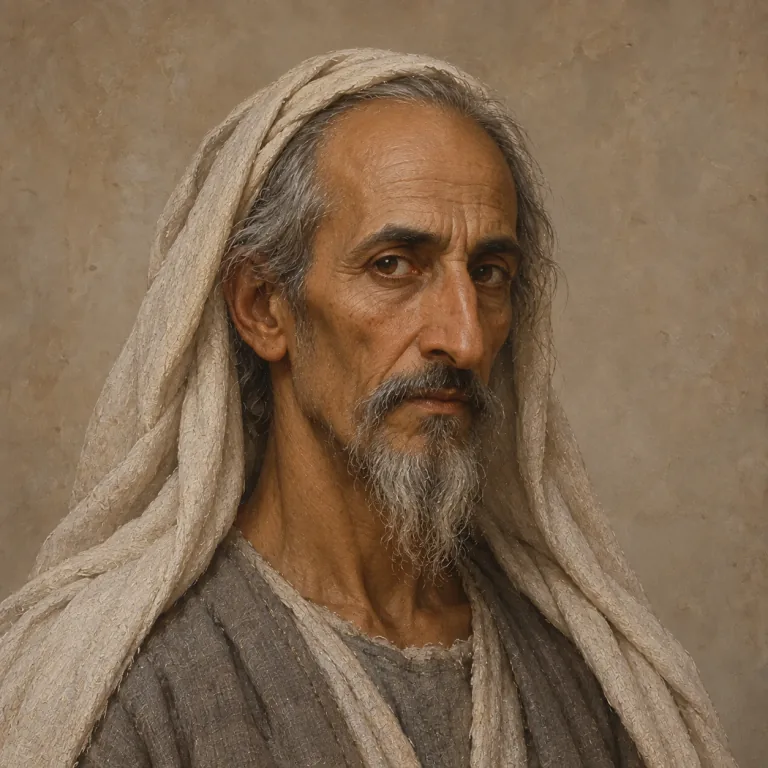
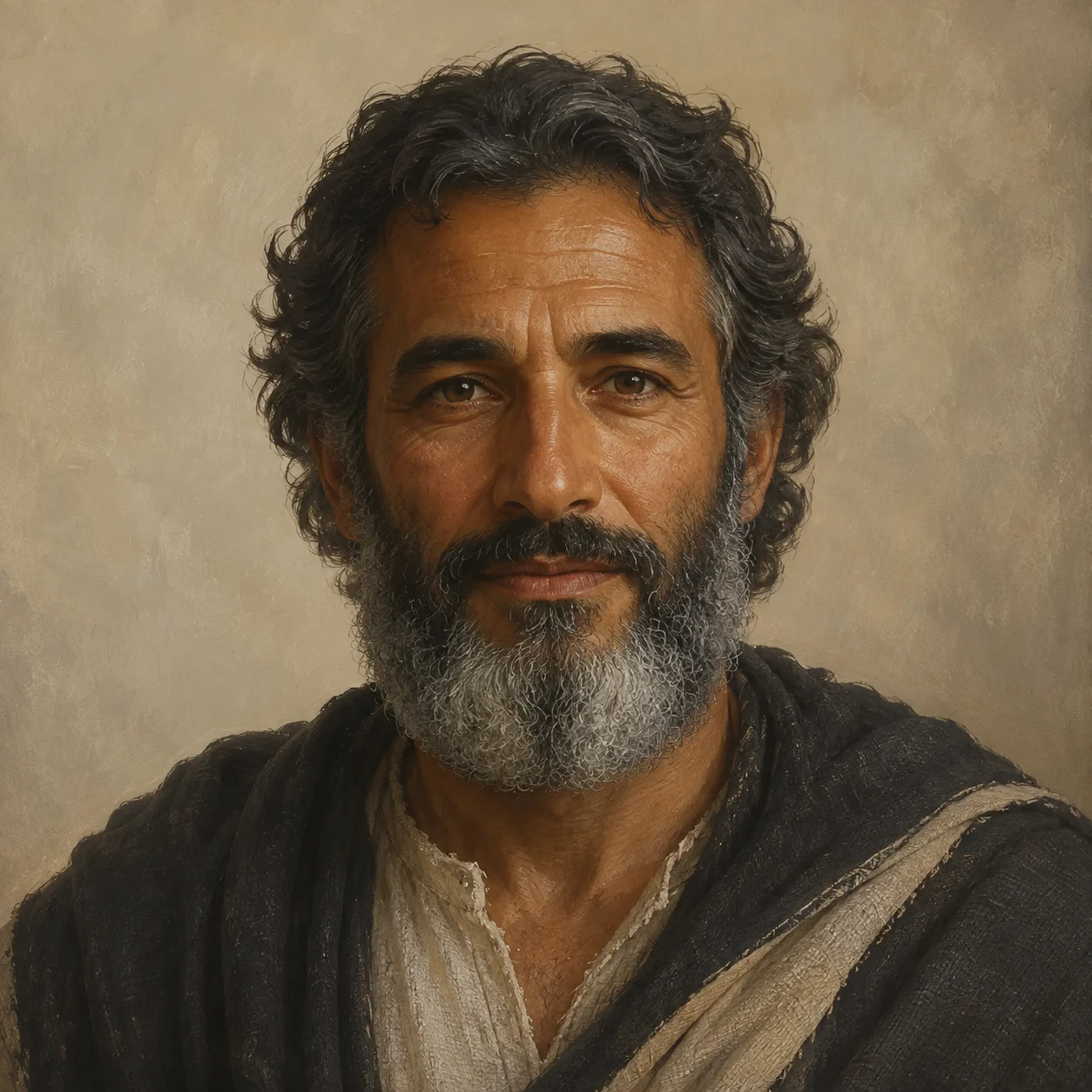
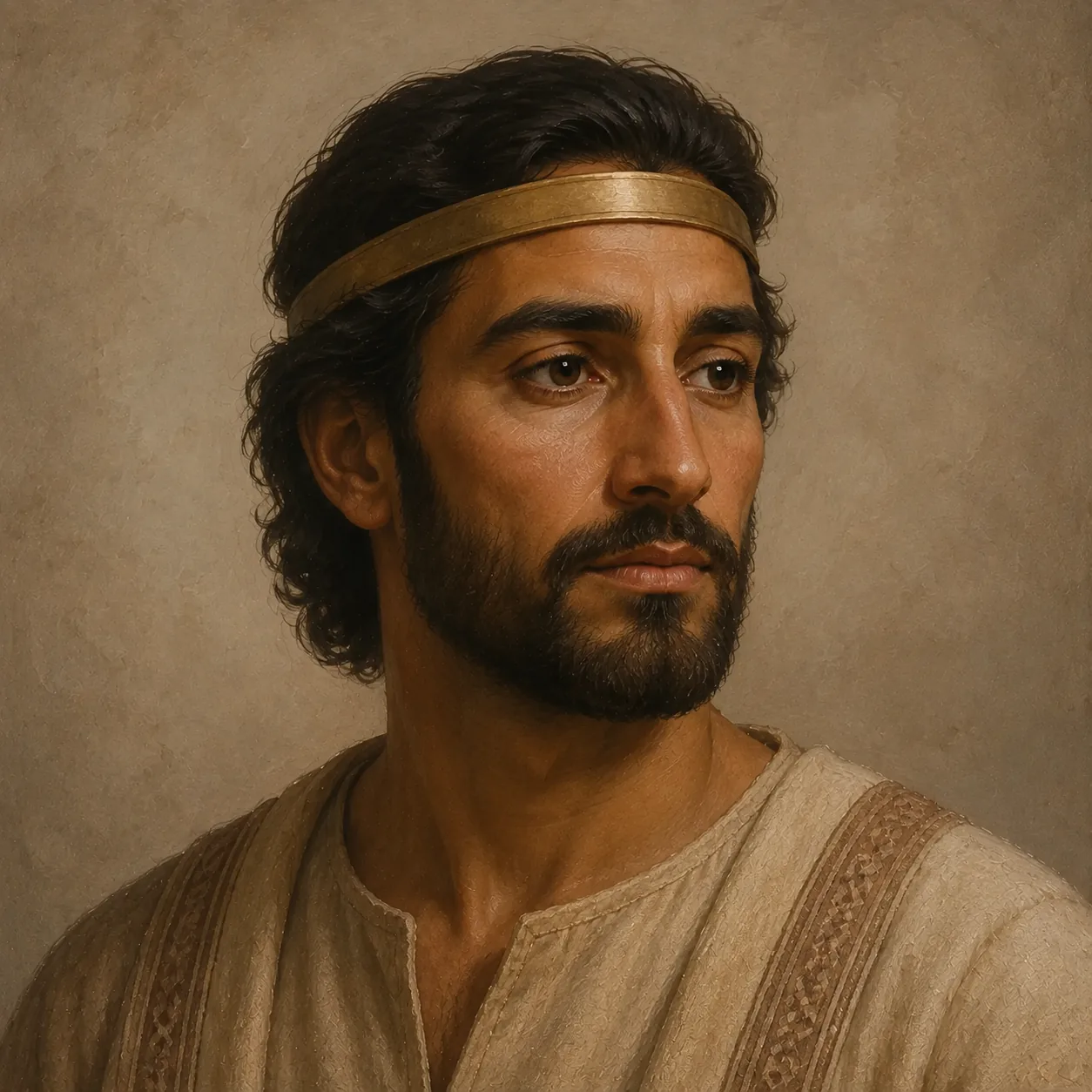
Also indexed here:
- Tobiah
- Eliashib
- Artaxerxes
- Daughter of Sanballat
- Eliashib
- Hanan
- Joiada
- Mattaniah
- Pedaiah
- Sanballat
- Shelemiah
- Son of Joiada
- Zaccur
- Zadok