The Histories · Old Testament
Nehemiah 1
Nehemiah 1: news from Jerusalem and Nehemiah's prayer in Shushan
General context
The book opens as the words of Nehemiah the son of Hachaliah. In the month Chisleu of the twentieth year, in Shushan the palace, Hanani, one of his brethren, arrives with men of Judah, and Nehemiah asks about the Jews who escaped the captivity and about Jerusalem. They tell him the remnant in the province is in great affliction and reproach, the wall of Jerusalem is broken down and its gates are burned with fire. Nehemiah sits down, weeps, mourns for days, fasts and prays before the God of heaven. His prayer addresses the great and terrible God who keeps covenant and mercy for those who love him, and asks that God's ear and eyes be open to a prayer made day and night for the children of Israel. He confesses that Israel, including himself and his father's house, has sinned and failed to keep the commandments, statutes and judgments given through Moses. He asks God to remember the word commanded to Moses: that transgression would bring scattering among the nations, but that turning and keeping the commandments would bring gathering even from the uttermost part of heaven to the place God chose for his name. He calls the people God's servants redeemed by his great power and strong hand, asks again for an attentive ear, and asks that God prosper his servant that day and grant him mercy in the sight of this man. The chapter ends with the explanation that Nehemiah was the king's cupbearer.
Cited passages: Nehemiah 1:1, Nehemiah 1:2, Nehemiah 1:3, Nehemiah 1:4, Nehemiah 1:5, Nehemiah 1:6, Nehemiah 1:7, Nehemiah 1:8, Nehemiah 1:9, Nehemiah 1:10, Nehemiah 1:11
Nehemiah 1 (KJV)
1The words of Nehemiah the son of Hachaliah. And it came to pass in the month Chisleu, in the twentieth year, as I was in Shushan the palace,
2That Hanani, one of my brethren, came, he and certain men of Judah; and I asked them concerning the Jews that had escaped, which were left of the captivity, and concerning Jerusalem.
3And they said unto me, The remnant that are left of the captivity there in the province are in great affliction and reproach: the wall of Jerusalem also is broken down, and the gates thereof are burned with fire.
4And it came to pass, when I heard these words, that I sat down and wept, and mourned certain days, and fasted, and prayed before the God of heaven,
5And said, I beseech thee, O Lord God of heaven, the great and terrible God, that keepeth covenant and mercy for them that love him and observe his commandments:
6Let thine ear now be attentive, and thine eyes open, that thou mayest hear the prayer of thy servant, which I pray before thee now, day and night, for the children of Israel thy servants, and confess the sins of the children of Israel, which we have sinned against thee: both I and my father’s house have sinned.
7We have dealt very corruptly against thee, and have not kept the commandments, nor the statutes, nor the judgments, which thou commandedst thy servant Moses.
8Remember, I beseech thee, the word that thou commandedst thy servant Moses, saying, If ye transgress, I will scatter you abroad among the nations:
9But if ye turn unto me, and keep my commandments, and do them; though there were of you cast out unto the uttermost part of the heaven, yet will I gather them from thence, and will bring them unto the place that I have chosen to set my name there.
10Now these are thy servants and thy people, whom thou hast redeemed by thy great power, and by thy strong hand.
11O Lord, I beseech thee, let now thine ear be attentive to the prayer of thy servant, and to the prayer of thy servants, who desire to fear thy name: and prosper, I pray thee, thy servant this day, and grant him mercy in the sight of this man. For I was the king’s cupbearer.
This page shows the King James Version. In the app, reading opens in the Berean Standard Bible unless you have chosen another translation. The reader includes five translations: the Berean Standard Bible (BSB), the King James Version (KJV), the World English Bible (WEB), the Bible in Basic English (BBE), and the American Standard Version (ASV). Search covers three of them: Berean Standard, King James, and World English. Basic English and American Standard readers search the King James words.
Historical context
The chapter is told in the first person and is introduced as the words of Nehemiah, so everything in it, including the report from Judah, is his account. The twentieth year is given without a king's name; chapter 2 supplies the twentieth year of Artaxerxes the king. Chisleu here and Nisan in chapter 2 are both placed in the twentieth year, and the text does not explain how the two months fall in one year. Hanani is called one of my brethren; the text does not say whether that means a blood relative, and he reappears later in the book. The men from Judah describe the wall as broken down and the gates burned, but do not say when or by whom, and Nehemiah does not ask. The prayer paraphrases a word commanded to Moses about scattering and gathering without naming the passage. The identity of this man in the final request is not stated in the prayer; the closing sentence, that Nehemiah was the king's cupbearer, is the only clue, and the king's name waits for chapter 2. Nothing is said about Nehemiah's age, his family beyond his father's name, or how long he had served.
Cited passages: Nehemiah 1:1, Nehemiah 2:1, Nehemiah 1:2, Nehemiah 7:2, Nehemiah 1:3, Nehemiah 1:8, Nehemiah 1:11
Literary context
The chapter is built from a question, an answer, a reaction and a prayer, and the prayer takes up more than half of it. Nehemiah's question is general, about the Jews and about Jerusalem, and the answer narrows to two concrete facts, a broken wall and burned gates, which become the book's project. His reaction is described in four verbs, sat, wept, mourned, fasted, before the prayer begins. The prayer moves from God's character to confession to a reminder of God's own promise to a specific request, and the request is withheld until the last verse. The phrase thy servant recurs, applied to Moses, to Nehemiah and to the people, so that the one praying places himself in a line of servants. The closing note about the cupbearer is delayed so that the reader learns Nehemiah's position only after hearing his petition, and this man is left unnamed until chapter 2 opens with wine before the king.
Cited passages: Nehemiah 1:2, Nehemiah 1:3, Nehemiah 1:4, Nehemiah 1:5, Nehemiah 1:7, Nehemiah 1:11, Nehemiah 1:10, Nehemiah 2:1
Key moments
- Hanani brings news (Nehemiah 1:2). Nehemiah asks his brother and men of Judah about the remnant and Jerusalem.
- Broken wall, burned gates (Nehemiah 1:3). They report affliction and reproach, a ruined wall and gates consumed by fire.
- Weeping and fasting (Nehemiah 1:4). Nehemiah sits, weeps, mourns for days, fasts and prays.
- Confession for his house (Nehemiah 1:6). He confesses the sins of Israel, including himself and his father's house.
- God's word to Moses recalled (Nehemiah 1:9). He reminds God of the promise to gather those who turn back and keep the commandments.
- Mercy before this man (Nehemiah 1:11). He asks to prosper that day before the king, and reveals he is the cupbearer.
For reflection
Nehemiah hears of a broken wall far away and responds with days of weeping and fasting before asking anything of anyone. What in the report, as the text gives it, might have made the news land so hard on a man serving in the palace at Shushan?
People in this chapter
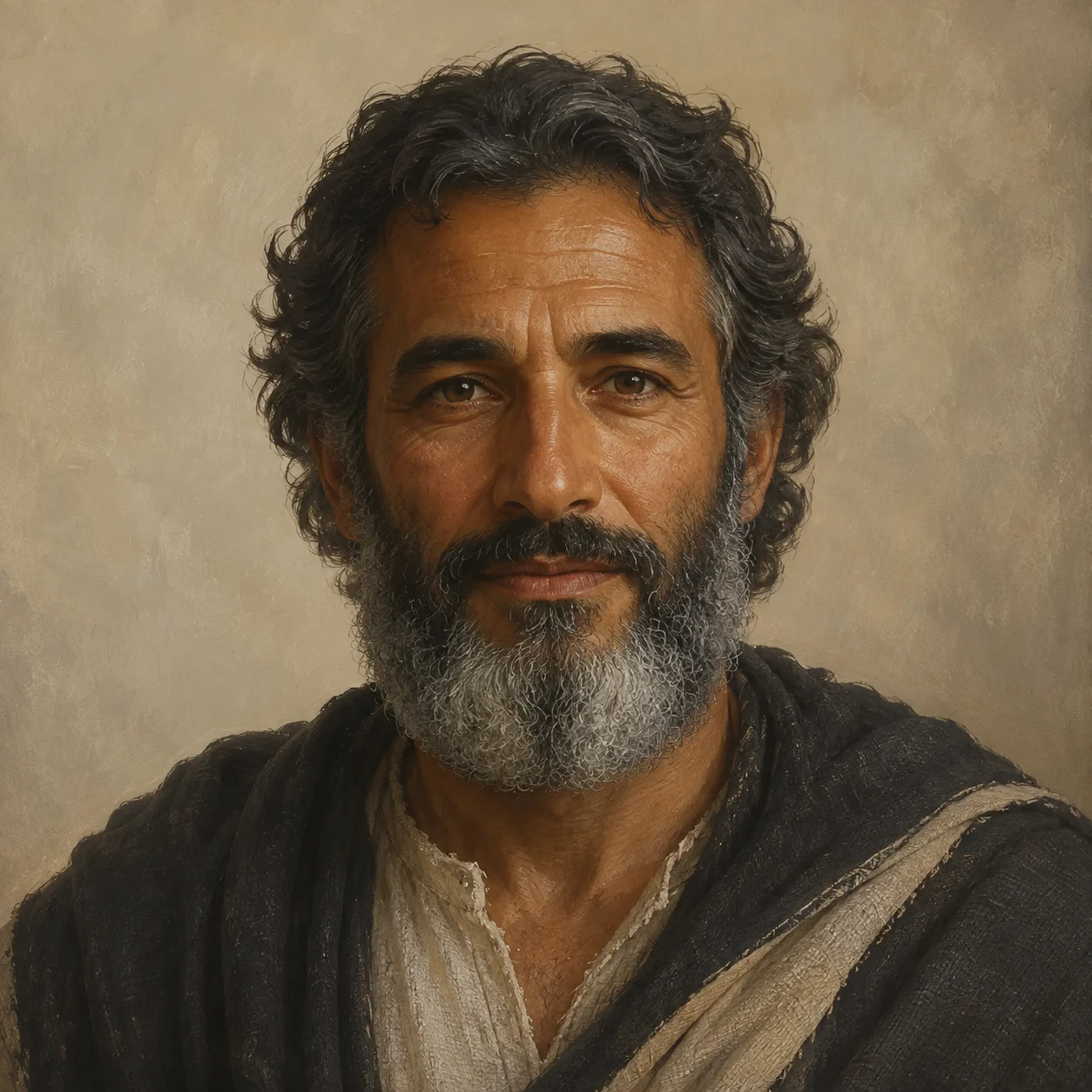
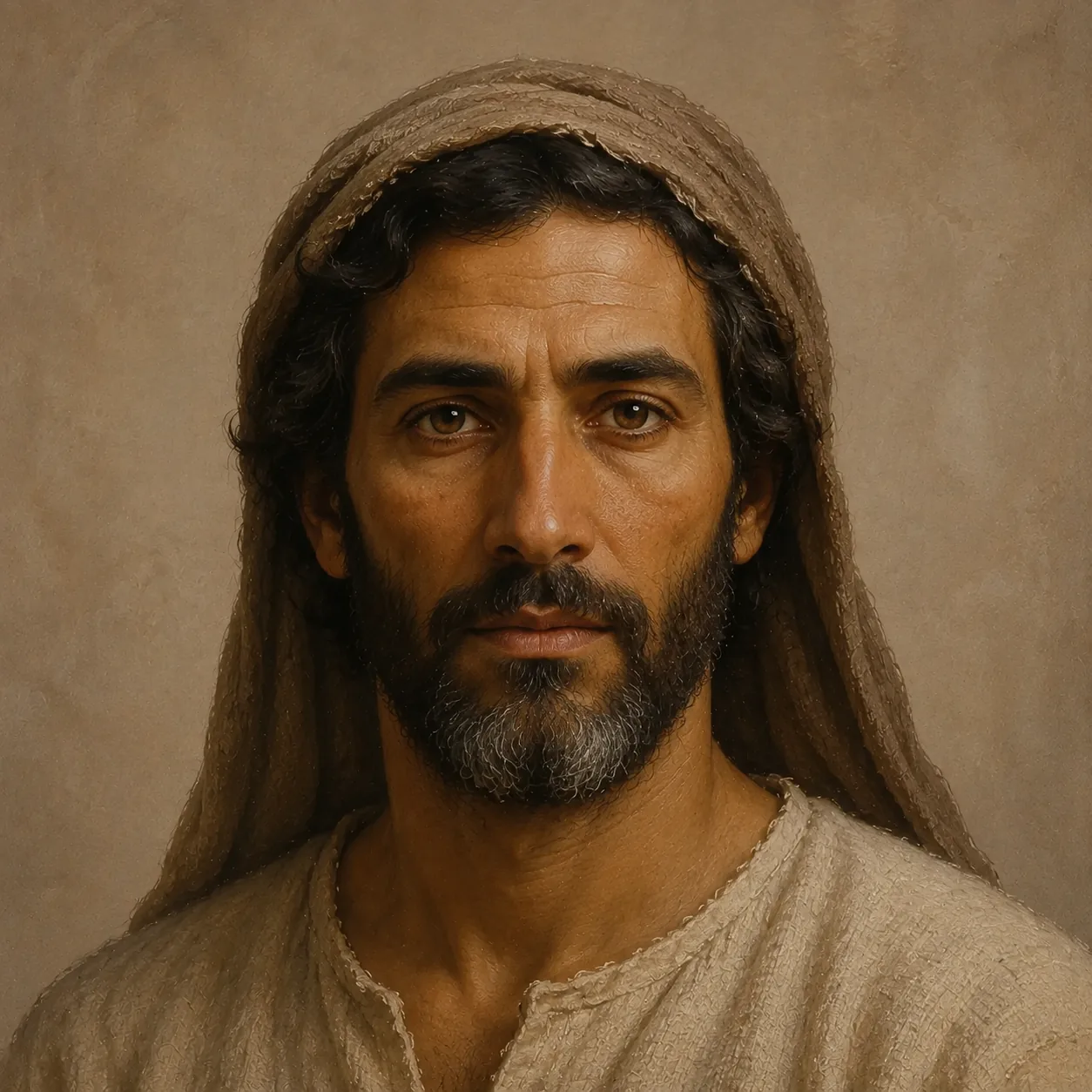
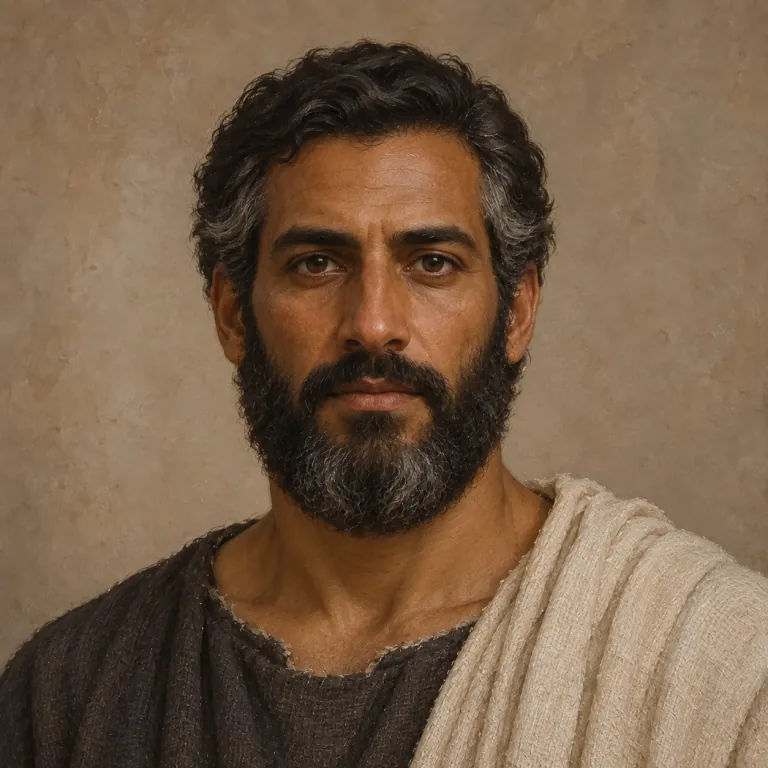
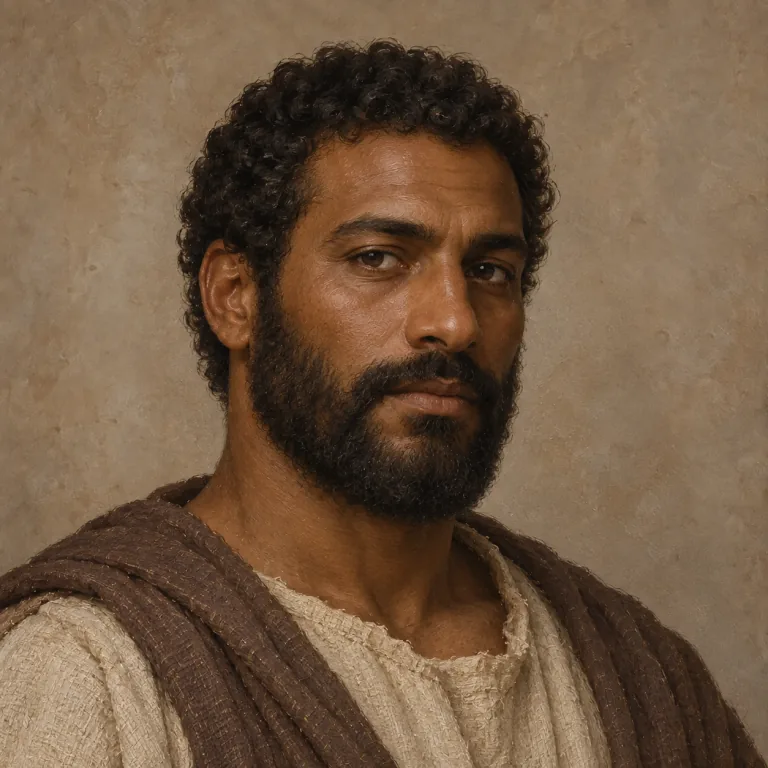
Also indexed here:
- Hacaliah
- Hanani