Person in the Old Testament
Mishael
Mishael: the companion of Daniel renamed Meshach and delivered from the fire
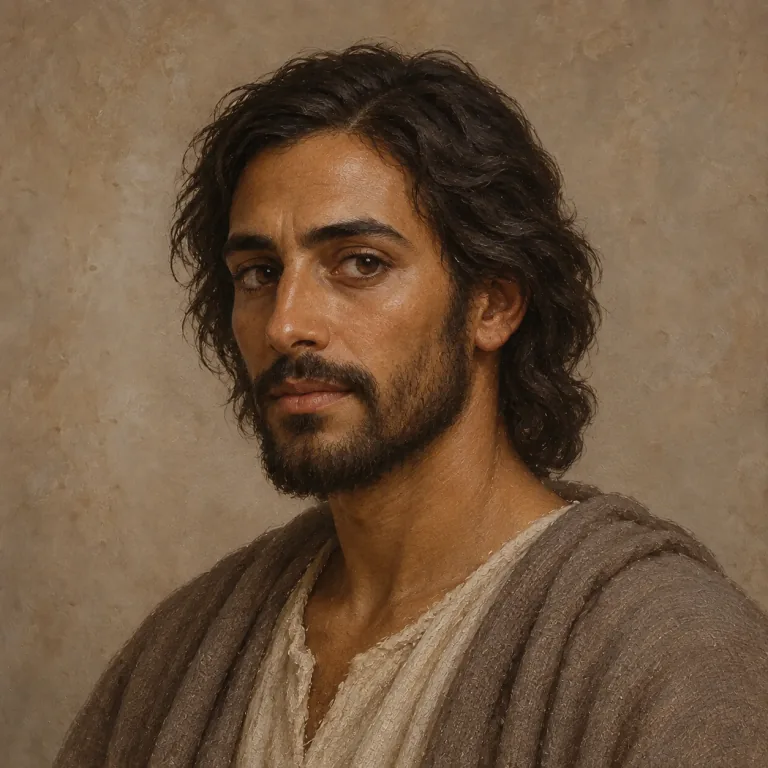
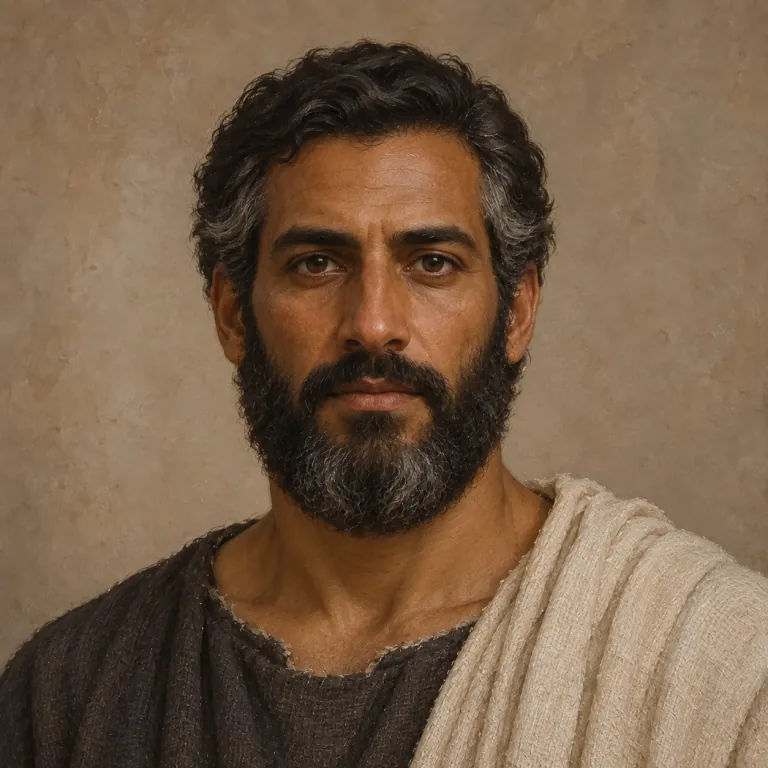
Portrait: an AI-generated artistic interpretation, not evidence of how Mishael looked.
Who Mishael is
Mishael is the third of the four children of Judah named in Daniel 1, between Hananiah and Azariah, chosen for the king's palace and taught the Chaldeans' learning. The prince of the eunuchs gives him the name Meshach. Melzar is set over him with the other three; he lives on pulse and water for ten days, and at the end the four are found ten times better than all the magicians and astrologers of the realm. When the decree goes out to slay the wise men, Daniel makes the matter known to Mishael and the others so that they will seek God's mercies, and the secret is revealed to Daniel that night. After Daniel's promotion, Nebuchadnezzar sets Shadrach, Meshach and Abed-nego over the affairs of the province of Babylon. That appointment is what the Chaldeans cite when they accuse the three of ignoring the king's decree about the golden image. Nebuchadnezzar in rage has them brought and questioned; they answer as one that their God is able to deliver them and that they will not worship the image either way. The furnace is heated seven times more, the men who carry them up are killed by the flame, and the three fall in bound. The king sees four men walking loose and calls Shadrach, Meshach and Abed-nego out; the gathered officials find no mark of fire on them. The king blesses their God, decrees against anyone who speaks amiss of him, and promotes them in the province.
Cited passages: Daniel 1:6, Daniel 1:4, Daniel 1:7, Daniel 1:11, Daniel 1:16, Daniel 1:20, Daniel 2:17, Daniel 2:19, Daniel 2:49, Daniel 3:12, Daniel 3:13, Daniel 3:17, Daniel 3:19, Daniel 3:22, Daniel 3:23, Daniel 3:26, Daniel 3:27, Daniel 3:29, Daniel 3:30
Historical setting
Mishael of Daniel is a captive of Judah with no recorded father, age or death. The name Mishael is also given in Exodus to a son of Uzziel, whom Moses calls with Elzaphan in Leviticus to carry their brethren from before the sanctuary out of the camp, and in Nehemiah to a man standing at Ezra's left hand beside his pulpit; the index treats those as other men and this Mishael as the person of Daniel 1 to 3 only. Within Daniel, his Hebrew name occurs in chapter 1 and in Daniel 2:17 and his Babylonian name Meshach from 2:49 on, and the text never uses the two names together apart from the renaming verse. The narrator does not report any act, word or prayer of Mishael apart from the three; even the ten-day test is Daniel's proposal, which Melzar applies to all four. Whether Mishael was of the king's seed or of the princes, as chapter 1 says some were, is not stated. His last appearance is the promotion after the furnace.
Cited passages: Daniel 1:6, Exodus 6:22, Leviticus 10:4, Nehemiah 8:4, Daniel 2:17, Daniel 1:7, Daniel 1:13, Daniel 1:3, Daniel 3:30
How the story is told
Mishael sits in the middle of every list, and Meshach holds the middle place once the Babylonian names take over, so the text never singles him out by position or by speech. What the book gives him is participation: he shares the diet, the prayer and the fire. In chapter 1 his body is part of the evidence, one of the countenances compared before Melzar. In chapter 2 he is one of the companions whose asking is stated in a purpose clause rather than shown. In chapter 3 he is one voice in an answer whose we is never divided into three. The narrator's method with all three friends is to let the king's eyes do the seeing, four men loose where three were bound, and to let the king's mouth do the naming, the God of Shadrach, Meshach and Abed-nego. Chapter 3's shape, a decree, an accusation, a refusal, a deliverance and a royal confession, repeats the shape of chapter 6 in advance, with the three in the place Daniel later fills alone.
Cited passages: Daniel 1:19, Daniel 3:14, Daniel 1:13, Daniel 2:18, Daniel 3:16, Daniel 3:25, Daniel 3:28, Daniel 6:16
Story moments
- Third of the four from Judah (Daniel 1:6). Mishael is listed between Hananiah and Azariah among the captives chosen.
- Renamed Meshach (Daniel 1:7). The prince of the eunuchs gives Mishael the name Meshach.
- Ten times better (Daniel 1:20). The king finds the four ten times better than all his wise men.
- Asked to seek mercies (Daniel 2:18). Daniel's companions are to pray so that they will not perish with the wise men.
- Set over the province (Daniel 2:49). At Daniel's request the king appoints Shadrach, Meshach and Abed-nego over Babylon's affairs.
- Cast in bound (Daniel 3:23). The three fall bound into the furnace after the flame kills their handlers.
- Called out as servants of God (Daniel 3:26). Nebuchadnezzar summons the three from the fire by their Babylonian names.
Key passages
Daniel 1:6
Now among these were of the children of Judah, Daniel, Hananiah, Mishael, and Azariah:
Daniel 1:7
Unto whom the prince of the eunuchs gave names: for he gave unto Daniel the name of Belteshazzar; and to Hananiah, of Shadrach; and to Mishael, of Meshach; and to Azariah, of Abed-nego.
Daniel 1:11
Then said Daniel to Melzar, whom the prince of the eunuchs had set over Daniel, Hananiah, Mishael, and Azariah,
Daniel 1:19
And the king communed with them; and among them all was found none like Daniel, Hananiah, Mishael, and Azariah: therefore stood they before the king.
Daniel 2:17
Then Daniel went to his house, and made the thing known to Hananiah, Mishael, and Azariah, his companions:
Daniel 2:49
Then Daniel requested of the king, and he set Shadrach, Meshach, and Abed-nego, over the affairs of the province of Babylon: but Daniel sat in the gate of the king.
King James Version. 18 indexed passages in total.
For reflection
Mishael eats pulse with Daniel, prays with him, and walks in the furnace without him. What does the text suggest about faithfulness practised beside a more visible friend?
Books Mishael appears in
Related people


Names and references are adapted from STEPBible TIPNR. A person listed with a verse is named or indexed there; it does not mean they wrote or spoke it.