Person in the Old and New Testaments
Daniel
Daniel: the captive of Judah who interpreted dreams and saw visions
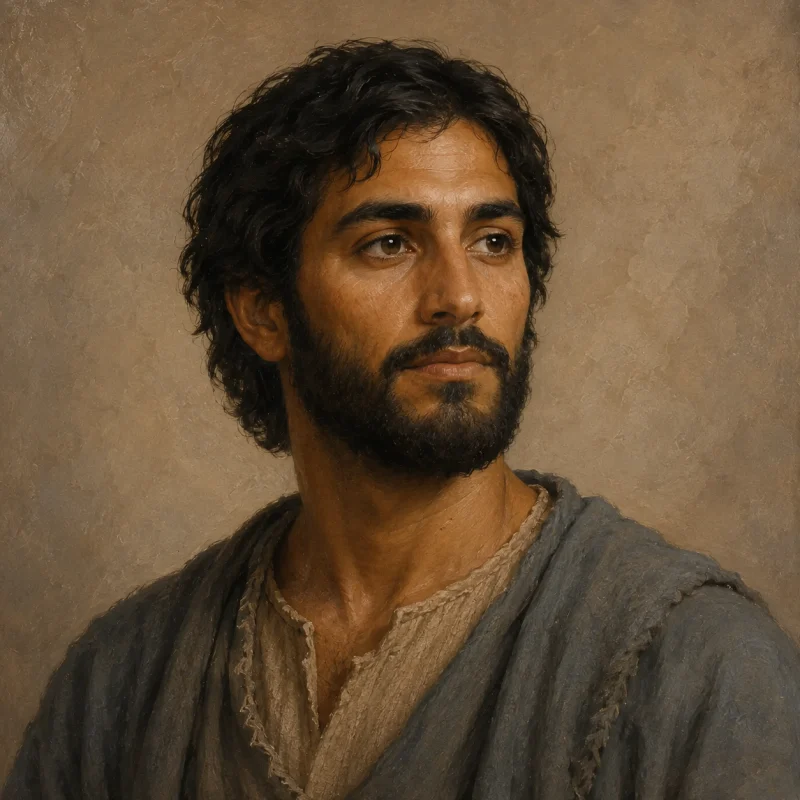
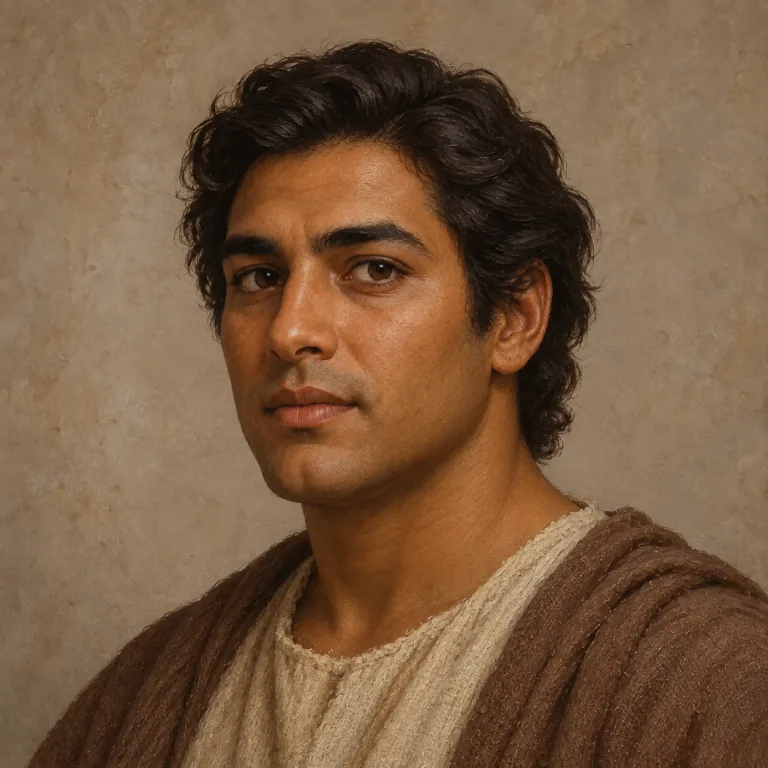
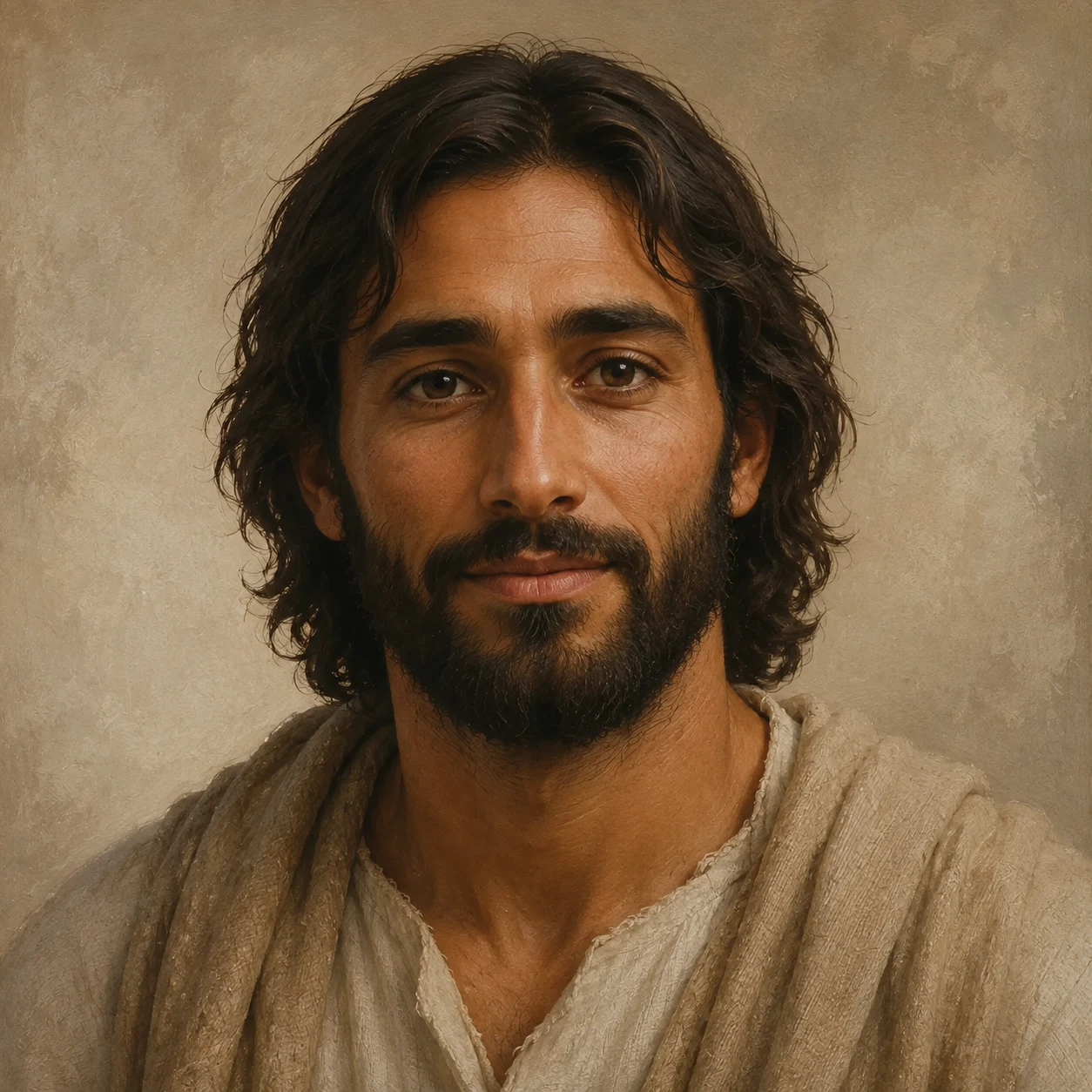
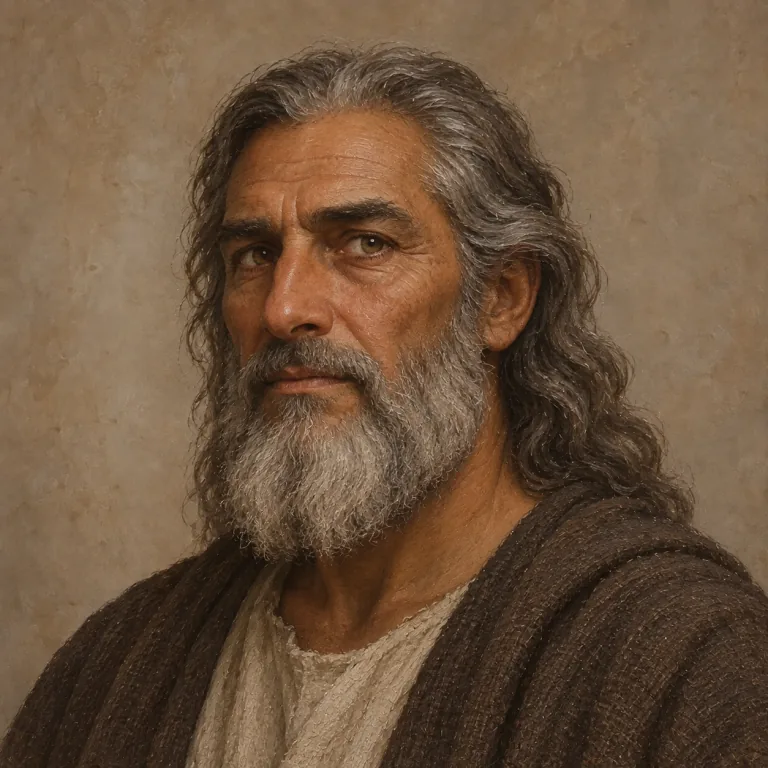
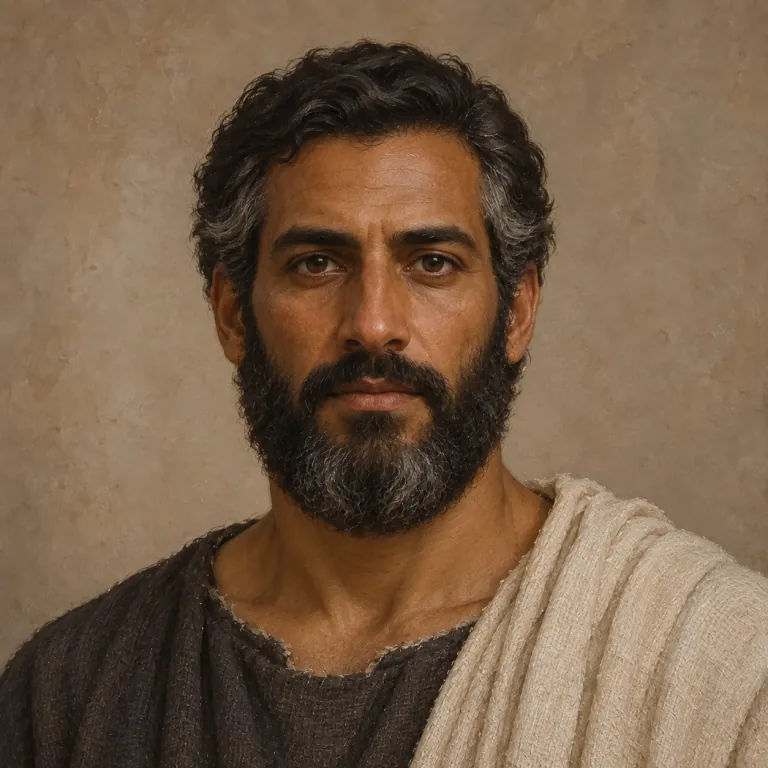
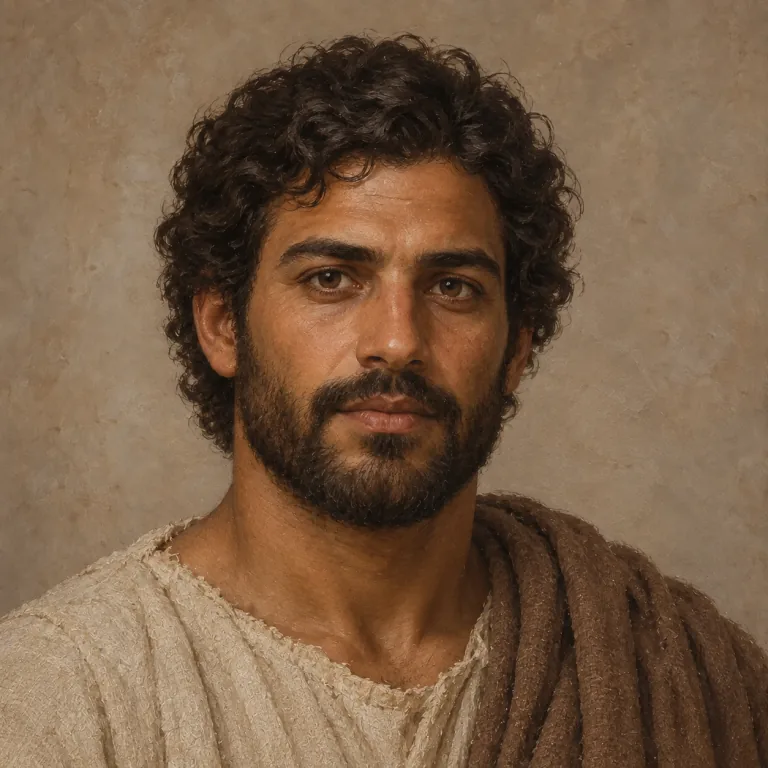
Portrait: an AI-generated artistic interpretation, not evidence of how Daniel looked.
Who Daniel is
Daniel is one of the children of Judah brought to Babylon by Nebuchadnezzar and renamed Belteshazzar. He purposes not to defile himself with the king's meat, proposes a ten-day test, and God gives him understanding in visions and dreams. When the king's decree threatens the wise men, Daniel asks for time, prays with his companions, receives the dream in a night vision, tells Nebuchadnezzar the image and its meaning, and is made ruler of the province of Babylon. He interprets the tree dream, warning the king to break off his sins. Under Belshazzar the queen remembers him; he refuses the king's gifts, reads the writing on the wall, and is made third ruler the night the king is slain. Under Darius he is first of three presidents; his rivals trap him through a decree against prayer, he keeps praying toward Jerusalem, and he is cast to the lions and taken out unhurt. In his own first-person visions he sees four beasts, a ram and goat, receives the seventy weeks after a prayer of confession, and meets a man clothed in linen who tells him what will befall his people. At the end he is told to seal the book and go his way until he rests and stands in his lot. Ezekiel names a Daniel with Noah and Job as righteous, and Jesus in Matthew and Mark refers to the abomination of desolation spoken of by Daniel the prophet.
Cited passages: Daniel 1:6, Daniel 1:7, Daniel 1:8, Daniel 1:17, Daniel 2:16, Daniel 2:19, Daniel 2:48, Daniel 4:19, Daniel 4:27, Daniel 5:12, Daniel 5:17, Daniel 5:29, Daniel 6:2, Daniel 6:10, Daniel 6:23, Daniel 7:1, Daniel 8:1, Daniel 9:22, Daniel 10:11, Daniel 12:4, Daniel 12:13, Ezekiel 14:14, Matthew 24:15
Historical setting
The text gives Daniel no father's name and no tribe beyond the children of Judah; chapter 1 says the king's seed and the princes were among those chosen, without saying which Daniel was. He is called one of the captives of Judah by Arioch and by his accusers under Darius alike, and Belshazzar says Nebuchadnezzar brought him out of Jewry. His Babylonian name Belteshazzar is used by Nebuchadnezzar and the narrator, and the king links it to his god; it is not the same name as king Belshazzar, though the two look alike. The book's dates run from the third year of Jehoiakim to the third year of Cyrus king of Persia, so Daniel's service spans Babylonian, Median and Persian rulers as the text presents them, but no age at death and no death are recorded. Ezekiel twice names a Daniel beside Noah and Job, and once tells the prince of Tyrus he is wiser than Daniel; the index treats these as this Daniel, and that identification is the index's, since Ezekiel gives no biography. Matthew and Mark record Jesus naming Daniel the prophet as the source of the abomination of desolation, a phrase Daniel's book uses in chapters 11 and 12. Of the figures in his visions, only the ram and the goat are given names, Media and Persia and Grecia; the kings of chapter 11 stay unnamed.
Cited passages: Daniel 1:3, Daniel 2:25, Daniel 6:13, Daniel 5:13, Daniel 4:8, Daniel 1:1, Daniel 10:1, Daniel 6:28, Ezekiel 14:20, Ezekiel 28:3, Mark 13:14, Daniel 11:31, Daniel 8:20, Daniel 8:21, Daniel 11:5
How the story is told
In chapters 1 to 6 Daniel is seen from outside, the man kings send for last after their own wise men fail, and chapters 2, 3, 4 and 6 end with a king confessing his God. He speaks to power in a recognisable way: in chapter 2 he disclaims his own wisdom and names God as the revealer, and each time he tells the king the hard part, whether the head of gold will be followed by other kingdoms, the tree will be hewn, or the kingdom is numbered and finished. In chapters 7 to 12 the book turns him inside out. He is the one who is troubled, sick, dumb and without strength, who asks the questions and is told to understand, and who finally says he does not understand. The book keeps both names in play, Belteshazzar in the mouths of Babylonians and in the narrator's glosses, Daniel in his own account. The lions' den answers the furnace of chapter 3 with Daniel in the place of his three friends, who never reappear after that chapter. His prayer in chapter 9 is the book's one sustained confession, spoken as we by the man the narrative has shown faithful. Ezekiel's use of his name as a byword for righteousness and wisdom, and Jesus' phrase Daniel the prophet, treat him as a known figure without retelling any of these scenes.
Cited passages: Daniel 2:27, Daniel 2:30, Daniel 2:47, Daniel 4:22, Daniel 5:26, Daniel 7:15, Daniel 8:27, Daniel 10:15, Daniel 12:8, Daniel 2:26, Daniel 6:16, Daniel 9:20, Ezekiel 14:14, Matthew 24:15, Daniel 3:28, Daniel 4:37, Daniel 6:26
Story moments
- Purposed not to defile himself (Daniel 1:8). Daniel resolves against the king's meat and asks the prince of the eunuchs to be excused.
- The dream revealed by night (Daniel 2:19). After prayer with his companions, Daniel receives the king's dream and blesses God.
- Counsel to a proud king (Daniel 4:27). Daniel urges Nebuchadnezzar to break off his sins by righteousness.
- Reading the wall (Daniel 5:25). Daniel reads MENE, MENE, TEKEL, UPHARSIN to Belshazzar.
- Prayer at the open window (Daniel 6:10). Knowing the decree is signed, Daniel prays toward Jerusalem as before.
- We have sinned (Daniel 9:5). Daniel confesses Israel's sin in the first person plural.
- Go thy way, Daniel (Daniel 12:9). Daniel is told the words are sealed and to go his way until the end.
Key passages
Ezekiel 14:14
Though these three men, Noah, Daniel, and Job, were in it, they should deliver but their own souls by their righteousness, saith the Lord God.
Ezekiel 14:20
Though Noah, Daniel, and Job, were in it, as I live, saith the Lord God, they shall deliver neither son nor daughter; they shall but deliver their own souls by their righteousness.
Ezekiel 28:3
Behold, thou art wiser than Daniel; there is no secret that they can hide from thee:
Daniel 1:6
Now among these were of the children of Judah, Daniel, Hananiah, Mishael, and Azariah:
Daniel 1:7
Unto whom the prince of the eunuchs gave names: for he gave unto Daniel the name of Belteshazzar; and to Hananiah, of Shadrach; and to Mishael, of Meshach; and to Azariah, of Abed-nego.
Daniel 1:8
But Daniel purposed in his heart that he would not defile himself with the portion of the king’s meat, nor with the wine which he drank: therefore he requested of the prince of the eunuchs that he might not defile himself.
King James Version. 72 indexed passages in total.
For reflection
Daniel tells kings hard truths and refuses gifts, then accepts high office from the same kings. What does the text suggest about serving a power you have just warned?
Books Daniel appears in
Related people
Names and references are adapted from STEPBible TIPNR. A person listed with a verse is named or indexed there; it does not mean they wrote or spoke it.