The Histories · Old Testament
1 Samuel 12
Samuel calls king and people to faithfulness
General context
Samuel asks Israel to testify whether he has defrauded, oppressed or taken bribes from them, and they clear him. He recounts the Lord's deliverance through earlier leaders and challenges the demand for a king. Both king and people remain accountable to the Lord. Thunder and rain at Samuel's call lead the people to confess their wrongdoing. He urges continued faithful service and promises to keep praying and teaching.
Cited passages: 1 Samuel 12:1, 1 Samuel 12:2, 1 Samuel 12:3, 1 Samuel 12:4, 1 Samuel 12:5, 1 Samuel 12:6, 1 Samuel 12:7, 1 Samuel 12:8, 1 Samuel 12:9, 1 Samuel 12:10, 1 Samuel 12:11, 1 Samuel 12:12, 1 Samuel 12:13, 1 Samuel 12:14, 1 Samuel 12:15, 1 Samuel 12:16, 1 Samuel 12:17, 1 Samuel 12:18, 1 Samuel 12:19, 1 Samuel 12:20, 1 Samuel 12:21, 1 Samuel 12:22, 1 Samuel 12:23, 1 Samuel 12:24, 1 Samuel 12:25
1 Samuel 12 (KJV)
1And Samuel said unto all Israel, Behold, I have hearkened unto your voice in all that ye said unto me, and have made a king over you.
2And now, behold, the king walketh before you: and I am old and grayheaded; and, behold, my sons are with you: and I have walked before you from my childhood unto this day.
3Behold, here I am: witness against me before the Lord, and before his anointed: whose ox have I taken? or whose ass have I taken? or whom have I defrauded? whom have I oppressed? or of whose hand have I received any bribe to blind mine eyes therewith? and I will restore it you.
4And they said, Thou hast not defrauded us, nor oppressed us, neither hast thou taken ought of any man’s hand.
5And he said unto them, The Lord is witness against you, and his anointed is witness this day, that ye have not found ought in my hand. And they answered, He is witness.
6And Samuel said unto the people, It is the Lord that advanced Moses and Aaron, and that brought your fathers up out of the land of Egypt.
7Now therefore stand still, that I may reason with you before the Lord of all the righteous acts of the Lord, which he did to you and to your fathers.
8When Jacob was come into Egypt, and your fathers cried unto the Lord, then the Lord sent Moses and Aaron, which brought forth your fathers out of Egypt, and made them dwell in this place.
9And when they forgat the Lord their God, he sold them into the hand of Sisera, captain of the host of Hazor, and into the hand of the Philistines, and into the hand of the king of Moab, and they fought against them.
10And they cried unto the Lord, and said, We have sinned, because we have forsaken the Lord, and have served Baalim and Ashtaroth: but now deliver us out of the hand of our enemies, and we will serve thee.
11And the Lord sent Jerubbaal, and Bedan, and Jephthah, and Samuel, and delivered you out of the hand of your enemies on every side, and ye dwelled safe.
12And when ye saw that Nahash the king of the children of Ammon came against you, ye said unto me, Nay; but a king shall reign over us: when the Lord your God was your king.
13Now therefore behold the king whom ye have chosen, and whom ye have desired! and, behold, the Lord hath set a king over you.
14If ye will fear the Lord, and serve him, and obey his voice, and not rebel against the commandment of the Lord, then shall both ye and also the king that reigneth over you continue following the Lord your God:
15But if ye will not obey the voice of the Lord, but rebel against the commandment of the Lord, then shall the hand of the Lord be against you, as it was against your fathers.
16Now therefore stand and see this great thing, which the Lord will do before your eyes.
17Is it not wheat harvest to day? I will call unto the Lord, and he shall send thunder and rain; that ye may perceive and see that your wickedness is great, which ye have done in the sight of the Lord, in asking you a king.
18So Samuel called unto the Lord; and the Lord sent thunder and rain that day: and all the people greatly feared the Lord and Samuel.
19And all the people said unto Samuel, Pray for thy servants unto the Lord thy God, that we die not: for we have added unto all our sins this evil, to ask us a king.
20And Samuel said unto the people, Fear not: ye have done all this wickedness: yet turn not aside from following the Lord, but serve the Lord with all your heart;
21And turn ye not aside: for then should ye go after vain things, which cannot profit nor deliver; for they are vain.
22For the Lord will not forsake his people for his great name’s sake: because it hath pleased the Lord to make you his people.
23Moreover as for me, God forbid that I should sin against the Lord in ceasing to pray for you: but I will teach you the good and the right way:
24Only fear the Lord, and serve him in truth with all your heart: for consider how great things he hath done for you.
25But if ye shall still do wickedly, ye shall be consumed, both ye and your king.
This page shows the King James Version. In the app, reading opens in the Berean Standard Bible unless you have chosen another translation. The reader includes five translations: the Berean Standard Bible (BSB), the King James Version (KJV), the World English Bible (WEB), the Bible in Basic English (BBE), and the American Standard Version (ASV). Search covers three of them: Berean Standard, King James, and World English. Basic English and American Standard readers search the King James words.
Historical context
The address takes place after a king has been set over Israel. Samuel recalls Egypt, periods of oppression and deliverers, then names Nahash's threat in discussing the demand for monarchy. The thunder and rain occur at wheat harvest as the sign Samuel announces. The deliverer list in verse 11 reads Bedan in KJV and ASV but Barak in BBE. The passage itself does not explain that difference.
Cited passages: 1 Samuel 12:6, 1 Samuel 12:7, 1 Samuel 12:8, 1 Samuel 12:9, 1 Samuel 12:10, 1 Samuel 12:11, 1 Samuel 12:12, 1 Samuel 12:13, 1 Samuel 12:14, 1 Samuel 12:15, 1 Samuel 12:16, 1 Samuel 12:17, 1 Samuel 12:18
Literary context
Samuel's public accounting opens a wider review of Israel's dependence on the Lord. The people's assurance about Samuel's conduct is followed by their confession about their own request. Warning and reassurance remain together: they must not turn aside, the Lord will not forsake his people for his name's sake, and Samuel will continue interceding.
Cited passages: 1 Samuel 12:3, 1 Samuel 12:4, 1 Samuel 12:5, 1 Samuel 12:6, 1 Samuel 12:7, 1 Samuel 12:19, 1 Samuel 12:20, 1 Samuel 12:21, 1 Samuel 12:22, 1 Samuel 12:23, 1 Samuel 12:24, 1 Samuel 12:25
Key moments
- Samuel invites testimony (1 Samuel 12:3). He asks whether he has taken property, oppressed anyone or accepted a bribe.
- King and people accountable (1 Samuel 12:14). Samuel calls both the people and their king to follow the Lord.
- Thunder and rain (1 Samuel 12:18). The Lord sends the sign after Samuel prays.
- A confession and a request (1 Samuel 12:19). The people ask for prayer and acknowledge their wrong in asking for a king.
- Prayer and teaching continue (1 Samuel 12:23). Samuel commits to intercession and instruction in the good way.
For reflection
How do Samuel's continued prayer and teaching sit alongside his direct account of the people's wrongdoing?
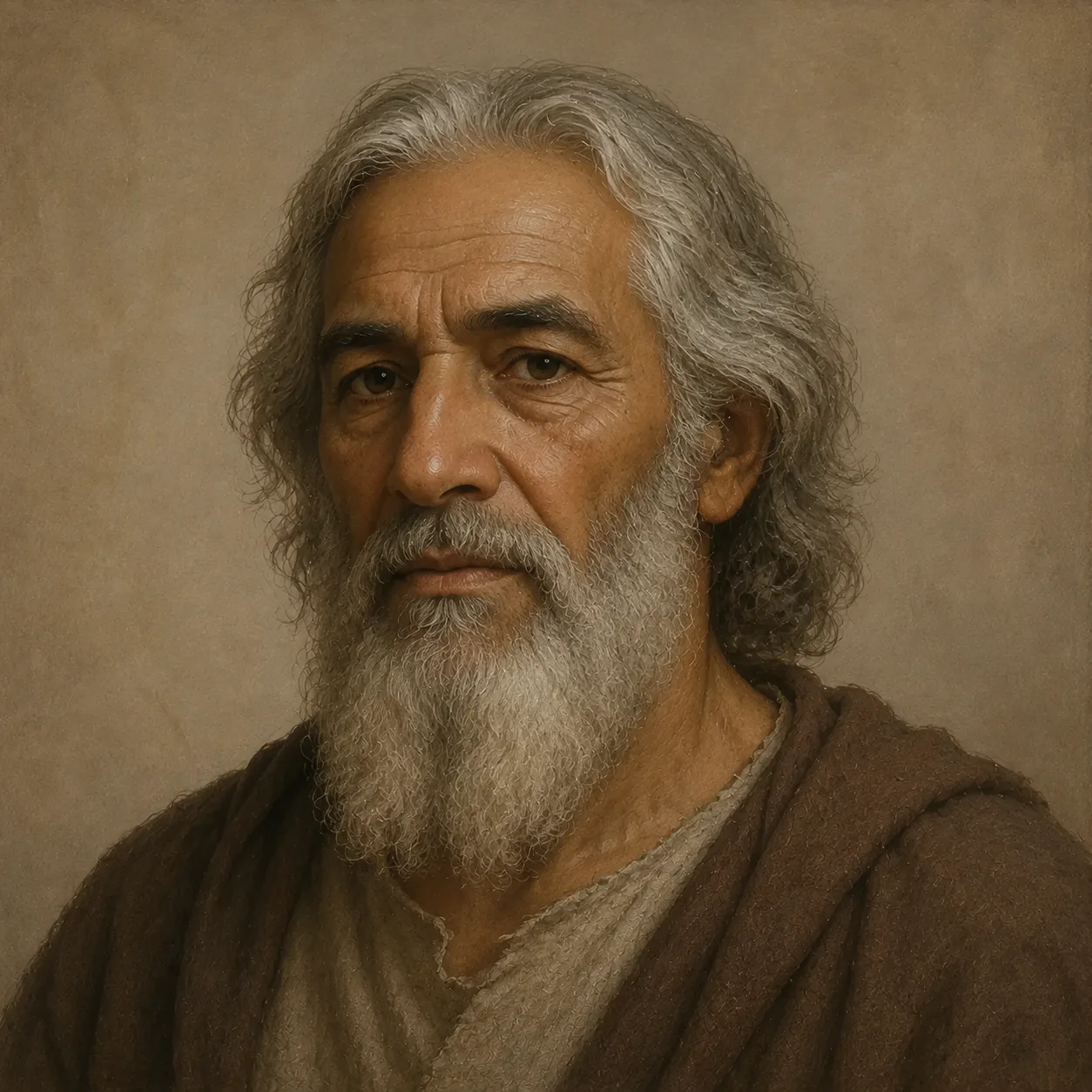
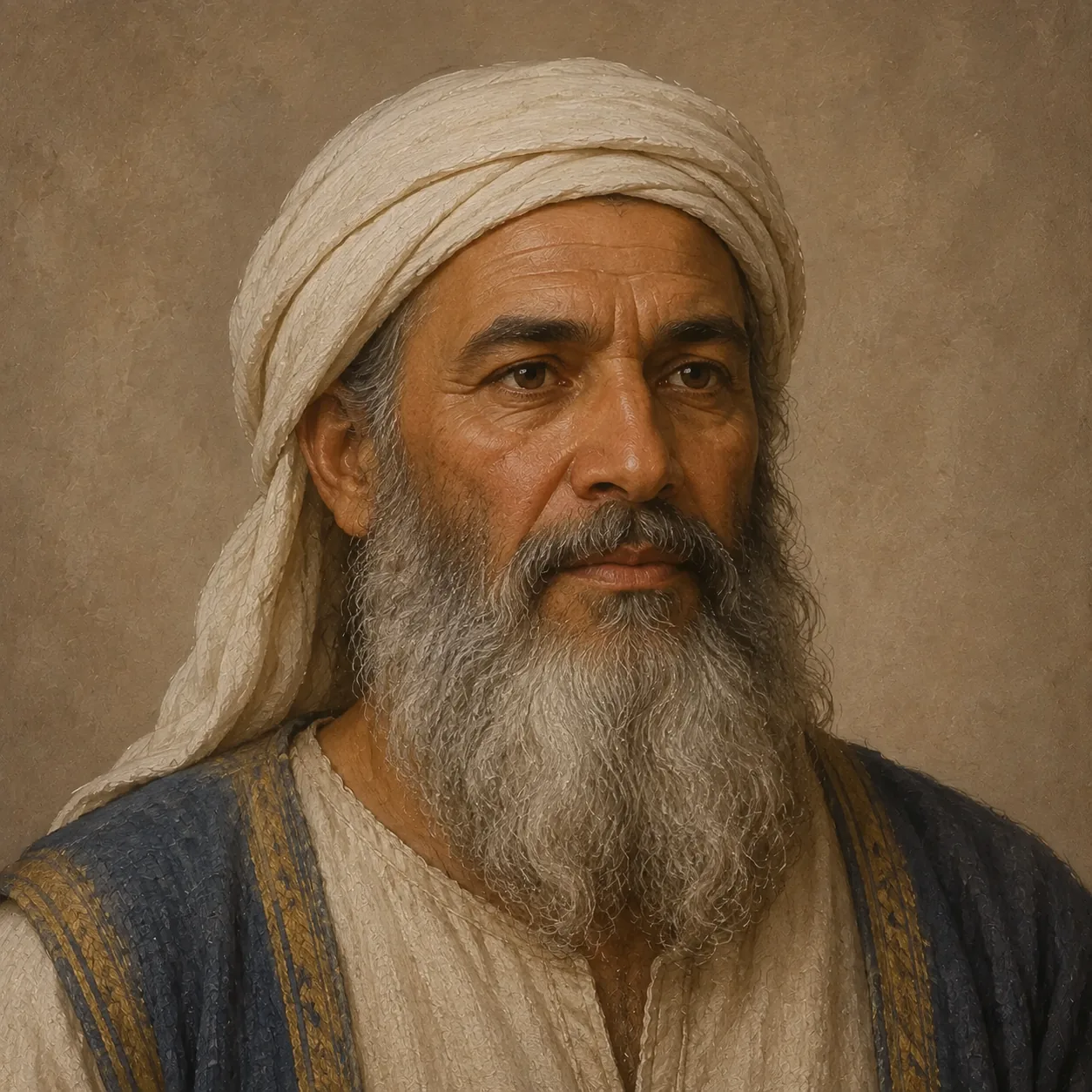
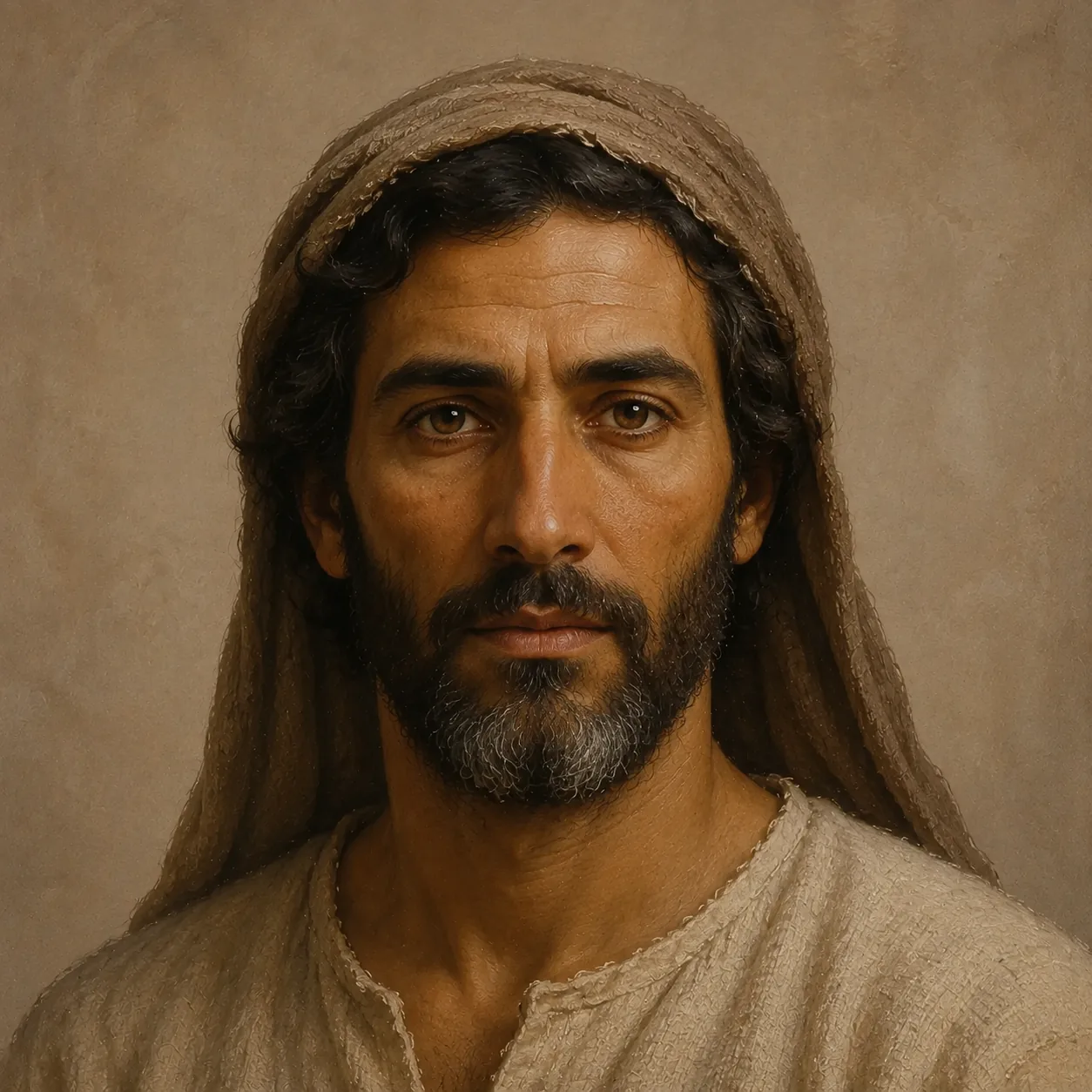
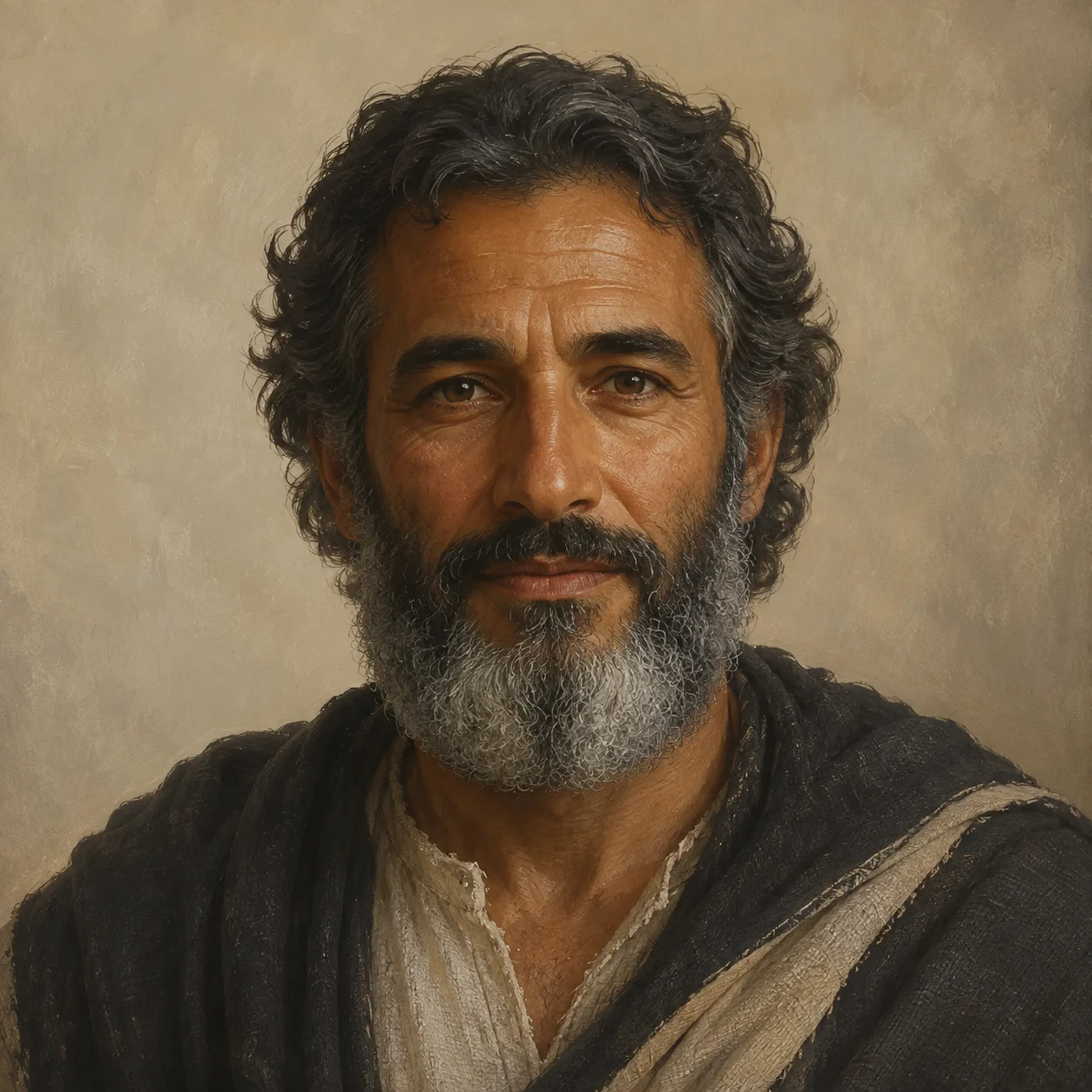
People in this chapter
Also indexed here: