Person in the Old Testament
Jehu
Jehu: Israel's king who destroys Ahab's house
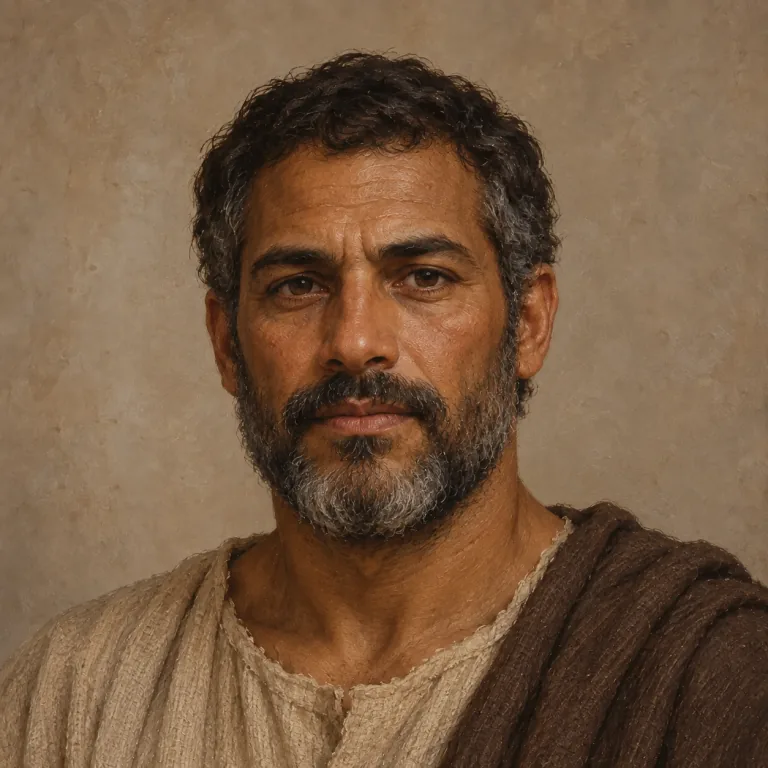
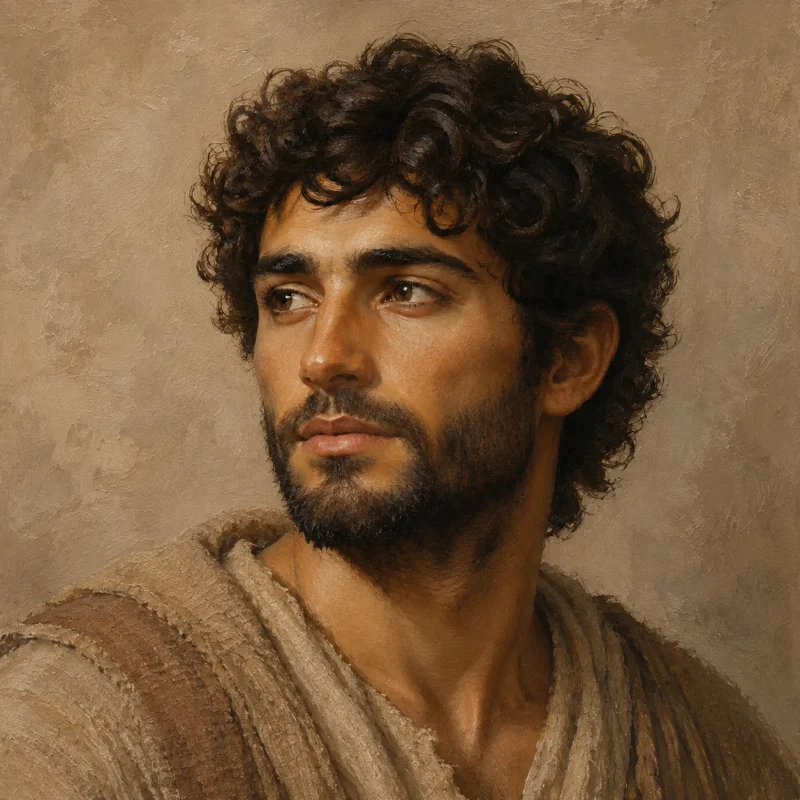
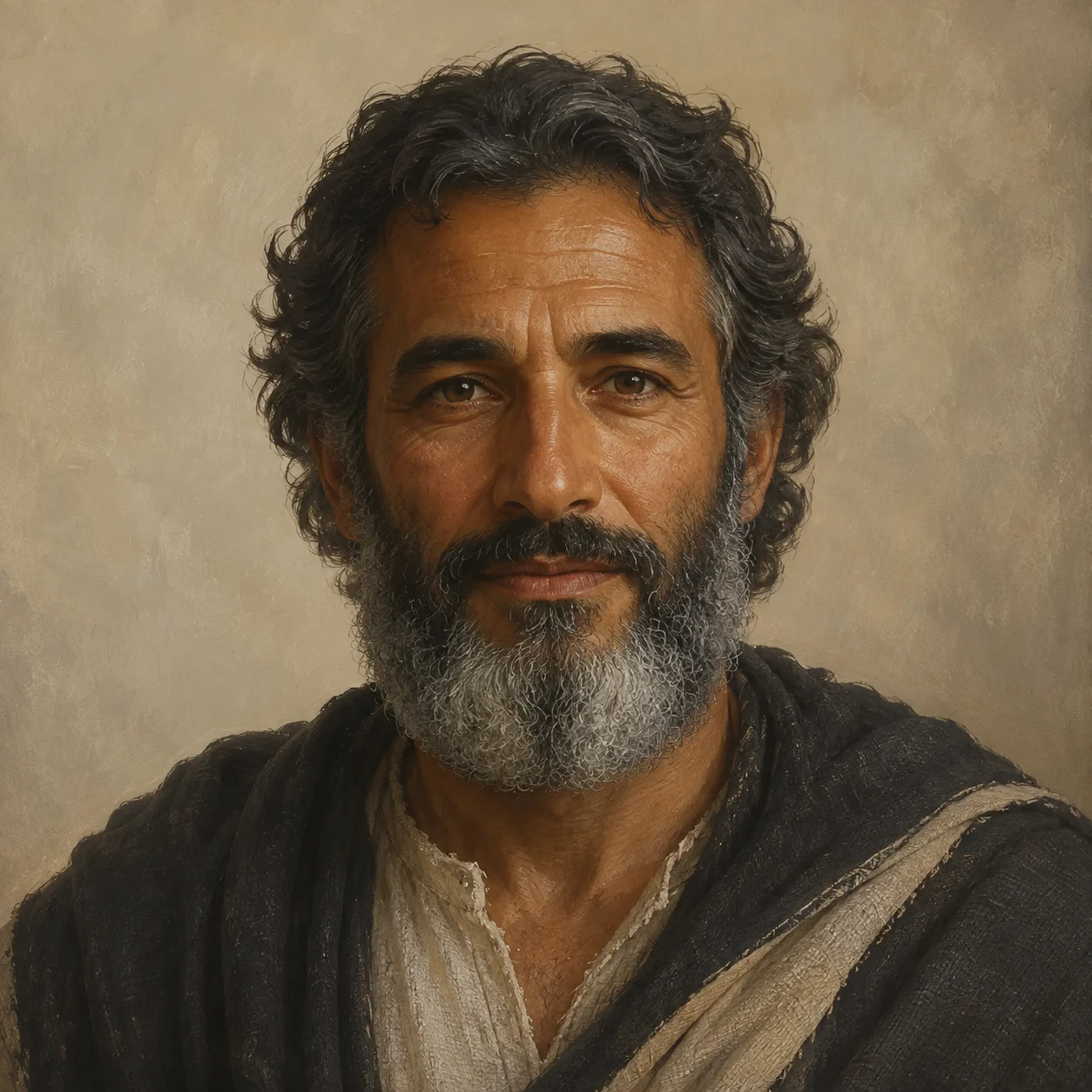
Portrait: an AI-generated artistic interpretation, not evidence of how Jehu looked.
Who Jehu is
Jehu is named in Elijah's commission as a future king of Israel. Later Elisha sends a young prophet who anoints him at Ramoth-gilead and announces judgment on Ahab's house. Jehu's fellow captains proclaim him king. He kills Joram of Israel, pursues Ahaziah of Judah and orders him struck, and commands Jezebel's death. At his written demand, the guardians of Ahab's seventy sons send their heads to Jezreel. Jehu also kills remaining members and associates of Ahab's house and forty-two relatives of Ahaziah. He assembles Baal's worshippers by a ruse and orders their killing; his men destroy Baal's house. The Lord commends what he has done to Ahab's house and promises his descendants the throne to the fourth generation. Yet Jehu retains the golden calves and does not keep the law with all his heart. He reigns twenty-eight years and is succeeded by Jehoahaz.
Cited passages: 1 Kings 19:16, 2 Kings 9:1, 2 Kings 9:2, 2 Kings 9:3, 2 Kings 9:4, 2 Kings 9:5, 2 Kings 9:6, 2 Kings 9:7, 2 Kings 9:8, 2 Kings 9:9, 2 Kings 9:10, 2 Kings 9:11, 2 Kings 9:12, 2 Kings 9:13, 2 Kings 9:21, 2 Kings 9:22, 2 Kings 9:23, 2 Kings 9:24, 2 Kings 9:25, 2 Kings 9:26, 2 Kings 9:27, 2 Kings 9:30, 2 Kings 9:31, 2 Kings 9:32, 2 Kings 9:33, 2 Kings 10:1, 2 Kings 10:2, 2 Kings 10:3, 2 Kings 10:4, 2 Kings 10:5, 2 Kings 10:6, 2 Kings 10:7, 2 Kings 10:8, 2 Kings 10:9, 2 Kings 10:10, 2 Kings 10:11, 2 Kings 10:12, 2 Kings 10:13, 2 Kings 10:14, 2 Kings 10:18, 2 Kings 10:19, 2 Kings 10:20, 2 Kings 10:21, 2 Kings 10:22, 2 Kings 10:23, 2 Kings 10:24, 2 Kings 10:25, 2 Kings 10:26, 2 Kings 10:27, 2 Kings 10:28, 2 Kings 10:29, 2 Kings 10:30, 2 Kings 10:31, 2 Kings 10:35, 2 Kings 10:36
Historical setting
This king is distinct from Jehu son of Hanani, the prophet who speaks against Baasha. Second Kings calls the king a son of Jehoshaphat, son of Nimshi; that Jehoshaphat is not Judah's king, whose father is Asa. Elijah receives the commission, but the later anointing is performed by the young prophet sent by Elisha. Jehu's order for the seventy heads remains explicit even when he asks the crowd who killed them. Second Kings commends his action against Ahab's house; Hosea later announces punishment on Jehu's house for the blood of Jezreel. The two passages give different judgments and do not directly explain their relationship.
Cited passages: 1 Kings 16:1, 1 Kings 19:16, 1 Kings 22:41, 2 Kings 9:1, 2 Kings 9:2, 2 Kings 9:3, 2 Kings 9:6, 2 Kings 9:7, 2 Kings 9:8, 2 Kings 9:9, 2 Kings 9:10, 2 Kings 10:6, 2 Kings 10:7, 2 Kings 10:8, 2 Kings 10:9, 2 Kings 10:10, 2 Kings 10:30, 2 Kings 10:31, Hosea 1:4, Hosea 1:5
How the story is told
Jehu invites Jehonadab to see his zeal for the Lord, then uses a false announcement of devotion to Baal to gather Baal's servants. The account places his stated zeal beside a deliberately false message. The closing assessment separates the destruction of Baal worship from the continued calves at Bethel and Dan. His success against Ahab's house therefore does not become a claim of wholehearted obedience, and Hosea's later word adds a judgment on his own dynasty.
Cited passages: 2 Kings 10:15, 2 Kings 10:16, 2 Kings 10:17, 2 Kings 10:18, 2 Kings 10:19, 2 Kings 10:25, 2 Kings 10:26, 2 Kings 10:27, 2 Kings 10:28, 2 Kings 10:29, 2 Kings 10:30, 2 Kings 10:31, Hosea 1:4, Hosea 1:5
Story moments
- Named in Elijah's commission (1 Kings 19:16). The Lord names Jehu as the man to be anointed king over Israel.
- Anointed by Elisha's messenger (2 Kings 9:6). The young prophet pours oil on Jehu's head and announces his kingship.
- Joram killed (2 Kings 9:24). Jehu shoots Joram of Israel with an arrow.
- Jezebel's death ordered (2 Kings 9:33). Jehu commands those at the window to throw her down.
- Seventy heads demanded (2 Kings 10:6). Jehu writes to the guardians demanding the heads of Ahab's sons.
- A false call to Baal's servants (2 Kings 10:19). Jehu gathers Baal's worshippers under a pretext, intending to destroy them.
- A promise to his descendants (2 Kings 10:30). The Lord promises Jehu's children the throne through the fourth generation.
- The limits of his obedience (2 Kings 10:31). The narrator says Jehu does not keep the Lord's law with all his heart.
Key passages
1 Kings 19:16
And Jehu the son of Nimshi shalt thou anoint to be king over Israel: and Elisha the son of Shaphat of Abel-meholah shalt thou anoint to be prophet in thy room.
1 Kings 19:17
And it shall come to pass, that him that escapeth the sword of Hazael shall Jehu slay: and him that escapeth from the sword of Jehu shall Elisha slay.
2 Kings 9:2
And when thou comest thither, look out there Jehu the son of Jehoshaphat the son of Nimshi, and go in, and make him arise up from among his brethren, and carry him to an inner chamber;
2 Kings 9:5
And when he came, behold, the captains of the host were sitting; and he said, I have an errand to thee, O captain. And Jehu said, Unto which of all us? And he said, To thee, O captain.
2 Kings 9:11
Then Jehu came forth to the servants of his lord: and one said unto him, Is all well? wherefore came this mad fellow to thee? And he said unto them, Ye know the man, and his communication.
2 Kings 9:13
Then they hasted, and took every man his garment, and put it under him on the top of the stairs, and blew with trumpets, saying, Jehu is king.
King James Version. 46 indexed passages in total.
For reflection
How do Jehu's claims about his zeal compare with the narrator's closing assessment of his obedience?
Books Jehu appears in
Related people
Names and references are adapted from STEPBible TIPNR. A person listed with a verse is named or indexed there; it does not mean they wrote or spoke it.