The Histories · Old Testament
1 Kings 16
1 Kings 16: successive coups and the rise of Ahab
General context
The Lord's word through Jehu son of Hanani condemns Baasha's house. After Baasha dies, Elah succeeds him, but Zimri kills Elah and destroys the royal house and its associates. The army makes Omri king and besieges Tirzah. Zimri burns the royal house over himself and dies after a seven-day reign. Omri's supporters prevail over Tibni's, and after Tibni dies Omri rules and builds Samaria on a purchased hill. The narrator condemns Omri and then his son Ahab, who marries Jezebel and establishes Baal worship in Samaria. A closing notice connects Hiel's rebuilding of Jericho and the loss of his sons with Joshua's warning.
Cited passages: 1 Kings 16:1, 1 Kings 16:2, 1 Kings 16:3, 1 Kings 16:4, 1 Kings 16:5, 1 Kings 16:6, 1 Kings 16:7, 1 Kings 16:8, 1 Kings 16:9, 1 Kings 16:10, 1 Kings 16:11, 1 Kings 16:12, 1 Kings 16:13, 1 Kings 16:14, 1 Kings 16:15, 1 Kings 16:16, 1 Kings 16:17, 1 Kings 16:18, 1 Kings 16:19, 1 Kings 16:20, 1 Kings 16:21, 1 Kings 16:22, 1 Kings 16:23, 1 Kings 16:24, 1 Kings 16:25, 1 Kings 16:26, 1 Kings 16:27, 1 Kings 16:28, 1 Kings 16:29, 1 Kings 16:30, 1 Kings 16:31, 1 Kings 16:32, 1 Kings 16:33, 1 Kings 16:34
1 Kings 16 (KJV)
1Then the word of the Lord came to Jehu the son of Hanani against Baasha, saying,
2Forasmuch as I exalted thee out of the dust, and made thee prince over my people Israel; and thou hast walked in the way of Jeroboam, and hast made my people Israel to sin, to provoke me to anger with their sins;
3Behold, I will take away the posterity of Baasha, and the posterity of his house; and will make thy house like the house of Jeroboam the son of Nebat.
4Him that dieth of Baasha in the city shall the dogs eat; and him that dieth of his in the fields shall the fowls of the air eat.
5Now the rest of the acts of Baasha, and what he did, and his might, are they not written in the book of the chronicles of the kings of Israel?
6So Baasha slept with his fathers, and was buried in Tirzah: and Elah his son reigned in his stead.
7And also by the hand of the prophet Jehu the son of Hanani came the word of the Lord against Baasha, and against his house, even for all the evil that he did in the sight of the Lord, in provoking him to anger with the work of his hands, in being like the house of Jeroboam; and because he killed him.
8In the twenty and sixth year of Asa king of Judah began Elah the son of Baasha to reign over Israel in Tirzah, two years.
9And his servant Zimri, captain of half his chariots, conspired against him, as he was in Tirzah, drinking himself drunk in the house of Arza steward of his house in Tirzah.
10And Zimri went in and smote him, and killed him, in the twenty and seventh year of Asa king of Judah, and reigned in his stead.
11And it came to pass, when he began to reign, as soon as he sat on his throne, that he slew all the house of Baasha: he left him not one that pisseth against a wall, neither of his kinsfolks, nor of his friends.
12Thus did Zimri destroy all the house of Baasha, according to the word of the Lord, which he spake against Baasha by Jehu the prophet,
13For all the sins of Baasha, and the sins of Elah his son, by which they sinned, and by which they made Israel to sin, in provoking the Lord God of Israel to anger with their vanities.
14Now the rest of the acts of Elah, and all that he did, are they not written in the book of the chronicles of the kings of Israel?
15In the twenty and seventh year of Asa king of Judah did Zimri reign seven days in Tirzah. And the people were encamped against Gibbethon, which belonged to the Philistines.
16And the people that were encamped heard say, Zimri hath conspired, and hath also slain the king: wherefore all Israel made Omri, the captain of the host, king over Israel that day in the camp.
17And Omri went up from Gibbethon, and all Israel with him, and they besieged Tirzah.
18And it came to pass, when Zimri saw that the city was taken, that he went into the palace of the king’s house, and burnt the king’s house over him with fire, and died,
19For his sins which he sinned in doing evil in the sight of the Lord, in walking in the way of Jeroboam, and in his sin which he did, to make Israel to sin.
20Now the rest of the acts of Zimri, and his treason that he wrought, are they not written in the book of the chronicles of the kings of Israel?
21Then were the people of Israel divided into two parts: half of the people followed Tibni the son of Ginath, to make him king; and half followed Omri.
22But the people that followed Omri prevailed against the people that followed Tibni the son of Ginath: so Tibni died, and Omri reigned.
23In the thirty and first year of Asa king of Judah began Omri to reign over Israel, twelve years: six years reigned he in Tirzah.
24And he bought the hill Samaria of Shemer for two talents of silver, and built on the hill, and called the name of the city which he built, after the name of Shemer, owner of the hill, Samaria.
25But Omri wrought evil in the eyes of the Lord, and did worse than all that were before him.
26For he walked in all the way of Jeroboam the son of Nebat, and in his sin wherewith he made Israel to sin, to provoke the Lord God of Israel to anger with their vanities.
27Now the rest of the acts of Omri which he did, and his might that he shewed, are they not written in the book of the chronicles of the kings of Israel?
28So Omri slept with his fathers, and was buried in Samaria: and Ahab his son reigned in his stead.
29And in the thirty and eighth year of Asa king of Judah began Ahab the son of Omri to reign over Israel: and Ahab the son of Omri reigned over Israel in Samaria twenty and two years.
30And Ahab the son of Omri did evil in the sight of the Lord above all that were before him.
31And it came to pass, as if it had been a light thing for him to walk in the sins of Jeroboam the son of Nebat, that he took to wife Jezebel the daughter of Ethbaal king of the Zidonians, and went and served Baal, and worshipped him.
32And he reared up an altar for Baal in the house of Baal, which he had built in Samaria.
33And Ahab made a grove; and Ahab did more to provoke the Lord God of Israel to anger than all the kings of Israel that were before him.
34In his days did Hiel the Beth-elite build Jericho: he laid the foundation thereof in Abiram his firstborn, and set up the gates thereof in his youngest son Segub, according to the word of the Lord, which he spake by Joshua the son of Nun.
This page shows the King James Version. In the app, reading opens in the Berean Standard Bible unless you have chosen another translation. The reader includes five translations: the Berean Standard Bible (BSB), the King James Version (KJV), the World English Bible (WEB), the Bible in Basic English (BBE), and the American Standard Version (ASV). Search covers three of them: Berean Standard, King James, and World English. Basic English and American Standard readers search the King James words.
Historical context
Jehu in the opening is the prophet identified as Hanani's son; he should not be merged with the later king named Jehu. Zimri commands half of Elah's chariots, while Omri commands the army. The text says Tibni dies after his supporters are defeated but does not describe the manner of his death. Omri buys the hill from Shemer for two talents of silver and names Samaria in relation to him. The final notice links Hiel's firstborn Abiram and youngest Segub with the rebuilding; it does not describe how they die or say they are offered as foundation sacrifices.
Cited passages: 1 Kings 16:1, 1 Kings 16:7, 1 Kings 16:8, 1 Kings 16:9, 1 Kings 16:15, 1 Kings 16:16, 1 Kings 16:17, 1 Kings 16:18, 1 Kings 16:19, 1 Kings 16:20, 1 Kings 16:21, 1 Kings 16:22, 1 Kings 16:23, 1 Kings 16:24, 1 Kings 16:34, 1 Kings 19:16
Literary context
Rapid changes of rulers repeat the violence and wrongdoing associated with the earlier dynasty. The fulfillment of a judgment on one house does not make its destroyer faithful: Zimri and Omri also receive adverse assessments. Ahab's account intensifies that pattern through the marriage to Jezebel and Baal worship. The final reference to Joshua's word places an older warning beside the newest royal account.
Cited passages: 1 Kings 16:7, 1 Kings 16:8, 1 Kings 16:9, 1 Kings 16:10, 1 Kings 16:11, 1 Kings 16:12, 1 Kings 16:13, 1 Kings 16:18, 1 Kings 16:19, 1 Kings 16:25, 1 Kings 16:26, 1 Kings 16:27, 1 Kings 16:28, 1 Kings 16:29, 1 Kings 16:30, 1 Kings 16:31, 1 Kings 16:32, 1 Kings 16:33, 1 Kings 16:34
Key moments
- Baasha's house condemned (1 Kings 16:3). The Lord's word announces that Baasha's house will become like Jeroboam's.
- Elah killed (1 Kings 16:10). Zimri kills Elah and takes the throne.
- Omri proclaimed king (1 Kings 16:16). The army makes its commander Omri king after hearing of the coup.
- Zimri's reign ends (1 Kings 16:18). Zimri burns the royal house over himself when Tirzah is taken.
- Samaria founded (1 Kings 16:24). Omri purchases Shemer's hill and builds the city of Samaria.
- Ahab turns to Baal (1 Kings 16:31). Ahab marries Jezebel and serves Baal.
- Joshua's word recalled (1 Kings 16:34). Hiel's rebuilding of Jericho is linked with the loss of his sons and the earlier warning.
For reflection
What remains unchanged through the chapter's rapid changes of kings, and how does the narrator make that continuity clear?
People in this chapter
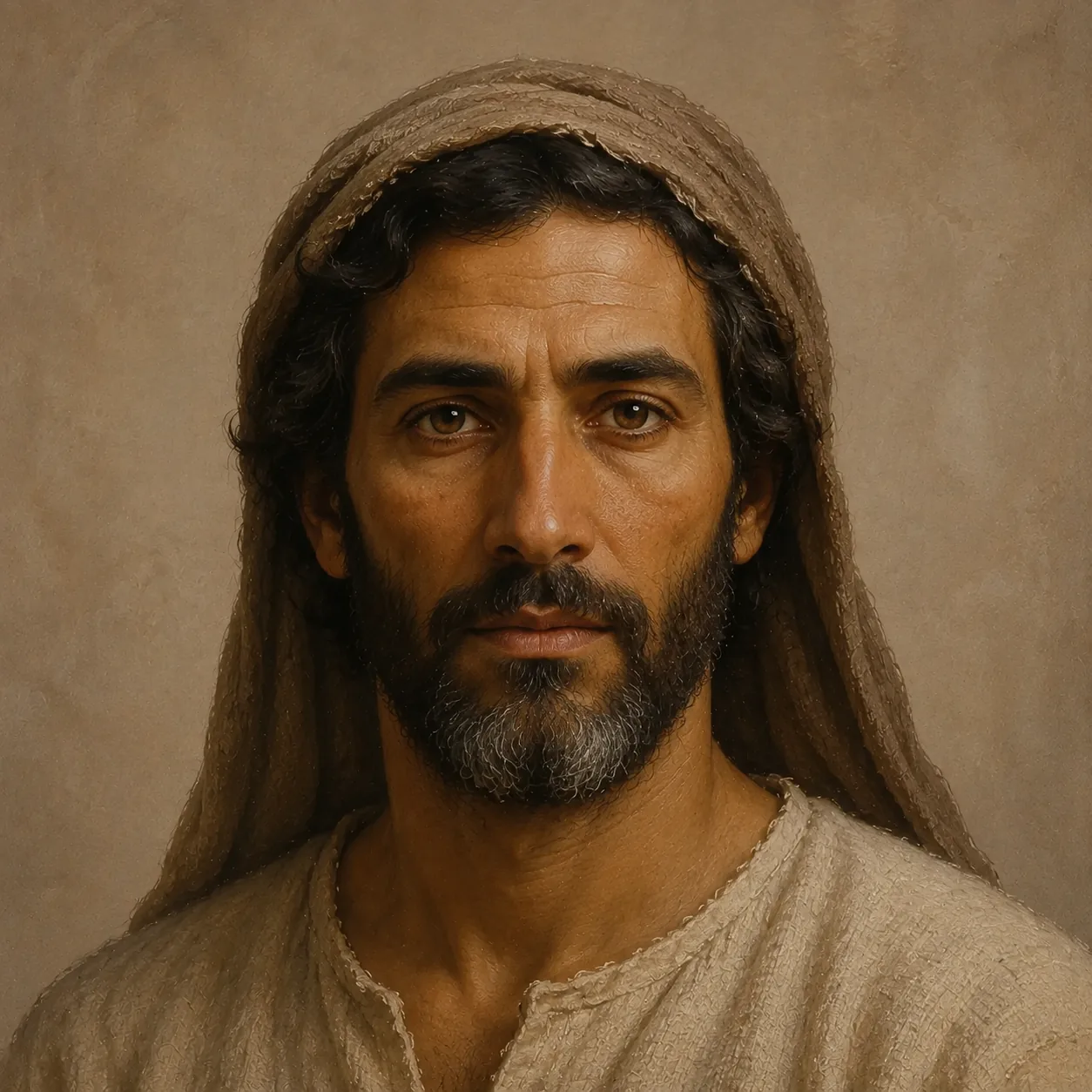
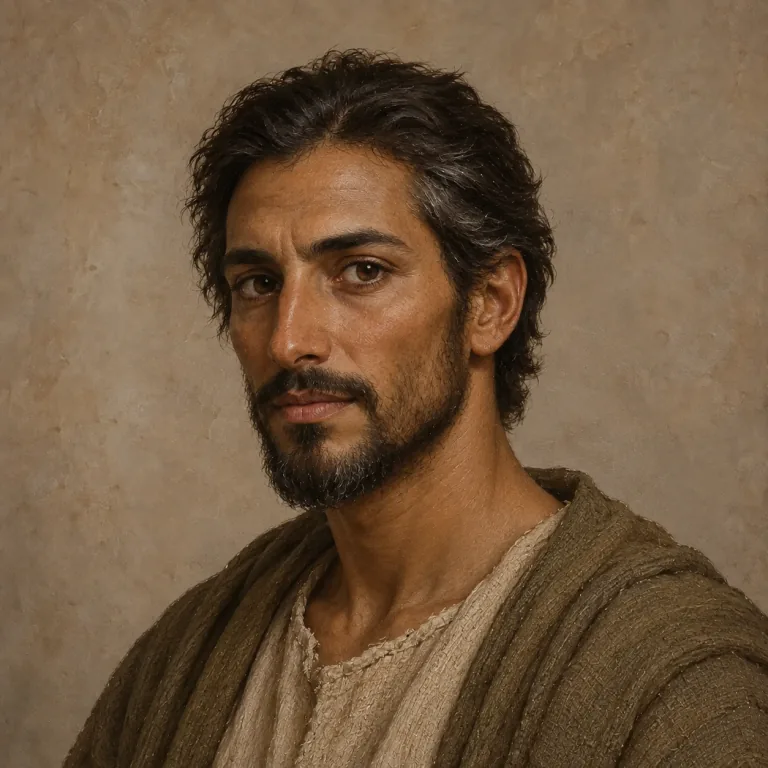
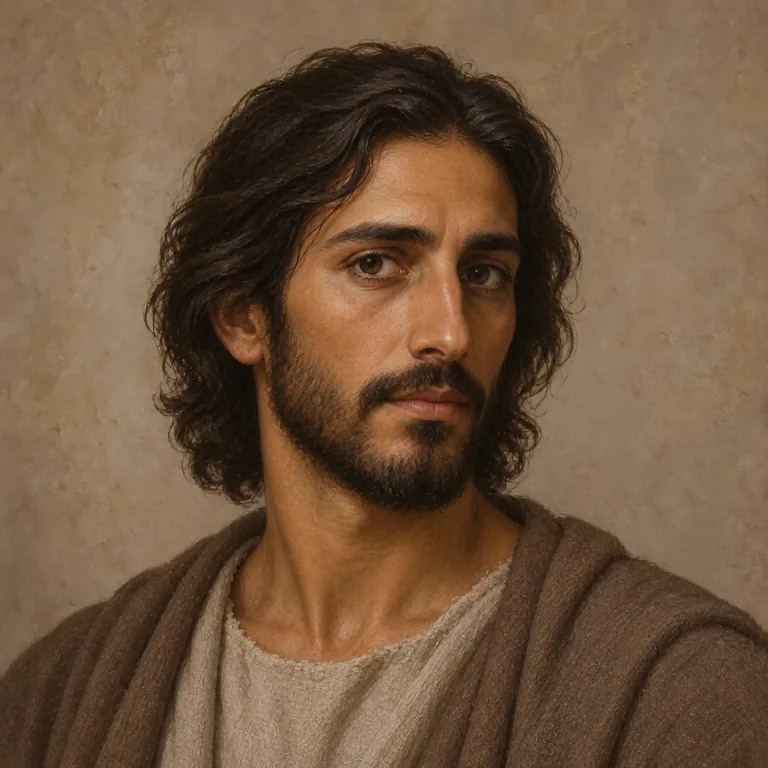
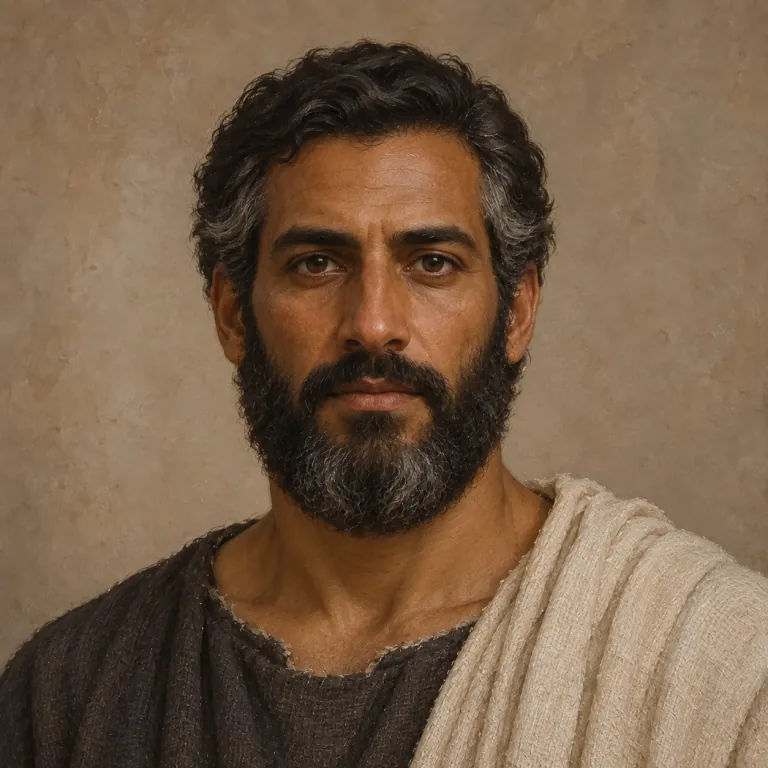

Also indexed here: