Person in the Old Testament
Huldah
Huldah: the prophetess who answered Josiah's enquiry about the book
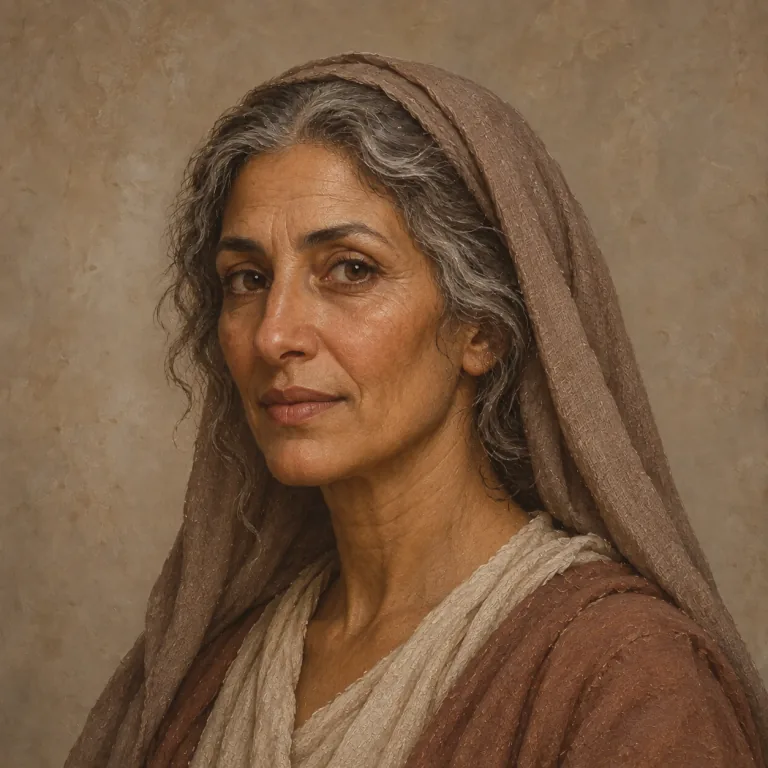
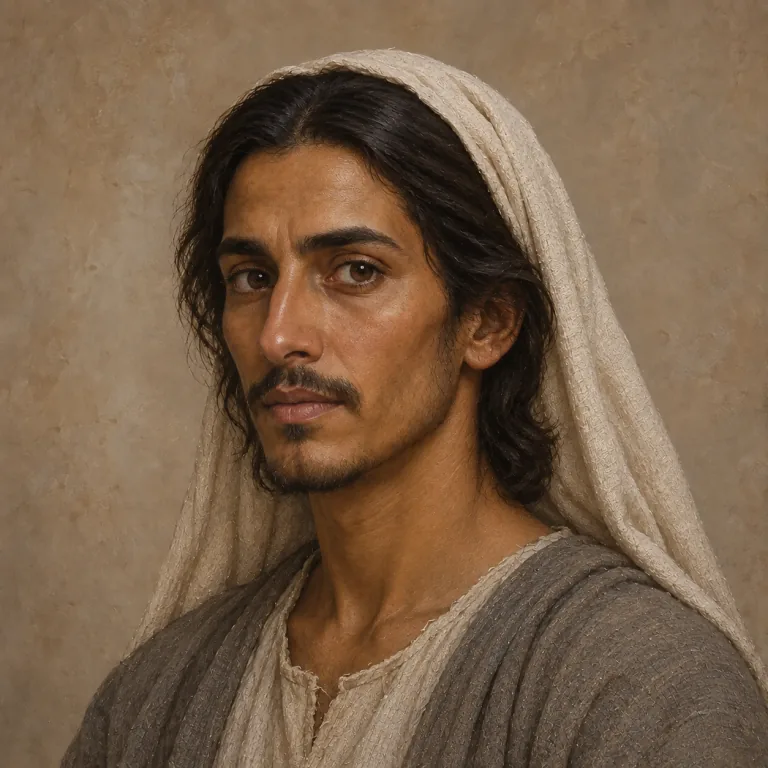
Portrait: an AI-generated artistic interpretation, not evidence of how Huldah looked.
Who Huldah is
Huldah appears in two parallel passages. In 2 Kings 22, after Hilkiah finds the book of the law and Josiah tears his clothes at its words, the king sends Hilkiah, Ahikam, Achbor, Shaphan and Asahiah to enquire of the Lord. They go to Huldah the prophetess, the wife of Shallum the keeper of the wardrobe, who lives in Jerusalem in the college, and they commune with her. She answers in the Lord's name with a message for the man who sent them: the Lord will bring on this place and its inhabitants all the words of the book, because they have forsaken him and burned incense to other gods, and the wrath will not be quenched. For the king of Judah she has a second word: because his heart was tender and he humbled himself, tore his clothes and wept when he heard what was spoken against the place, the Lord has heard him; he will be gathered to his grave in peace and will not see the evil. The men bring the king word, and Josiah gathers the elders and reads the book of the covenant to the people. 2 Chronicles 34 tells the same visit with small differences in names, speaks of the curses written in the book and of wrath poured out, and ends with the same promise that the king will be gathered to his grave in peace.
Cited passages: 2 Kings 22:8, 2 Kings 22:11, 2 Kings 22:13, 2 Kings 22:14, 2 Kings 22:15, 2 Kings 22:16, 2 Kings 22:17, 2 Kings 22:18, 2 Kings 22:19, 2 Kings 22:20, 2 Kings 23:2, 2 Chronicles 34:22, 2 Chronicles 34:24, 2 Chronicles 34:25, 2 Chronicles 34:28
Historical setting
Huldah is known from one scene told twice, and the text supplies nothing else about her. Both accounts call her the prophetess and identify her through her husband Shallum, his ancestry and his office as keeper of the wardrobe, and through her dwelling in Jerusalem in the college; the college is the KJV wording and neither book explains it. The two accounts spell the ancestors differently, Tikvah and Harhas in Kings against Tikvath and Hasrah in Chronicles, and the delegation's names also vary, Achbor and Asahiah in Kings against Abdon and Asaiah in Chronicles. No age, parentage, children, earlier or later oracle is recorded, and she is not named again in either book or in the New Testament. The delegation that consults her includes the high priest and the king's scribe, and neither chapter names any other prophet or gives a reason for going to her. Her oracle is addressed first to the man that sent you and then to the king of Judah; she does not name Josiah, and no exchange beyond her speech is recorded. The promise that Josiah would be gathered to his grave in peace stands beside the later report that Pharaoh-nechoh killed him at Megiddo; the text does not comment on the relation. Whether the book she refers to is the whole law or part of it is not stated.
Cited passages: 2 Kings 22:14, 2 Chronicles 34:22, 2 Kings 22:12, 2 Chronicles 34:20, 2 Kings 22:4, 2 Kings 22:15, 2 Kings 22:18, 2 Kings 22:20, 2 Kings 23:29, 2 Chronicles 34:21
How the story is told
Huldah's speech is the only prophetic word in the Josiah story of Kings, and it sits at the hinge between the finding of the book and the covenant and purge that follow. The narrator gives her no introduction beyond the identifying clause and no exit; the scene closes with the messengers returning and the king acting. Her oracle is built in two parts, each opened with Thus saith the Lord, one against the place and one for the king, and the second part hands the king's own gestures back to him: his torn clothes and weeping become the reasons he is heard. The king's complaint that the fathers have not hearkened is answered by the Lord's I also have heard thee. She speaks in the messenger form, Tell the man that sent you to me, so the king is addressed through his officials rather than face to face. Chronicles keeps the same shape and sharpens the link to the book by calling its content the curses that are written, where Kings says all the words of the book. In both books her word is what turns the king from enquiry to action.
Cited passages: 2 Kings 22:14, 2 Kings 22:20, 2 Kings 23:1, 2 Kings 22:16, 2 Kings 22:18, 2 Kings 22:11, 2 Kings 22:19, 2 Kings 22:13, 2 Kings 22:15, 2 Chronicles 34:24, 2 Chronicles 34:29
Story moments
- The delegation comes to Huldah (2 Kings 22:14). Hilkiah, Ahikam, Achbor, Shaphan and Asahiah go to Huldah the prophetess in Jerusalem.
- Evil upon this place (2 Kings 22:16). Huldah declares that the Lord will bring on Jerusalem all the words of the book.
- Wrath that shall not be quenched (2 Kings 22:17). She gives the reason: the people forsook the Lord and burned incense to other gods.
- The king is heard (2 Kings 22:19). Because Josiah's heart was tender and he wept, the Lord says he has heard him.
- Gathered to the grave in peace (2 Kings 22:20). Huldah says Josiah will not see the evil, and the men bring the king word.
- The curses written in the book (2 Chronicles 34:24). Chronicles records her oracle as the curses written in the book read before the king.
Key passages
2 Kings 22:14
So Hilkiah the priest, and Ahikam, and Achbor, and Shaphan, and Asahiah, went unto Huldah the prophetess, the wife of Shallum the son of Tikvah, the son of Harhas, keeper of the wardrobe; (now she dwelt in Jerusalem in the college;) and they communed with her.
2 Chronicles 34:22
And Hilkiah, and they that the king had appointed, went to Huldah the prophetess, the wife of Shallum the son of Tikvath, the son of Hasrah, keeper of the wardrobe; (now she dwelt in Jerusalem in the college:) and they spake to her to that effect.
King James Version. 2 indexed passages in total.
For reflection
The high priest and the king's scribe go to a woman the text identifies only by her husband's job and her address, and her word settles the matter. What does the brevity of Huldah's introduction leave a reader to notice about how a word from the Lord is recognised here?
Books Huldah appears in
Related people
Names and references are adapted from STEPBible TIPNR. A person listed with a verse is named or indexed there; it does not mean they wrote or spoke it.