The Gospels · New Testament
Mark 6
Mark 6: rejected at home, John beheaded, and bread in a desert place
General context
In his own country the sabbath synagogue hearers are astonished and then offended, asking whether this is not the carpenter, the son of Mary, and naming his brothers and sisters. He says a prophet lacks honour among his own kin, does no mighty work there beyond healing a few sick, and marvels at their unbelief. He sends the twelve out two by two with power over unclean spirits and orders to take nothing but a staff, and they preach repentance, cast out devils and anoint the sick with oil. King Herod hears and says John, whom he beheaded, is risen. The narrator then tells how Herod had bound John for Herodias' sake, his brother Philip's wife; how Herodias wanted John killed while Herod feared him and heard him gladly; how at the birthday supper her daughter danced and Herod swore to give her whatever she asked; how she asked her mother and then demanded the head of John the Baptist in a charger; and how the king, though exceeding sorry, sent an executioner who beheaded John in the prison and brought the head to the girl, who gave it to her mother. John's disciples take the corpse and lay it in a tomb. The apostles return and report, and go apart to a desert place. Jesus teaches the crowd, then feeds about five thousand men from five loaves and two fishes with twelve baskets left over. He prays on a mountain, comes to them walking on the sea about the fourth watch, calms their fear, and the wind ceases; the narrator says they considered not the loaves. At Gennesaret the sick are laid in the streets to touch his garment.
Cited passages: Mark 6:1, Mark 6:2, Mark 6:3, Mark 6:4, Mark 6:5, Mark 6:6, Mark 6:7, Mark 6:8, Mark 6:9, Mark 6:10, Mark 6:11, Mark 6:12, Mark 6:13, Mark 6:14, Mark 6:15, Mark 6:16, Mark 6:17, Mark 6:18, Mark 6:19, Mark 6:20, Mark 6:21, Mark 6:22, Mark 6:23, Mark 6:24, Mark 6:25, Mark 6:26, Mark 6:27, Mark 6:28, Mark 6:29, Mark 6:30, Mark 6:31, Mark 6:32, Mark 6:33, Mark 6:34, Mark 6:35, Mark 6:36, Mark 6:37, Mark 6:38, Mark 6:39, Mark 6:40, Mark 6:41, Mark 6:42, Mark 6:43, Mark 6:44, Mark 6:45, Mark 6:46, Mark 6:47, Mark 6:48, Mark 6:49, Mark 6:50, Mark 6:51, Mark 6:52, Mark 6:53, Mark 6:54, Mark 6:55, Mark 6:56
Mark 6 (KJV)
1And he went out from thence, and came into his own country; and his disciples follow him.
2And when the sabbath day was come, he began to teach in the synagogue: and many hearing him were astonished, saying, From whence hath this man these things? and what wisdom is this which is given unto him, that even such mighty works are wrought by his hands?
3Is not this the carpenter, the son of Mary, the brother of James, and Joses, and of Juda, and Simon? and are not his sisters here with us? And they were offended at him.
4But Jesus said unto them, A prophet is not without honour, but in his own country, and among his own kin, and in his own house.
5And he could there do no mighty work, save that he laid his hands upon a few sick folk, and healed them.
6And he marvelled because of their unbelief. And he went round about the villages, teaching.
7And he called unto him the twelve, and began to send them forth by two and two; and gave them power over unclean spirits;
8And commanded them that they should take nothing for their journey, save a staff only; no scrip, no bread, no money in their purse:
9But be shod with sandals; and not put on two coats.
10And he said unto them, In what place soever ye enter into an house, there abide till ye depart from that place.
11And whosoever shall not receive you, nor hear you, when ye depart thence, shake off the dust under your feet for a testimony against them. Verily I say unto you, It shall be more tolerable for Sodom and Gomorrha in the day of judgment, than for that city.
12And they went out, and preached that men should repent.
13And they cast out many devils, and anointed with oil many that were sick, and healed them.
14And king Herod heard of him; (for his name was spread abroad:) and he said, That John the Baptist was risen from the dead, and therefore mighty works do shew forth themselves in him.
15Others said, That it is Elias. And others said, That it is a prophet, or as one of the prophets.
16But when Herod heard thereof, he said, It is John, whom I beheaded: he is risen from the dead.
17For Herod himself had sent forth and laid hold upon John, and bound him in prison for Herodias’ sake, his brother Philip’s wife: for he had married her.
18For John had said unto Herod, It is not lawful for thee to have thy brother’s wife.
19Therefore Herodias had a quarrel against him, and would have killed him; but she could not:
20For Herod feared John, knowing that he was a just man and an holy, and observed him; and when he heard him, he did many things, and heard him gladly.
21And when a convenient day was come, that Herod on his birthday made a supper to his lords, high captains, and chief estates of Galilee;
22And when the daughter of the said Herodias came in, and danced, and pleased Herod and them that sat with him, the king said unto the damsel, Ask of me whatsoever thou wilt, and I will give it thee.
23And he sware unto her, Whatsoever thou shalt ask of me, I will give it thee, unto the half of my kingdom.
24And she went forth, and said unto her mother, What shall I ask? And she said, The head of John the Baptist.
25And she came in straightway with haste unto the king, and asked, saying, I will that thou give me by and by in a charger the head of John the Baptist.
26And the king was exceeding sorry; yet for his oath’s sake, and for their sakes which sat with him, he would not reject her.
27And immediately the king sent an executioner, and commanded his head to be brought: and he went and beheaded him in the prison,
28And brought his head in a charger, and gave it to the damsel: and the damsel gave it to her mother.
29And when his disciples heard of it, they came and took up his corpse, and laid it in a tomb.
30And the apostles gathered themselves together unto Jesus, and told him all things, both what they had done, and what they had taught.
31And he said unto them, Come ye yourselves apart into a desert place, and rest a while: for there were many coming and going, and they had no leisure so much as to eat.
32And they departed into a desert place by ship privately.
33And the people saw them departing, and many knew him, and ran afoot thither out of all cities, and outwent them, and came together unto him.
34And Jesus, when he came out, saw much people, and was moved with compassion toward them, because they were as sheep not having a shepherd: and he began to teach them many things.
35And when the day was now far spent, his disciples came unto him, and said, This is a desert place, and now the time is far passed:
36Send them away, that they may go into the country round about, and into the villages, and buy themselves bread: for they have nothing to eat.
37He answered and said unto them, Give ye them to eat. And they say unto him, Shall we go and buy two hundred pennyworth of bread, and give them to eat?
38He saith unto them, How many loaves have ye? go and see. And when they knew, they say, Five, and two fishes.
39And he commanded them to make all sit down by companies upon the green grass.
40And they sat down in ranks, by hundreds, and by fifties.
41And when he had taken the five loaves and the two fishes, he looked up to heaven, and blessed, and brake the loaves, and gave them to his disciples to set before them; and the two fishes divided he among them all.
42And they did all eat, and were filled.
43And they took up twelve baskets full of the fragments, and of the fishes.
44And they that did eat of the loaves were about five thousand men.
45And straightway he constrained his disciples to get into the ship, and to go to the other side before unto Bethsaida, while he sent away the people.
46And when he had sent them away, he departed into a mountain to pray.
47And when even was come, the ship was in the midst of the sea, and he alone on the land.
48And he saw them toiling in rowing; for the wind was contrary unto them: and about the fourth watch of the night he cometh unto them, walking upon the sea, and would have passed by them.
49But when they saw him walking upon the sea, they supposed it had been a spirit, and cried out:
50For they all saw him, and were troubled. And immediately he talked with them, and saith unto them, Be of good cheer: it is I; be not afraid.
51And he went up unto them into the ship; and the wind ceased: and they were sore amazed in themselves beyond measure, and wondered.
52For they considered not the miracle of the loaves: for their heart was hardened.
53And when they had passed over, they came into the land of Gennesaret, and drew to the shore.
54And when they were come out of the ship, straightway they knew him,
55And ran through that whole region round about, and began to carry about in beds those that were sick, where they heard he was.
56And whithersoever he entered, into villages, or cities, or country, they laid the sick in the streets, and besought him that they might touch if it were but the border of his garment: and as many as touched him were made whole.
This page shows the King James Version. In the app, reading opens in the Berean Standard Bible unless you have chosen another translation. The reader includes five translations: the Berean Standard Bible (BSB), the King James Version (KJV), the World English Bible (WEB), the Bible in Basic English (BBE), and the American Standard Version (ASV). Search covers three of them: Berean Standard, King James, and World English. Basic English and American Standard readers search the King James words.
Historical context
The text calls Jesus the carpenter and the son of Mary, names James, Joses, Juda and Simon as his brethren, and mentions sisters without naming them. It does not connect that James with either of the men called James in the list of the twelve, and it does not say the brothers are apostles. The Philip named here is Herod's brother, whose wife Herodias was, and he is a different man from the Philip listed among the twelve. Herod is called king Herod and the king, and the narrator says he had married Herodias. The dancing daughter is not named. The killing is stated without softening: an executioner beheads John in the prison and the head is carried in a charger and handed on. The chapter supplies no dates, and locates events only in his own country, a desert place, Bethsaida, and the land of Gennesaret.
Cited passages: Mark 6:1, Mark 6:3, Mark 6:14, Mark 6:16, Mark 6:17, Mark 6:22, Mark 6:24, Mark 6:26, Mark 6:27, Mark 6:28, Mark 6:29, Mark 6:32, Mark 6:45, Mark 6:53, Mark 3:17, Mark 3:18
Literary context
The account of John's death is told between the sending of the twelve and their return, so the reader hears how a preacher of repentance ended while the twelve are out preaching repentance. Herod's own words supply the occasion for the flashback, since he says of Jesus that this is John risen. Mark's quick adverbs mark the killing as much as the miracles: she comes in straightway with haste, and the king immediately sends the executioner. The two boat scenes in the book now rhyme, since the wind again ceases once he comes to them. The narrator ends the crossing with a judgment of his own about hardened hearts rather than with the disciples' words, and he also tells the reader that Jesus would have passed by them.
Cited passages: Mark 6:7, Mark 6:12, Mark 6:14, Mark 6:16, Mark 6:25, Mark 6:27, Mark 6:30, Mark 6:34, Mark 6:41, Mark 6:43, Mark 6:48, Mark 6:50, Mark 6:51, Mark 6:52, Mark 4:39
Key moments
- Is not this the carpenter (Mark 6:3). His townspeople name his mother, brothers and sisters and are offended at him.
- Sent out two by two (Mark 6:7). The twelve are sent in pairs with power over unclean spirits.
- An oath at the supper (Mark 6:23). Herod swears to give the girl whatever she asks, to half his kingdom.
- John beheaded in prison (Mark 6:27). The king sends an executioner, who beheads John in the prison.
- Five loaves broken (Mark 6:41). He blesses and breaks the loaves and gives them to the disciples to distribute.
- Walking on the sea (Mark 6:48). About the fourth watch he comes to the toiling rowers, walking on the sea.
- Hearts still hardened (Mark 6:52). The narrator says they considered not the miracle of the loaves.
For reflection
Herod is described as fearing John, hearing him gladly, and then being exceeding sorry at the request he grants. What does the chapter show about an oath kept in front of guests?
People in this chapter
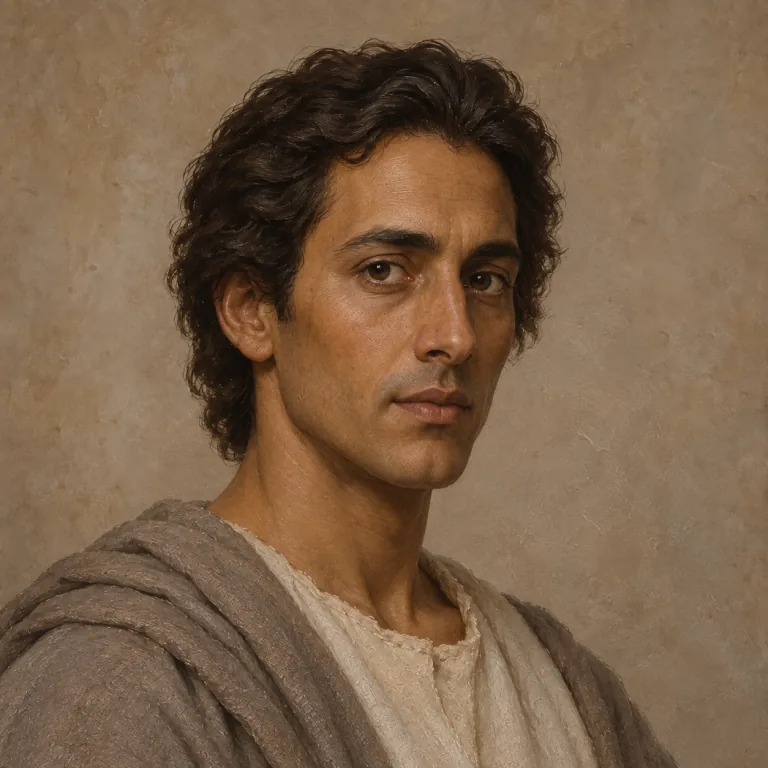 Herod the tetrarch
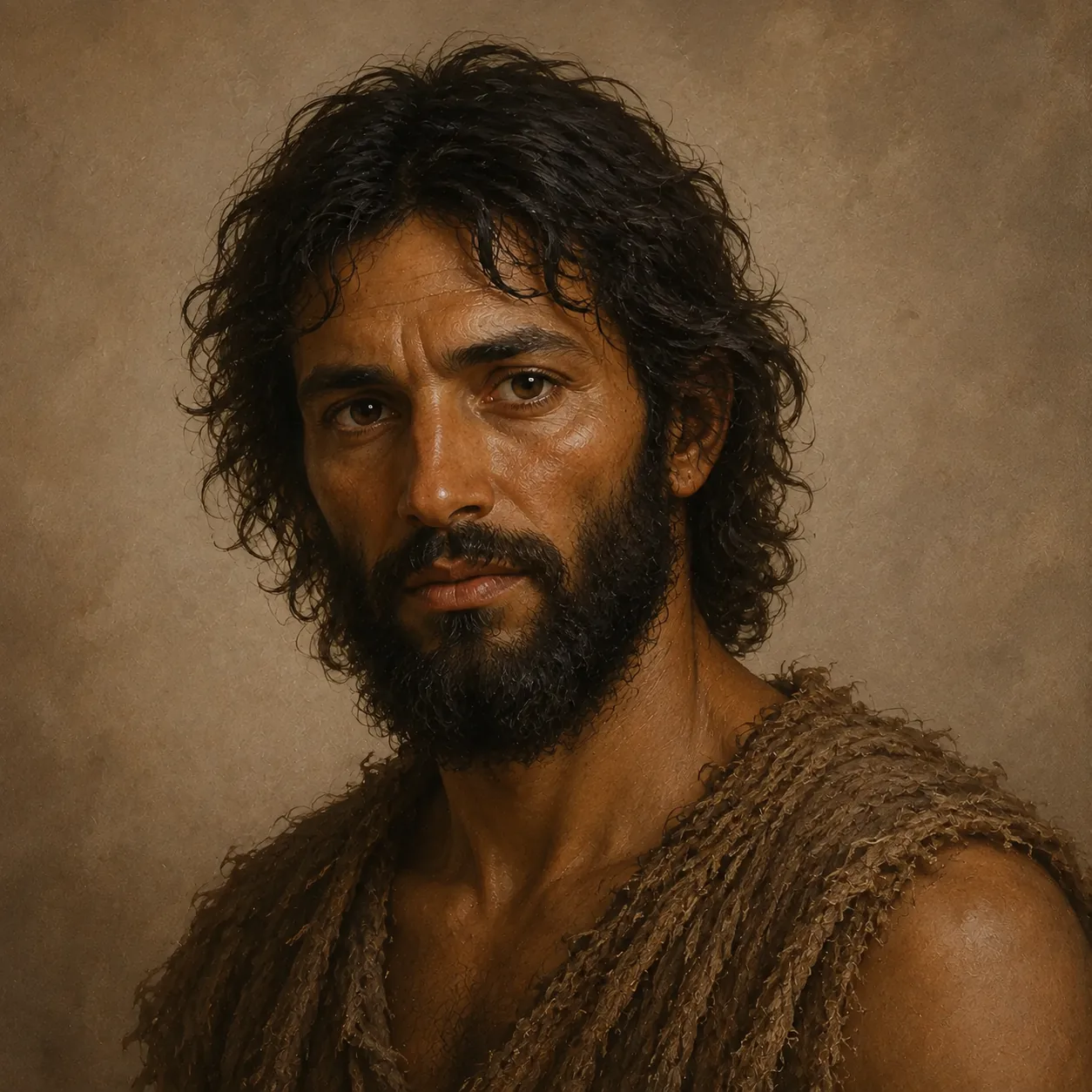 John the Baptist
 Herodias
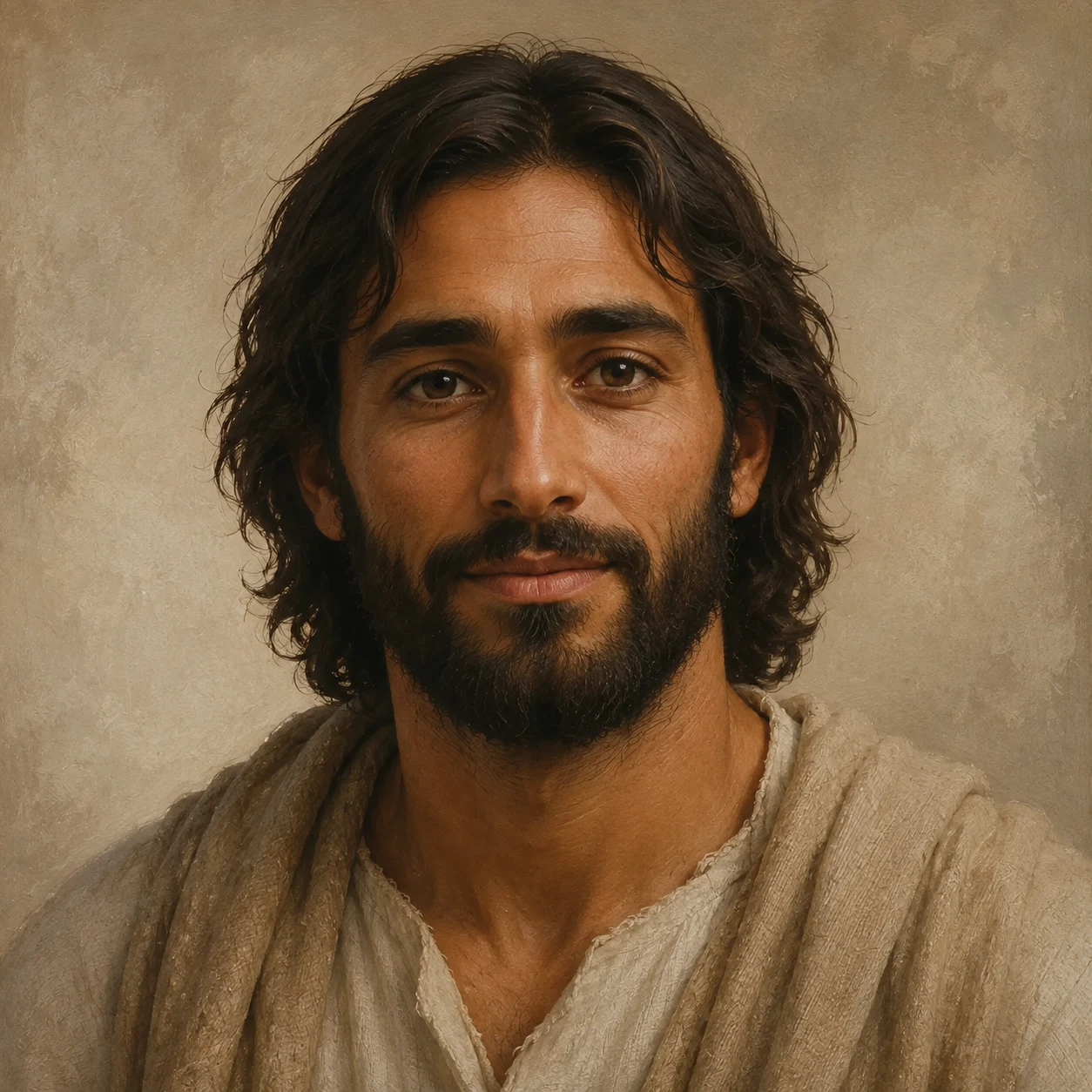 Jesus Christ
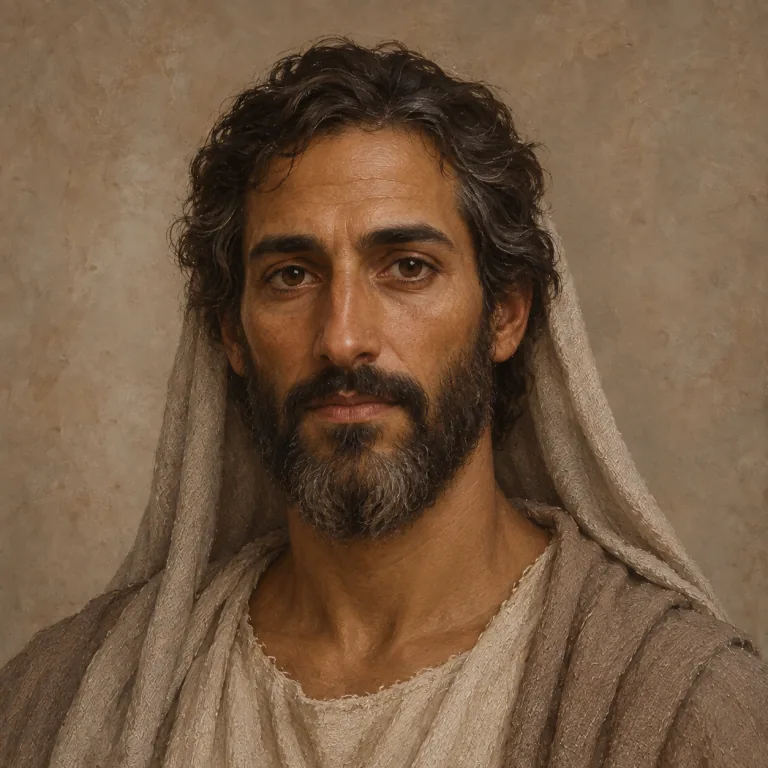 James (Brother of Jesus)
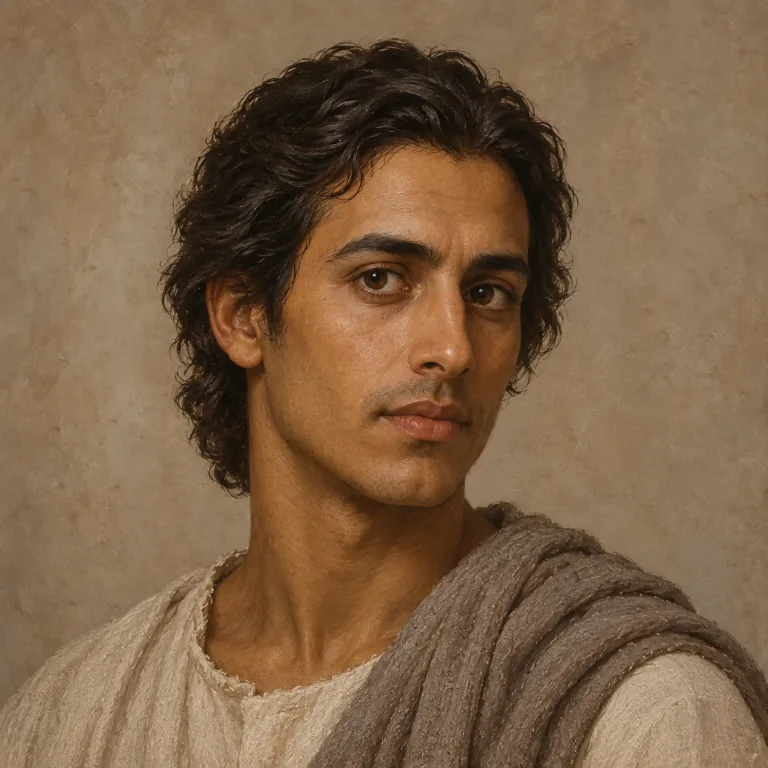 Jude
Jude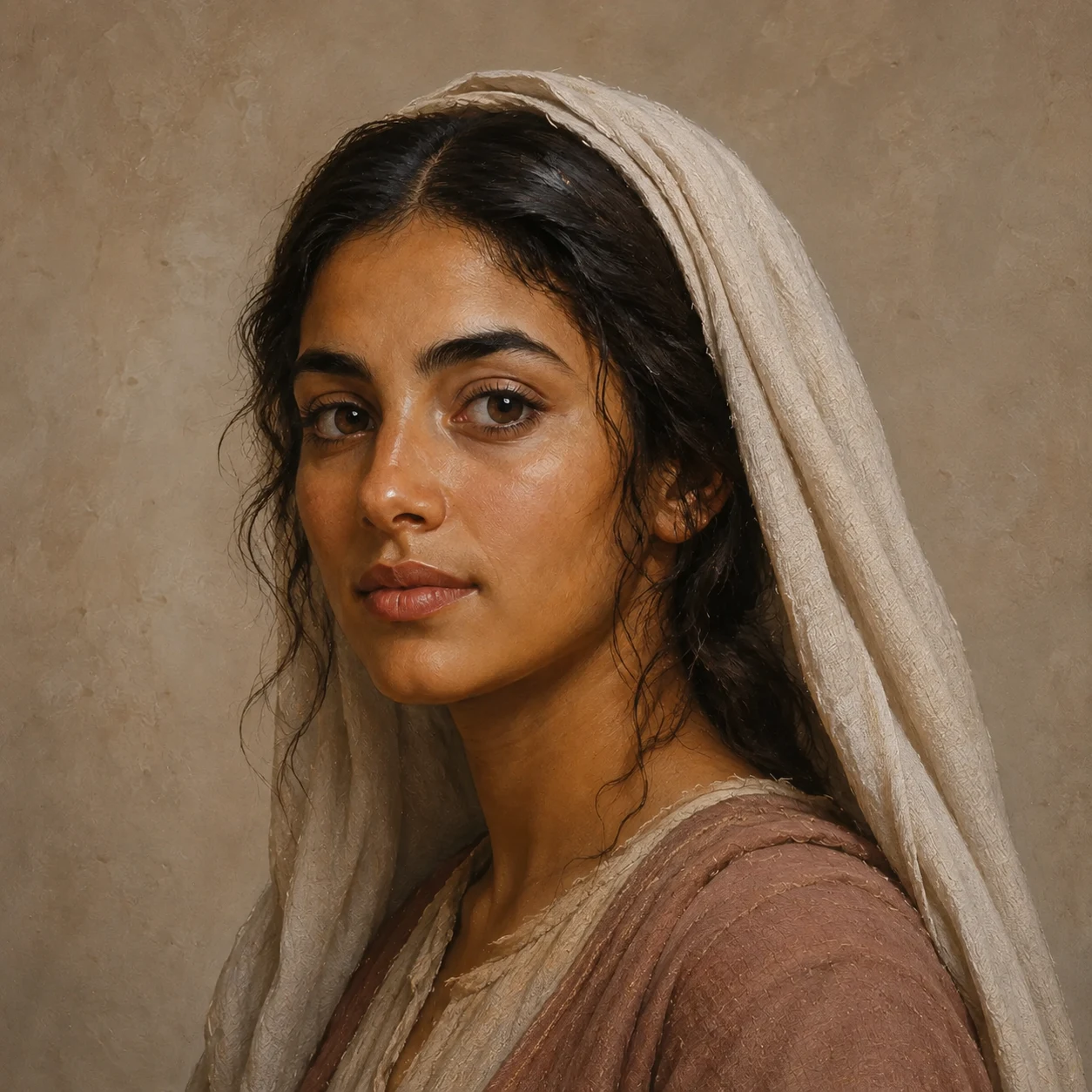 Mary, Mother of Jesus
Also indexed here:
- Joses
- Philip
- Simon