The Histories · Old Testament
2 Chronicles 14
2 Chronicles 14: Asa's reforms and the defeat of Zerah the Ethiopian
General context
Abijah is buried in the city of David and Asa reigns; in his days the land is quiet ten years. The narrator says Asa does what is good and right in the eyes of the Lord: he removes the altars of strange gods, the high places, the images and the groves, commands Judah to seek the Lord God of their fathers and keep the law, and clears the high places and images from all the cities of Judah, and the kingdom is quiet before him. He builds fenced cities because the Lord has given rest, telling Judah to build walls, towers, gates and bars while the land is before them, since they have sought the Lord and he has given them rest on every side; they build and prosper. His army is three hundred thousand from Judah with targets and spears and two hundred and eighty thousand from Benjamin with shields and bows. Zerah the Ethiopian comes against them with a thousand thousand men and three hundred chariots as far as Mareshah. Asa goes out and draws up in the valley of Zephathah at Mareshah, and cries to the Lord that it is nothing with him to help whether with many or with those who have no power, that Judah rests on him and goes in his name, and that man should not prevail against him. The Lord smites the Ethiopians, they flee, and Asa's people pursue them to Gerar, where they are overthrown before the Lord and his host. Judah takes much spoil, strikes the cities around Gerar as the fear of the Lord falls on them, plunders them, strikes the tents of cattle, carries off sheep and camels, and returns to Jerusalem.
Cited passages: 2 Chronicles 14:1, 2 Chronicles 14:2, 2 Chronicles 14:3, 2 Chronicles 14:4, 2 Chronicles 14:5, 2 Chronicles 14:6, 2 Chronicles 14:7, 2 Chronicles 14:8, 2 Chronicles 14:9, 2 Chronicles 14:10, 2 Chronicles 14:11, 2 Chronicles 14:12, 2 Chronicles 14:13, 2 Chronicles 14:14, 2 Chronicles 14:15
2 Chronicles 14 (KJV)
1So Abijah slept with his fathers, and they buried him in the city of David: and Asa his son reigned in his stead. In his days the land was quiet ten years.
2And Asa did that which was good and right in the eyes of the Lord his God:
3For he took away the altars of the strange gods, and the high places, and brake down the images, and cut down the groves:
4And commanded Judah to seek the Lord God of their fathers, and to do the law and the commandment.
5Also he took away out of all the cities of Judah the high places and the images: and the kingdom was quiet before him.
6And he built fenced cities in Judah: for the land had rest, and he had no war in those years; because the Lord had given him rest.
7Therefore he said unto Judah, Let us build these cities, and make about them walls, and towers, gates, and bars, while the land is yet before us; because we have sought the Lord our God, we have sought him, and he hath given us rest on every side. So they built and prospered.
8And Asa had an army of men that bare targets and spears, out of Judah three hundred thousand; and out of Benjamin, that bare shields and drew bows, two hundred and fourscore thousand: all these were mighty men of valour.
9And there came out against them Zerah the Ethiopian with an host of a thousand thousand, and three hundred chariots; and came unto Mareshah.
10Then Asa went out against him, and they set the battle in array in the valley of Zephathah at Mareshah.
11And Asa cried unto the Lord his God, and said, Lord, it is nothing with thee to help, whether with many, or with them that have no power: help us, O Lord our God; for we rest on thee, and in thy name we go against this multitude. O Lord, thou art our God; let not man prevail against thee.
12So the Lord smote the Ethiopians before Asa, and before Judah; and the Ethiopians fled.
13And Asa and the people that were with him pursued them unto Gerar: and the Ethiopians were overthrown, that they could not recover themselves; for they were destroyed before the Lord, and before his host; and they carried away very much spoil.
14And they smote all the cities round about Gerar; for the fear of the Lord came upon them: and they spoiled all the cities; for there was exceeding much spoil in them.
15They smote also the tents of cattle, and carried away sheep and camels in abundance, and returned to Jerusalem.
This page shows the King James Version. In the app, reading opens in the Berean Standard Bible unless you have chosen another translation. The reader includes five translations: the Berean Standard Bible (BSB), the King James Version (KJV), the World English Bible (WEB), the Bible in Basic English (BBE), and the American Standard Version (ASV). Search covers three of them: Berean Standard, King James, and World English. Basic English and American Standard readers search the King James words.
Historical context
The chapter gives two spans of quiet, ten years at the outset and no war in those years while the cities were built, and the next chapter extends the peace to Asa's thirty fifth year. The narrator says Asa removed the high places from all the cities of Judah, while the following chapter says the high places were not taken away out of Israel; both statements stand, one about Judah's cities and one about Israel. Zerah is identified only as the Ethiopian, his force as a thousand thousand with three hundred chariots, and he reaches Mareshah, one of the cities Rehoboam had fortified. The battle is not dated within the reign in this chapter; the next chapter's assembly in Asa's fifteenth year offers sacrifices from the spoil they had brought. Asa's prayer is his own speech; the victory is the narrator's report, and the phrase before the Lord, and before his host makes the army the Lord's. Hanani later recalls this battle as against the Ethiopians and the Lubims, a second people this chapter does not name. Gerar and the valley of Zephathah are named without further description, and the cities around Gerar are struck and plundered without any being named.
Cited passages: 2 Chronicles 14:1, 2 Chronicles 14:6, 2 Chronicles 15:19, 2 Chronicles 14:5, 2 Chronicles 15:17, 2 Chronicles 14:9, 2 Chronicles 11:8, 2 Chronicles 15:11, 2 Chronicles 14:11, 2 Chronicles 14:13, 2 Chronicles 16:8, 2 Chronicles 14:14
Literary context
The chapter falls into two halves, rest and war. The first half repeats quiet and rest and explains them twice, once as the Lord's gift and once in Asa's own words as the result of seeking him, so that the building of walls is framed as a response to peace rather than to threat. The second half sets a force of five hundred and eighty thousand against a thousand thousand and lets Asa's prayer state the disproportion: it is nothing with the Lord to help whether with many or with those who have no power. The prayer is short and ends by making the battle the Lord's own, let not man prevail against thee. The narrator then credits the Lord with the smiting and calls the army his host. Plunder fills the last three verses, spoil, more spoil, sheep and camels, so the chapter ends on what was carried away rather than on the prayer. The rest that opens the chapter and the reliance voiced in the prayer set up the prophet's word in the next chapter and the reversal in Asa's later years, when Hanani reminds him that he once relied on the Lord.
Cited passages: 2 Chronicles 14:5, 2 Chronicles 14:6, 2 Chronicles 14:7, 2 Chronicles 14:8, 2 Chronicles 14:9, 2 Chronicles 14:11, 2 Chronicles 14:12, 2 Chronicles 14:13, 2 Chronicles 14:14, 2 Chronicles 14:15, 2 Chronicles 16:8
Key moments
- Asa reigns in quiet (2 Chronicles 14:1). Asa succeeds Abijah and the land is quiet for ten years.
- Altars and high places removed (2 Chronicles 14:3). Asa takes away the strange altars, high places, images and groves.
- Let us build these cities (2 Chronicles 14:7). Asa tells Judah to fortify while the Lord has given rest.
- Zerah comes to Mareshah (2 Chronicles 14:9). Zerah the Ethiopian arrives with a thousand thousand men and three hundred chariots.
- Asa's prayer (2 Chronicles 14:11). Asa cries that it is nothing with the Lord to help the powerless against a multitude.
- The Ethiopians flee (2 Chronicles 14:12). The Lord smites the Ethiopians before Asa and Judah.
- Return with spoil (2 Chronicles 14:15). Judah carries off sheep and camels and returns to Jerusalem.
For reflection
Asa prays that it is nothing with the Lord to help whether with many or with those who have no power, while commanding an army of five hundred and eighty thousand. How does the chapter hold the prayer and the muster together?
People in this chapter

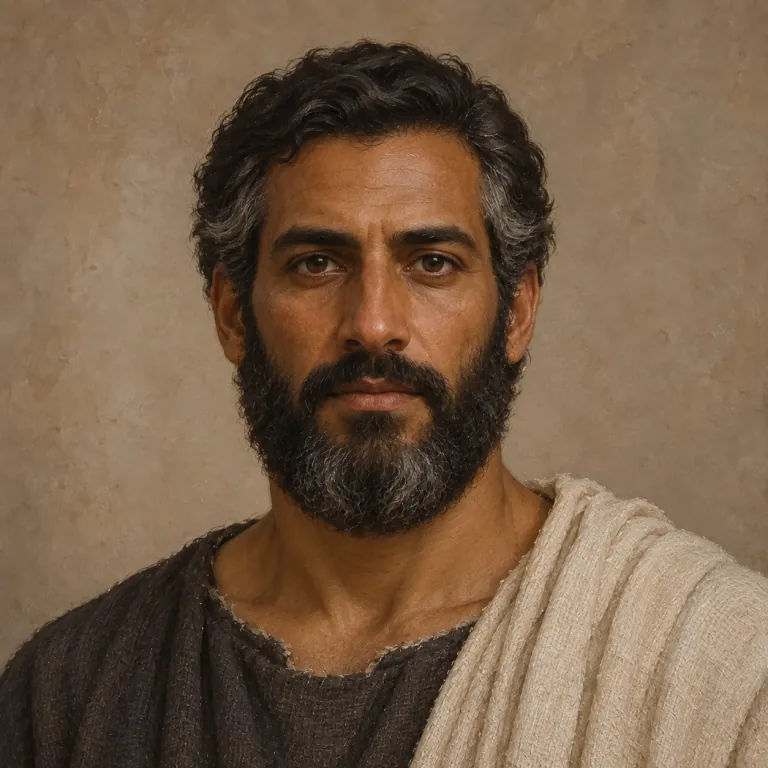

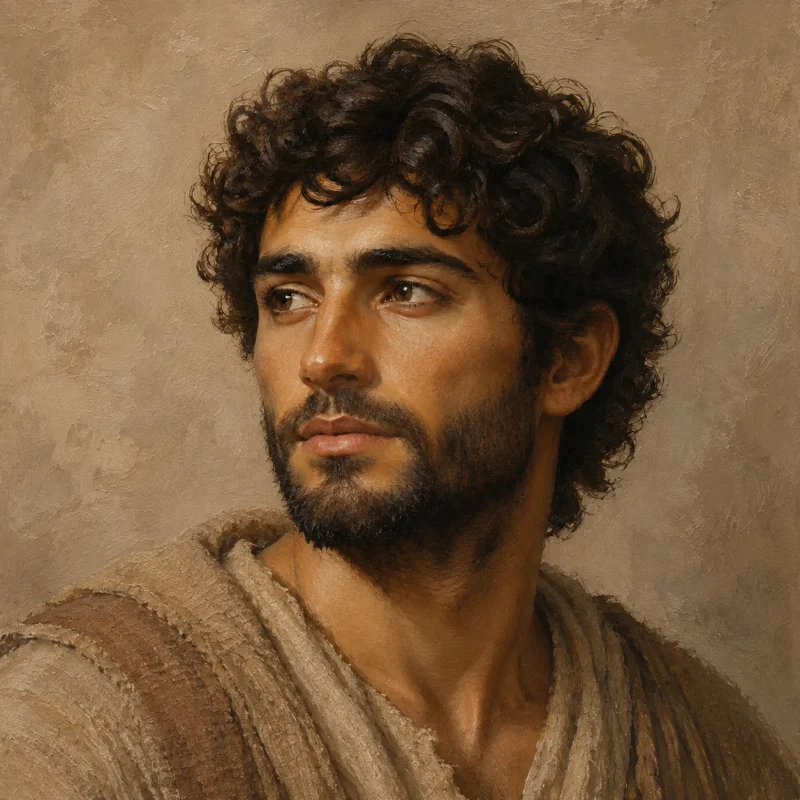
Also indexed here:
- Abijah
- Zerah