The Histories · Old Testament
Ezra 9
Ezra 9: the report of mixed marriages and Ezra's prayer of confession
General context
When these things are done, the princes come to Ezra and report that the people of Israel, the priests and the Levites have not separated themselves from the people of the lands but have followed their abominations, naming Canaanites, Hittites, Perizzites, Jebusites, Ammonites, Moabites, Egyptians and Amorites. They say the people have taken daughters of those lands for themselves and their sons, so that the holy seed is mingled, and that the princes and rulers have been chief in the trespass. Ezra rends his garment and mantle, plucks hair from his head and beard, and sits astonished until the evening sacrifice, while all who tremble at the words of God gather to him. At the evening sacrifice he kneels, spreads his hands and prays. He says he is ashamed to lift his face because the people's iniquities have grown over their heads; that since the days of the fathers they have been given to the sword, captivity and spoil; that for a little space grace has been shown, leaving a remnant, a nail in the holy place, and a reviving in bondage, with mercy from the kings of Persia to set up the house and give a wall in Judah and Jerusalem. He recalls the command given through the prophets not to intermarry with the peoples of the unclean land, says God has punished them less than they deserve, and asks whether they should again break the commandments and provoke God to consume them without remnant. He closes by confessing that God is righteous and that the people cannot stand before him because of this.
Cited passages: Ezra 9:1, Ezra 9:2, Ezra 9:3, Ezra 9:4, Ezra 9:5, Ezra 9:6, Ezra 9:7, Ezra 9:8, Ezra 9:9, Ezra 9:11, Ezra 9:12, Ezra 9:13, Ezra 9:14, Ezra 9:15
Ezra 9 (KJV)
1Now when these things were done, the princes came to me, saying, The people of Israel, and the priests, and the Levites, have not separated themselves from the people of the lands, doing according to their abominations, even of the Canaanites, the Hittites, the Perizzites, the Jebusites, the Ammonites, the Moabites, the Egyptians, and the Amorites.
2For they have taken of their daughters for themselves, and for their sons: so that the holy seed have mingled themselves with the people of those lands: yea, the hand of the princes and rulers hath been chief in this trespass.
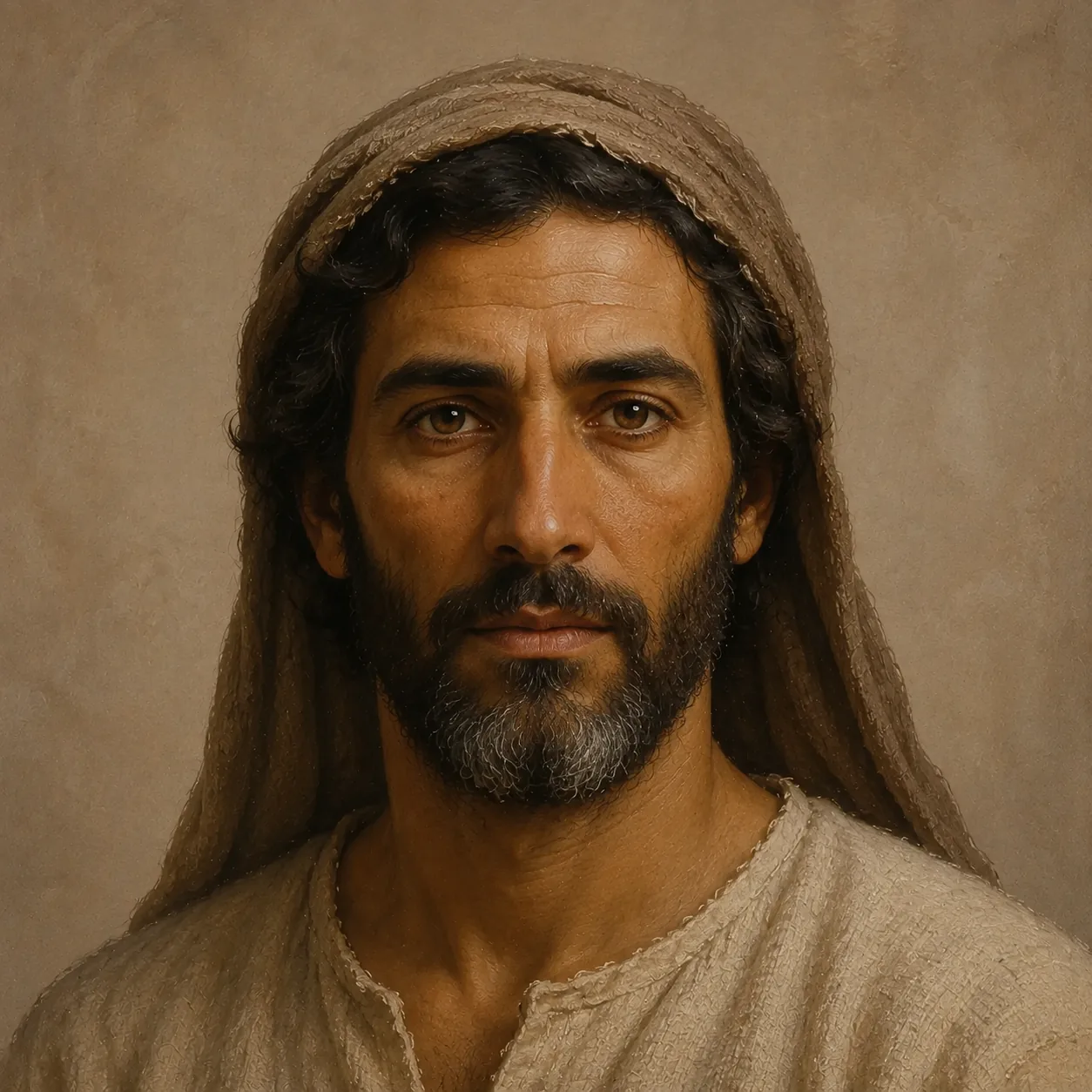
3And when I heard this thing, I rent my garment and my mantle, and plucked off the hair of my head and of my beard, and sat down astonied.
4Then were assembled unto me every one that trembled at the words of the God of Israel, because of the transgression of those that had been carried away; and I sat astonied until the evening sacrifice.
5And at the evening sacrifice I arose up from my heaviness; and having rent my garment and my mantle, I fell upon my knees, and spread out my hands unto the Lord my God,
6And said, O my God, I am ashamed and blush to lift up my face to thee, my God: for our iniquities are increased over our head, and our trespass is grown up unto the heavens.
7Since the days of our fathers have we been in a great trespass unto this day; and for our iniquities have we, our kings, and our priests, been delivered into the hand of the kings of the lands, to the sword, to captivity, and to a spoil, and to confusion of face, as it is this day.
8And now for a little space grace hath been shewed from the Lord our God, to leave us a remnant to escape, and to give us a nail in his holy place, that our God may lighten our eyes, and give us a little reviving in our bondage.
9For we were bondmen; yet our God hath not forsaken us in our bondage, but hath extended mercy unto us in the sight of the kings of Persia, to give us a reviving, to set up the house of our God, and to repair the desolations thereof, and to give us a wall in Judah and in Jerusalem.
10And now, O our God, what shall we say after this? for we have forsaken thy commandments,
11Which thou hast commanded by thy servants the prophets, saying, The land, unto which ye go to possess it, is an unclean land with the filthiness of the people of the lands, with their abominations, which have filled it from one end to another with their uncleanness.
12Now therefore give not your daughters unto their sons, neither take their daughters unto your sons, nor seek their peace or their wealth for ever: that ye may be strong, and eat the good of the land, and leave it for an inheritance to your children for ever.
13And after all that is come upon us for our evil deeds, and for our great trespass, seeing that thou our God hast punished us less than our iniquities deserve, and hast given us such deliverance as this;
14Should we again break thy commandments, and join in affinity with the people of these abominations? wouldest not thou be angry with us till thou hadst consumed us, so that there should be no remnant nor escaping?
15O Lord God of Israel, thou art righteous: for we remain yet escaped, as it is this day: behold, we are before thee in our trespasses: for we cannot stand before thee because of this.
This page shows the King James Version. In the app, reading opens in the Berean Standard Bible unless you have chosen another translation. The reader includes five translations: the Berean Standard Bible (BSB), the King James Version (KJV), the World English Bible (WEB), the Bible in Basic English (BBE), and the American Standard Version (ASV). Search covers three of them: Berean Standard, King James, and World English. Basic English and American Standard readers search the King James words.
Historical context
The chapter stays in Ezra's first-person voice. The charge of mixed marriage comes from the princes, and the list of eight peoples is their wording; the text does not say how many men were involved or name any until chapter 10. The princes state that leaders have been chief in the trespass, which Ezra's prayer does not deny. The evening sacrifice marks that the temple is in use, consistent with the completed house of chapter 6. In his prayer Ezra quotes a command he attributes to the prophets forbidding intermarriage with the peoples of the land; no prophet or book is named as the source. The prayer speaks of mercy from the kings of Persia and of a wall in Judah and in Jerusalem, although Ezra has narrated no building of a city wall, and Nehemiah 1 later reports the wall of Jerusalem broken down; the text leaves the phrase unexplained. Only one time marker is given, when these things were done, following the arrival in the fifth month and the delivery of the king's commissions in chapter 8; chapter 10 supplies the ninth month. Ezra's confession uses we and our throughout, including himself in the people's guilt, though nothing in the text charges him with any such marriage.
Cited passages: Ezra 9:1, Ezra 9:2, Ezra 9:4, Ezra 6:15, Ezra 9:11, Ezra 9:12, Ezra 9:9, Nehemiah 1:3, Ezra 8:36, Ezra 10:9, Ezra 9:7, Ezra 9:10
Literary context
The chapter falls into a report, a silent reaction, and a prayer. The report is brief and formal; the reaction is physical and wordless, with torn clothing, pulled hair and hours of sitting astonished until the evening sacrifice gives Ezra the moment to speak. The prayer moves from shame to history to grace to a question. Its language of smallness, a little space, a nail, a little reviving, sets the present mercy against the size of the guilt, which is said to be increased over our head and grown up unto the heavens. Ezra never asks for anything; the prayer ends with a confession that the people cannot stand, and the answer comes in chapter 10 from Shechaniah rather than from God. The clause as it is this day appears twice, at the low point of the history and at the close, fixing the prayer in the present. Those who tremble at the words of God are introduced as the audience, and chapter 10 makes them a party to the covenant.
Cited passages: Ezra 9:3, Ezra 9:5, Ezra 9:8, Ezra 9:6, Ezra 9:14, Ezra 9:15, Ezra 10:2, Ezra 9:7, Ezra 9:4, Ezra 10:3
Key moments
- The princes' report (Ezra 9:1). The princes tell Ezra that people, priests and Levites have not separated from the peoples of the lands.
- Leaders chief in the trespass (Ezra 9:2). The report singles out princes and rulers as foremost in taking foreign wives.
- Torn garment and pulled hair (Ezra 9:3). Ezra rends his clothes, plucks his hair and beard, and sits astonished.
- Prayer at the evening sacrifice (Ezra 9:5). Ezra kneels and spreads his hands to the Lord.
- A nail in his holy place (Ezra 9:8). Ezra describes the present mercy as a remnant, a nail and a little reviving.
- Should we again break? (Ezra 9:14). Ezra asks whether the people should repeat the sin that once brought judgment.
- We cannot stand (Ezra 9:15). The prayer ends in confession that God is righteous and the people cannot stand before him.
For reflection
Ezra's prayer confesses we and our throughout, though nothing in the text charges him with the trespass himself. What does it do to a confession when the one praying counts himself inside the guilt he did not personally commit?
People in this chapter
Also indexed here: