Person in the New Testament
Mary Magdalene
Mary Magdalene: healed of seven devils, and first at the sepulchre
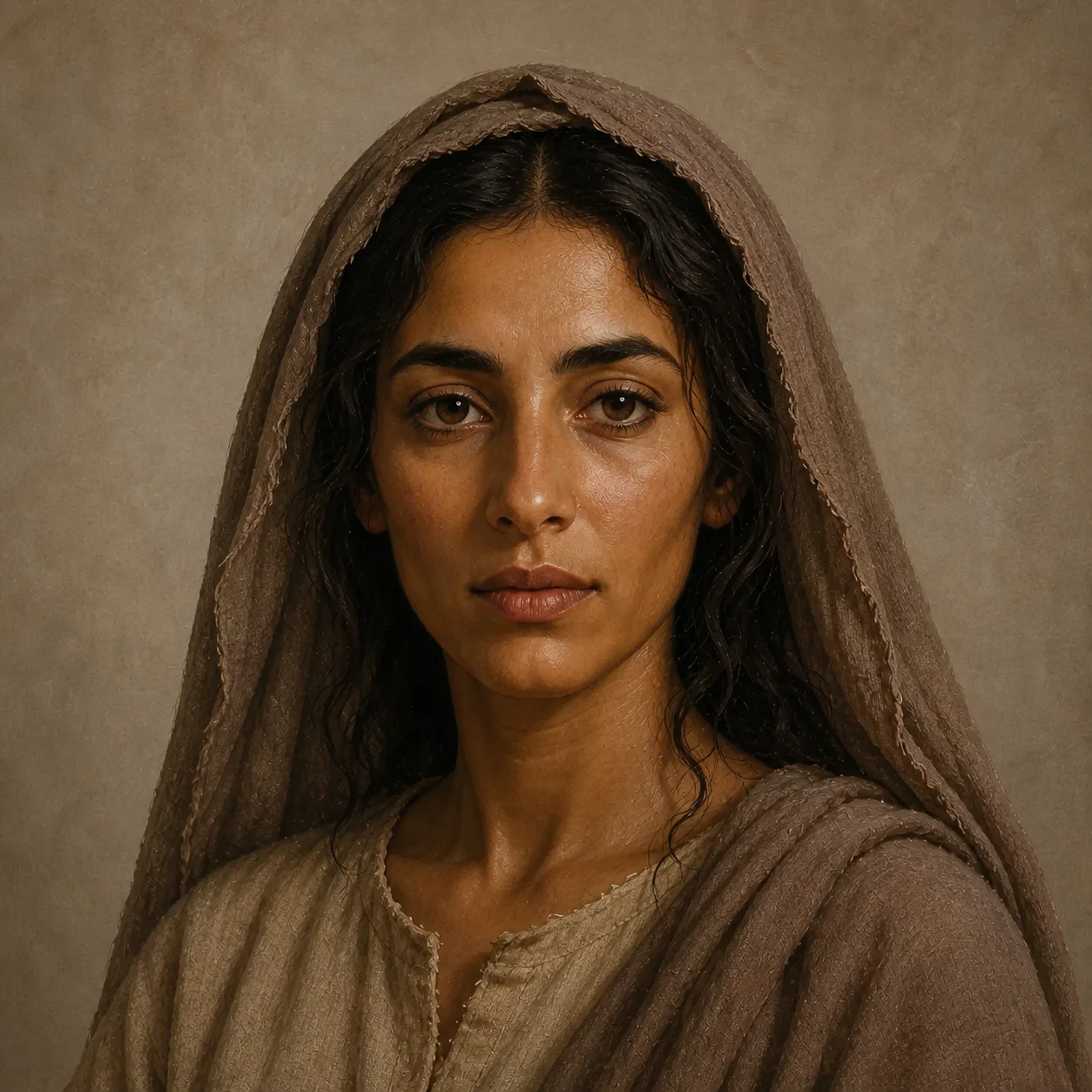
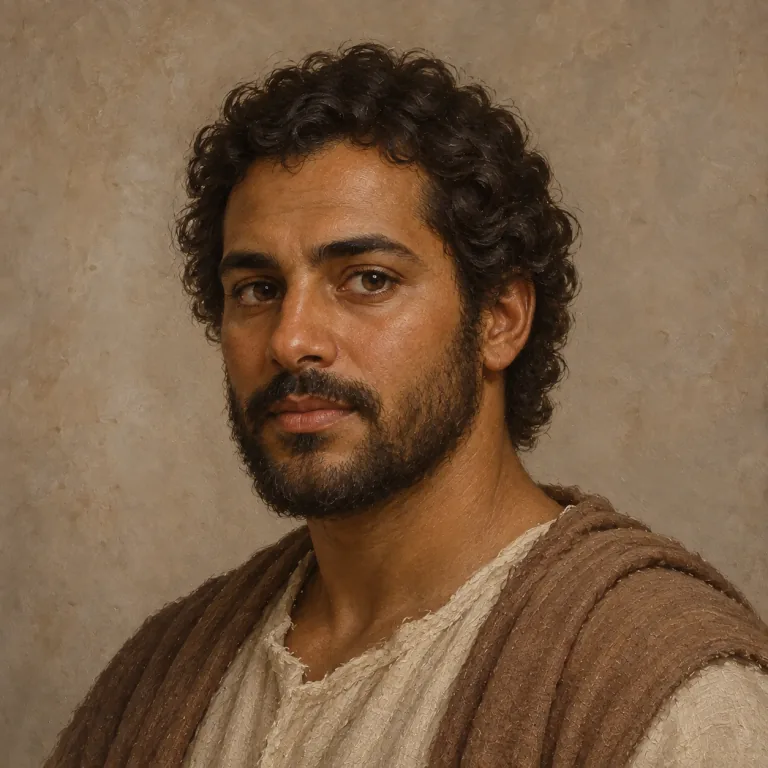
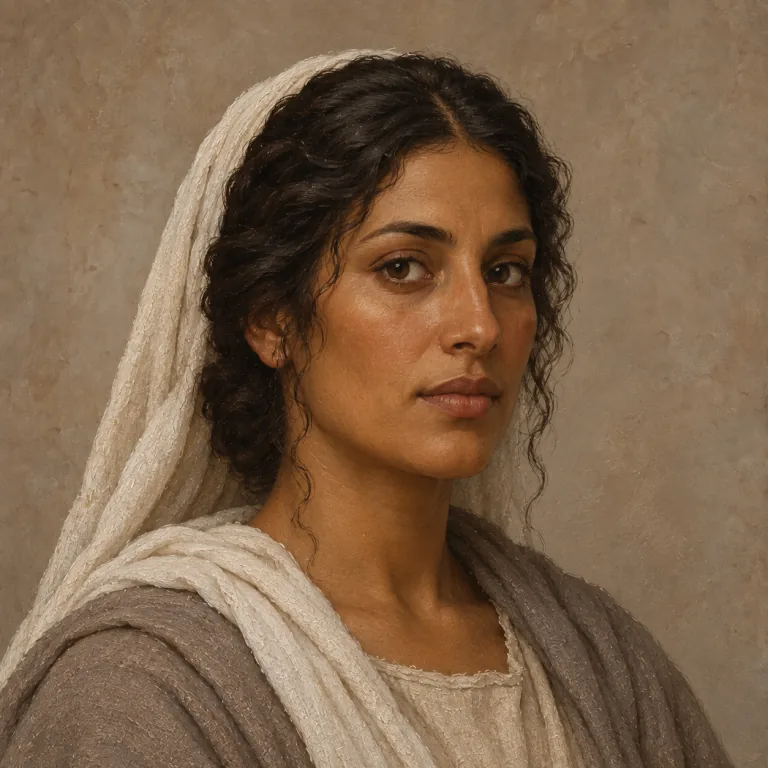
Portrait: an AI-generated artistic interpretation, not evidence of how Mary Magdalene looked.
Who Mary Magdalene is
Luke lists her among certain women healed of evil spirits and infirmities, Mary called Magdalene, out of whom went seven devils, travelling with Jesus and the twelve and providing for them of their substance. Matthew and Mark name her among women looking on the crucifixion from afar, who had followed him from Galilee and ministered to him. Matthew says she and the other Mary sat over against the sepulchre; Mark says she and Mary the mother of Joses beheld where he was laid. John places her by the cross with Jesus' mother. After the sabbath Mark has her buying sweet spices to anoint him, Matthew has her coming with the other Mary to see the sepulchre, and Luke names her among the women whose report the apostles took for idle tales. John has her come alone while it is yet dark, find the stone taken away, run to Simon Peter and the other disciple, stand weeping outside, see two angels, take Jesus for the gardener, and know him when he says her name; he tells her not to touch him and sends her to his brethren, and she tells the disciples she has seen the Lord. Mark states that he appeared first to her and that those she told did not believe.
Cited passages: Luke 8:2, Luke 8:3, Matthew 27:55, Matthew 27:56, Matthew 27:61, Mark 15:40, Mark 15:41, Mark 15:47, Mark 16:1, Mark 16:9, Mark 16:10, Mark 16:11, Luke 24:10, Luke 24:11, John 19:25, John 20:1, John 20:2, John 20:11, John 20:12, John 20:13, John 20:14, John 20:15, John 20:16, John 20:17, John 20:18, Matthew 28:1
Historical setting
The name Magdalene is what distinguishes her from the other women called Mary in the same scenes: Mary the mother of James and Joses, Mary the wife of Cleophas, and the mother of Jesus. Two verses say seven devils went out of her, and neither says anything about her life before that. No passage calls her a prostitute. Nothing in the text connects her with the unnamed woman in the city which was a sinner in Luke 7, and nothing identifies her with Mary of Bethany, whom John names as the sister of Martha and of Lazarus. Luke names her first in a list of women who provided for the group out of their substance, beside Joanna and Susanna, and supplies no husband, family or age. The four accounts of the morning at the sepulchre differ over who comes with her and what she brings, and none of them gives a date.
Cited passages: Luke 8:2, Luke 8:3, Mark 16:9, Matthew 27:56, John 19:25, Luke 7:37, Luke 7:39, John 11:1, John 11:2, Matthew 28:1, Mark 16:1, John 20:1, Luke 24:10
How the story is told
In the passion accounts she appears inside lists of watching women, at a distance, and the same lists return at the cross, at the burial and at the morning visit, so her name marks each stage. Mark holds the three together with looking on afar off and then beholding where he was laid. John narrows to her alone and gives her a sustained recognition scene: she asks the man she takes for the gardener to tell her where the body is, and is turned by a single word, her own name. Her reply, Rabboni, is glossed in the text for the reader. She is then given a message and the narrator records that she delivered it. Both Luke and Mark note what met the women's report, words that seemed as idle tales and hearers who believed not.
Cited passages: Matthew 27:55, Matthew 27:56, Matthew 27:61, Mark 15:40, Mark 15:47, Mark 16:1, John 20:11, John 20:13, John 20:14, John 20:15, John 20:16, John 20:17, John 20:18, Luke 24:10, Luke 24:11, Mark 16:10, Mark 16:11
Story moments
- Seven devils went out (Luke 8:2). Luke introduces her among women healed of evil spirits and infirmities.
- Looking on afar off (Mark 15:40). She is named among the women watching the crucifixion from a distance.
- She beheld where he was laid (Mark 15:47). She and Mary the mother of Joses see the burial place.
- Spices after the sabbath (Mark 16:1). She buys sweet spices with two other women to anoint him.
- The stone taken away (John 20:1). She comes to the sepulchre while it is yet dark and finds it open.
- Jesus saith unto her, Mary (John 20:16). She knows him when he says her name and answers Rabboni.
- She told the disciples (John 20:18). She reports that she has seen the Lord and what he said to her.
Key passages
Matthew 27:56
Among which was Mary Magdalene, and Mary the mother of James and Joses, and the mother of Zebedee’s children.
Matthew 27:61
And there was Mary Magdalene, and the other Mary, sitting over against the sepulchre.
Matthew 28:1
In the end of the sabbath, as it began to dawn toward the first day of the week, came Mary Magdalene and the other Mary to see the sepulchre.
Mark 15:40
There were also women looking on afar off: among whom was Mary Magdalene, and Mary the mother of James the less and of Joses, and Salome;
Mark 15:47
And Mary Magdalene and Mary the mother of Joses beheld where he was laid.
Mark 16:1
And when the sabbath was past, Mary Magdalene, and Mary the mother of James, and Salome, had bought sweet spices, that they might come and anoint him.
King James Version. 14 indexed passages in total.
For reflection
The accounts name her again and again as someone watching, following and reporting, and give her very few lines of her own. What changes about her if you read only what she is recorded as saying?
Books Mary Magdalene appears in
Related people
Names and references are adapted from STEPBible TIPNR. A person listed with a verse is named or indexed there; it does not mean they wrote or spoke it.