Person in the Old Testament
Vashti
Vashti: the queen who refused the king's summons

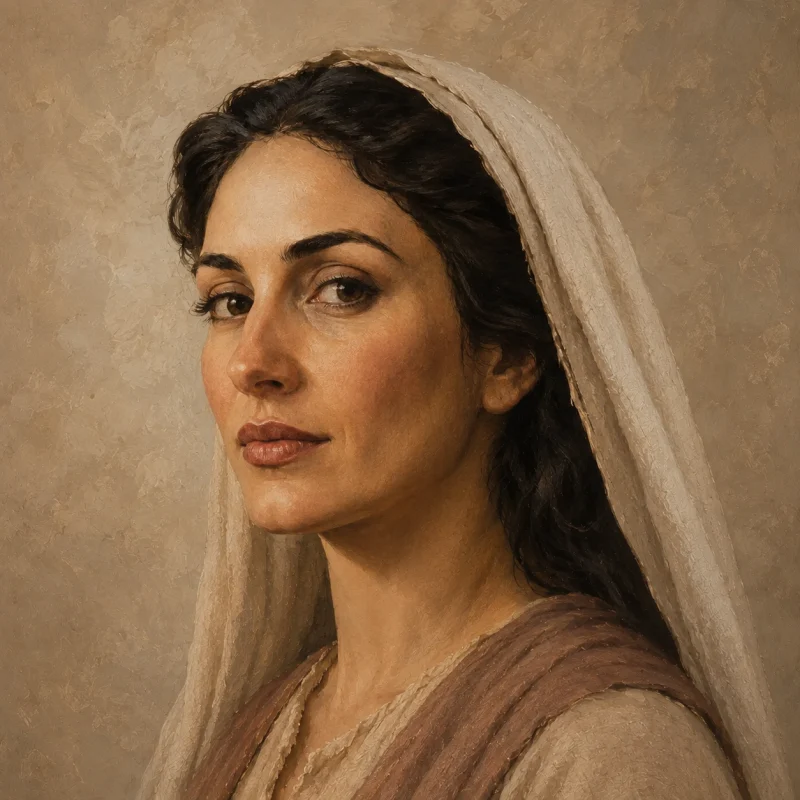
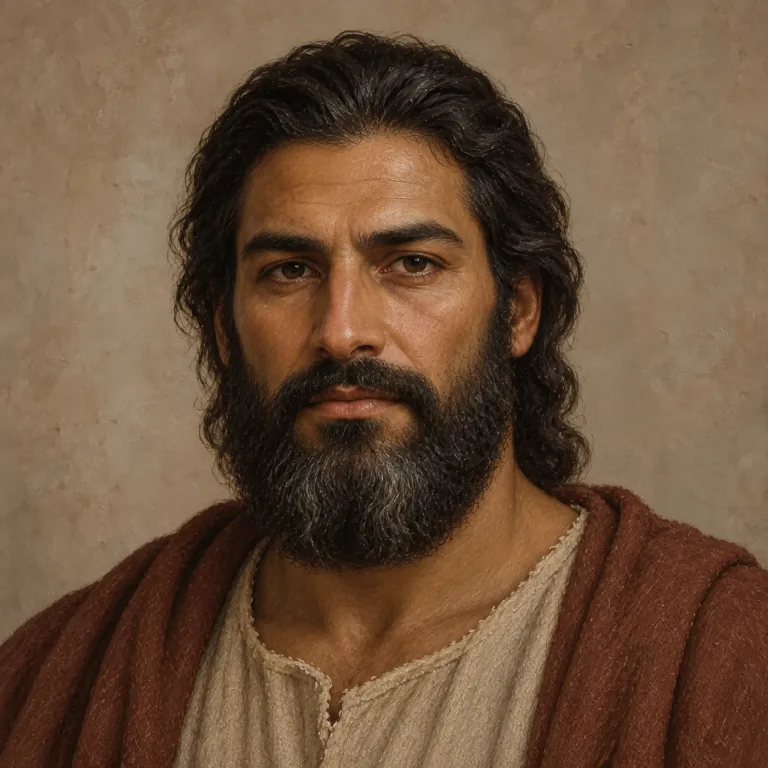
Portrait: an AI-generated artistic interpretation, not evidence of how Vashti looked.
Who Vashti is
Vashti is the queen of king Ahasuerus at the opening of the book. While the king feasts the people of Shushan for seven days, she makes a feast for the women in the royal house. On the seventh day the king, merry with wine, commands his seven chamberlains to bring Vashti before him wearing the crown royal so that the people and princes may see her beauty. Vashti refuses to come at the king's commandment by his chamberlains, and the king is very angry. He asks his wise men what should be done to her according to law. Memucan answers that her deed wrongs all the princes and all the people, because women everywhere will hear that the king commanded Vashti and she did not come, and will despise their husbands. He proposes a royal commandment, written among the laws of the Persians and Medes so it cannot be altered, that Vashti come no more before the king and that her royal estate be given to another better than she. The king does as Memucan says. Later, when his wrath is appeased, he remembers Vashti and what was decreed against her; his servants propose a search for a new queen instead of Vashti, and the narrator says Esther is made queen instead of Vashti.
Cited passages: Esther 1:9, Esther 1:10, Esther 1:11, Esther 1:12, Esther 1:15, Esther 1:16, Esther 1:17, Esther 1:19, Esther 1:21, Esther 2:1, Esther 2:4, Esther 2:17
Historical setting
Vashti appears in ten verses, all in the first two chapters of Esther. The text calls her the queen and Vashti the queen, and gives no family, origin or later history. She never speaks; her refusal is the narrator's single clause, and no reason for it is stated. Memucan's account of what her deed will cause among the women of the empire is his argument before the king, not a narrator's report of anything that happened. The decree bars her from coming before the king and gives her royal estate to another; the text does not say that she is killed, sent away or otherwise punished, and after the king remembers her and what was decreed against her she is mentioned only as the queen Esther replaces. The seven chamberlains sent to fetch her are named, and her own feast is placed in the royal house that belonged to the king. What she thought, and what became of her, the book leaves unstated.
Cited passages: Esther 1:9, Esther 1:12, Esther 1:16, Esther 1:17, Esther 1:19, Esther 2:1, Esther 2:4, Esther 1:10
How the story is told
Vashti's refusal is the first refusal in the book, and it comes before Mordecai's refusal to bow. The narrator gives it one clause and then gives the men's deliberation ten verses, so the reader hears everything about her except her own voice. The king wants to show her beauty just after showing the riches of his kingdom, which sets her among the things on display. Her removal makes the vacancy through which Esther enters, and the phrase instead of Vashti keeps her in view as the measure of the new queen. The two queens are set in contrast: Vashti will not come when summoned, and Esther later comes when not summoned, at the risk of her life. The narrator neither blames nor praises Vashti, and the decree that follows her refusal, that every man should rule in his own house, reads as the men's answer to a question the text never lets her answer.
Cited passages: Esther 1:12, Esther 3:2, Esther 1:13, Esther 1:4, Esther 1:11, Esther 2:4, Esther 2:17, Esther 4:11, Esther 5:1, Esther 1:22
Story moments
- A feast for the women (Esther 1:9). Vashti the queen holds her own feast in the royal house.
- The refusal (Esther 1:12). Vashti refuses to come at the king's command, and his anger burns.
- Barred from the king (Esther 1:19). Memucan proposes that Vashti come no more before the king and lose her estate.
- Remembered by the king (Esther 2:1). When his wrath is appeased the king remembers Vashti and the decree.
- Replaced by Esther (Esther 2:17). Esther is made queen instead of Vashti.
Key passages
Esther 1:9
Also Vashti the queen made a feast for the women in the royal house which belonged to king Ahasuerus.
Esther 1:11
To bring Vashti the queen before the king with the crown royal, to shew the people and the princes her beauty: for she was fair to look on.
Esther 1:12
But the queen Vashti refused to come at the king’s commandment by his chamberlains: therefore was the king very wroth, and his anger burned in him.
Esther 1:15
What shall we do unto the queen Vashti according to law, because she hath not performed the commandment of the king Ahasuerus by the chamberlains?
Esther 1:16
And Memucan answered before the king and the princes, Vashti the queen hath not done wrong to the king only, but also to all the princes, and to all the people that are in all the provinces of the king Ahasuerus.
Esther 1:17
For this deed of the queen shall come abroad unto all women, so that they shall despise their husbands in their eyes, when it shall be reported, The king Ahasuerus commanded Vashti the queen to be brought in before him, but she came not.
King James Version. 10 indexed passages in total.
For reflection
Vashti's refusal is reported in one clause with no reason attached. What is a reader to do with a character the text lets act but never lets speak?
Books Vashti appears in
Related people
Names and references are adapted from STEPBible TIPNR. A person listed with a verse is named or indexed there; it does not mean they wrote or spoke it.