The Histories · Old Testament
2 Kings 13
2 Kings 13: Jehoahaz and Jehoash of Israel, and the death of Elisha
General context
Jehoahaz the son of Jehu begins to reign over Israel in the twenty-third year of Joash of Judah and reigns seventeen years. He does evil in Jeroboam's way, and the Lord gives Israel into the hand of Hazael and of Ben-hadad his son. Jehoahaz entreats the Lord, who sees Syria's oppression; in a parenthesis the narrator says the Lord gave Israel a saviour, though the people kept Jeroboam's sins and the grove in Samaria. Syria leaves Jehoahaz only fifty horsemen, ten chariots and ten thousand footmen. He dies and Joash his son reigns. Jehoash the son of Jehoahaz begins in the thirty-seventh year of Joash of Judah, reigns sixteen years, does evil, and the formula mentions his war against Amaziah of Judah; he dies and Jeroboam takes his throne. The narrator then returns to Elisha, sick with the illness of which he dies. Joash weeps over him and calls him the chariot of Israel and its horsemen. Elisha has the king take bow and arrows, lays his hands on the king's hands, opens the eastward window and has him shoot, naming the arrow the Lord's deliverance from Syria at Aphek. Told to strike the ground, the king strikes three times and stops; Elisha is angry, saying five or six strikes would have finished Syria, but now he will beat it only three times. Elisha dies and is buried. Moabite bands invade; a corpse thrown into Elisha's tomb touches his bones and revives. Hazael oppresses Israel through Jehoahaz's days, but the Lord spares Israel for the covenant with Abraham, Isaac and Jacob. Hazael dies, Ben-hadad reigns, and Jehoash beats him three times and recovers the cities.
Cited passages: 2 Kings 13:1, 2 Kings 13:2, 2 Kings 13:3, 2 Kings 13:4, 2 Kings 13:5, 2 Kings 13:6, 2 Kings 13:7, 2 Kings 13:9, 2 Kings 13:10, 2 Kings 13:12, 2 Kings 13:13, 2 Kings 13:14, 2 Kings 13:16, 2 Kings 13:17, 2 Kings 13:18, 2 Kings 13:19, 2 Kings 13:20, 2 Kings 13:21, 2 Kings 13:22, 2 Kings 13:23, 2 Kings 13:24, 2 Kings 13:25
2 Kings 13 (KJV)
1In the three and twentieth year of Joash the son of Ahaziah king of Judah Jehoahaz the son of Jehu began to reign over Israel in Samaria, and reigned seventeen years.
2And he did that which was evil in the sight of the Lord, and followed the sins of Jeroboam the son of Nebat, which made Israel to sin; he departed not therefrom.
3And the anger of the Lord was kindled against Israel, and he delivered them into the hand of Hazael king of Syria, and into the hand of Ben-hadad the son of Hazael, all their days.
4And Jehoahaz besought the Lord, and the Lord hearkened unto him: for he saw the oppression of Israel, because the king of Syria oppressed them.
5(And the Lord gave Israel a saviour, so that they went out from under the hand of the Syrians: and the children of Israel dwelt in their tents, as beforetime.
6Nevertheless they departed not from the sins of the house of Jeroboam, who made Israel sin, but walked therein: and there remained the grove also in Samaria.)
7Neither did he leave of the people to Jehoahaz but fifty horsemen, and ten chariots, and ten thousand footmen; for the king of Syria had destroyed them, and had made them like the dust by threshing.
8Now the rest of the acts of Jehoahaz, and all that he did, and his might, are they not written in the book of the chronicles of the kings of Israel?
9And Jehoahaz slept with his fathers; and they buried him in Samaria: and Joash his son reigned in his stead.
10In the thirty and seventh year of Joash king of Judah began Jehoash the son of Jehoahaz to reign over Israel in Samaria, and reigned sixteen years.
11And he did that which was evil in the sight of the Lord; he departed not from all the sins of Jeroboam the son of Nebat, who made Israel sin: but he walked therein.
12And the rest of the acts of Joash, and all that he did, and his might wherewith he fought against Amaziah king of Judah, are they not written in the book of the chronicles of the kings of Israel?
13And Joash slept with his fathers; and Jeroboam sat upon his throne: and Joash was buried in Samaria with the kings of Israel.
14Now Elisha was fallen sick of his sickness whereof he died. And Joash the king of Israel came down unto him, and wept over his face, and said, O my father, my father, the chariot of Israel, and the horsemen thereof.
15And Elisha said unto him, Take bow and arrows. And he took unto him bow and arrows.
16And he said to the king of Israel, Put thine hand upon the bow. And he put his hand upon it: and Elisha put his hands upon the king’s hands.
17And he said, Open the window eastward. And he opened it. Then Elisha said, Shoot. And he shot. And he said, The arrow of the Lord’s deliverance, and the arrow of deliverance from Syria: for thou shalt smite the Syrians in Aphek, till thou have consumed them.
18And he said, Take the arrows. And he took them. And he said unto the king of Israel, Smite upon the ground. And he smote thrice, and stayed.
19And the man of God was wroth with him, and said, Thou shouldest have smitten five or six times; then hadst thou smitten Syria till thou hadst consumed it: whereas now thou shalt smite Syria but thrice.
20And Elisha died, and they buried him. And the bands of the Moabites invaded the land at the coming in of the year.
21And it came to pass, as they were burying a man, that, behold, they spied a band of men; and they cast the man into the sepulchre of Elisha: and when the man was let down, and touched the bones of Elisha, he revived, and stood up on his feet.
22But Hazael king of Syria oppressed Israel all the days of Jehoahaz.
23And the Lord was gracious unto them, and had compassion on them, and had respect unto them, because of his covenant with Abraham, Isaac, and Jacob, and would not destroy them, neither cast he them from his presence as yet.
24So Hazael king of Syria died; and Ben-hadad his son reigned in his stead.
25And Jehoash the son of Jehoahaz took again out of the hand of Ben-hadad the son of Hazael the cities, which he had taken out of the hand of Jehoahaz his father by war. Three times did Joash beat him, and recovered the cities of Israel.
This page shows the King James Version. In the app, reading opens in the Berean Standard Bible unless you have chosen another translation. The reader includes five translations: the Berean Standard Bible (BSB), the King James Version (KJV), the World English Bible (WEB), the Bible in Basic English (BBE), and the American Standard Version (ASV). Search covers three of them: Berean Standard, King James, and World English. Basic English and American Standard readers search the King James words.
Historical context
Two kings named Joash overlap here. Joash the son of Ahaziah rules Judah and supplies the synchronisms; Jehoash the son of Jehoahaz rules Israel, and the KJV spells him "Jehoash" in verses 10 and 25 and "Joash" in verses 12 to 14 and 25. The Ben-hadad of this chapter is "the son of Hazael", not the Ben-hadad whom Hazael succeeded in 8:15. The "saviour" of verse 5 is unnamed, and the text does not identify him. The order of events is not strictly chronological: the Israelite Jehoash's death and burial are reported in verse 13, and his visit to the dying Elisha and his three victories follow it. Elisha's death is told in a single clause and he is buried, unlike Elijah, who "went up by a whirlwind into heaven". Joash's words over Elisha repeat Elisha's own cry when Elijah was taken. The revived man in the tomb is unnamed and nothing further is said of him. The Lord's forbearance is grounded in "his covenant with Abraham, Isaac, and Jacob", with the qualifier "as yet". The chapter gives regnal years and troop numbers but no other dating.
Cited passages: 2 Kings 13:1, 2 Kings 13:10, 2 Kings 13:12, 2 Kings 13:25, 2 Kings 8:15, 2 Kings 13:5, 2 Kings 13:13, 2 Kings 13:14, 2 Kings 13:20, 2 Kings 2:11, 2 Kings 2:12, 2 Kings 13:21, 2 Kings 13:23, 2 Kings 13:7
Literary context
Most of the chapter is regnal formula, accession, verdict, source note and burial, for two kings in turn, with a parenthesis about a saviour and a note on how little army was left. The Elisha scene sits inside that frame and is told as an enacted sign: command and act alternate in short clauses, "Shoot. And he shot", and the meaning is announced only after the arrow flies. The king's "thrice, and stayed" is measured against Elisha's "five or six times", and the final verse confirms "Three times did Joash beat him", so the sign and the outcome match. Joash's cry over Elisha borrows Elisha's own words over Elijah, linking the end of the one prophet to the departure of the other, though this ending is a sickbed and a grave. The tomb story is a single verse without comment. The chapter twice states that Hazael oppressed Israel through Jehoahaz's days, and sets the covenant with the patriarchs, "as yet", against that pressure.
Cited passages: 2 Kings 13:8, 2 Kings 13:11, 2 Kings 13:17, 2 Kings 13:18, 2 Kings 13:19, 2 Kings 13:25, 2 Kings 13:14, 2 Kings 2:12, 2 Kings 13:20, 2 Kings 13:21, 2 Kings 13:3, 2 Kings 13:22, 2 Kings 13:23
Key moments
- Israel given to Hazael (2 Kings 13:3). The narrator says the Lord delivered Israel into the hands of Hazael and his son.
- An army of dust (2 Kings 13:7). Only fifty horsemen, ten chariots and ten thousand footmen remain to Jehoahaz.
- Joash weeps over Elisha (2 Kings 13:14). The king calls the dying prophet the chariot of Israel and its horsemen.
- The arrow of deliverance (2 Kings 13:17). With Elisha's hands on his, the king shoots eastward and the arrow is named.
- Thrice, and stayed (2 Kings 13:19). Elisha is angry that the king struck the ground only three times.
- A corpse revives at Elisha's bones (2 Kings 13:21). A man thrown into the prophet's tomb touches his bones and stands up.
- Three victories over Ben-hadad (2 Kings 13:25). Jehoash recovers the cities of Israel, beating Syria three times.
For reflection
Elisha is angry that the king struck the ground three times and stopped, though no number had been given. What does the scene suggest about the king's part in a sign whose meaning is announced only afterward?
People in this chapter
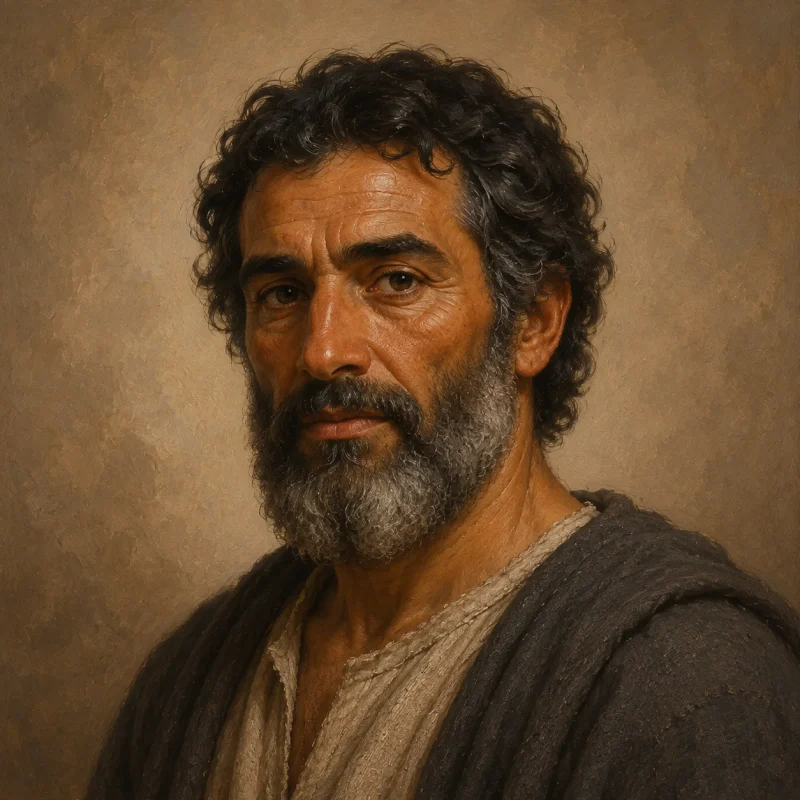
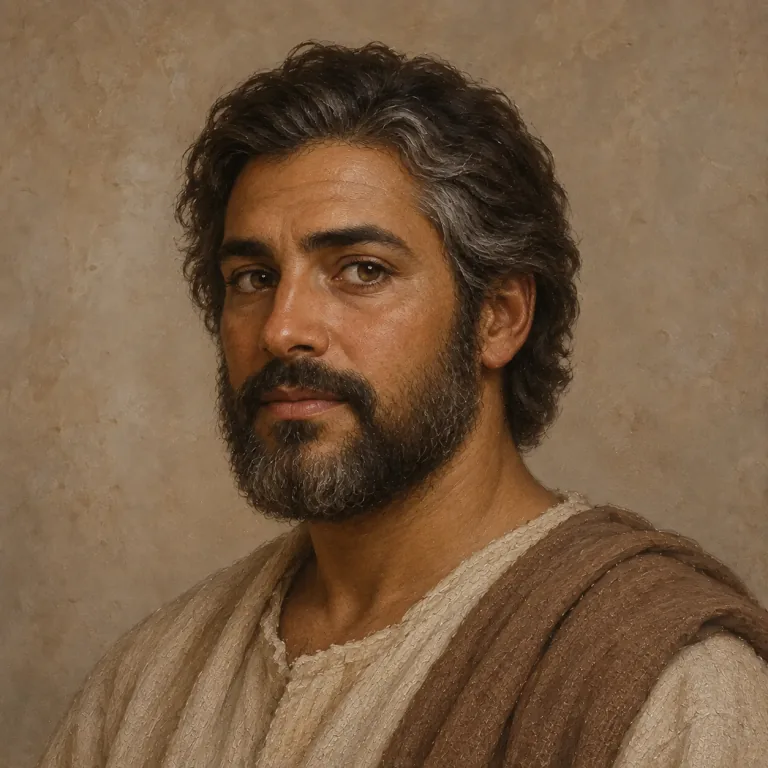
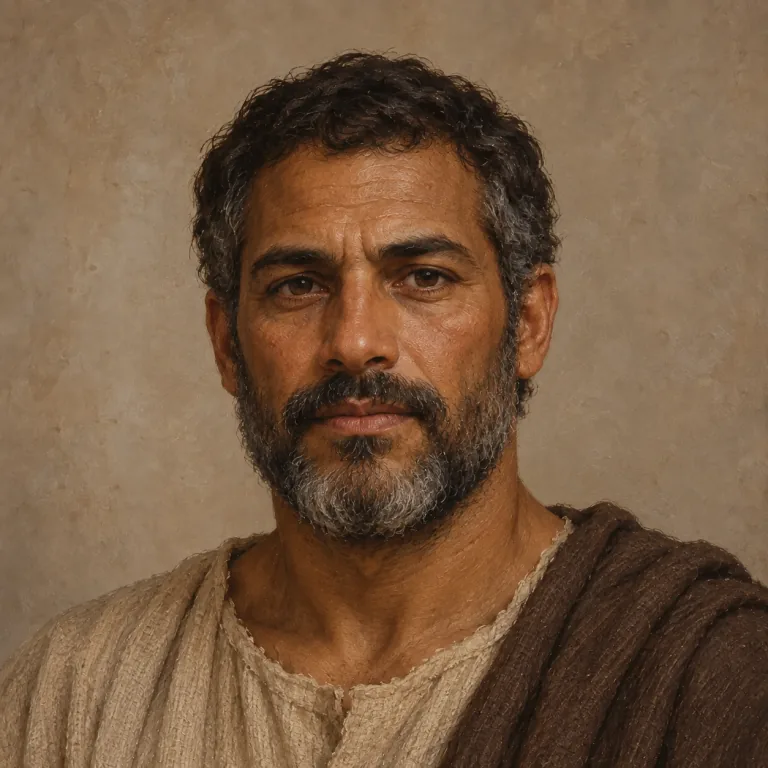
Also indexed here: