Person in the Old and New Testaments
Melchizedek
Melchizedek: the king of Salem who blessed Abram and received tithes
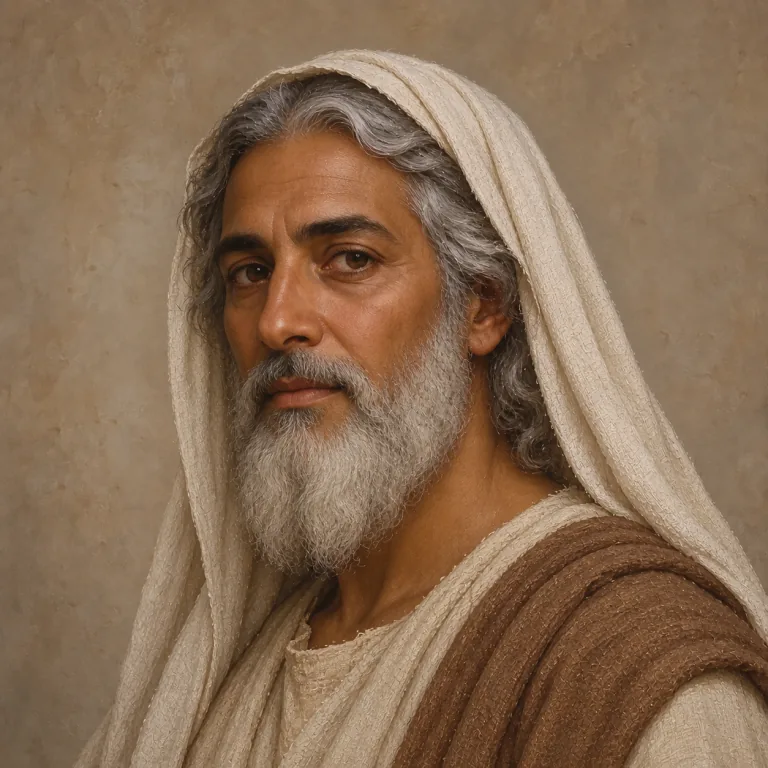
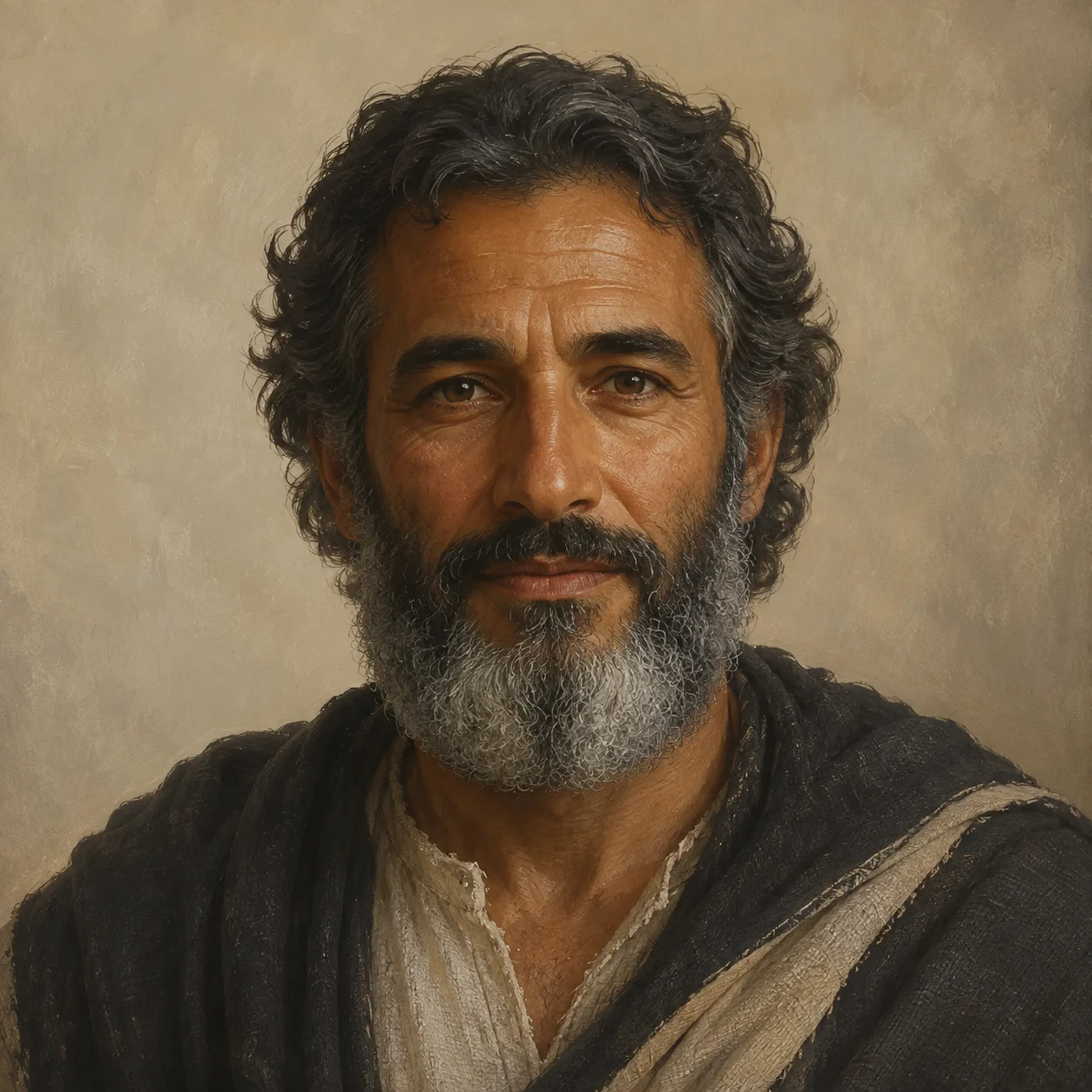
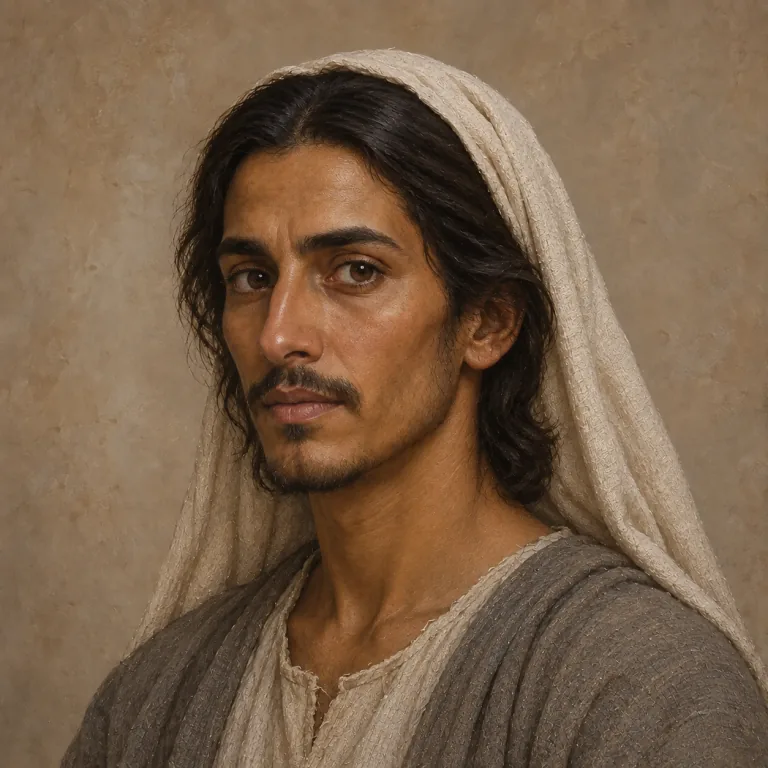
Portrait: an AI-generated artistic interpretation, not evidence of how Melchizedek looked.
Who Melchizedek is
Melchizedek is named in one verse of Genesis, and the blessing and tithe run through the two verses after it. As Abram returns from defeating Chedorlaomer and the kings with him, the king of Sodom goes out to meet him in the valley of Shaveh. Melchizedek, king of Salem, brings out bread and wine; the narrator says he is the priest of the most high God. He blesses Abram in the name of the most high God, possessor of heaven and earth, and blesses the most high God who has delivered Abram's enemies into his hand. The verse then says he gave him tithes of all, naming neither man. The king of Sodom then asks for the persons and offers Abram the goods, and Abram refuses with an oath to the Lord, the most high God. Psalm 110 records an oath that the Lord has sworn and will not repent: thou art a priest for ever after the order of Melchizedek. Hebrews takes up that line. It says Christ did not glorify himself to be made high priest, cites the Psalm's words, calls Jesus an high priest for ever after that order, and then in chapter 7 retells the meeting, interprets the name as King of righteousness and Salem as King of peace, describes him as without father, without mother, without descent, having neither beginning of days nor end of life, and argues that one who received tithes from Abraham and blessed him is greater than the Levitical priests, who paid tithes in Abraham while still in his loins. Hebrews says another priest has arisen after this order by the power of an endless life and by an oath, and that this man, because he continueth ever, has an unchangeable priesthood.
Cited passages: Genesis 14:17, Genesis 14:18, Genesis 14:19, Genesis 14:20, Genesis 14:21, Genesis 14:22, Psalms 110:4, Hebrews 5:5, Hebrews 5:6, Hebrews 5:10, Hebrews 6:20, Hebrews 7:1, Hebrews 7:2, Hebrews 7:3, Hebrews 7:4, Hebrews 7:7, Hebrews 7:9, Hebrews 7:10, Hebrews 7:15, Hebrews 7:16, Hebrews 7:21, Hebrews 7:24
Historical setting
Genesis establishes four things: Melchizedek is king of Salem, he is priest of the most high God, he brings out bread and wine, and he blesses Abram. The tithe sentence reads he gave him tithes of all, with pronouns; Hebrews states plainly that Abraham gave a tenth part of all, and the Genesis context, where Abram is the one who has just returned with the spoils, agrees with that reading. Genesis gives no parentage, no age, no account of his priesthood before or after this scene, and no location for Salem beyond the name. Psalm 110:4 is printed without any heading or speaker label in this source; within the verse the words are an oath the Lord has sworn to an unnamed addressee, thou art a priest for ever after the order of Melchizedek. Hebrews spells the name Melchisedec and describes him as without father, without mother, without descent, having neither beginning of days, nor end of life. Genesis records none of those details either way, and Hebrews does not say where its description comes from. Hebrews says he is made like unto the Son of God; it does not say he is the Son of God. Hebrews also supplies the interpretations King of righteousness and King of peace, which Genesis does not give. Hebrews' argument concerns priesthood: because Abraham paid tithes and received a blessing, the priesthood after Melchisedec is greater than that of Levi and Aaron, and the one Hebrews calls our Lord, who sprang out of Juda, is that priest by the oath of the Psalm. Nothing in these passages records Melchizedek's death or any further meeting.
Cited passages: Genesis 14:18, Genesis 14:19, Genesis 14:20, Hebrews 7:2, Genesis 14:16, Psalms 110:4, Hebrews 7:3, Hebrews 7:6, Hebrews 7:11, Hebrews 7:14, Hebrews 7:20, Hebrews 7:21
How the story is told
In Genesis the meeting is set between two sentences about the king of Sodom: he goes out to meet Abram, and then, after Melchizedek's blessing, he makes his offer. The bread, wine, blessing and tithe stand in the middle, and Abram's refusal of the king of Sodom's goods repeats Melchizedek's own title for God, the most high God, possessor of heaven and earth, so Abram's oath answers the priest's blessing in the same words. The blessing itself has two halves, one on Abram and one on God, and the second gives the reason, the delivery of enemies. Hebrews builds a long argument out of this short scene and the single line of the Psalm. It states as descriptions the very things Genesis does not record, a father, a mother, a beginning and an end, and concludes that he abideth a priest continually. It then reasons by comparison: the less is blessed of the better; men that die receive tithes but here one who liveth; Levi paid tithes while in Abraham's loins; priests made without an oath against one made with an oath; many priests who could not continue against one who continueth ever. The recurring line, thou art a priest for ever after the order of Melchisedec, is quoted in chapters 5, 6 and 7, and the argument returns to it at each stage.
Cited passages: Genesis 14:17, Genesis 14:21, Genesis 14:19, Genesis 14:22, Genesis 14:23, Genesis 14:20, Hebrews 7:3, Hebrews 7:7, Hebrews 7:8, Hebrews 7:10, Hebrews 7:21, Hebrews 7:23, Hebrews 7:24, Hebrews 5:6, Hebrews 6:20, Hebrews 7:17
Story moments
- Bread and wine from Salem (Genesis 14:18). Melchizedek, king of Salem and priest of the most high God, brings out bread and wine.
- Abram blessed (Genesis 14:19). Melchizedek blesses Abram in the name of the most high God, possessor of heaven and earth.
- Tithes of all (Genesis 14:20). He blesses the most high God for delivering Abram's enemies, and the verse says he gave him tithes of all.
- A priest for ever (Psalms 110:4). The psalm records the Lord's oath that its addressee is a priest for ever after the order of Melchizedek.
- Without father, without mother (Hebrews 7:3). Hebrews describes him as without father, without mother, without descent, and says he abides a priest continually.
- Levi tithed in Abraham (Hebrews 7:10). Hebrews argues Levi paid tithes through Abraham because he was still in his father's loins.
Key passages
Genesis 14:18
And Melchizedek king of Salem brought forth bread and wine: and he was the priest of the most high God.
Psalms 110:4
The Lord hath sworn, and will not repent, Thou art a priest for ever after the order of Melchizedek.
Hebrews 5:6
As he saith also in another place, Thou art a priest for ever after the order of Melchisedec.
Hebrews 5:10
Called of God an high priest after the order of Melchisedec.
Hebrews 6:20
Whither the forerunner is for us entered, even Jesus, made an high priest for ever after the order of Melchisedec.
Hebrews 7:1
For this Melchisedec, king of Salem, priest of the most high God, who met Abraham returning from the slaughter of the kings, and blessed him;
King James Version. 11 indexed passages in total.
For reflection
Genesis gives Melchizedek three verses and no origin, and Hebrews makes that silence the center of its argument. When a text says so little about a person, what should a reader do with what is missing?
Books Melchizedek appears in
Related people
Names and references are adapted from STEPBible TIPNR. A person listed with a verse is named or indexed there; it does not mean they wrote or spoke it.