Person in the New Testament
Mary of Bethany
Mary of Bethany: the sister at his feet who anoints them with spikenard
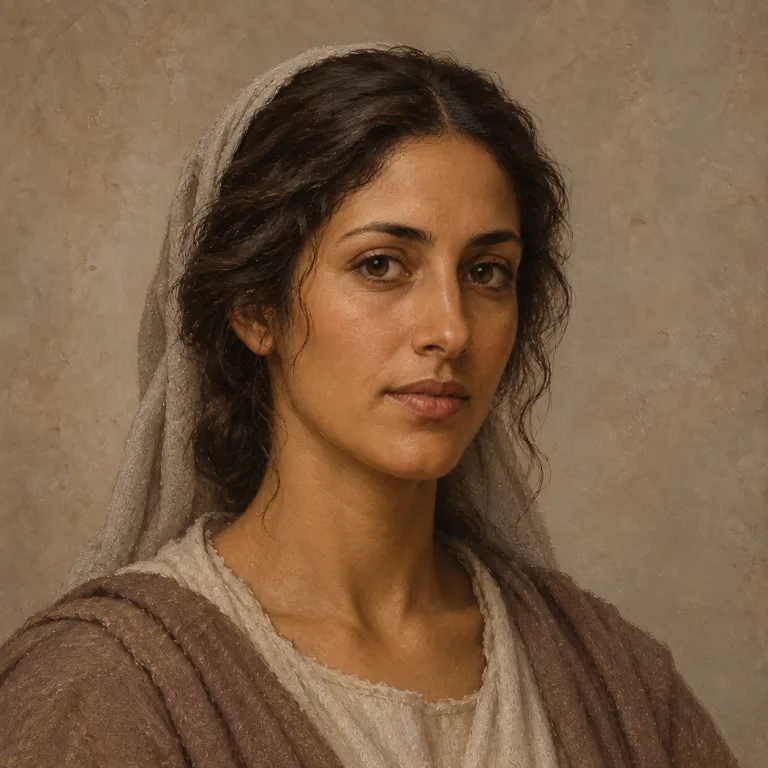
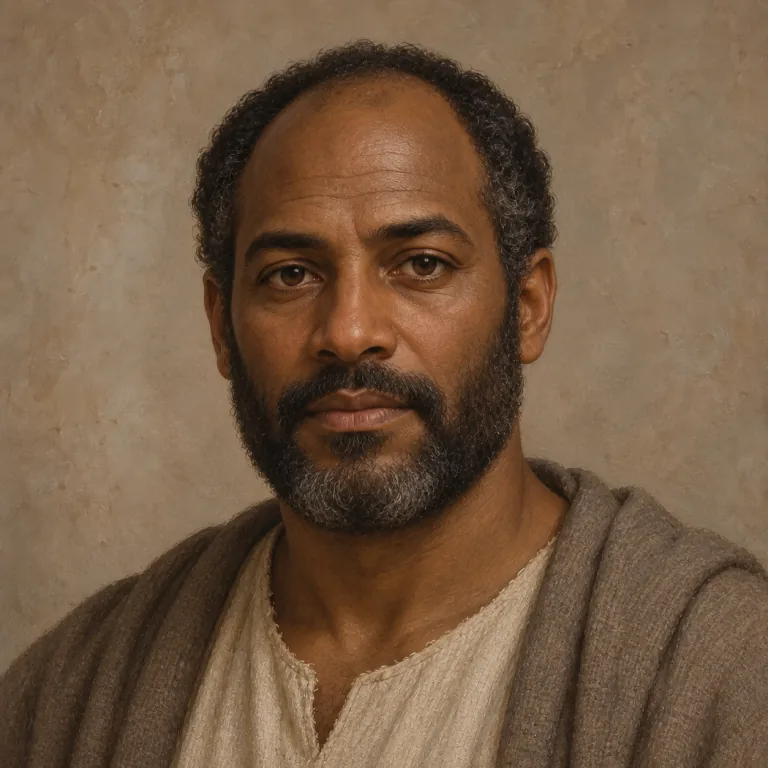
Portrait: an AI-generated artistic interpretation, not evidence of how Mary of Bethany looked.
Who Mary of Bethany is
Mary is introduced in Luke as the sister of Martha, who sat at Jesus' feet and heard his word while Martha served; when Martha complains, he says Mary has chosen that good part, which shall not be taken away from her. In John she belongs to Bethany, the town of Mary and her sister Martha, and to their brother Lazarus, and the narrator adds a parenthesis identifying her as that Mary which anointed the Lord with ointment, and wiped his feet with her hair. When Jesus comes after Lazarus dies, Mary sits still in the house until Martha calls her secretly and says the Master is come and calls for her; she rises quickly, and the Jews who were comforting her follow, supposing she goes to the grave to weep. Reaching him, she falls down at his feet and says that her brother would not have died had he been there. Her weeping is what the narrator reports before Jesus groans and weeps. Many of the Jews who came to Mary and saw what was done believed on him. At the supper six days before the passover she takes a pound of very costly ointment of spikenard, anoints the feet of Jesus and wipes them with her hair, and the house is filled with the odour. Judas objects about the price, and Jesus tells him to let her alone.
Cited passages: Luke 10:39, Luke 10:40, Luke 10:42, John 11:1, John 11:2, John 11:19, John 11:20, John 11:28, John 11:29, John 11:31, John 11:32, John 11:33, John 11:45, John 12:1, John 12:3, John 12:4, John 12:5, John 12:7
Historical setting
What the text establishes is a family and a place: sister of Martha, sister of Lazarus, of Bethany, which John says was nigh unto Jerusalem, about fifteen furlongs off. Luke names the village but not the town, and names no brother. No husband, parents or children are mentioned, and nothing is said of her after the supper. The text does not identify her with Mary called Magdalene, who is named separately as one out of whom went seven devils and again among the women at the sepulchre, and it does not identify her with the unnamed woman in the city, which was a sinner, who anointed his feet at a Pharisee's table in Luke. The parenthesis in John that calls her the Mary which anointed the Lord points forward to the anointing told in the next chapter, and the narrator supplies it before that scene is reached.
Cited passages: Luke 10:39, John 11:1, John 11:2, John 11:18, John 12:3, Luke 8:2, Luke 24:10, Luke 7:37, Luke 7:38
How the story is told
She is placed at his feet in every scene that gives her an action: sitting there to hear in Luke, falling there at the grave, and anointing there at the supper. Her only recorded words repeat her sister's exactly, so the same sentence is heard twice from two women in different postures. Where Martha argues and confesses, Mary is described by movement and silence, sitting still in the house, rising quickly, weeping, and the narrator reports that her weeping is what Jesus sees before he groans. Her act at the supper is measured by cost and by smell, a pound of spikenard, very costly, and a house filled with the odour, and it is defended against Judas's objection rather than explained by her.
Cited passages: Luke 10:39, John 11:20, John 11:29, John 11:32, John 11:33, John 12:3, John 12:5, John 12:7
Story moments
- Sat at his feet (Luke 10:39). Mary sits and hears his word while her sister serves.
- That good part (Luke 10:42). Jesus says what she chose will not be taken from her.
- Called secretly (John 11:28). Martha tells her the Master has come and calls for her.
- At his feet at the grave (John 11:32). She falls down and says her brother would not have died.
- A pound of spikenard (John 12:3). She anoints his feet and wipes them with her hair.
- Let her alone (John 12:7). Jesus answers the objection about the cost of the ointment.
Key passages
Luke 10:39
And she had a sister called Mary, which also sat at Jesus’ feet, and heard his word.
Luke 10:42
But one thing is needful: and Mary hath chosen that good part, which shall not be taken away from her.
John 11:1
Now a certain man was sick, named Lazarus, of Bethany, the town of Mary and her sister Martha.
John 11:2
(It was that Mary which anointed the Lord with ointment, and wiped his feet with her hair, whose brother Lazarus was sick.)
John 11:19
And many of the Jews came to Martha and Mary, to comfort them concerning their brother.
John 11:20
Then Martha, as soon as she heard that Jesus was coming, went and met him: but Mary sat still in the house.
King James Version. 11 indexed passages in total.
For reflection
Mary and Martha say the same sentence to Jesus about their brother, and the text keeps both. What do you notice when the same words come from two people who have waited differently?
Books Mary of Bethany appears in
Related people
Names and references are adapted from STEPBible TIPNR. A person listed with a verse is named or indexed there; it does not mean they wrote or spoke it.