Person in the New Testament
Martha
Martha: the sister who receives him, serves, and speaks first at the grave
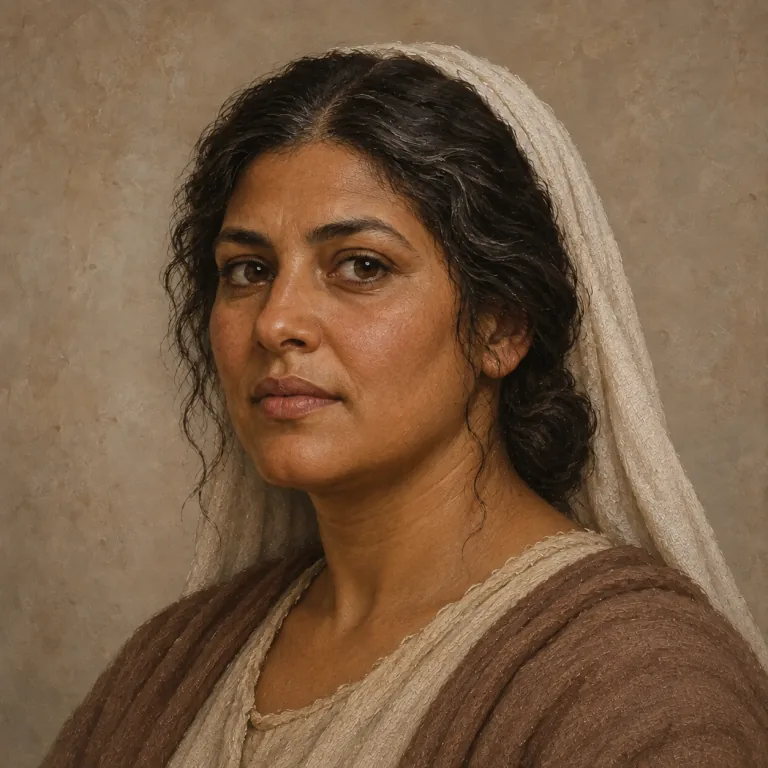
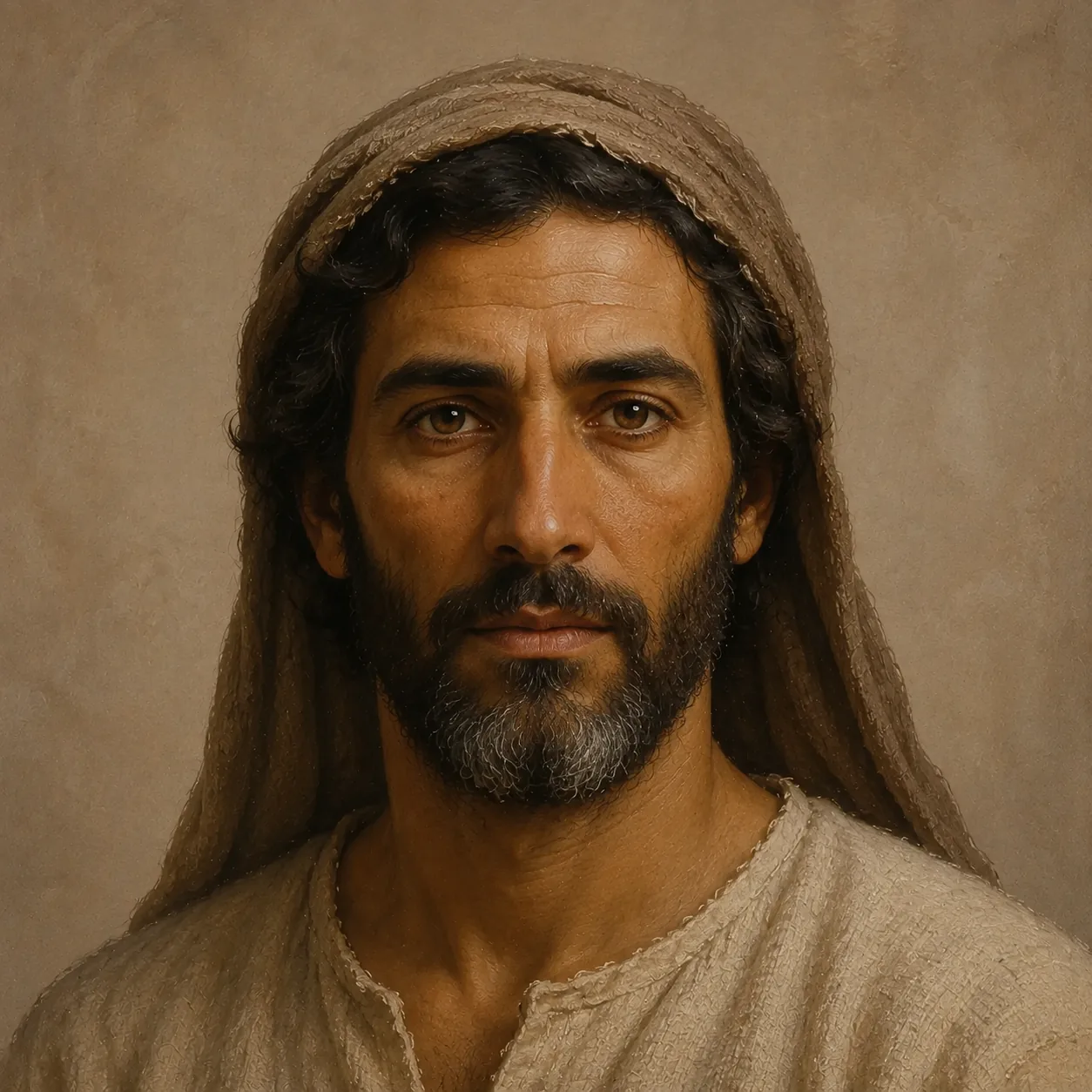
Portrait: an AI-generated artistic interpretation, not evidence of how Martha looked.
Who Martha is
Martha first appears in Luke, where she receives him into her house in a certain village and her sister Mary sits at Jesus' feet to hear his word. Cumbered about much serving, she asks whether he does not care that her sister has left her to serve alone and asks him to bid Mary help her; he answers, Martha, Martha, thou art careful and troubled about many things, and says one thing is needful and that Mary has chosen the good part. In John she is named with Mary and their brother Lazarus of Bethany. The sisters send word that the one he loves is sick; the narrator says Jesus loved Martha, and her sister, and Lazarus. When Jesus comes, Martha goes out to meet him while Mary sits still in the house, and says that her brother would not have died had he been there, adding that even now God will give him whatever he asks. Told her brother shall rise again, she answers that she knows he will rise in the resurrection at the last day, and when Jesus speaks of resurrection and life she says she believes that he is the Christ, the Son of God. She calls Mary secretly. At the grave she objects that after four days there will be a smell. Later, at a supper in Bethany, Martha served.
Cited passages: Luke 10:38, Luke 10:39, Luke 10:40, Luke 10:41, Luke 10:42, John 11:1, John 11:3, John 11:5, John 11:19, John 11:20, John 11:21, John 11:22, John 11:23, John 11:24, John 11:25, John 11:27, John 11:28, John 11:39, John 11:40, John 12:2
Historical setting
The two books give different details. Luke names only a certain village and mentions no brother; John places the household at Bethany, the town of Mary and her sister Martha, says the town was nigh unto Jerusalem, about fifteen furlongs off, and names Lazarus as their brother. Neither book names a husband, parents or children for her, and Luke does not say the house scene and the raising belong to the same visit. The statement that Jesus loved Martha, and her sister, and Lazarus is the narrator's, while her confession that he is the Christ, the Son of God is her own speech. Her objection at the grave gives the interval as four days, matching the narrator's earlier count. The text records nothing about her after the supper where she served.
Cited passages: Luke 10:38, John 11:1, John 11:5, John 11:17, John 11:18, John 11:19, John 11:27, John 11:39, John 12:2
How the story is told
In both books she is the one who comes forward and says something. Luke gives her a complaint and an answer that repeats her name; John gives her the first meeting outside the town, the first words at the loss, a sustained exchange about rising again and a confession, then an objection at the stone that keeps her practical voice in the scene. Her movement is set against her sister's stillness twice, once when Mary sits at his feet while she serves, and again when Mary sat still in the house while she went out. The last mention returns her to serving at table, so the book leaves her doing what the earlier scene showed her doing.
Cited passages: Luke 10:39, Luke 10:40, Luke 10:41, John 11:20, John 11:21, John 11:24, John 11:27, John 11:28, John 11:39, John 12:2
Story moments
- She receives him (Luke 10:38). Martha takes him into her house in a certain village.
- Left to serve alone (Luke 10:40). She asks him to tell her sister to help her.
- She goes out to meet him (John 11:20). Martha leaves the house while Mary stays behind.
- I believe that thou art the Christ (John 11:27). She answers his question with a statement of belief.
- Four days in the grave (John 11:39). She objects when he asks for the stone to be taken away.
- Martha served (John 12:2). At the supper in Bethany she serves at the table.
Key passages
Luke 10:38
Now it came to pass, as they went, that he entered into a certain village: and a certain woman named Martha received him into her house.
Luke 10:40
But Martha was cumbered about much serving, and came to him, and said, Lord, dost thou not care that my sister hath left me to serve alone? bid her therefore that she help me.
Luke 10:41
And Jesus answered and said unto her, Martha, Martha, thou art careful and troubled about many things:
John 11:1
Now a certain man was sick, named Lazarus, of Bethany, the town of Mary and her sister Martha.
John 11:5
Now Jesus loved Martha, and her sister, and Lazarus.
John 11:19
And many of the Jews came to Martha and Mary, to comfort them concerning their brother.
King James Version. 12 indexed passages in total.
For reflection
Martha is answered once about being troubled about many things and later speaks the clearest confession in her chapter. How do those two scenes sit together when you read them as belonging to one person?
Books Martha appears in
Related people


Names and references are adapted from STEPBible TIPNR. A person listed with a verse is named or indexed there; it does not mean they wrote or spoke it.