Person in the New Testament
Lazarus
Lazarus of Bethany: raised from the grave and then hunted

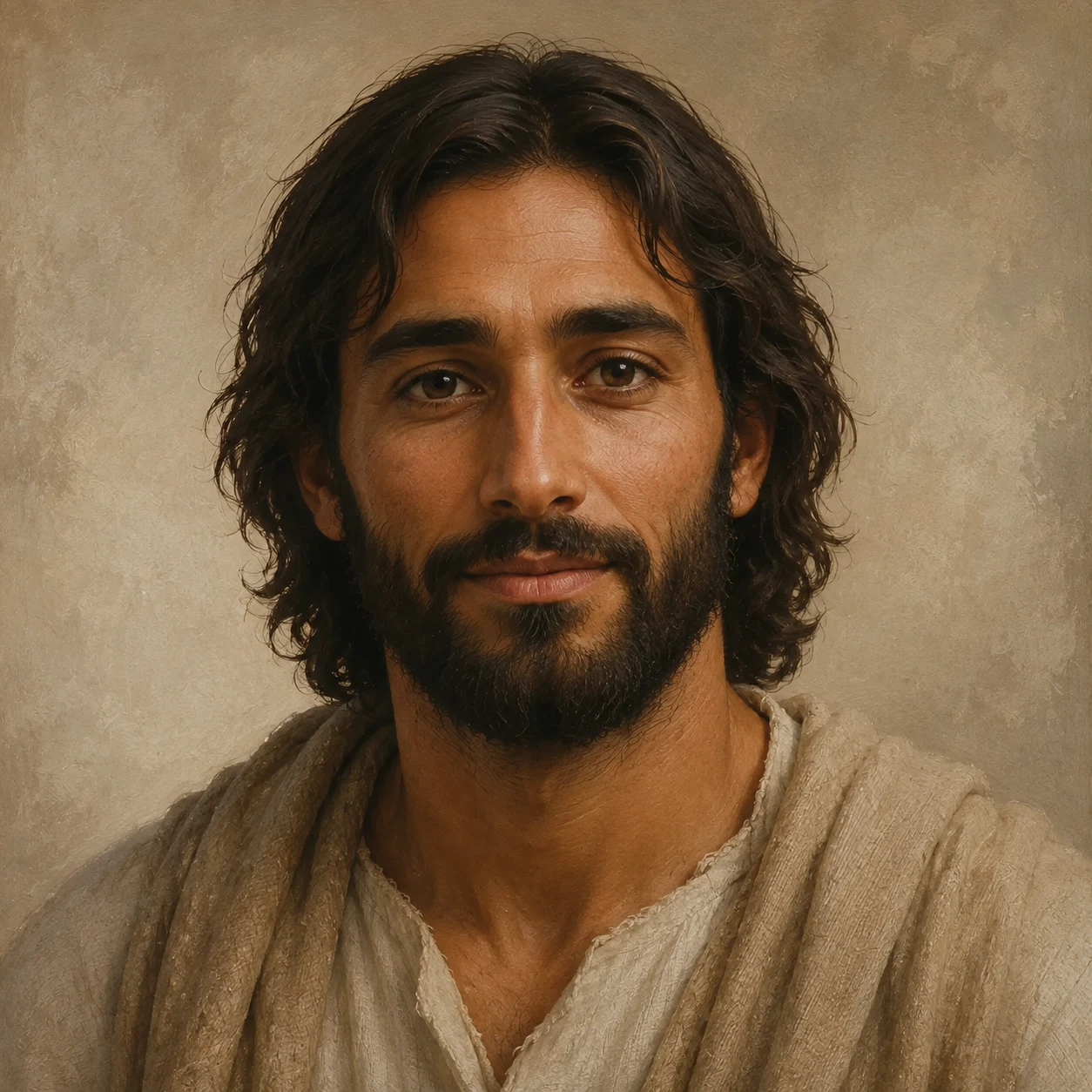
Portrait: an AI-generated artistic interpretation, not evidence of how Lazarus looked.
Who Lazarus is
John introduces a certain man, sick, named Lazarus of Bethany, the town of Mary and her sister Martha, and notes that this Mary anointed the Lord and wiped his feet with her hair. The sisters send word that the one Jesus loves is sick; the narrator says Jesus loved Martha, her sister and Lazarus, and that he stayed two days where he was. He tells the disciples their friend sleeps and that he goes to awake him, and when they take that literally he says plainly that Lazarus is dead. He arrives to find him four days in the grave. Martha and then Mary each say that if he had been there their brother would not have died. Jesus groans in the spirit, is troubled, and comes to the grave, a cave with a stone on it; Martha objects about the smell after four days. The stone is taken away, Jesus prays aloud for the sake of the bystanders, and cries with a loud voice, Lazarus, come forth. The dead man comes out bound hand and foot with graveclothes, his face bound with a napkin, and Jesus tells them to loose him. Many believe, some report to the Pharisees, and the council takes counsel to put Jesus to death. Six days before the passover Lazarus sits at table with him at Bethany, crowds come to see him as well, and the chief priests consult to put Lazarus to death too.
Cited passages: John 11:1, John 11:2, John 11:3, John 11:5, John 11:6, John 11:11, John 11:13, John 11:14, John 11:17, John 11:21, John 11:32, John 11:33, John 11:38, John 11:39, John 11:41, John 11:42, John 11:43, John 11:44, John 11:45, John 11:46, John 11:53, John 12:1, John 12:2, John 12:9, John 12:10, John 12:11
Historical setting
This Lazarus is a man in a narrative set at Bethany, with two named sisters, a town, a grave and a later meal. He is not the Lazarus of Luke 16, who is a beggar inside a story Jesus tells, laid at a rich man's gate, with no family, no town and no scene outside that story. The text never connects the two, and they should not be merged. John gives the interval as four days already in the grave and places Bethany about fifteen furlongs from Jerusalem. Lazarus speaks no words in either chapter; everything about him comes from the narrator, his sisters, Jesus or the crowds. The text says nothing about what he experienced, and records nothing of his later life beyond the supper and the danger. The consultation by the chief priests against him is stated without any outcome.
Cited passages: John 11:1, John 11:5, John 11:17, John 11:18, John 11:44, John 12:2, John 12:9, John 12:10, John 12:11, Luke 16:20, Luke 16:21, Luke 16:22
How the story is told
The account delays on purpose and says so: the news arrives and Jesus abides two days still in the same place. Sleep and death are held side by side until the narrator states the misunderstanding and Jesus says the word plainly. The two sisters come to him separately and say the same sentence word for word, and each gets a different response. Between the groaning and the grave the narrator gives the bystanders' comment on his weeping, and another group asks why the man who opened the eyes of the blind did not prevent this death. Physical detail carries the raising: a cave, a stone, four days, graveclothes, a napkin, and an order to loose him. Chapter 12 then turns the raised man into evidence, a man at a table who draws crowds, and a plan to kill him, so the miracle and the danger run as one line.
Cited passages: John 11:6, John 11:11, John 11:13, John 11:14, John 11:21, John 11:32, John 11:33, John 11:36, John 11:37, John 11:38, John 11:39, John 11:43, John 11:44, John 11:53, John 12:2, John 12:9, John 12:10, John 12:11, John 12:17
Story moments
- Our friend Lazarus sleepeth (John 11:11). Jesus tells the disciples he goes to awake him out of sleep.
- Lazarus is dead (John 11:14). Jesus drops the figure and says it plainly.
- Four days in the grave (John 11:17). Jesus arrives to find the burial already four days old.
- Jesus wept (John 11:35). The narrator reports his weeping before he comes to the grave.
- Lazarus, come forth (John 11:43). Jesus cries out with a loud voice at the opened cave.
- Loose him, and let him go (John 11:44). The dead man comes out bound with graveclothes and a napkin.
- Consulted against him too (John 12:10). The chief priests plan to put Lazarus to death as well.
Key passages
John 11:1
Now a certain man was sick, named Lazarus, of Bethany, the town of Mary and her sister Martha.
John 11:2
(It was that Mary which anointed the Lord with ointment, and wiped his feet with her hair, whose brother Lazarus was sick.)
John 11:5
Now Jesus loved Martha, and her sister, and Lazarus.
John 11:11
These things said he: and after that he saith unto them, Our friend Lazarus sleepeth; but I go, that I may awake him out of sleep.
John 11:14
Then said Jesus unto them plainly, Lazarus is dead.
John 11:43
And when he thus had spoken, he cried with a loud voice, Lazarus, come forth.
King James Version. 11 indexed passages in total.
For reflection
Lazarus is named throughout both chapters and never speaks a line. What does the account choose to report about him, and what does it decline to report?
Books Lazarus appears in
Related people




Names and references are adapted from STEPBible TIPNR. A person listed with a verse is named or indexed there; it does not mean they wrote or spoke it.