The Gospels · New Testament
Matthew 28
Matthew 28: the opened sepulchre, the women sent, the bribed watch, and the commission in Galilee
General context
As the sabbath ends and the first day of the week dawns, Mary Magdalene and the other Mary come to see the sepulchre. There is a great earthquake, the angel of the Lord descends, rolls back the stone and sits on it, his countenance like lightning and his raiment white as snow, and the keepers shake and become as dead men. The angel tells the women not to fear, says Jesus is not here for he is risen, as he said, invites them to see the place where the Lord lay, and sends them to tell the disciples that he goes before them into Galilee. They leave with fear and great joy and run to bring word. Jesus meets them, says All hail, and they hold him by the feet and worship him; he tells them not to be afraid but to tell his brethren to go into Galilee, where they will see him. Some of the watch go into the city and report to the chief priests, who take counsel with the elders, give the soldiers large money, and tell them to say that the disciples came by night and stole him away while they slept, promising to persuade the governor if it comes to his ears; the narrator says this saying is commonly reported among the Jews until this day. The eleven disciples go into Galilee, to a mountain where Jesus had appointed them. They worship him, but some doubted. Jesus says all power is given to him in heaven and in earth, sends them to teach all nations, baptizing them in the name of the Father, and of the Son, and of the Holy Ghost, teaching them to observe all he commanded, and says he is with them alway, even unto the end of the world.
Cited passages: Matthew 28:1, Matthew 28:2, Matthew 28:3, Matthew 28:4, Matthew 28:5, Matthew 28:6, Matthew 28:7, Matthew 28:8, Matthew 28:9, Matthew 28:10, Matthew 28:11, Matthew 28:12, Matthew 28:13, Matthew 28:14, Matthew 28:15, Matthew 28:16, Matthew 28:17, Matthew 28:18, Matthew 28:19, Matthew 28:20
Matthew 28 (KJV)
1In the end of the sabbath, as it began to dawn toward the first day of the week, came Mary Magdalene and the other Mary to see the sepulchre.
2And, behold, there was a great earthquake: for the angel of the Lord descended from heaven, and came and rolled back the stone from the door, and sat upon it.
3His countenance was like lightning, and his raiment white as snow:
4And for fear of him the keepers did shake, and became as dead men.
5And the angel answered and said unto the women, Fear not ye: for I know that ye seek Jesus, which was crucified.
6He is not here: for he is risen, as he said. Come, see the place where the Lord lay.
7And go quickly, and tell his disciples that he is risen from the dead; and, behold, he goeth before you into Galilee; there shall ye see him: lo, I have told you.
8And they departed quickly from the sepulchre with fear and great joy; and did run to bring his disciples word.
9And as they went to tell his disciples, behold, Jesus met them, saying, All hail. And they came and held him by the feet, and worshipped him.
10Then said Jesus unto them, Be not afraid: go tell my brethren that they go into Galilee, and there shall they see me.
11Now when they were going, behold, some of the watch came into the city, and shewed unto the chief priests all the things that were done.
12And when they were assembled with the elders, and had taken counsel, they gave large money unto the soldiers,
13Saying, Say ye, His disciples came by night, and stole him away while we slept.
14And if this come to the governor’s ears, we will persuade him, and secure you.
15So they took the money, and did as they were taught: and this saying is commonly reported among the Jews until this day.
16Then the eleven disciples went away into Galilee, into a mountain where Jesus had appointed them.
17And when they saw him, they worshipped him: but some doubted.
18And Jesus came and spake unto them, saying, All power is given unto me in heaven and in earth.
19Go ye therefore, and teach all nations, baptizing them in the name of the Father, and of the Son, and of the Holy Ghost:
20Teaching them to observe all things whatsoever I have commanded you: and, lo, I am with you alway, even unto the end of the world. Amen.
This page shows the King James Version. In the app, reading opens in the Berean Standard Bible unless you have chosen another translation. The reader includes five translations: the Berean Standard Bible (BSB), the King James Version (KJV), the World English Bible (WEB), the Bible in Basic English (BBE), and the American Standard Version (ASV). Search covers three of them: Berean Standard, King James, and World English. Basic English and American Standard readers search the King James words.
Historical context
The two women are named as Mary Magdalene and the other Mary; the narrator gives no further name for the second. The time is stated as the end of the sabbath, as it began to dawn toward the first day of the week. The narrator does not describe the rising itself: the stone is rolled back and the angel says he is not here. The keepers are the watch the chief priests had set in the previous chapter. What the soldiers are paid to say is quoted in full, and the narrator adds that this saying is commonly reported among the Jews until this day. The meeting place is identified only as a mountain in Galilee where Jesus had appointed them, with no name. The narrator reports that some doubted without saying which of the eleven or what followed. The chapter names no ruler and gives no date, and it ends with Jesus speaking; there is no closing scene of departure.
Cited passages: Matthew 28:1, Matthew 28:6, Matthew 28:4, Matthew 27:66, Matthew 28:13, Matthew 28:15, Matthew 28:16, Matthew 28:17, Matthew 28:20
Literary context
Two errands run side by side. The women are sent to tell the disciples what happened, and the soldiers are paid to tell the city what did not; both parties go from the sepulchre into the city with a message, and the narrator reports the paid message as still circulating. Fear is used three ways in five verses: the keepers become as dead men for fear, the angel says Fear not, and the women leave with fear and great joy. Galilee is repeated as the meeting place, first by the angel, then by Jesus, after being named before his arrest in chapter 26. The last scene keeps the doubt in the sentence with the worship, and the book ends on speech rather than on a parting, with the phrase I am with you alway set against the end of the world.
Cited passages: Matthew 28:7, Matthew 28:13, Matthew 28:11, Matthew 28:15, Matthew 28:4, Matthew 28:5, Matthew 28:8, Matthew 28:10, Matthew 26:32, Matthew 28:17, Matthew 28:20
Key moments
- The stone rolled back (Matthew 28:2). An earthquake comes, the angel of the Lord rolls back the stone and sits upon it.
- He is not here (Matthew 28:6). The angel tells the women Jesus is risen and shows them the place where he lay.
- Jesus meets the women (Matthew 28:9). On the way to tell the disciples the women meet Jesus and hold him by the feet.
- The soldiers paid (Matthew 28:12). The chief priests and elders give the soldiers money to say the body was stolen.
- The mountain in Galilee (Matthew 28:16). The eleven go to the mountain Jesus had appointed.
- Worship and doubt (Matthew 28:17). They worship him, and the narrator says some doubted.
- Teach all nations (Matthew 28:19). Jesus sends the eleven to teach and baptize all nations.
For reflection
The narrator writes that they worshipped him, but some doubted, and then reports the commission without settling the doubt. What does it change for a reader that the last scene keeps both in one sentence?
People in this chapter
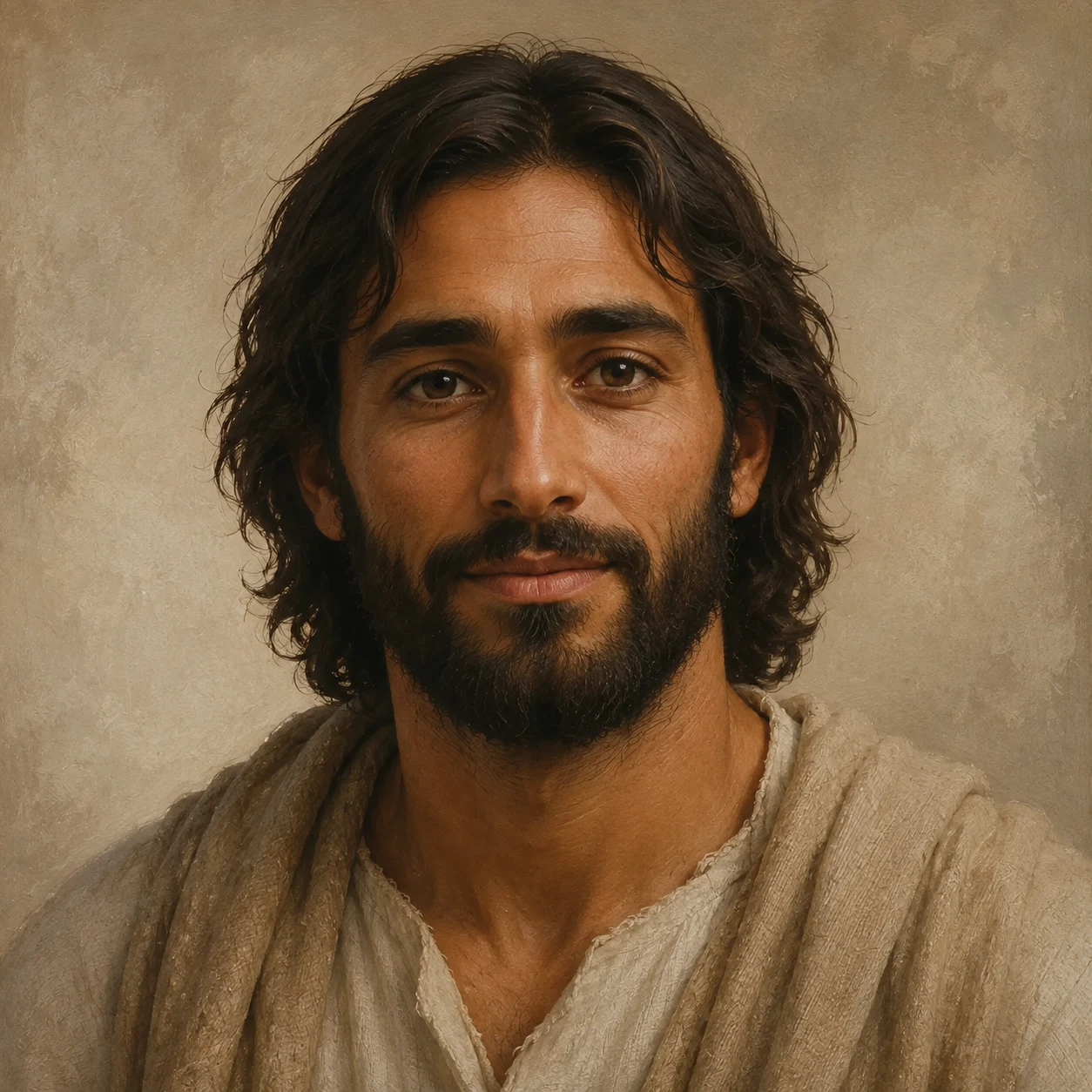
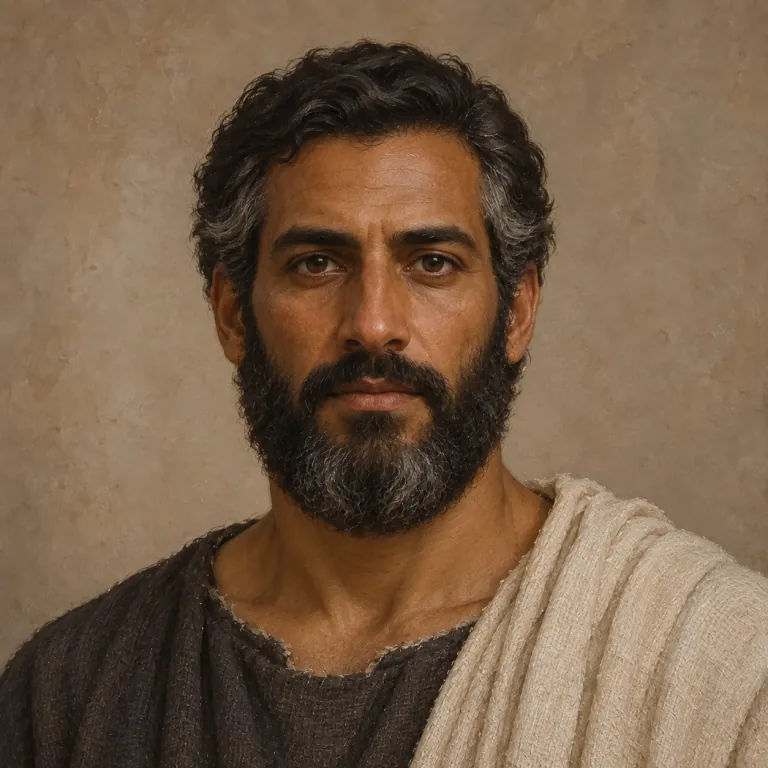
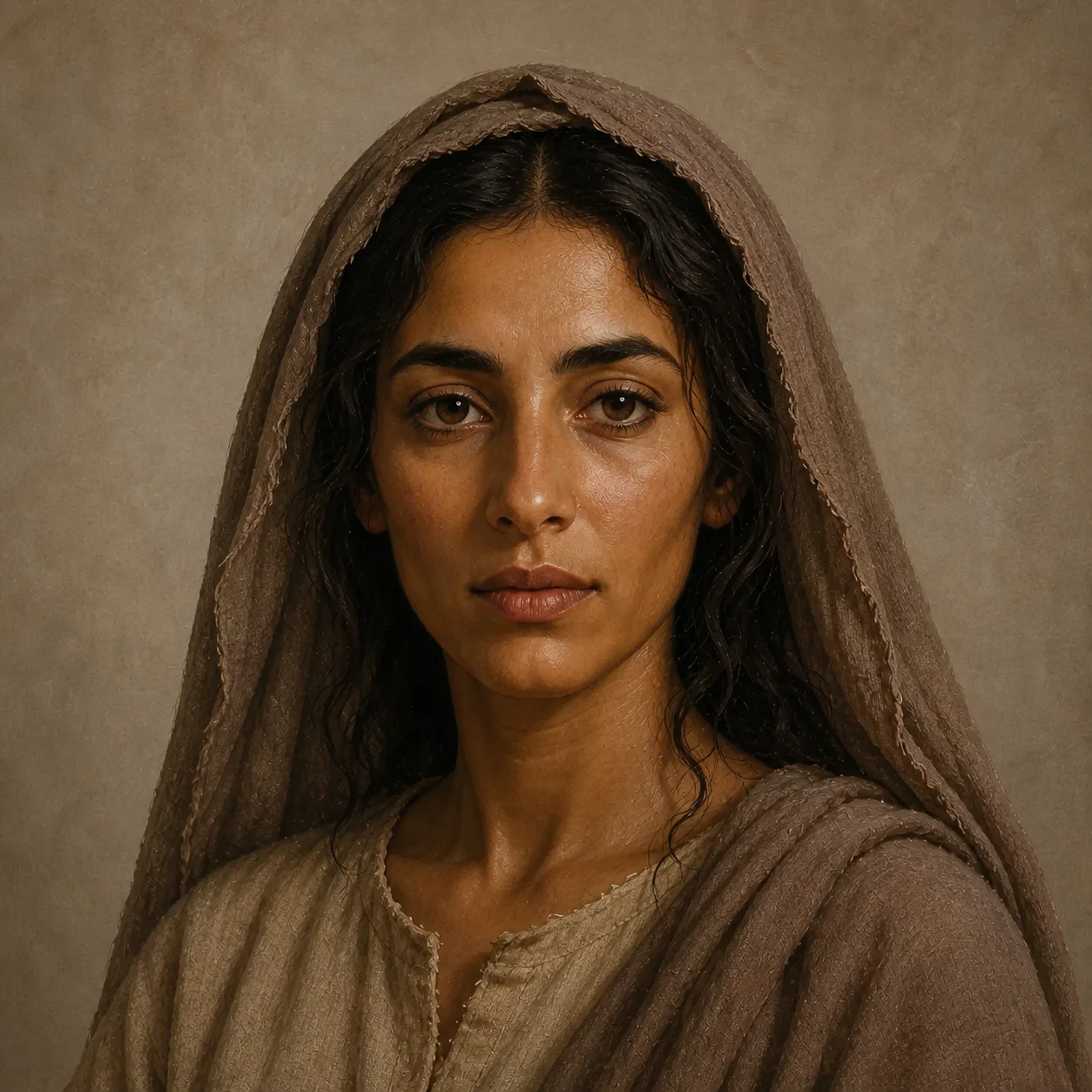
Also indexed here: