Person in the Old and New Testaments
Hosea
Hosea: the prophet told to take a wife of whoredoms
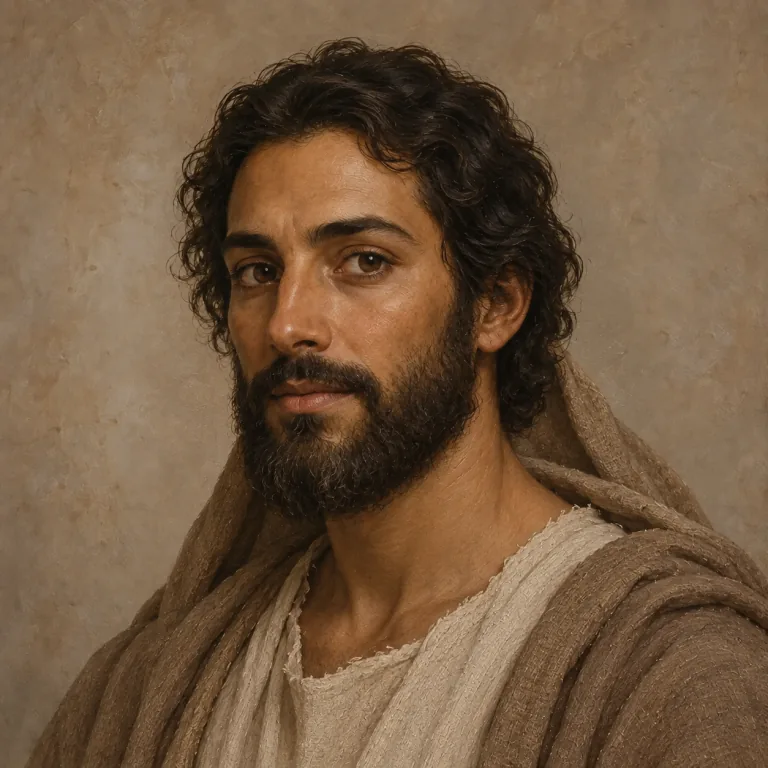
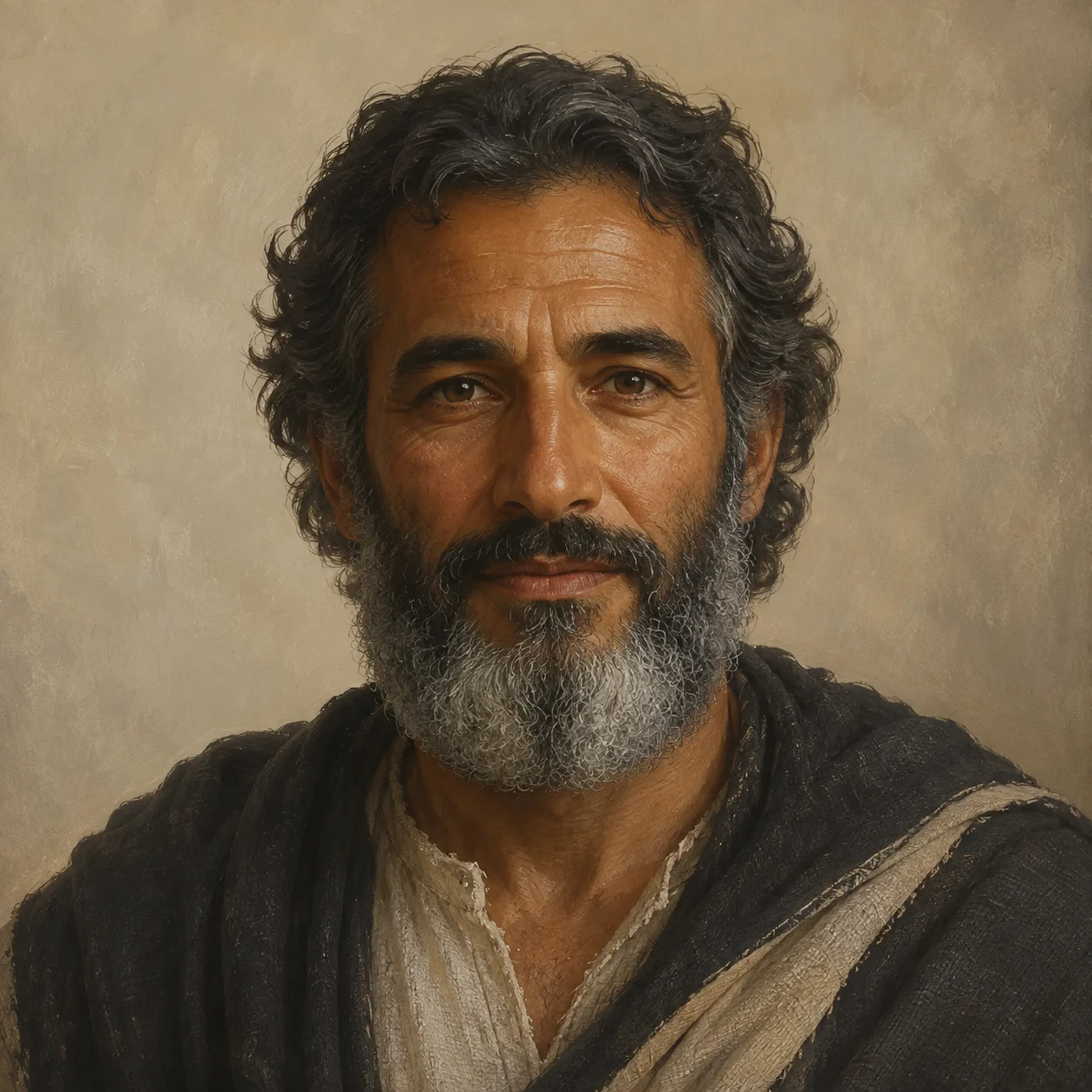
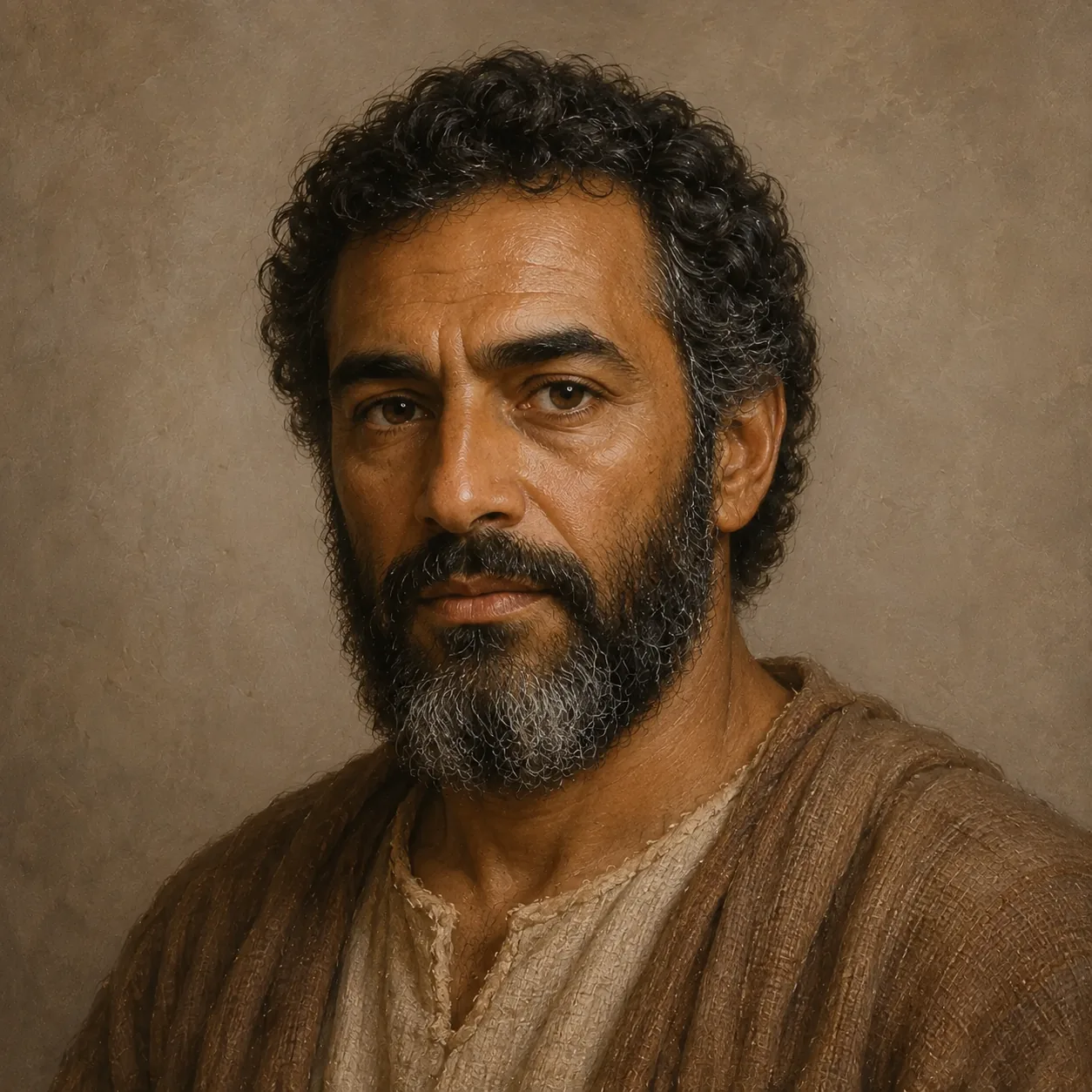
Portrait: an AI-generated artistic interpretation, not evidence of how Hosea looked.
Who Hosea is
The book opens, "The word of the Lord that came unto Hosea, the son of Beeri," and dates it by four kings of Judah and one of Israel. The next verse names him twice more and gives the command: "Go, take unto thee a wife of whoredoms and children of whoredoms: for the land hath committed great whoredom, departing from the Lord." He does it. "So he went and took Gomer the daughter of Diblaim," who bears him a son, and the Lord names the child Jezreel. A daughter follows, named Lo-ruhamah, "for I will no more have mercy upon the house of Israel"; then a second son, named Lo-ammi, "for ye are not my people, and I will not be your God." The chapter then reverses the last of those names in advance, promising that those told "Ye are not my people" will be called "the sons of the living God." At 3:1 the command comes again in the first person: "Then said the Lord unto me, Go yet, love a woman beloved of her friend, yet an adulteress." He buys her "for fifteen pieces of silver, and for an homer of barley, and an half homer of barley" and tells her she will abide many days without playing the harlot. Romans 9:25 cites him by the name Osee: "I will call them my people, which were not my people."
Cited passages: Hosea 1:1, Hosea 1:2, Hosea 1:3, Hosea 1:4, Hosea 1:6, Hosea 1:9, Hosea 1:10, Hosea 3:1, Hosea 3:2, Hosea 3:3, Romans 9:25
Historical setting
The text gives one family detail, "the son of Beeri," and no town, tribe or occupation. The kings named are Uzziah, Jotham, Ahaz and Hezekiah of Judah and "Jeroboam the son of Joash, king of Israel"; the same four kings of Judah stand at the head of Isaiah's book, "in the days of Uzziah, Jotham, Ahaz, and Hezekiah, kings of Judah," and the two books make no reference to each other. The name Hosea is printed only in 1:1 and 1:2. After that the book speaks in the first person without repeating it, as at 3:1, "Then said the Lord unto me." The woman of chapter 3 is not named and the text does not say whether she is Gomer; she is called only "a woman beloved of her friend, yet an adulteress." Romans 9:25 quotes him under the spelling Osee. The handle "the Lover" is a label used by this product, not a phrase in the printed text; what the text says is that he was told to take a wife and later told to "love a woman." Nothing is recorded of his death, his family after chapter 1 or where he lived.
Cited passages: Hosea 1:1, Isaiah 1:1, Hosea 1:2, Hosea 3:1, Romans 9:25, Hosea 1:3
How the story is told
What he is asked to do carries the message, and the children's names are the message in shortest form. Each name is given with its reason in the same verse: Jezreel with the blood of Jezreel, Lo-ruhamah with "I will no more have mercy," Lo-ammi with "ye are not my people." The reversal then uses the same words, so the sentence and its undoing are made of one vocabulary, and 2:23 says it again, "I will say to them which were not my people, Thou art my people." Romans 9:25 and 9:26 take up that pair and apply it elsewhere, "there shall they be called the children of the living God." The man himself stays thin in the text. He acts in one line, "So he went and took Gomer," and the second command at 3:1 is answered by a purchase and three sentences of instruction. His feelings are never reported in any of these passages.
Cited passages: Hosea 1:4, Hosea 1:6, Hosea 1:9, Hosea 1:10, Hosea 2:23, Romans 9:26, Hosea 1:3, Hosea 3:2
Story moments
- The word comes to Hosea (Hosea 1:1). The word of the Lord comes to Hosea son of Beeri in the days of named kings.
- Take a wife of whoredoms (Hosea 1:2). The Lord tells Hosea to take a wife of whoredoms because the land has departed from him.
- He took Gomer (Hosea 1:3). Hosea takes Gomer the daughter of Diblaim, who bears him a son.
- Call his name Jezreel (Hosea 1:4). The Lord names the first child Jezreel and attaches a sentence on the house of Jehu.
- Lo-ammi (Hosea 1:9). The third child is named Lo-ammi, with the words 'ye are not my people'.
- Go yet, love a woman (Hosea 3:1). The Lord tells him a second time to go and love an adulterous woman.
- Named Osee in Romans (Romans 9:25). Romans quotes him under the name Osee for the line about a people who were not a people.
Key passages
Hosea 1:1
The word of the Lord that came unto Hosea, the son of Beeri, in the days of Uzziah, Jotham, Ahaz, and Hezekiah, kings of Judah, and in the days of Jeroboam the son of Joash, king of Israel.
Hosea 1:2
The beginning of the word of the Lord by Hosea. And the Lord said to Hosea, Go, take unto thee a wife of whoredoms and children of whoredoms: for the land hath committed great whoredom, departing from the Lord.
Romans 9:25
As he saith also in Osee, I will call them my people, which were not my people; and her beloved, which was not beloved.
King James Version. 3 indexed passages in total.
For reflection
The text records what Hosea is told and what he does, and never what he thought about either command. What is a reader to make of a life reported only through its instructions?
Books Hosea appears in
Related people
Names and references are adapted from STEPBible TIPNR. A person listed with a verse is named or indexed there; it does not mean they wrote or spoke it.