The Histories · Old Testament
Esther 7
Esther 7: Esther names Haman and he is hanged on his own gallows
General context
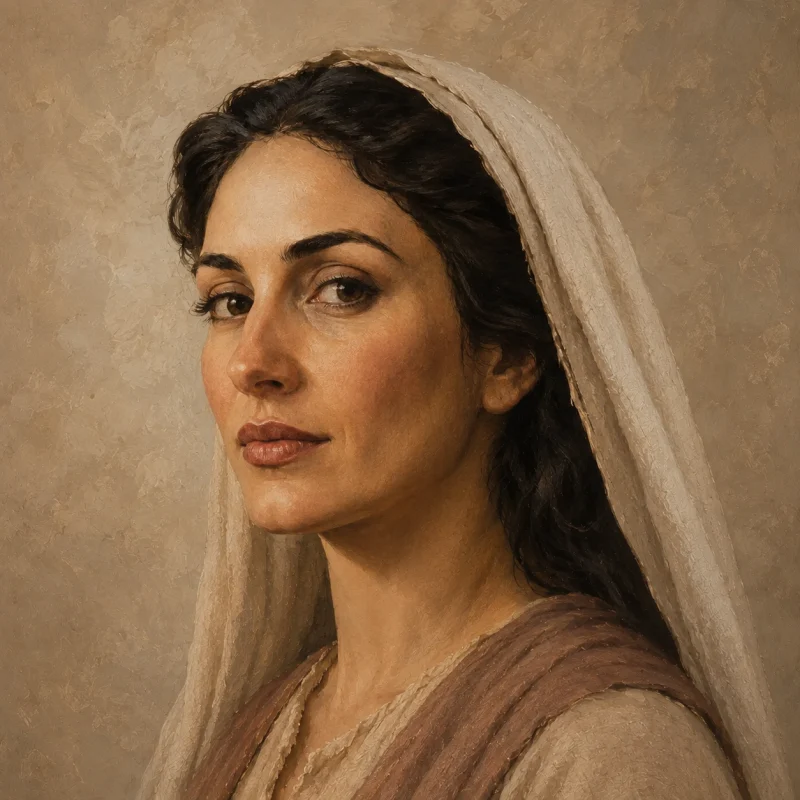
The king and Haman come to Esther's banquet, and on the second day, at the banquet of wine, the king again asks Esther her petition and offers up to half the kingdom. Esther asks for her life at her petition and her people at her request, saying that she and her people have been sold to be destroyed, slain and perish; had they only been sold as bondmen and bondwomen she would have held her tongue. The king asks who he is and where he is that dares to do this. Esther answers that the adversary and enemy is this wicked Haman, and Haman is afraid before the king and the queen. The king rises in wrath and goes into the palace garden; Haman stands up to beg Esther for his life, seeing that the king has determined evil against him. When the king returns, Haman has fallen on the bed where Esther is, and the king asks whether he will force the queen as well, before him in the house. As the word leaves the king's mouth they cover Haman's face. Harbonah, one of the chamberlains, tells the king that the gallows fifty cubits high which Haman made for Mordecai, who spoke good for the king, stands at Haman's house. The king says to hang him on it. They hang Haman on the gallows he prepared for Mordecai, and the king's wrath is pacified.
Cited passages: Esther 7:1, Esther 7:2, Esther 7:3, Esther 7:4, Esther 7:5, Esther 7:6, Esther 7:7, Esther 7:8, Esther 7:9, Esther 7:10
Esther 7 (KJV)
1So the king and Haman came to banquet with Esther the queen.
2And the king said again unto Esther on the second day at the banquet of wine, What is thy petition, queen Esther? and it shall be granted thee: and what is thy request? and it shall be performed, even to the half of the kingdom.
3Then Esther the queen answered and said, If I have found favour in thy sight, O king, and if it please the king, let my life be given me at my petition, and my people at my request:
4For we are sold, I and my people, to be destroyed, to be slain, and to perish. But if we had been sold for bondmen and bondwomen, I had held my tongue, although the enemy could not countervail the king’s damage.
5Then the king Ahasuerus answered and said unto Esther the queen, Who is he, and where is he, that durst presume in his heart to do so?
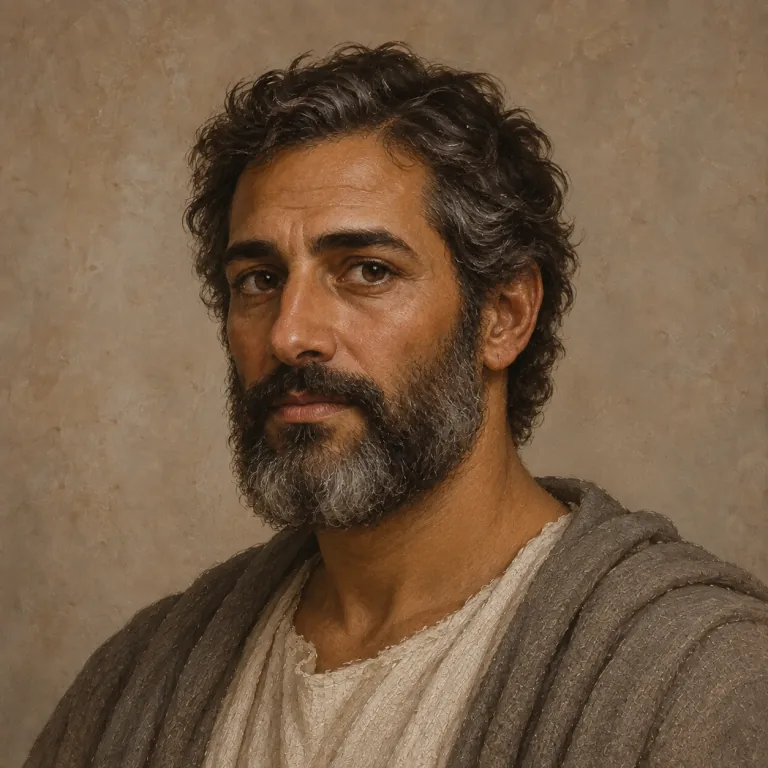
6And Esther said, The adversary and enemy is this wicked Haman. Then Haman was afraid before the king and the queen.
7And the king arising from the banquet of wine in his wrath went into the palace garden: and Haman stood up to make request for his life to Esther the queen; for he saw that there was evil determined against him by the king.
8Then the king returned out of the palace garden into the place of the banquet of wine; and Haman was fallen upon the bed whereon Esther was. Then said the king, Will he force the queen also before me in the house? As the word went out of the king’s mouth, they covered Haman’s face.
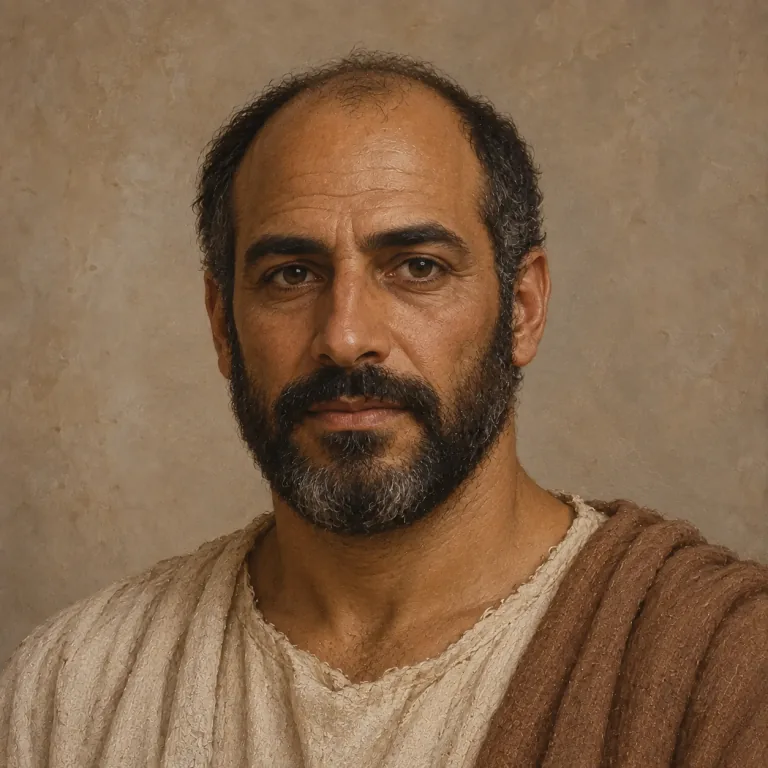
9And Harbonah, one of the chamberlains, said before the king, Behold also, the gallows fifty cubits high, which Haman had made for Mordecai, who had spoken good for the king, standeth in the house of Haman. Then the king said, Hang him thereon.
10So they hanged Haman on the gallows that he had prepared for Mordecai. Then was the king’s wrath pacified.
This page shows the King James Version. In the app, reading opens in the Berean Standard Bible unless you have chosen another translation. The reader includes five translations: the Berean Standard Bible (BSB), the King James Version (KJV), the World English Bible (WEB), the Bible in Basic English (BBE), and the American Standard Version (ASV). Search covers three of them: Berean Standard, King James, and World English. Basic English and American Standard readers search the King James words.
Historical context
Esther's words that her people have been sold answer the silver Haman offered and the sum Mordecai reported, and her three verbs, destroyed, slain and perish, follow the three verbs of the decree. The clause about the enemy not countervailing the king's damage is difficult in the KJV wording, and the text does not explain it further. The king asks who and where the man is; the chapter does not say what the king understood of the decree he had sealed, and the narrator does not fill that gap. Esther does not use the word Jews in her speech, but her claim of the people as her own discloses to the king that she belongs to the threatened people, and the next chapter says she then told the king what Mordecai was to her. Two accounts of Haman on the bed sit side by side: the narrator says he stood up to make request for his life, and the king, returning, asks whether he would force the queen; the text does not settle what Haman was doing. Harbonah is one of the seven chamberlains named at the first feast, spelled Harbona there. His words that Mordecai had spoken good for the king refer to the plot reported in the second chapter. The covering of Haman's face is not explained. The narrator ends by saying the king's wrath was pacified, as it was said to be appeased after Vashti; no other verdict on the hanging is given.
Cited passages: Esther 7:4, Esther 3:9, Esther 4:7, Esther 3:13, Esther 7:5, Esther 7:3, Esther 8:1, Esther 7:7, Esther 7:8, Esther 7:9, Esther 1:10, Esther 2:22, Esther 7:10, Esther 2:1
Literary context
The king's offer of half the kingdom is made for the third time and is finally answered. Esther's petition is built in two matching halves, my life at my petition and my people at my request, and her naming of the enemy comes only after the king asks who and where he is, with the answer that he is at the table. The scene moves by exits and entrances: the king goes out to the garden, Haman rises, the king comes back and reads what he sees, and the servants act as the word leaves the king's mouth. The reversal that began when Haman led Mordecai through the city is completed by a chamberlain's remark; the gallows built for Mordecai is named as such twice, in Harbonah's words and in the narrator's. The chapter is ten verses long and moves from wine to hanging without a pause. The third chapter ended with the king and Haman sitting down to drink; this chapter begins at a banquet of wine and ends with Haman dead. Esther speaks more here than in any earlier chapter, and Haman, who spoke at length at home, says nothing at all.
Cited passages: Esther 7:2, Esther 5:3, Esther 7:3, Esther 7:5, Esther 7:6, Esther 7:7, Esther 7:8, Esther 6:11, Esther 7:9, Esther 7:10, Esther 3:15, Esther 7:1
Key moments
- Esther asks for her life (Esther 7:3). Esther asks for her life and her people, saying they have been sold to be destroyed.
- This wicked Haman (Esther 7:6). Esther names Haman as the adversary and enemy, and Haman is afraid.
- The king goes into the garden (Esther 7:7). The king leaves in wrath and Haman begs Esther for his life.
- Fallen on the bed (Esther 7:8). The king returns, reads Haman's posture as an assault, and Haman's face is covered.
- Harbonah points to the gallows (Esther 7:9). A chamberlain reports the gallows Haman built for Mordecai, and the king orders him hanged.
- Haman hanged (Esther 7:10). Haman is hanged on the gallows he prepared for Mordecai and the king's wrath is pacified.
For reflection
The narrator says Haman stood up to beg for his life, and the king reads his fall on the bed as an assault. What does the chapter do by letting both accounts stand without settling them?
People in this chapter
Also indexed here:
- Ahasuerus
- Harbona