The Histories · Old Testament
2 Samuel 20
Sheba's revolt and the siege of Abel
General context
Sheba rejects David's rule and draws Israel away, while Judah remains with the king. David orders Amasa to muster Judah, but when he is late sends Abishai in pursuit. Joab meets Amasa on the road and kills him during a greeting, then continues after Sheba. At Abel, a wise woman challenges the siege and negotiates with Joab. The townspeople kill Sheba and send his head over the wall; Joab withdraws, and the chapter closes with an official list.
Cited passages: 2 Samuel 20:1, 2 Samuel 20:2, 2 Samuel 20:3, 2 Samuel 20:4, 2 Samuel 20:5, 2 Samuel 20:6, 2 Samuel 20:7, 2 Samuel 20:8, 2 Samuel 20:9, 2 Samuel 20:10, 2 Samuel 20:11, 2 Samuel 20:12, 2 Samuel 20:13, 2 Samuel 20:14, 2 Samuel 20:15, 2 Samuel 20:16, 2 Samuel 20:17, 2 Samuel 20:18, 2 Samuel 20:19, 2 Samuel 20:20, 2 Samuel 20:21, 2 Samuel 20:22, 2 Samuel 20:23, 2 Samuel 20:24, 2 Samuel 20:25, 2 Samuel 20:26
2 Samuel 20 (KJV)
1And there happened to be there a man of Belial, whose name was Sheba, the son of Bichri, a Benjamite: and he blew a trumpet, and said, We have no part in David, neither have we inheritance in the son of Jesse: every man to his tents, O Israel.
2So every man of Israel went up from after David, and followed Sheba the son of Bichri: but the men of Judah clave unto their king, from Jordan even to Jerusalem.
3And David came to his house at Jerusalem; and the king took the ten women his concubines, whom he had left to keep the house, and put them in ward, and fed them, but went not in unto them. So they were shut up unto the day of their death, living in widowhood.
4Then said the king to Amasa, Assemble me the men of Judah within three days, and be thou here present.
5So Amasa went to assemble the men of Judah: but he tarried longer than the set time which he had appointed him.
6And David said to Abishai, Now shall Sheba the son of Bichri do us more harm than did Absalom: take thou thy lord’s servants, and pursue after him, lest he get him fenced cities, and escape us.
7And there went out after him Joab’s men, and the Cherethites, and the Pelethites, and all the mighty men: and they went out of Jerusalem, to pursue after Sheba the son of Bichri.
8When they were at the great stone which is in Gibeon, Amasa went before them. And Joab’s garment that he had put on was girded unto him, and upon it a girdle with a sword fastened upon his loins in the sheath thereof; and as he went forth it fell out.
9And Joab said to Amasa, Art thou in health, my brother? And Joab took Amasa by the beard with the right hand to kiss him.
10But Amasa took no heed to the sword that was in Joab’s hand: so he smote him therewith in the fifth rib, and shed out his bowels to the ground, and struck him not again; and he died. So Joab and Abishai his brother pursued after Sheba the son of Bichri.
11And one of Joab’s men stood by him, and said, He that favoureth Joab, and he that is for David, let him go after Joab.
12And Amasa wallowed in blood in the midst of the highway. And when the man saw that all the people stood still, he removed Amasa out of the highway into the field, and cast a cloth upon him, when he saw that every one that came by him stood still.
13When he was removed out of the highway, all the people went on after Joab, to pursue after Sheba the son of Bichri.
14And he went through all the tribes of Israel unto Abel, and to Beth-maachah, and all the Berites: and they were gathered together, and went also after him.
15And they came and besieged him in Abel of Beth-maachah, and they cast up a bank against the city, and it stood in the trench: and all the people that were with Joab battered the wall, to throw it down.
16Then cried a wise woman out of the city, Hear, hear; say, I pray you, unto Joab, Come near hither, that I may speak with thee.
17And when he was come near unto her, the woman said, Art thou Joab? And he answered, I am he. Then she said unto him, Hear the words of thine handmaid. And he answered, I do hear.
18Then she spake, saying, They were wont to speak in old time, saying, They shall surely ask counsel at Abel: and so they ended the matter.
19I am one of them that are peaceable and faithful in Israel: thou seekest to destroy a city and a mother in Israel: why wilt thou swallow up the inheritance of the Lord?
20And Joab answered and said, Far be it, far be it from me, that I should swallow up or destroy.
21The matter is not so: but a man of mount Ephraim, Sheba the son of Bichri by name, hath lifted up his hand against the king, even against David: deliver him only, and I will depart from the city. And the woman said unto Joab, Behold, his head shall be thrown to thee over the wall.
22Then the woman went unto all the people in her wisdom. And they cut off the head of Sheba the son of Bichri, and cast it out to Joab. And he blew a trumpet, and they retired from the city, every man to his tent. And Joab returned to Jerusalem unto the king.
23Now Joab was over all the host of Israel: and Benaiah the son of Jehoiada was over the Cherethites and over the Pelethites:
24And Adoram was over the tribute: and Jehoshaphat the son of Ahilud was recorder:
25And Sheva was scribe: and Zadok and Abiathar were the priests:
26And Ira also the Jairite was a chief ruler about David.
This page shows the King James Version. In the app, reading opens in the Berean Standard Bible unless you have chosen another translation. The reader includes five translations: the Berean Standard Bible (BSB), the King James Version (KJV), the World English Bible (WEB), the Bible in Basic English (BBE), and the American Standard Version (ASV). Search covers three of them: Berean Standard, King James, and World English. Basic English and American Standard readers search the King James words.
Historical context
The chapter records the restricted lives of the ten concubines after David's return: he provides for them but does not resume sexual relations with them. Amasa's missed three-day deadline precedes the pursuit led from Jerusalem. The wise woman at Abel remains unnamed, and her appeal concerns a city's place within Israel. Joab says he will withdraw if Sheba alone is delivered, and the removal of the threat ends the siege.
Cited passages: 2 Samuel 20:3, 2 Samuel 20:4, 2 Samuel 20:5, 2 Samuel 20:6, 2 Samuel 20:7, 2 Samuel 20:15, 2 Samuel 20:16, 2 Samuel 20:17, 2 Samuel 20:18, 2 Samuel 20:19, 2 Samuel 20:20, 2 Samuel 20:21, 2 Samuel 20:22, 2 Samuel 20:23
Literary context
The tribal quarrel becomes open secession in Sheba's trumpet call. The pursuit contains another crisis of authority when Joab kills the man David appointed to command. A woman's direct speech then redirects an assault on a whole city toward its harboring of one rebel. The final list places Joab over the army again without narrating a new appointment ceremony.
Cited passages: 2 Samuel 20:1, 2 Samuel 20:2, 2 Samuel 20:4, 2 Samuel 20:5, 2 Samuel 20:6, 2 Samuel 20:7, 2 Samuel 20:8, 2 Samuel 20:9, 2 Samuel 20:10, 2 Samuel 20:11, 2 Samuel 20:12, 2 Samuel 20:13, 2 Samuel 20:16, 2 Samuel 20:17, 2 Samuel 20:18, 2 Samuel 20:19, 2 Samuel 20:20, 2 Samuel 20:21, 2 Samuel 20:22, 2 Samuel 20:23, 2 Samuel 19:13, 2 Samuel 19:41, 2 Samuel 19:42, 2 Samuel 19:43
Key moments
- Sheba calls for separation (2 Samuel 20:1). Sheba declares that Israel has no share in David and calls people to their tents.
- Amasa killed (2 Samuel 20:10). Joab kills Amasa after approaching him as if to greet him.
- The woman asks to be heard (2 Samuel 20:17). The wise woman speaks directly to Joab at the besieged city.
- A condition for withdrawal (2 Samuel 20:21). Joab promises to depart if Sheba is delivered.
- The siege ends (2 Samuel 20:22). After Sheba's head is thrown out, Joab sounds a trumpet and withdraws.
For reflection
How does the woman's appeal change the scope of the violence threatening her city?
People in this chapter
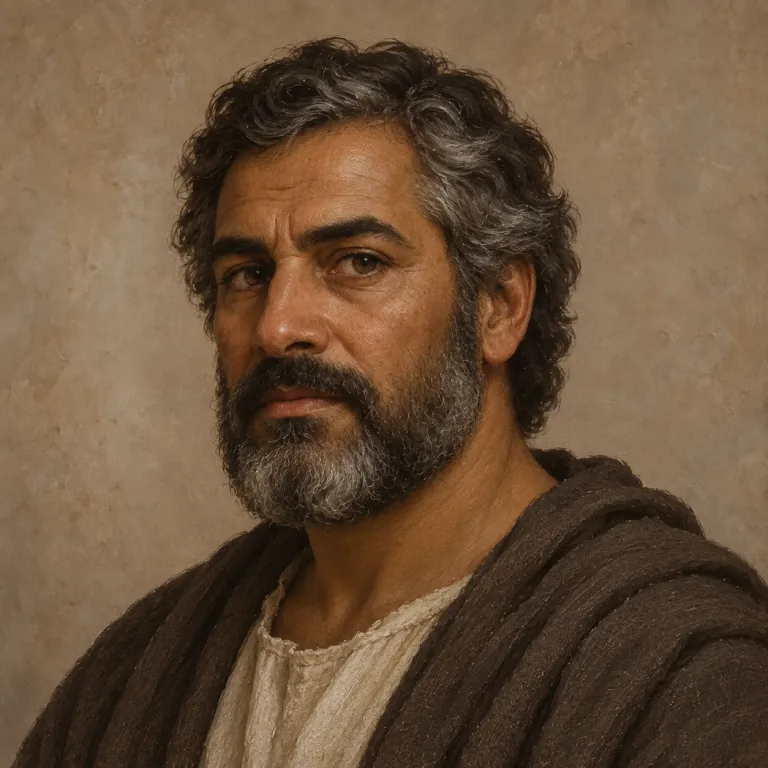
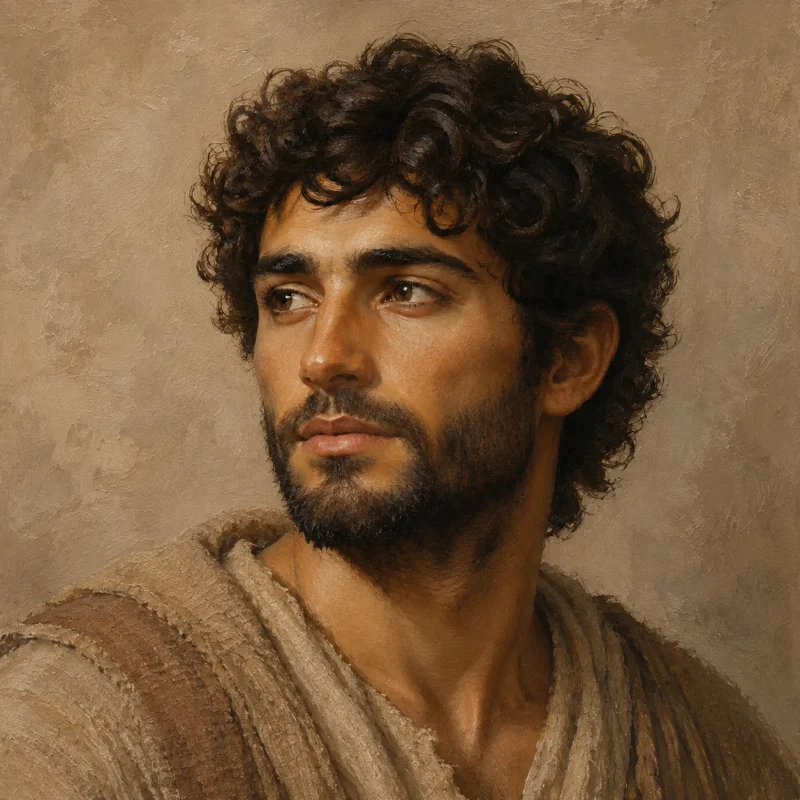
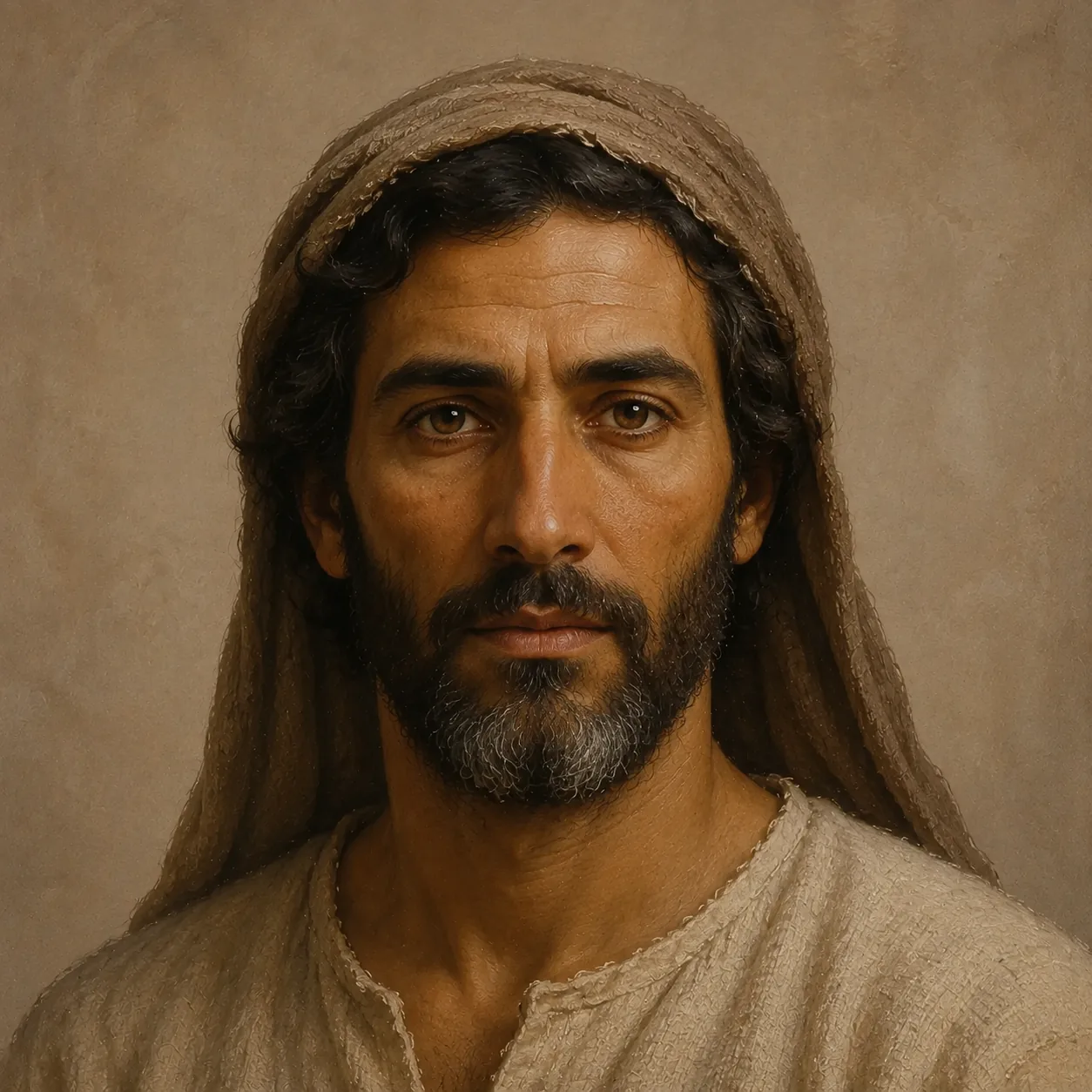
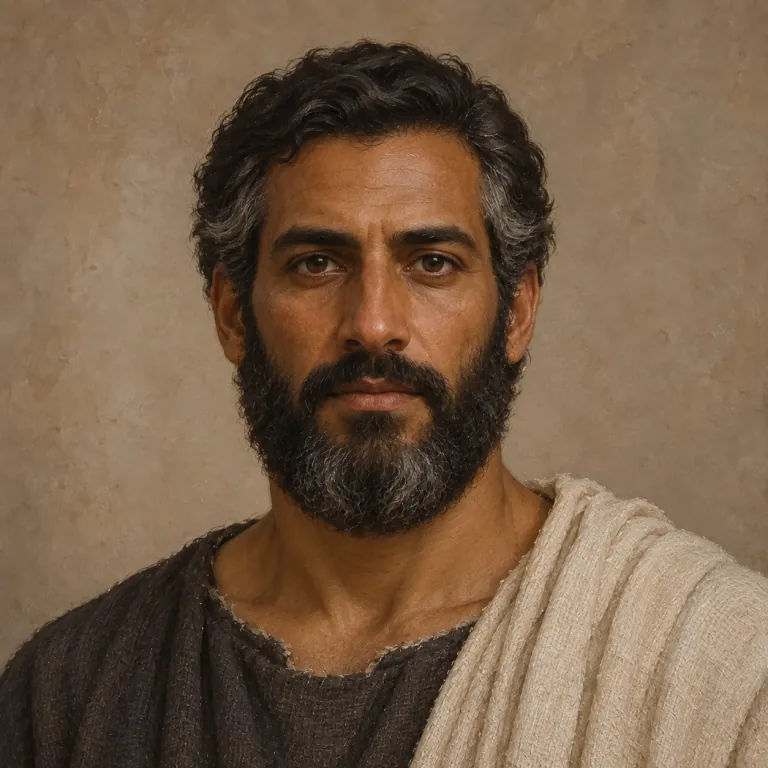
Also indexed here: