Person in the New Testament
Simeon (the man in Jerusalem)
Simeon: the man in Jerusalem who waited to see the Lord's Christ
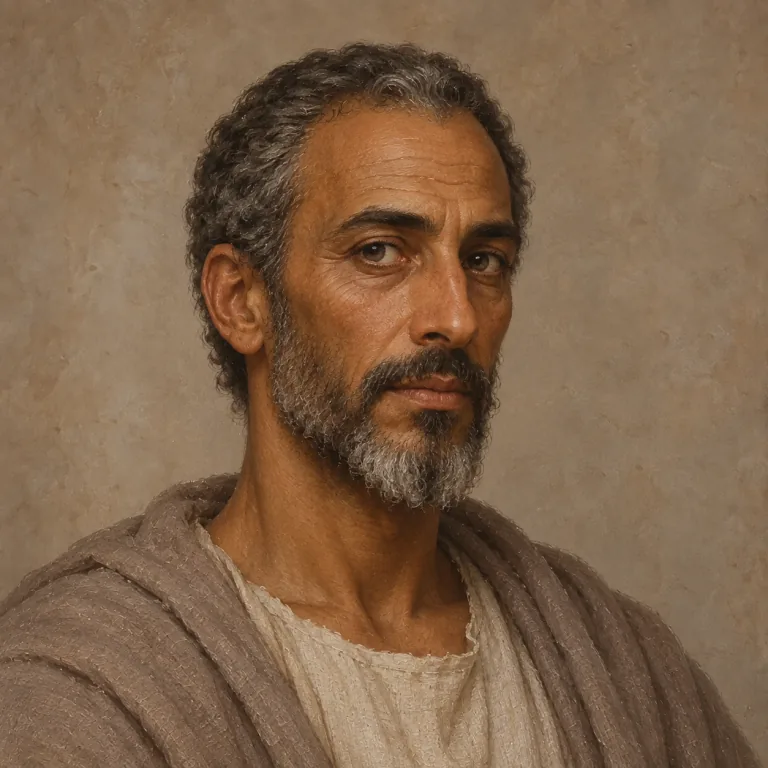
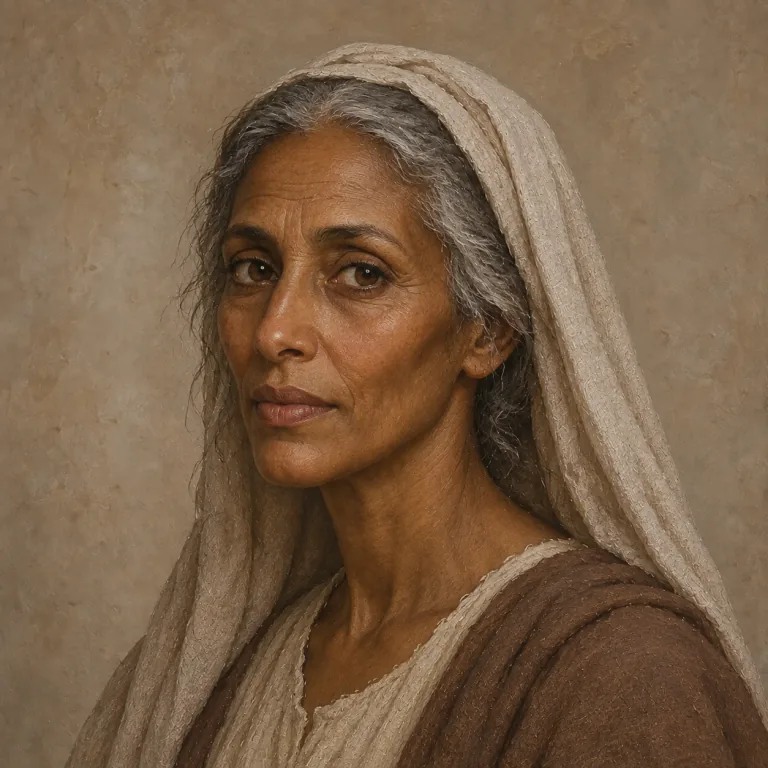
Portrait: an AI-generated artistic interpretation, not evidence of how Simeon looked.
Who Simeon is
Simeon appears in one scene. The narrator introduces him as a man in Jerusalem, just and devout, waiting for the consolation of Israel, with the Holy Ghost upon him, and says it was revealed to him that he should not see death before he had seen the Lord's Christ. He comes by the Spirit into the temple as the parents bring in the child Jesus to do for him after the custom of the law. He takes the child up in his arms, blesses God, and says that his servant may depart in peace, that his eyes have seen the salvation prepared before the face of all people, a light to lighten the Gentiles and the glory of the people Israel. Joseph and his mother marvel at what is spoken. Simeon then blesses them and says to Mary that the child is set for the fall and rising again of many in Israel and for a sign which shall be spoken against, and that a sword shall pierce through her own soul, that the thoughts of many hearts may be revealed. The account says nothing further about him.
Cited passages: Luke 2:25, Luke 2:26, Luke 2:27, Luke 2:28, Luke 2:29, Luke 2:30, Luke 2:31, Luke 2:32, Luke 2:33, Luke 2:34, Luke 2:35
Historical setting
Eleven verses hold everything the text gives about this Simeon. He is called a man in Jerusalem and nothing more: no priesthood or office, no family, no tribe, no town of origin and no age. The revelation about not seeing death is attributed to the Holy Ghost, and the text does not say when it came or whether he died soon after; the scene simply ends. His name also appears elsewhere in the book as one of the names in the genealogy, and nothing connects that Simeon, or any other man of the name, with this one. The words to Mary are his own speech, introduced by Simeon blessed them, and said unto Mary his mother, not a narrator's statement, and the text leaves the sword unexplained.
Cited passages: Luke 2:25, Luke 2:26, Luke 2:27, Luke 2:34, Luke 2:35, Luke 3:30
How the story is told
His speech falls in two parts with a different address for each. The first is spoken to God while he holds the child, and it moves outward, from one servant departing in peace to a salvation prepared before the face of all people, a light for the Gentiles and glory for Israel. The second is spoken to Mary and narrows to one family and one sword, and it turns the tone of the scene from release to warning. Between the two stands the parents' marvelling, which the narrator reports without comment. Anna follows immediately, so an old man whose words are quoted is set beside an aged widow whose words are only summarized.
Cited passages: Luke 2:28, Luke 2:29, Luke 2:31, Luke 2:32, Luke 2:33, Luke 2:34, Luke 2:35, Luke 2:36, Luke 2:38
Story moments
- Waiting for the consolation (Luke 2:25). The narrator introduces him as just and devout, with the Holy Ghost upon him.
- He should not see death (Luke 2:26). The revelation promises he will see the Lord's Christ first.
- The child in his arms (Luke 2:28). He takes the child up and blesses God.
- Mine eyes have seen (Luke 2:30). He says his eyes have seen the salvation of God.
- Set for fall and rising (Luke 2:34). He tells Mary what the child is set for in Israel.
- A sword through the soul (Luke 2:35). He tells her a sword shall pierce through her own soul.
Key passages
Luke 2:25
And, behold, there was a man in Jerusalem, whose name was Simeon; and the same man was just and devout, waiting for the consolation of Israel: and the Holy Ghost was upon him.
Luke 2:34
And Simeon blessed them, and said unto Mary his mother, Behold, this child is set for the fall and rising again of many in Israel; and for a sign which shall be spoken against;
King James Version. 2 indexed passages in total.
For reflection
Simeon holds a child and speaks of peace and of a sword in the same visit. What does the text ask of a reader who wants to keep both halves of his blessing?
Books Simeon appears in
Related people



Names and references are adapted from STEPBible TIPNR. A person listed with a verse is named or indexed there; it does not mean they wrote or spoke it.