Person in the New Testament
Anna
Anna: the prophetess in the temple, described in three verses
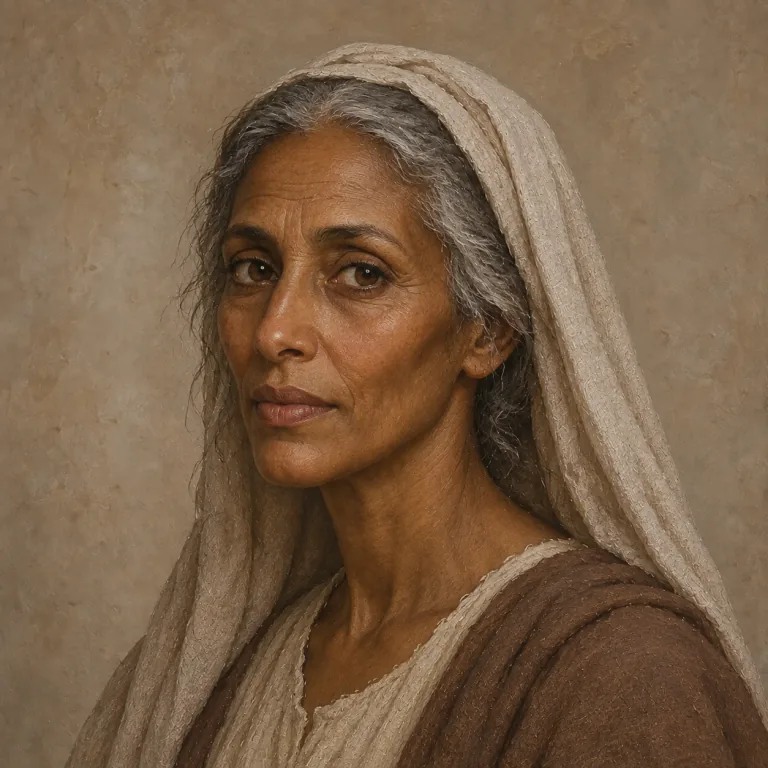
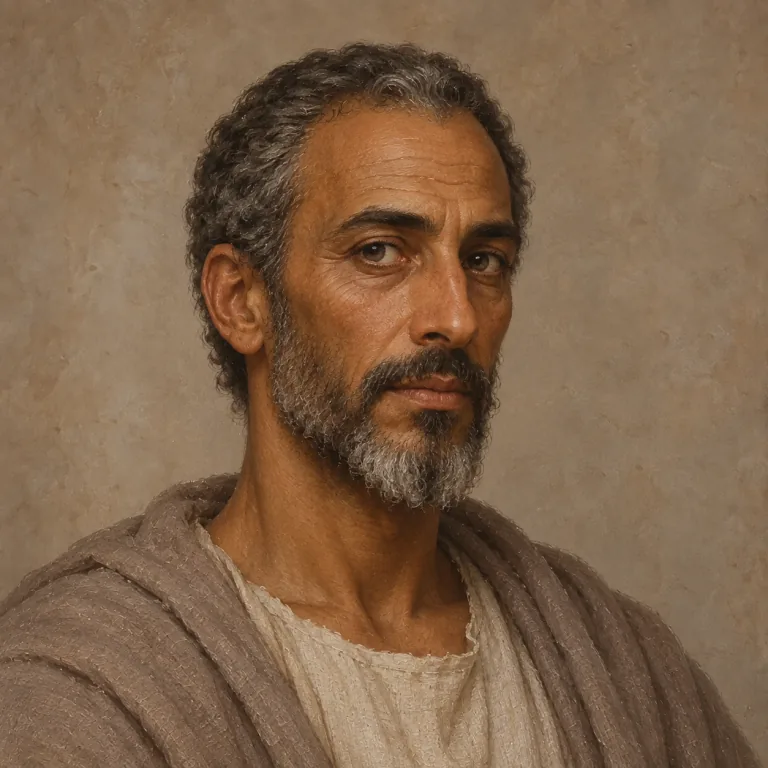
Portrait: an AI-generated artistic interpretation, not evidence of how Anna looked.
Who Anna is
Anna appears in three verses and nowhere else. The narrator calls her a prophetess, the daughter of Phanuel, of the tribe of Aser, says she was of a great age and had lived with an husband seven years from her virginity, and calls her a widow of about fourscore and four years who departed not from the temple but served God with fastings and prayers night and day. Coming in at the same hour as Simeon's blessing, she gives thanks to the Lord and speaks of the child to all them that looked for redemption in Jerusalem. That is the whole account.
Historical setting
The text supplies a title, a father, a tribe, a marriage of seven years and a long widowhood, and stops there. It does not make clear whether fourscore and four years is her age or the length of her widowhood, and the wording allows either reading. None of her words are quoted; the narrator says only that she gave thanks and spake of him. Nothing is said of where she came from, whether she had children, or what became of her, and nothing connects her with any other woman of the name. Her being in the temple at that instant is stated as fact without explanation.
How the story is told
She is placed directly after Simeon, and the two are presented differently. His words are quoted at length and addressed first to God and then to Mary; hers are reported in summary and addressed to a group, all them that looked for redemption in Jerusalem. The detail given about her is duration: seven years of marriage, fourscore and four years, night and day in the temple. So the scene sets a man who has been waiting for one promise beside a woman described by how long she has stayed, and it closes the temple visit with speech that goes outward to other people.
Cited passages: Luke 2:36, Luke 2:37, Luke 2:38, Luke 2:28, Luke 2:34
Story moments
Key passages
Luke 2:36
And there was one Anna, a prophetess, the daughter of Phanuel, of the tribe of Aser: she was of a great age, and had lived with an husband seven years from her virginity;
King James Version. 1 indexed passage in total.
For reflection
The text records that Anna spoke of the child but keeps none of her words. What difference does it make to read a witness who is reported rather than quoted?
Books Anna appears in
Related people



Names and references are adapted from STEPBible TIPNR. A person listed with a verse is named or indexed there; it does not mean they wrote or spoke it.