Person in the Old and New Testaments
Ruth
A new home in Bethlehem
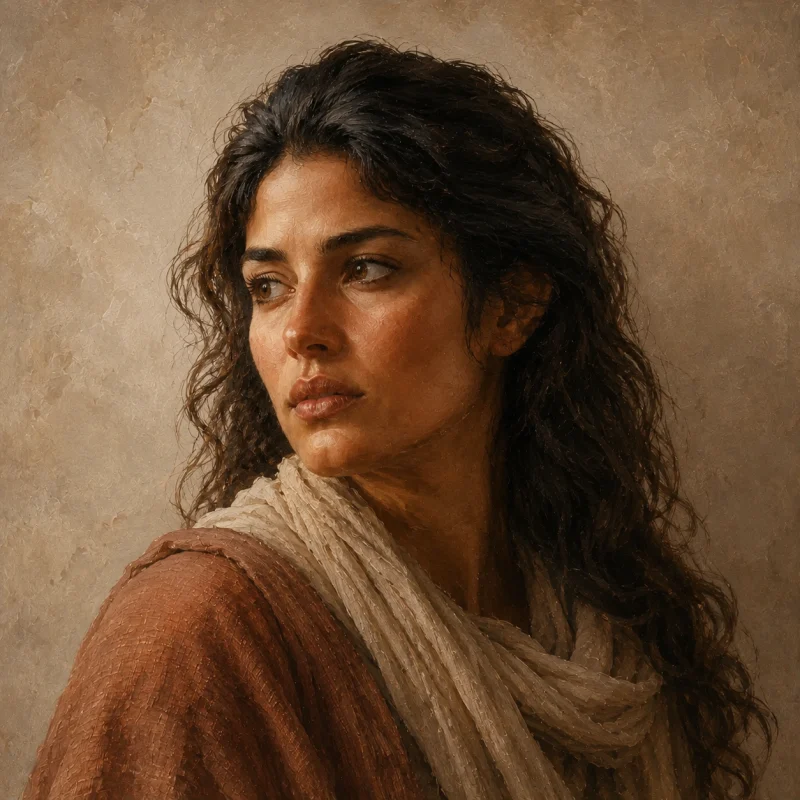
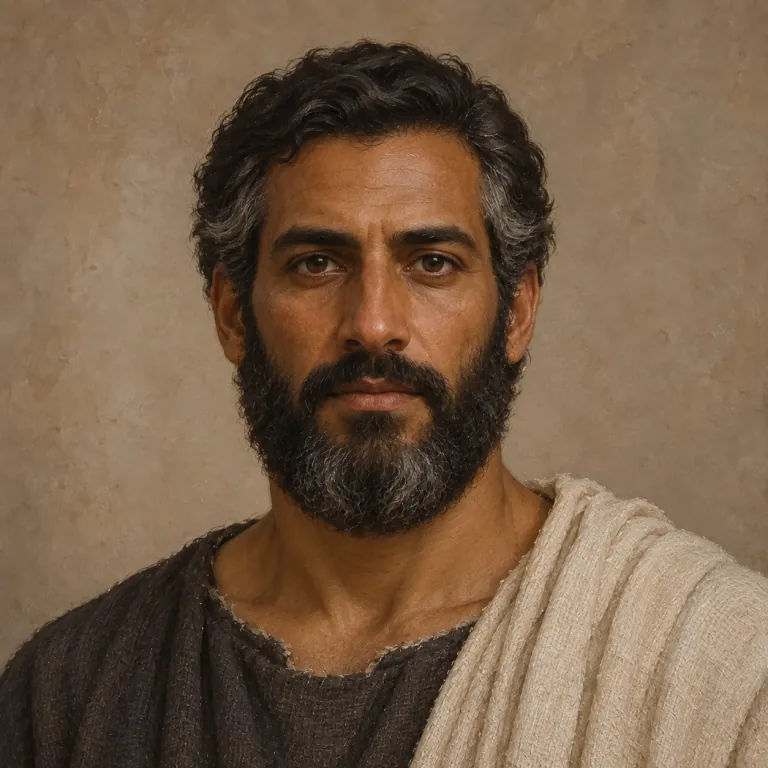
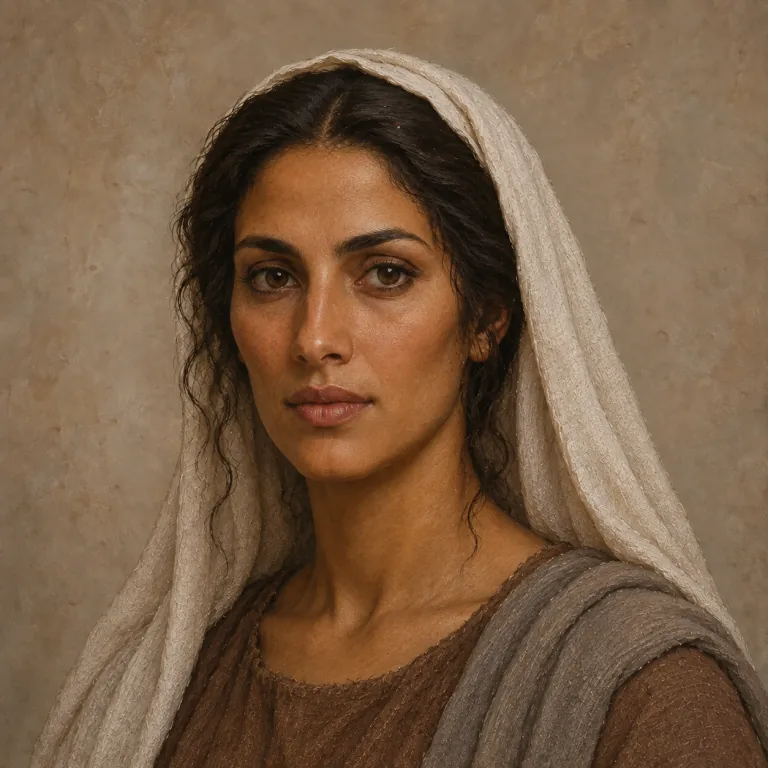
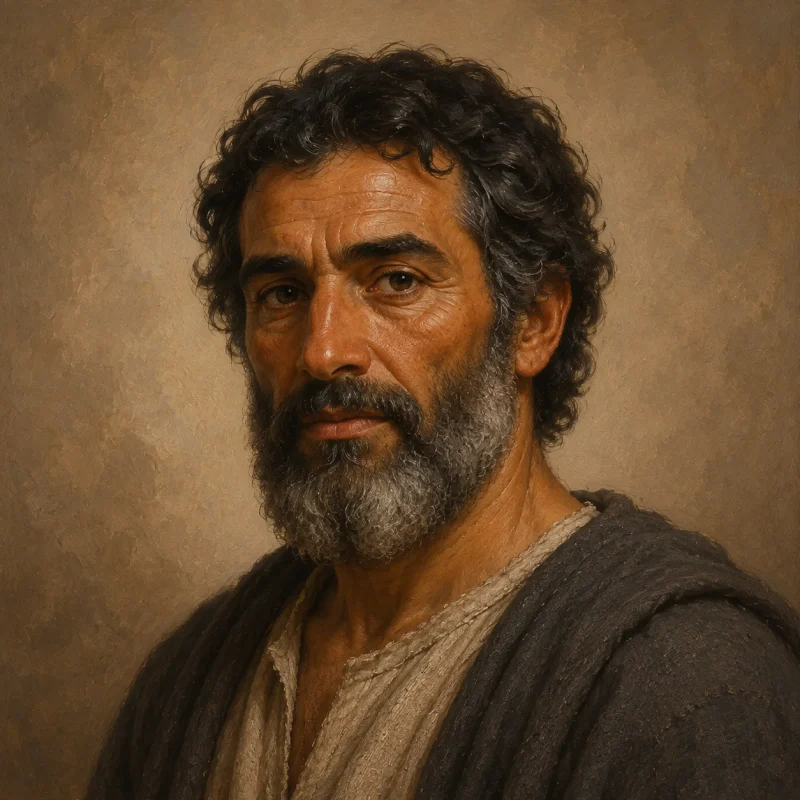
Portrait: an AI-generated artistic interpretation, not evidence of how Ruth looked.
Who Ruth is
Ruth is a Moabite woman whose husband has died. When Naomi, her mother-in-law, returns to Judah, Ruth chooses to go with her. In Bethlehem she gathers grain behind the harvesters in a field belonging to Boaz. Her story follows that decision into work, a request to a relative, and a new household. The closing genealogy connects her son Obed to Jesse and David.
Cited passages: Ruth 1:4, Ruth 1:5, Ruth 1:14, Ruth 1:16, Ruth 1:22, Ruth 2:3, Ruth 3:9, Ruth 4:13, Ruth 4:17
Historical setting
The narrator places the story in the days of the judges. Famine first takes Naomi's household from Bethlehem to Moab. The deaths of her husband and sons leave Naomi with her daughters-in-law. Ruth returns with Naomi at the start of the barley harvest. These details give the story its setting; they do not supply a precise calendar date.
How the story is told
Notice the movement from Naomi describing herself as empty to the final scene in which she holds Ruth's child. The book links household scenes with a family line: its last lines move from Obed to Jesse and David. Reading those scenes together lets you see how the ending answers the losses at the beginning, without making every loss disappear from the story.
Story moments
- Leaving Moab (Ruth 1:16). Ruth commits to go with Naomi and to share her people and her God.
- A field in Bethlehem (Ruth 2:3). Ruth gleans in a field belonging to Boaz, a relative of Elimelech.
- An appeal to a kinsman (Ruth 3:9). Ruth identifies herself and appeals to Boaz as a near kinsman.
- A new household (Ruth 4:13). Boaz marries Ruth, and she gives birth to a son.
Key passages
Ruth 1:4
And they took them wives of the women of Moab; the name of the one was Orpah, and the name of the other Ruth: and they dwelled there about ten years.
Ruth 1:14
And they lifted up their voice, and wept again: and Orpah kissed her mother in law; but Ruth clave unto her.
Ruth 1:16
And Ruth said, Intreat me not to leave thee, or to return from following after thee: for whither thou goest, I will go; and where thou lodgest, I will lodge: thy people shall be my people, and thy God my God:
Ruth 1:22
So Naomi returned, and Ruth the Moabitess, her daughter in law, with her, which returned out of the country of Moab: and they came to Beth-lehem in the beginning of barley harvest.
Ruth 2:2
And Ruth the Moabitess said unto Naomi, Let me now go to the field, and glean ears of corn after him in whose sight I shall find grace. And she said unto her, Go, my daughter.
Ruth 2:8
Then said Boaz unto Ruth, Hearest thou not, my daughter? Go not to glean in another field, neither go from hence, but abide here fast by my maidens:
King James Version. 13 indexed passages in total.
For reflection
How does your view of Ruth change as you follow her decisions from the road to the field and the new household?
Books Ruth appears in
Related people
Names and references are adapted from STEPBible TIPNR. A person listed with a verse is named or indexed there; it does not mean they wrote or spoke it.