Person in the Old and New Testaments
Eve
Eve: the woman of the garden, the mother of all living
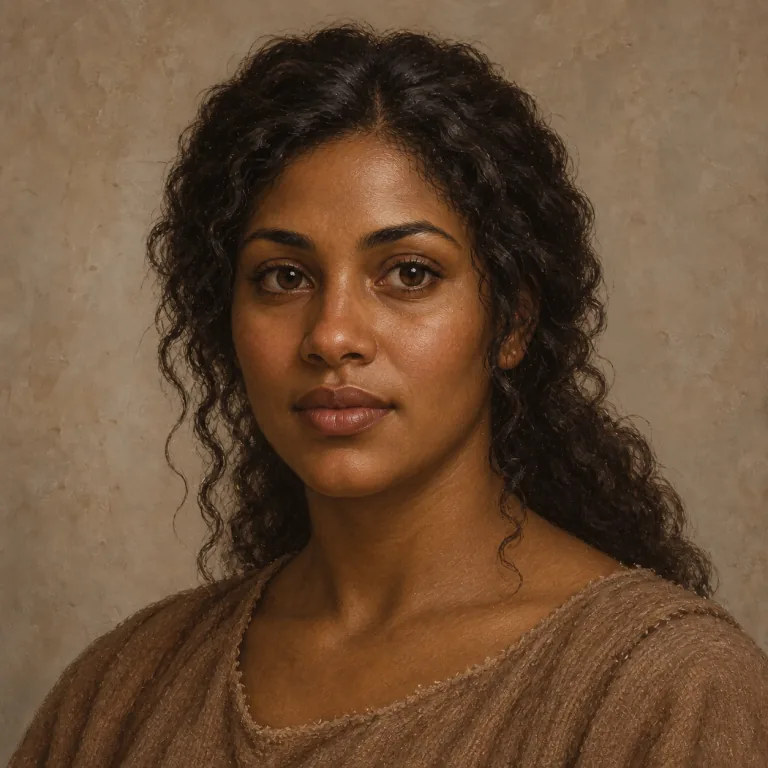
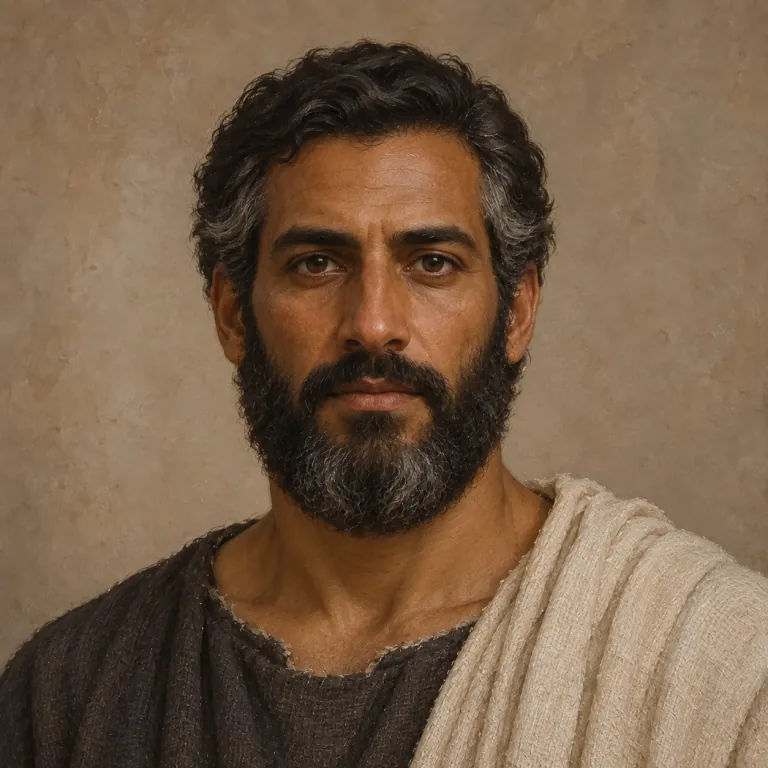
Portrait: an AI-generated artistic interpretation, not evidence of how Eve looked.
Who Eve is
The woman enters the account when the Lord God says it is not good for the man to be alone and makes her from a rib taken from Adam, bringing her to the man, who says she is bone of his bones. The narrator says the two are naked and not ashamed. In the garden the serpent asks the woman whether God has forbidden every tree; she answers that they may eat of the trees but not of the one in the midst, adding that they may not touch it. The serpent says they will not surely die. She sees the tree as good for food, pleasant to the eyes and desirable for wisdom, takes, eats, and gives to her husband, who eats. Their eyes are opened and they hide. When questioned, Adam blames the woman and the woman says the serpent beguiled her. The Lord God speaks to the serpent of enmity between it and the woman and their seed, then tells the woman her sorrow and conception will be multiplied and her husband will rule over her. After the sentence on Adam, Adam names his wife Eve, and the narrator explains the name: she is the mother of all living. The Lord God clothes them in skins and drives the man out. In chapter 4 Adam knows Eve, she bears Cain and says she has gotten a man from the Lord; she bears Abel; after Abel's death she bears Seth and says God has appointed her another seed instead of Abel. 2 Corinthians later recalls that the serpent beguiled Eve, and 1 Timothy says Adam was formed first, then Eve.
Cited passages: Genesis 2:18, Genesis 2:22, Genesis 2:23, Genesis 2:25, Genesis 3:1, Genesis 3:3, Genesis 3:4, Genesis 3:6, Genesis 3:7, Genesis 3:8, Genesis 3:12, Genesis 3:13, Genesis 3:15, Genesis 3:16, Genesis 3:20, Genesis 3:21, Genesis 3:24, Genesis 4:1, Genesis 4:2, Genesis 4:25, 2 Corinthians 11:3, 1 Timothy 2:13
Historical setting
The name Eve is printed only twice in Genesis, at 3:20 and 4:1. Everywhere else the text says the woman, his wife, or Adam's wife, and at 4:25 she bears Seth as his wife without the name being repeated. Adam gives the name and the narrator supplies its reason. The text establishes that she is made from a rib taken from the man and brought to him, that she speaks with the serpent, eats first and gives to her husband, and that she is the mother of Cain, Abel and Seth. In narrative order the command about the tree is given to the man at 2:16-17 before the woman is made at 2:22; her report to the serpent adds the words neither shall ye touch it, which are not printed in the command, and the text does not say where that addition came from. The serpent is described only as more subtil than any beast of the field. Genesis gives no age, no death notice and no further words for Eve after the birth of Seth. The New Testament references are later citations: 2 Corinthians recalls that the serpent beguiled Eve through his subtilty as a warning about corrupted minds, and 1 Timothy states the order of forming, Adam first, then Eve, and says the woman being deceived was in the transgression. These are readings of the Genesis account, not new scenes from her life.
Cited passages: Genesis 3:20, Genesis 4:1, Genesis 4:25, Genesis 2:16, Genesis 2:17, Genesis 2:22, Genesis 3:3, Genesis 3:1, Genesis 3:6, 2 Corinthians 11:3, 1 Timothy 2:13, 1 Timothy 2:14
How the story is told
Genesis 3 is built from speech and reply. The serpent's question puts the command as a blanket ban, the woman corrects it and adds to it, and the serpent denies the penalty. The narrator reports what the woman saw in three phrases, good for food, pleasant to the eyes, desired to make one wise, echoing the garden's trees that were pleasant to the sight and good for food in chapter 2. The questioning runs from Adam to the woman, and each answer passes responsibility onward: Adam names the woman whom God gave, and the woman names the serpent. The sentences then run in the reverse order, serpent, woman, man. The naming at 3:20 is placed directly after the words unto dust shalt thou return, so the name given because she was the mother of all living stands beside the sentence of death. In chapter 4 her two recorded utterances mark births: gotten a man from the Lord at Cain's birth, and another seed instead of Abel at Seth's, so her words frame the story of the brothers. The New Testament writers use her in argument rather than narrative: 2 Corinthians as a comparison for a church's vulnerability, 1 Timothy as a point about order and deception.
Cited passages: Genesis 3:1, Genesis 3:2, Genesis 3:6, Genesis 2:9, Genesis 3:9, Genesis 3:12, Genesis 3:13, Genesis 3:14, Genesis 3:16, Genesis 3:17, Genesis 3:19, Genesis 3:20, Genesis 4:1, Genesis 4:25, 2 Corinthians 11:3, 1 Timothy 2:13
Story moments
- A woman made from the rib (Genesis 2:22). The Lord God makes a woman from the rib taken from the man and brings her to him.
- She eats and gives to her husband (Genesis 3:6). The woman sees the tree as good, takes its fruit, eats, and gives to her husband, who eats.
- The serpent beguiled me (Genesis 3:13). Asked what she has done, the woman answers that the serpent beguiled her.
- Named Eve (Genesis 3:20). Adam calls his wife Eve because she is the mother of all living.
- Cain is born (Genesis 4:1). Eve bears Cain and says she has gotten a man from the Lord.
- Seth instead of Abel (Genesis 4:25). She bears Seth and says God has appointed another seed instead of Abel, whom Cain slew.
Key passages
Genesis 3:20
And Adam called his wife’s name Eve; because she was the mother of all living.
Genesis 4:1
And Adam knew Eve his wife; and she conceived, and bare Cain, and said, I have gotten a man from the Lord.
2 Corinthians 11:3
But I fear, lest by any means, as the serpent beguiled Eve through his subtilty, so your minds should be corrupted from the simplicity that is in Christ.
1 Timothy 2:13
For Adam was first formed, then Eve.
King James Version. 4 indexed passages in total.
For reflection
Adam names his wife Eve because she was the mother of all living, in the verse right after hearing that he will return to dust. What might it mean that this naming, with its reason looking toward life, comes at the moment death is pronounced?
Books Eve appears in
Related people


Names and references are adapted from STEPBible TIPNR. A person listed with a verse is named or indexed there; it does not mean they wrote or spoke it.