Person in the Old Testament
Eli
Eli: guiding Samuel while his house faces judgment

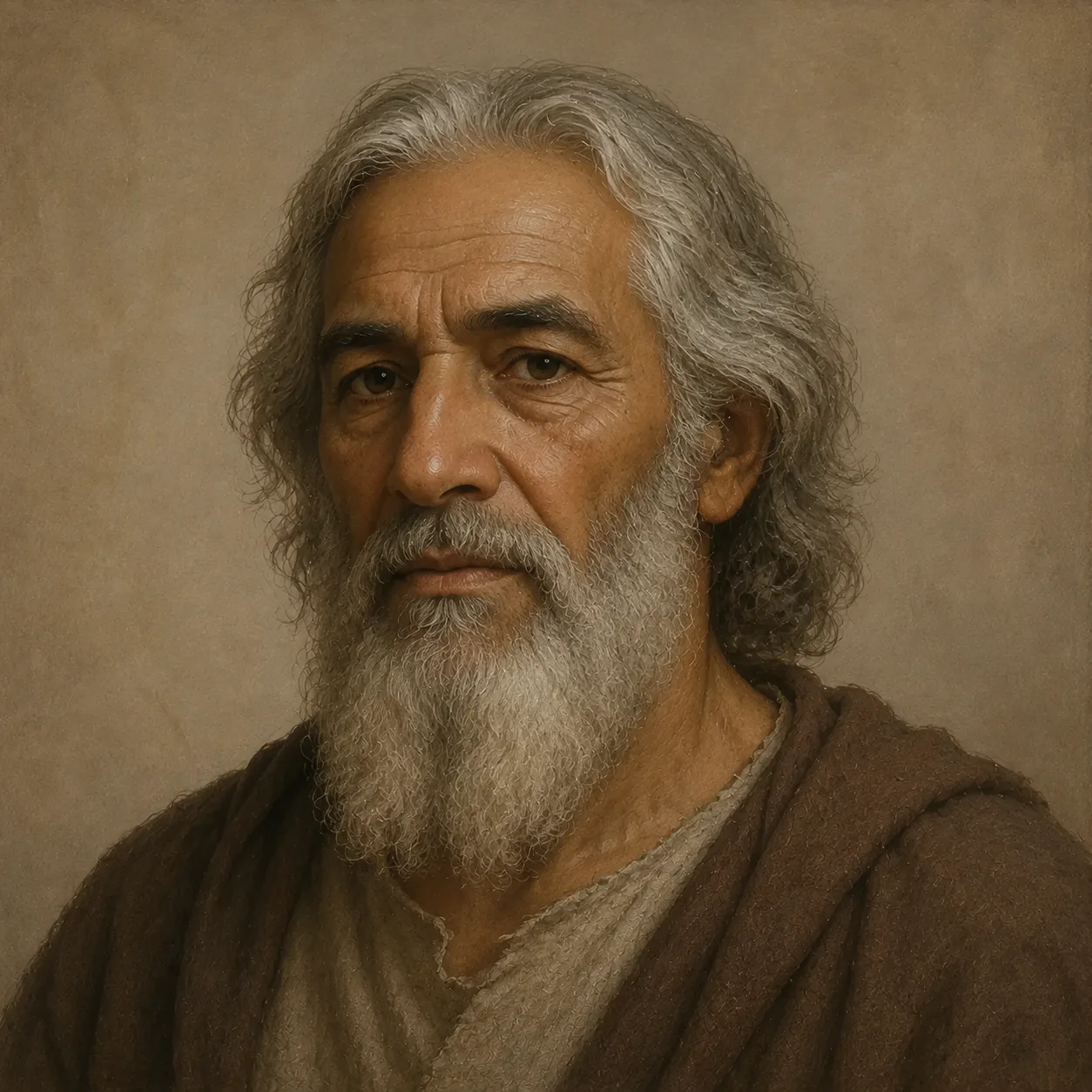
Portrait: an AI-generated artistic interpretation, not evidence of how Eli looked.
Who Eli is
Eli serves at Shiloh, where he first misreads Hannah's prayer and then blesses her request. He supervises Samuel's early service and helps him recognize the Lord's call. Yet Eli's sons abuse their priestly position. He rebukes them, but the messages against his house charge him with honoring them above the Lord and failing to restrain them. Both sons die when the ark is captured. Eli dies after hearing that the ark has been taken.
Cited passages: 1 Samuel 1:9, 1 Samuel 1:10, 1 Samuel 1:11, 1 Samuel 1:12, 1 Samuel 1:13, 1 Samuel 1:14, 1 Samuel 1:15, 1 Samuel 1:16, 1 Samuel 1:17, 1 Samuel 1:18, 1 Samuel 2:12, 1 Samuel 2:13, 1 Samuel 2:14, 1 Samuel 2:15, 1 Samuel 2:16, 1 Samuel 2:17, 1 Samuel 2:22, 1 Samuel 2:23, 1 Samuel 2:24, 1 Samuel 2:25, 1 Samuel 2:29, 1 Samuel 2:30, 1 Samuel 2:31, 1 Samuel 2:32, 1 Samuel 2:33, 1 Samuel 2:34, 1 Samuel 2:35, 1 Samuel 3:1, 1 Samuel 3:2, 1 Samuel 3:3, 1 Samuel 3:4, 1 Samuel 3:5, 1 Samuel 3:6, 1 Samuel 3:7, 1 Samuel 3:8, 1 Samuel 3:9, 1 Samuel 3:10, 1 Samuel 3:11, 1 Samuel 3:12, 1 Samuel 3:13, 1 Samuel 3:14, 1 Samuel 3:15, 1 Samuel 3:16, 1 Samuel 3:17, 1 Samuel 3:18, 1 Samuel 4:11, 1 Samuel 4:12, 1 Samuel 4:13, 1 Samuel 4:14, 1 Samuel 4:15, 1 Samuel 4:16, 1 Samuel 4:17, 1 Samuel 4:18
Historical setting
Eli is identified as a priest at Shiloh and as a judge who has served Israel for forty years. At his death he is ninety-eight and unable to see. The judgment on his house reaches beyond his own lifetime: 1 Kings explicitly connects Solomon's removal of Abiathar from the priesthood with the word spoken against Eli's house. The narrative therefore distinguishes Eli's personal death from the later consequences for his priestly line.
Cited passages: 1 Samuel 1:3, 1 Samuel 1:9, 1 Samuel 4:15, 1 Samuel 4:16, 1 Samuel 4:17, 1 Samuel 4:18, 1 Kings 2:26, 1 Kings 2:27
How the story is told
Eli can recognize the Lord's call to Samuel even though the message condemns his own household. He insists that Samuel tell him everything, then acknowledges the Lord's authority. That receptive moment does not erase the earlier charge of failed restraint. The account also makes his concern for the ark prominent: it is news of its capture, after news of his sons, that precedes his fatal fall.
Cited passages: 1 Samuel 3:8, 1 Samuel 3:9, 1 Samuel 3:10, 1 Samuel 3:11, 1 Samuel 3:12, 1 Samuel 3:13, 1 Samuel 3:14, 1 Samuel 3:15, 1 Samuel 3:16, 1 Samuel 3:17, 1 Samuel 3:18, 1 Samuel 4:13, 1 Samuel 4:14, 1 Samuel 4:15, 1 Samuel 4:16, 1 Samuel 4:17, 1 Samuel 4:18
Story moments
- Hannah's explanation heard (1 Samuel 1:17). Eli sends Hannah away in peace after she explains her prayer.
- His sons rebuked (1 Samuel 2:24). Eli warns his sons that their conduct leads the people into wrongdoing.
- Samuel's caller recognized (1 Samuel 3:8). Eli understands that the Lord has called Samuel.
- The whole message requested (1 Samuel 3:17). Eli insists that Samuel hide none of the Lord's words from him.
- The ark's loss reported (1 Samuel 4:18). Eli falls and dies when the messenger mentions the ark's capture.
- A later consequence for his house (1 Kings 2:27). The narrator connects Abiathar's removal with the earlier word against Eli's house.
Key passages
1 Samuel 1:3
And this man went up out of his city yearly to worship and to sacrifice unto the Lord of hosts in Shiloh. And the two sons of Eli, Hophni and Phinehas, the priests of the Lord, were there.
1 Samuel 1:9
So Hannah rose up after they had eaten in Shiloh, and after they had drunk. Now Eli the priest sat upon a seat by a post of the temple of the Lord.
1 Samuel 1:12
And it came to pass, as she continued praying before the Lord, that Eli marked her mouth.
1 Samuel 1:13
Now Hannah, she spake in her heart; only her lips moved, but her voice was not heard: therefore Eli thought she had been drunken.
1 Samuel 1:14
And Eli said unto her, How long wilt thou be drunken? put away thy wine from thee.
1 Samuel 1:17
Then Eli answered and said, Go in peace: and the God of Israel grant thee thy petition that thou hast asked of him.
King James Version. 30 indexed passages in total.
For reflection
How can Eli's help to Samuel and his failure to restrain his sons both inform a careful reading of his leadership?
Books Eli appears in
Related people






Names and references are adapted from STEPBible TIPNR. A person listed with a verse is named or indexed there; it does not mean they wrote or spoke it.