Person in the Old Testament
Hannah
Hannah: prayer, dedication and praise
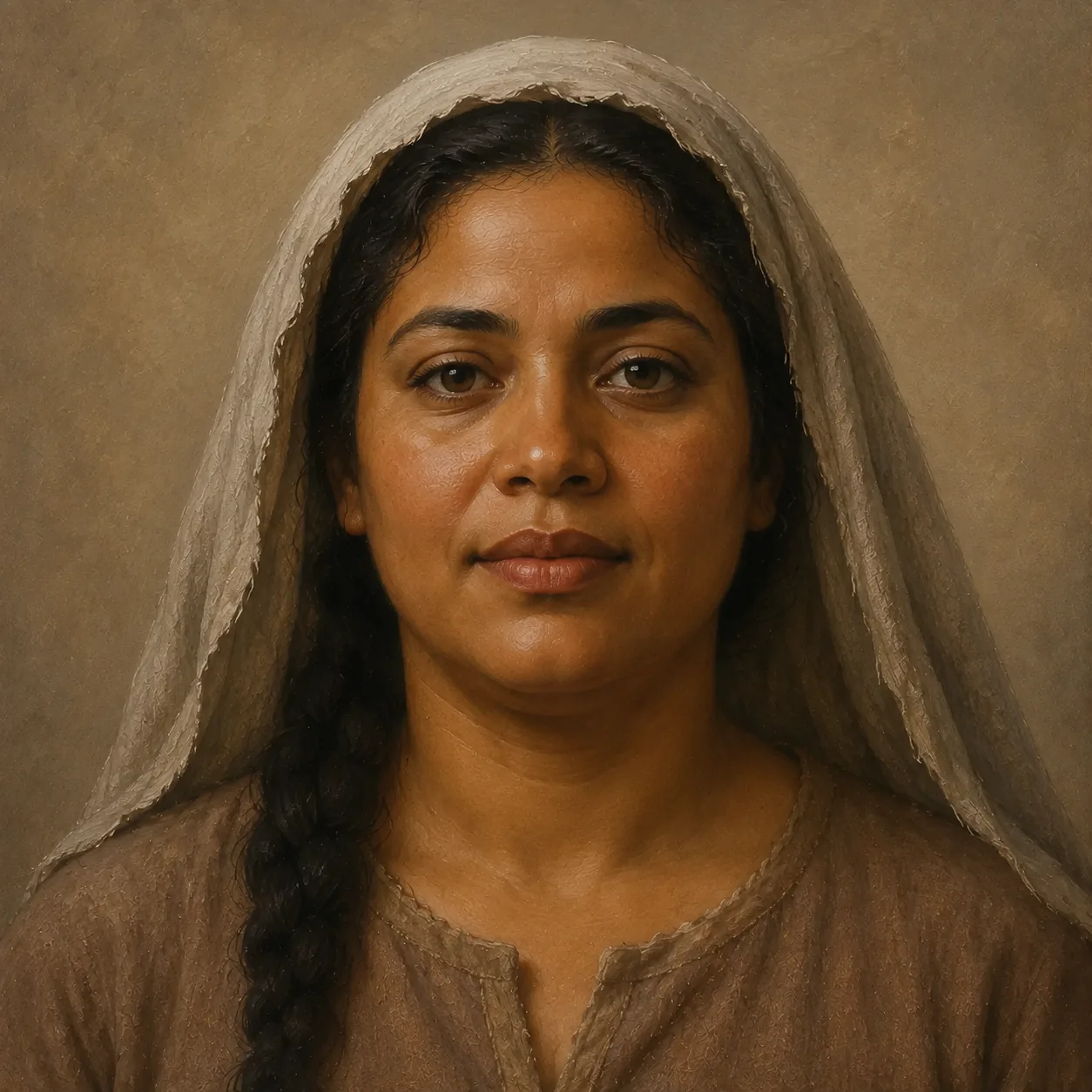
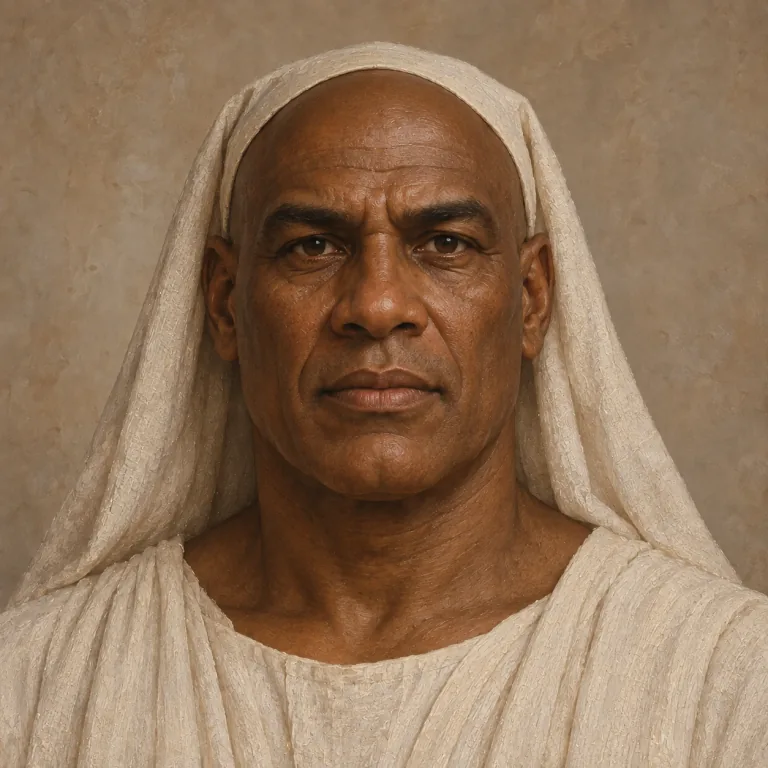
Portrait: an AI-generated artistic interpretation, not evidence of how Hannah looked.
Who Hannah is
Hannah is one of Elkanah's two wives and initially has no children. Peninnah's repeated provocation makes the family's visits to Shiloh painful. Hannah asks the Lord for a son and promises him to lifelong service. Eli mistakes her silent prayer for drunkenness until she explains her distress. After Samuel is born and weaned, she brings him to Shiloh. Her song praises the Lord's power to reverse human fortunes, and she continues visiting Samuel with a yearly coat.
Cited passages: 1 Samuel 1:1, 1 Samuel 1:2, 1 Samuel 1:3, 1 Samuel 1:4, 1 Samuel 1:5, 1 Samuel 1:6, 1 Samuel 1:7, 1 Samuel 1:9, 1 Samuel 1:10, 1 Samuel 1:11, 1 Samuel 1:12, 1 Samuel 1:13, 1 Samuel 1:14, 1 Samuel 1:15, 1 Samuel 1:16, 1 Samuel 1:17, 1 Samuel 1:18, 1 Samuel 1:20, 1 Samuel 1:21, 1 Samuel 1:22, 1 Samuel 1:23, 1 Samuel 1:24, 1 Samuel 1:25, 1 Samuel 1:26, 1 Samuel 1:27, 1 Samuel 1:28, 1 Samuel 2:1, 1 Samuel 2:2, 1 Samuel 2:3, 1 Samuel 2:4, 1 Samuel 2:5, 1 Samuel 2:6, 1 Samuel 2:7, 1 Samuel 2:8, 1 Samuel 2:9, 1 Samuel 2:10, 1 Samuel 2:18, 1 Samuel 2:19, 1 Samuel 2:20, 1 Samuel 2:21
Historical setting
The account places Hannah in a household from the hill country of Ephraim that travels yearly to Shiloh to worship. Her vow includes leaving her son's hair uncut, but the chapter gives no age at his weaning. Eli later blesses the parents, and the narrative records three more sons and two daughters for Hannah. The seven children in her song are a poetic image of reversal, not the narrative count of her family.
Cited passages: 1 Samuel 1:1, 1 Samuel 1:2, 1 Samuel 1:3, 1 Samuel 1:11, 1 Samuel 1:21, 1 Samuel 1:22, 1 Samuel 1:23, 1 Samuel 1:24, 1 Samuel 2:5, 1 Samuel 2:19, 1 Samuel 2:20, 1 Samuel 2:21
How the story is told
Hannah first has to explain the meaning of a prayer that is visible on her lips but inaudible to Eli. At the dedication she publicly identifies Samuel as the answer to that prayer. Her praise then widens beyond her own household to hunger, strength, poverty, life and death. The small coat she brings each year gives the larger story of Samuel's service a continuing sign of maternal care.
Cited passages: 1 Samuel 1:12, 1 Samuel 1:13, 1 Samuel 1:14, 1 Samuel 1:15, 1 Samuel 1:16, 1 Samuel 1:17, 1 Samuel 1:18, 1 Samuel 1:26, 1 Samuel 1:27, 1 Samuel 1:28, 1 Samuel 2:1, 1 Samuel 2:2, 1 Samuel 2:3, 1 Samuel 2:4, 1 Samuel 2:5, 1 Samuel 2:6, 1 Samuel 2:7, 1 Samuel 2:8, 1 Samuel 2:9, 1 Samuel 2:10, 1 Samuel 2:19
Story moments
- A vow in distress (1 Samuel 1:11). Hannah asks for a son and promises him to the Lord for life.
- A prayer explained (1 Samuel 1:15). She tells Eli that she is pouring out her soul before the Lord.
- Samuel named (1 Samuel 1:20). Hannah connects her son's name with her request to the Lord.
- The child dedicated (1 Samuel 1:27). She identifies Samuel as the child for whom she prayed.
- The poor raised (1 Samuel 2:8). Her song praises the Lord who lifts the poor from the dust.
- A coat each year (1 Samuel 2:19). Hannah brings Samuel a little coat at the yearly sacrifice.
Key passages
1 Samuel 1:2
And he had two wives; the name of the one was Hannah, and the name of the other Peninnah: and Peninnah had children, but Hannah had no children.
1 Samuel 1:5
But unto Hannah he gave a worthy portion; for he loved Hannah: but the Lord had shut up her womb.
1 Samuel 1:8
Then said Elkanah her husband to her, Hannah, why weepest thou? and why eatest thou not? and why is thy heart grieved? am not I better to thee than ten sons?
1 Samuel 1:9
So Hannah rose up after they had eaten in Shiloh, and after they had drunk. Now Eli the priest sat upon a seat by a post of the temple of the Lord.
1 Samuel 1:13
Now Hannah, she spake in her heart; only her lips moved, but her voice was not heard: therefore Eli thought she had been drunken.
1 Samuel 1:15
And Hannah answered and said, No, my lord, I am a woman of a sorrowful spirit: I have drunk neither wine nor strong drink, but have poured out my soul before the Lord.
King James Version. 11 indexed passages in total.
For reflection
What changes when Hannah's distress is heard on her own terms, and what remains visible of her care after Samuel is dedicated?
Books Hannah appears in
Related people
Names and references are adapted from STEPBible TIPNR. A person listed with a verse is named or indexed there; it does not mean they wrote or spoke it.