Person in the Old Testament
Ehud
Ehud: deliverance from Moab
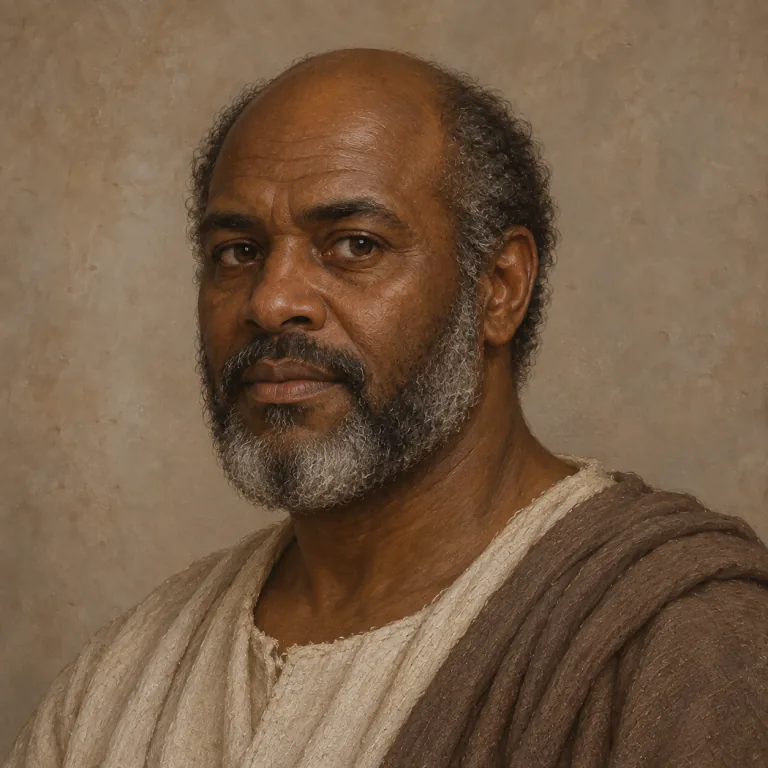
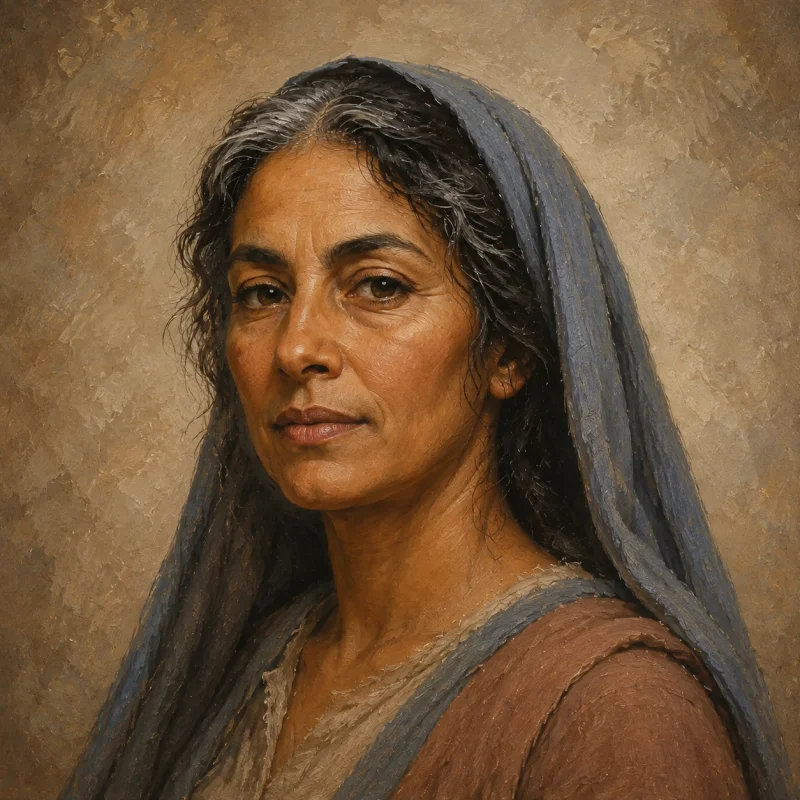
Portrait: an AI-generated artistic interpretation, not evidence of how Ehud looked.
Who Ehud is
Ehud, son of Gera, is a left-handed Benjaminite whom the Lord raises up when Israel cries out under Moabite rule. Sent with Israel's tribute to King Eglon, he conceals a short sword on his right thigh. After sending the tribute bearers away, he returns with a claim to a secret message. Alone with Eglon, he announces a message from God and kills him. Ehud escapes while the king's servants delay outside the locked room, then summons Israel to seize the Jordan crossings. Moab is subdued, and the land rests for eighty years. Judges later marks a renewed turn to evil after Ehud's death.
Cited passages: Judges 3:12, Judges 3:13, Judges 3:14, Judges 3:15, Judges 3:16, Judges 3:17, Judges 3:18, Judges 3:19, Judges 3:20, Judges 3:21, Judges 3:22, Judges 3:23, Judges 3:24, Judges 3:25, Judges 3:26, Judges 3:27, Judges 3:28, Judges 3:29, Judges 3:30, Judges 4:1
Historical setting
The story places Ehud's mission after eighteen years of service to Eglon. Moab has allied with Ammon and Amalek and taken the city of palm trees. Tribute, a private royal chamber and control of the river crossings form the setting of the revolt; the passage supplies no calendar date. A later Benjaminite genealogy names sons of Ehud and family heads at Geba. That brief notice is not a narrated continuation of this judge's life and does not establish a new personal migration or campaign for him.
Cited passages: Judges 3:12, Judges 3:13, Judges 3:14, Judges 3:15, Judges 3:19, Judges 3:20, Judges 3:28, Judges 3:29, Judges 3:30, 1 Chronicles 8:6, 1 Chronicles 8:7
How the story is told
Concealment and delayed discovery give the account its tension: Ehud's sword is hidden, his message is private, the chamber is locked and the servants wait. His left hand and the sword's position matter to the action. The Lord's raising of a deliverer frames the story, while the declaration of a message from God belongs to Ehud's speech; the narrator does not report a separate divine command specifying the assassination. The scene then widens from one man's escape to Israel's seizure of the crossings and a long period of rest.
Cited passages: Judges 3:15, Judges 3:16, Judges 3:19, Judges 3:20, Judges 3:21, Judges 3:22, Judges 3:23, Judges 3:24, Judges 3:25, Judges 3:26, Judges 3:27, Judges 3:28, Judges 3:29, Judges 3:30
Story moments
- A deliverer is raised (Judges 3:15). Israel cries out, and Ehud, a left-handed Benjaminite, is sent with tribute to Eglon.
- A concealed sword (Judges 3:16). Ehud prepares a double-edged sword and places it beneath his clothing on his right thigh.
- The private encounter (Judges 3:20). Ehud says he has a message from God; the following verses narrate Eglon's killing.
- Israel takes the crossings (Judges 3:28). Ehud leads the seizure of the Jordan fords toward Moab.
- Eighty years of rest (Judges 3:30). Moab is subdued and the land rests for eighty years.
- After Ehud's death (Judges 4:1). Judges introduces another period of evil after Ehud has died.
Key passages
Judges 3:15
But when the children of Israel cried unto the Lord, the Lord raised them up a deliverer, Ehud the son of Gera, a Benjamite, a man lefthanded: and by him the children of Israel sent a present unto Eglon the king of Moab.
Judges 3:16
But Ehud made him a dagger which had two edges, of a cubit length; and he did gird it under his raiment upon his right thigh.
Judges 3:20
And Ehud came unto him; and he was sitting in a summer parlour, which he had for himself alone. And Ehud said, I have a message from God unto thee. And he arose out of his seat.
Judges 3:21
And Ehud put forth his left hand, and took the dagger from his right thigh, and thrust it into his belly:
Judges 3:23
Then Ehud went forth through the porch, and shut the doors of the parlour upon him, and locked them.
Judges 3:26
And Ehud escaped while they tarried, and passed beyond the quarries, and escaped unto Seirath.
King James Version. 8 indexed passages in total.
For reflection
What changes when you read Ehud's private encounter within the whole account of oppression, deliverance and renewed failure after his death? Keep the narrator's statements distinct from words spoken by a character.
Books Ehud appears in
Related people


Names and references are adapted from STEPBible TIPNR. A person listed with a verse is named or indexed there; it does not mean they wrote or spoke it.