Person in the Old Testament
Deborah
Deborah: prophetess and judge
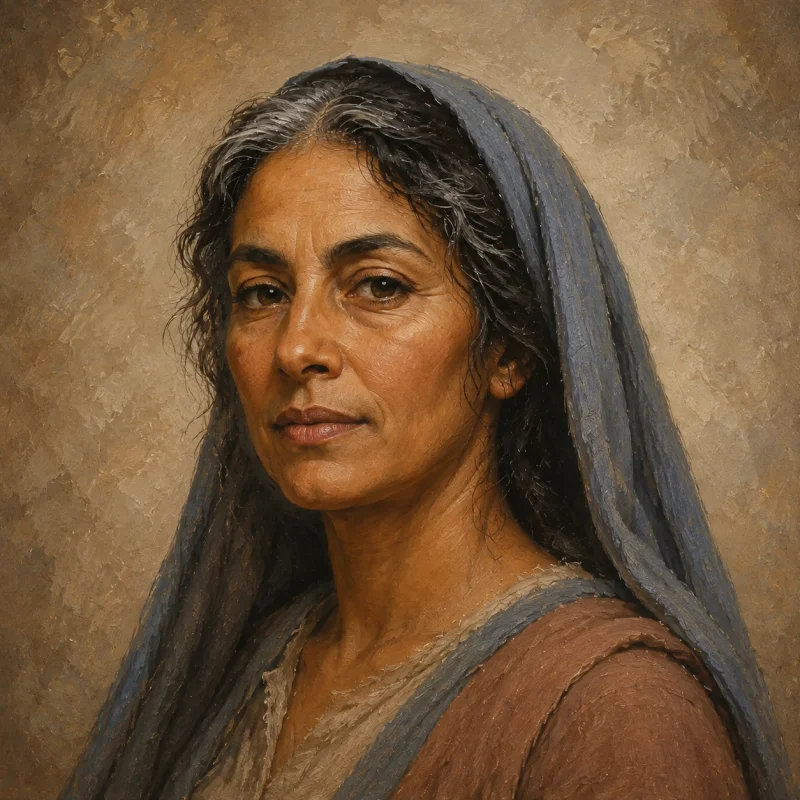
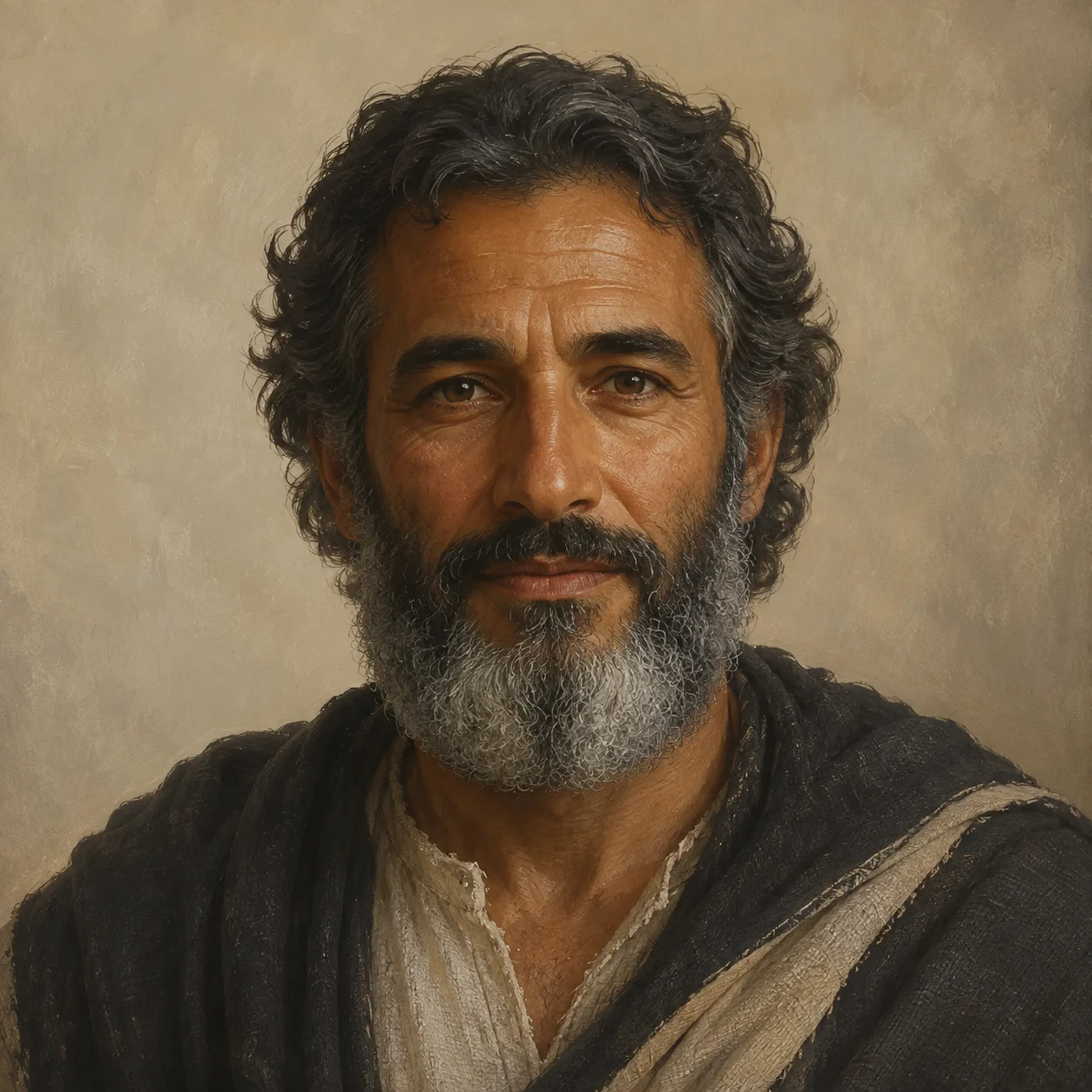
Portrait: an AI-generated artistic interpretation, not evidence of how Deborah looked.
Who Deborah is
Deborah is introduced as a prophetess, the wife of Lapidoth, already judging Israel beneath her palm tree between Ramah and Bethel. She summons Barak and gives him the Lord's command to gather ten thousand men from Naphtali and Zebulun against Sisera. When Barak makes her presence a condition of going, she agrees to accompany him and says the honour of the journey will go to a woman. At Mount Tabor she calls him to advance, declaring that the Lord has gone before him. The battle ends in Sisera's defeat, and Jael kills the fleeing commander. Deborah and Barak then sing the victory song recorded in Judges 5.
Cited passages: Judges 4:4, Judges 4:5, Judges 4:6, Judges 4:7, Judges 4:8, Judges 4:9, Judges 4:10, Judges 4:14, Judges 4:15, Judges 4:16, Judges 4:21, Judges 4:22, Judges 5:1
Historical setting
Deborah's account is set during twenty years of oppression under Jabin, king of Canaan at Hazor, whose commander Sisera has nine hundred iron chariots. The story locates her judging in the hill country of Ephraim and the fighting around Tabor and the Kishon. The song remembers deserted roads and the crisis preceding her rise, then names tribes that joined the struggle and others that held back. These are the narrative and song's descriptions of the period; they do not supply a dated biography or details of Deborah's childhood and family beyond the introduction in chapter 4.
Cited passages: Judges 4:2, Judges 4:3, Judges 4:4, Judges 4:5, Judges 4:6, Judges 4:7, Judges 4:12, Judges 4:13, Judges 4:14, Judges 4:15, Judges 5:6, Judges 5:7, Judges 5:14, Judges 5:15, Judges 5:16, Judges 5:17, Judges 5:18
How the story is told
Deborah's words guide the movement from summons to battle, but the prose gives the rout to the Lord and Sisera's death to Jael. The song returns to the conflict through praise, remembered danger, tribal responses and the image of the Kishon sweeping enemies away. Its description of Deborah as a mother in Israel expresses her place in that communal account; it does not identify children of her own. Judges credits the singing to Deborah and Barak together, without naming an exclusive author. The final prayer against the Lord's enemies leads into forty years of rest.
Cited passages: Judges 4:6, Judges 4:7, Judges 4:8, Judges 4:9, Judges 4:14, Judges 4:15, Judges 4:21, Judges 5:1, Judges 5:2, Judges 5:3, Judges 5:7, Judges 5:14, Judges 5:15, Judges 5:16, Judges 5:17, Judges 5:18, Judges 5:19, Judges 5:20, Judges 5:21, Judges 5:31
Story moments
- Judging beneath the palm (Judges 4:5). Israelites come to Deborah for judgment between Ramah and Bethel.
- The summons to Barak (Judges 4:6). Deborah calls Barak and gives the command to gather men from Naphtali and Zebulun.
- She agrees to go (Judges 4:9). Deborah accompanies Barak and announces that a woman will receive the honour concerning Sisera.
- The call to advance (Judges 4:14). Deborah tells Barak to rise, declaring that the Lord has gone before him.
- The victory song (Judges 5:1). Deborah and Barak sing after the victory.
Key passages
Judges 4:4
And Deborah, a prophetess, the wife of Lapidoth, she judged Israel at that time.
Judges 4:5
And she dwelt under the palm tree of Deborah between Ramah and Beth-el in mount Ephraim: and the children of Israel came up to her for judgment.
Judges 4:9
And she said, I will surely go with thee: notwithstanding the journey that thou takest shall not be for thine honour; for the Lord shall sell Sisera into the hand of a woman. And Deborah arose, and went with Barak to Kedesh.
Judges 4:10
And Barak called Zebulun and Naphtali to Kedesh; and he went up with ten thousand men at his feet: and Deborah went up with him.
Judges 4:14
And Deborah said unto Barak, Up; for this is the day in which the Lord hath delivered Sisera into thine hand: is not the Lord gone out before thee? So Barak went down from mount Tabor, and ten thousand men after him.
Judges 5:1
Then sang Deborah and Barak the son of Abinoam on that day, saying,
King James Version. 9 indexed passages in total.
For reflection
How do Deborah's judging, her call to Barak and the shared song illuminate different parts of leadership? Notice how the account distributes action among Deborah, Barak, Jael, the tribes and the Lord.
Books Deborah appears in
Related people
Names and references are adapted from STEPBible TIPNR. A person listed with a verse is named or indexed there; it does not mean they wrote or spoke it.