The Prophets · Old Testament
Hosea 12
Hosea 12: Ephraim feeds on wind, and Jacob's story is retold in pieces
General context
"Ephraim feedeth on wind, and followeth after the east wind," increasing lies; "they do make a covenant with the Assyrians, and oil is carried into Egypt." The Lord has "a controversy with Judah" and will punish Jacob according to his ways. Jacob's story is recalled: "He took his brother by the heel in the womb, and by his strength he had power with God," he "had power over the angel, and prevailed: he wept, and made supplication unto him," and "he found him in Beth–el, and there he spake with us; Even the Lord God of hosts; the Lord is his memorial." The command follows: "turn thou to thy God: keep mercy and judgment, and wait on thy God continually." "He is a merchant, the balances of deceit are in his hand: he loveth to oppress." Ephraim is quoted: "Yet I am become rich, I have found me out substance: in all my labours they shall find none iniquity in me that were sin." The Lord, "thy God from the land of Egypt," will make them dwell in tabernacles "as in the days of the solemn feast." He has spoken by the prophets, multiplied visions and used similitudes. Gilead is vanity; they sacrifice bullocks in Gilgal, and their altars are "as heaps in the furrows of the fields." Jacob "fled into the country of Syria, and Israel served for a wife, and for a wife he kept sheep." "By a prophet the Lord brought Israel out of Egypt, and by a prophet was he preserved." Ephraim provoked him "most bitterly," so his blood will be left upon him and his reproach returned.
Cited passages: Hosea 12:1, Hosea 12:2, Hosea 12:3, Hosea 12:4, Hosea 12:5, Hosea 12:6, Hosea 12:7, Hosea 12:8, Hosea 12:9, Hosea 12:10, Hosea 12:11, Hosea 12:12, Hosea 12:13, Hosea 12:14
Hosea 12 (KJV)
1Ephraim feedeth on wind, and followeth after the east wind: he daily increaseth lies and desolation; and they do make a covenant with the Assyrians, and oil is carried into Egypt.
2The Lord hath also a controversy with Judah, and will punish Jacob according to his ways; according to his doings will he recompense him.
3He took his brother by the heel in the womb, and by his strength he had power with God:
4Yea, he had power over the angel, and prevailed: he wept, and made supplication unto him: he found him in Beth-el, and there he spake with us;
5Even the Lord God of hosts; the Lord is his memorial.
6Therefore turn thou to thy God: keep mercy and judgment, and wait on thy God continually.
7He is a merchant, the balances of deceit are in his hand: he loveth to oppress.
8And Ephraim said, Yet I am become rich, I have found me out substance: in all my labours they shall find none iniquity in me that were sin.
9And I that am the Lord thy God from the land of Egypt will yet make thee to dwell in tabernacles, as in the days of the solemn feast.
10I have also spoken by the prophets, and I have multiplied visions, and used similitudes, by the ministry of the prophets.
11Is there iniquity in Gilead? surely they are vanity: they sacrifice bullocks in Gilgal; yea, their altars are as heaps in the furrows of the fields.
12And Jacob fled into the country of Syria, and Israel served for a wife, and for a wife he kept sheep.
13And by a prophet the Lord brought Israel out of Egypt, and by a prophet was he preserved.
14Ephraim provoked him to anger most bitterly: therefore shall he leave his blood upon him, and his reproach shall his Lord return unto him.
This page shows the King James Version. In the app, reading opens in the Berean Standard Bible unless you have chosen another translation. The reader includes five translations: the Berean Standard Bible (BSB), the King James Version (KJV), the World English Bible (WEB), the Bible in Basic English (BBE), and the American Standard Version (ASV). Search covers three of them: Berean Standard, King James, and World English. Basic English and American Standard readers search the King James words.
Historical context
Jacob's story is given in fragments, not in order: the heel in the womb, power with God and over the angel, weeping and supplication, Beth-el, flight to Syria, service for a wife, keeping sheep. The chapter names neither the brother, the wife nor the master; Genesis 25:26 says "his hand took hold on Esau’s heel," Genesis 32:28 has the words "as a prince hast thou power with God and with men, and hast prevailed," and Genesis 29:20 says "Jacob served seven years for Rachel." Hosea's line "there he spake with us" uses "us" without saying who is included. "By a prophet the Lord brought Israel out of Egypt" leaves the prophet unnamed. "Jacob" is used both for the ancestor and for the people the Lord "will punish," and Judah, Ephraim and Israel all appear as parties in the same chapter. "He is a merchant" in verse 7 has no named subject; the quoted boast in verse 8 is attributed to Ephraim. The speaker shifts: verse 2 speaks of the Lord in the third person, verses 9 and 10 in the first person, "I that am the Lord thy God." Gilead and Gilgal, both named in earlier chapters, appear again as sites of iniquity and sacrifice. The Assyrians and Egypt are named as partners in covenant and trade. "The solemn feast" is not identified.
Cited passages: Hosea 12:3, Hosea 12:4, Hosea 12:12, Genesis 25:26, Genesis 32:28, Genesis 29:20, Hosea 12:13, Hosea 12:2, Hosea 12:7, Hosea 12:8, Hosea 12:9, Hosea 12:11, Hosea 6:8, Hosea 12:1
Literary context
Wind opens the chapter, "feedeth on wind," recalling the sowing of wind in 8:7, and the east wind returns in 13:15. The Jacob material is split in two, verses 3 to 5 and verses 12 to 13, and each part is followed by an application: the first by the command to "turn thou to thy God," the second by the prophet through whom Israel was brought out and "preserved." Between them sits the merchant with "balances of deceit" and Ephraim's boast that no one will find iniquity in his labours, so that Jacob's striving is set against Ephraim's self-assurance without the text saying which is the model. The chapter pairs its terms: "by a prophet" twice in one verse, "for a wife" twice in one verse, and "thy God" twice in verse 6. Names pile up for one people, Ephraim, Judah, Jacob, Israel. The chapter ends with blood and reproach, and chapter 13 opens with Ephraim's death, "when he offended in Baal, he died."
Cited passages: Hosea 12:1, Hosea 8:7, Hosea 13:15, Hosea 12:6, Hosea 12:13, Hosea 12:7, Hosea 12:8, Hosea 12:12, Hosea 12:14, Hosea 13:1
Key moments
- Feeding on wind (Hosea 12:1). Ephraim follows the east wind, making a covenant with the Assyrians and sending oil to Egypt.
- The heel in the womb (Hosea 12:3). Jacob is recalled taking his brother by the heel and having power with God.
- Weeping at Beth-el (Hosea 12:4). Jacob prevails over the angel, weeps, makes supplication and is found at Beth-el.
- Turn to thy God (Hosea 12:6). The command to keep mercy and judgment and wait on God continually.
- Balances of deceit (Hosea 12:7). A merchant with deceitful balances loves to oppress.
- Ephraim's boast (Hosea 12:8). Ephraim says he has become rich and that no sinful iniquity will be found in his labours.
- Brought out by a prophet (Hosea 12:13). The Lord brought Israel out of Egypt and preserved him by a prophet.
For reflection
Ephraim says, "in all my labours they shall find none iniquity in me that were sin," in the same chapter that describes balances of deceit. How does the retelling of Jacob weeping and making supplication sit beside that claim?
People in this chapter

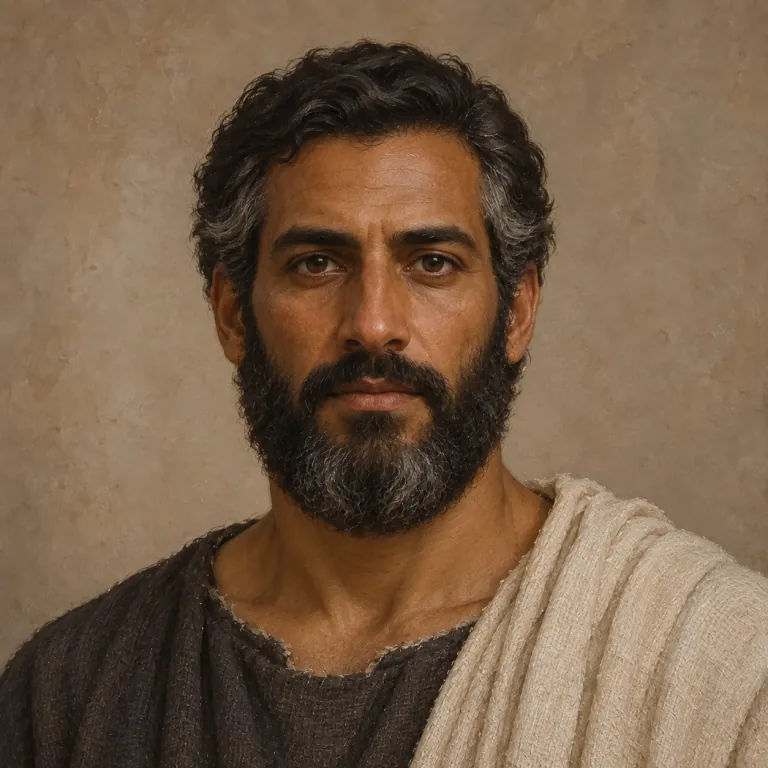
Also indexed here: