The Histories · Old Testament
Esther 10
Esther 10: the king's tribute and Mordecai's greatness
General context
The book closes in three verses. King Ahasuerus lays a tribute on the land and on the isles of the sea. The narrator says that all the acts of his power and might, and the declaration of the greatness of Mordecai to which the king advanced him, are written in the book of the chronicles of the kings of Media and Persia. The final verse describes Mordecai the Jew as next to king Ahasuerus, great among the Jews, accepted by the multitude of his brethren, seeking the wealth of his people and speaking peace to all his seed.
Cited passages: Esther 10:1, Esther 10:2, Esther 10:3
Esther 10 (KJV)
1And the king Ahasuerus laid a tribute upon the land, and upon the isles of the sea.
2And all the acts of his power and of his might, and the declaration of the greatness of Mordecai, whereunto the king advanced him, are they not written in the book of the chronicles of the kings of Media and Persia?
3For Mordecai the Jew was next unto king Ahasuerus, and great among the Jews, and accepted of the multitude of his brethren, seeking the wealth of his people, and speaking peace to all his seed.
This page shows the King James Version. In the app, reading opens in the Berean Standard Bible unless you have chosen another translation. The reader includes five translations: the Berean Standard Bible (BSB), the King James Version (KJV), the World English Bible (WEB), the Bible in Basic English (BBE), and the American Standard Version (ASV). Search covers three of them: Berean Standard, King James, and World English. Basic English and American Standard readers search the King James words.
Historical context
This chapter is a closing notice rather than a scene. The tribute is laid on the land and the isles of the sea, and the text says nothing more about it. The reference to the book of the chronicles of the kings of Media and Persia is a pointer to a record the book does not reproduce, like the earlier book of the chronicles kept before the king. The kingdom is here called Media and Persia, where the first chapter says Persia and Media. Mordecai's place next to the king recalls Haman's earlier seat above all the princes. The narrator says Mordecai was accepted by the multitude of his brethren, not by all of them, and that he spoke peace to all his seed; no descendants are named anywhere in the book. Esther does not appear in the chapter, and neither does Haman. Nothing is said of the king's later reign or of any death, and no dates are given beyond the regnal years recorded earlier in the book.
Cited passages: Esther 10:1, Esther 10:2, Esther 2:23, Esther 6:1, Esther 1:3, Esther 10:3, Esther 3:1
Literary context
The book ends where it began, with the reach of the king's power: the opening verse measures his reign in provinces from India to Ethiopia, and the closing notice measures it in tribute on land and sea. This time, though, the king's acts share a sentence with the greatness of Mordecai. The rhetorical question, are they not written, is the formula that hands the reader on to another record. The final verse is a four-part description of Mordecai, and it ends with him speaking peace, the word that also marks the letters of the previous chapter. Mordecai keeps the label the Jew to the end; the narrator introduced him as a certain Jew, and Haman, the king and the narrator call him Mordecai the Jew from chapter 5 onward. The title figure, Esther, is absent from the last chapter, so the narrative closes on the king and the man at the gate who is now next to him.
Cited passages: Esther 1:1, Esther 10:1, Esther 10:2, Esther 10:3, Esther 9:30, Esther 2:5, Esther 5:13, Esther 6:10, Esther 2:19
Key moments
- Tribute on land and sea (Esther 10:1). The king lays a tribute on the land and the isles of the sea.
- Written in the chronicles (Esther 10:2). The king's acts and Mordecai's greatness are referred to the chronicles of Media and Persia.
- Next unto the king (Esther 10:3). Mordecai the Jew is next to the king, great among the Jews, and speaks peace to his seed.
For reflection
The book ends with Mordecai rather than Esther, and with the king's tribute rather than the deliverance. Why might the closing notice leave the reader with those two things?
People in this chapter
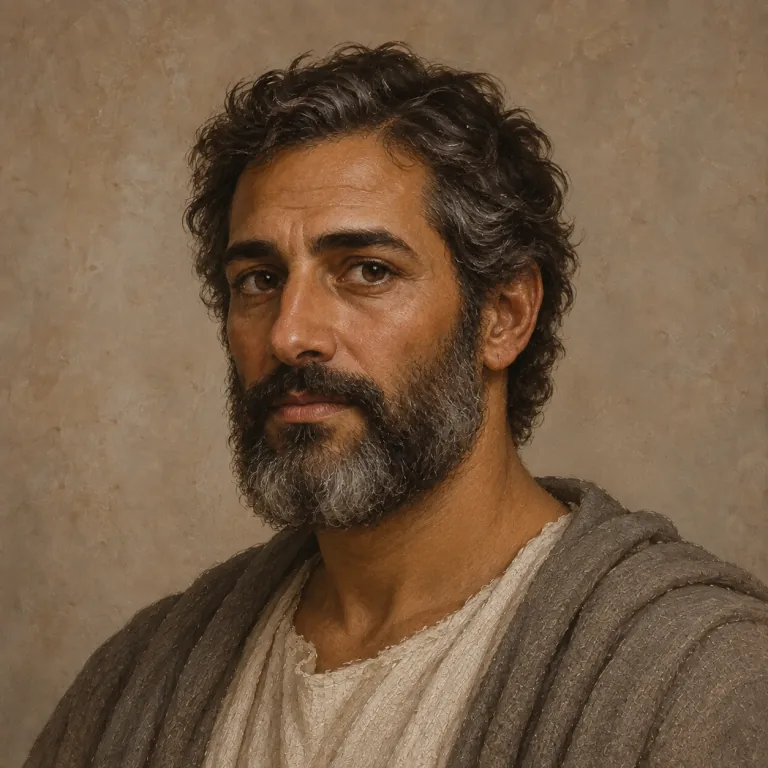
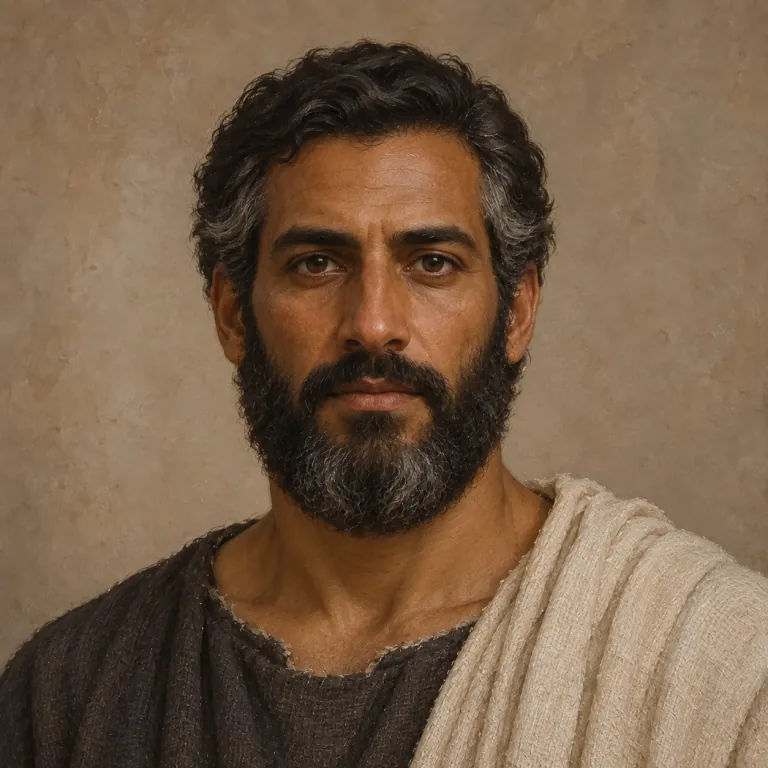
Also indexed here: