Person in the Old Testament
Puah
Puah: a midwife who refuses the king’s killing order
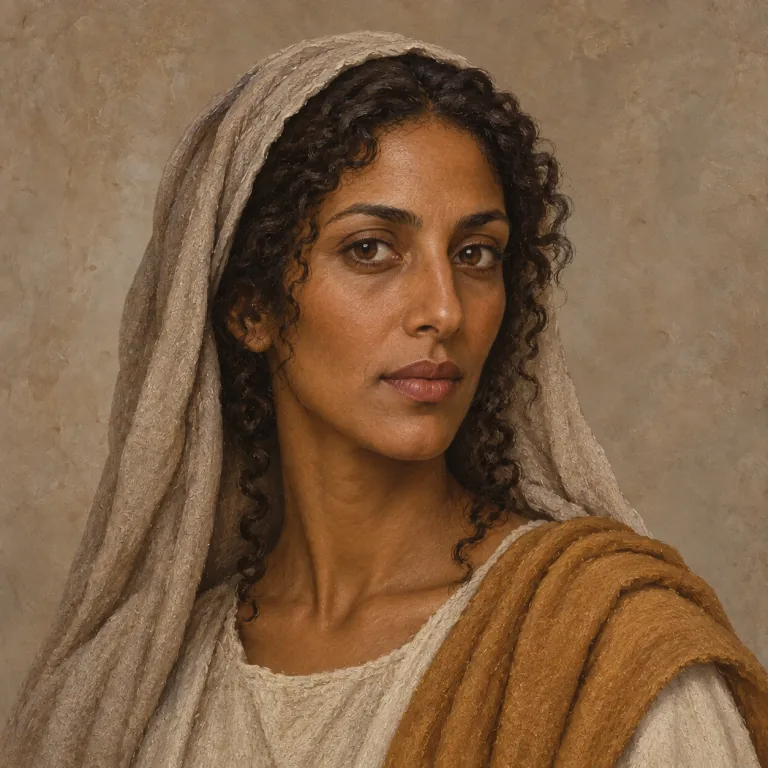
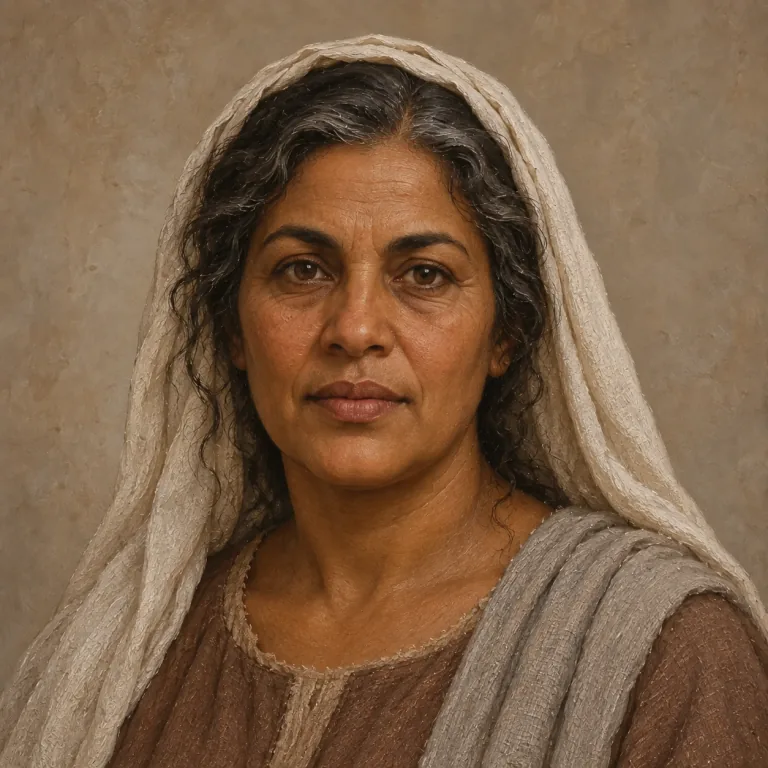
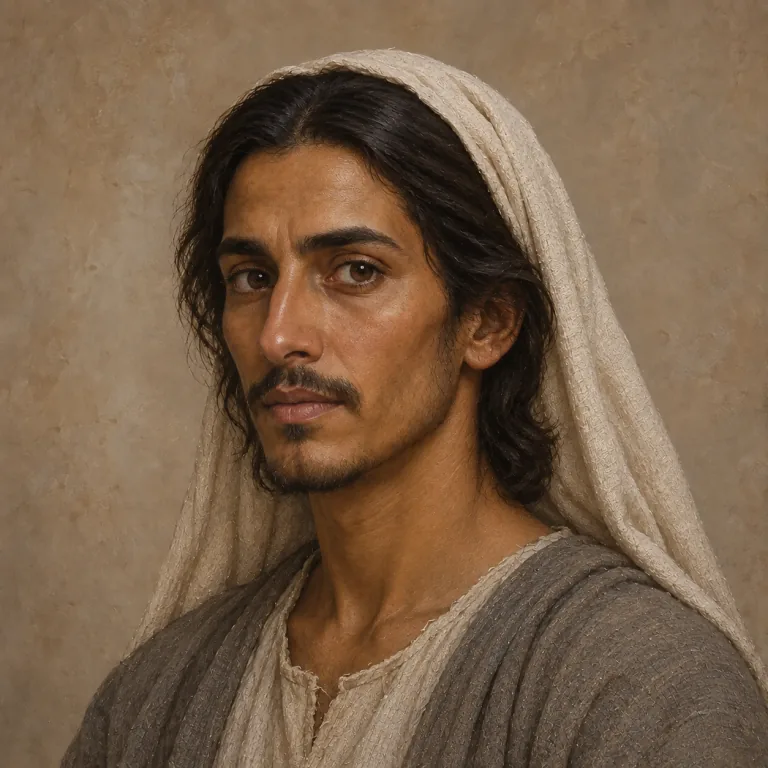
Portrait: an AI-generated artistic interpretation, not evidence of how Puah looked.
Who Puah is
Puah is named with Shiphrah among the Hebrew midwives addressed by Egypt's king. He orders them to kill newborn boys while allowing girls to live. The midwives fear God, refuse the command and keep the boys alive. When questioned, they tell Pharaoh that Hebrew women give birth before the midwives arrive. That explanation belongs to their reply, not an independent claim about childbirth. The account says God deals well with them and gives them households because they fear him. It then records Pharaoh extending his killing command to all his people. The passage describes the two midwives' actions together and does not provide a separate later biography for Puah.
Cited passages: Exodus 1:15, Exodus 1:16, Exodus 1:17, Exodus 1:18, Exodus 1:19, Exodus 1:20, Exodus 1:21, Exodus 1:22
Historical setting
Puah's name is attached to the midwife identity in Exodus 1:15. The text supplies no parentage, spouse, age or individual speech for her. The Hebrew-midwives wording identifies the pair in relation to the threatened births; this guide does not add an origin story. King James says God made them 'houses,' while American Standard says 'households' and Bible in Basic English 'families.' No number or names of children are given. The paired account should not be split into invented individual deeds.
Cited passages: Exodus 1:15, Exodus 1:16, Exodus 1:17, Exodus 1:18, Exodus 1:19, Exodus 1:20, Exodus 1:21
How the story is told
The king's command and the midwives' refusal are placed directly beside one another. Fear of God is the narrator's stated reason for their response and returns in the account of their households. The king questions the pair, but their answer does not end his violence: the next order is addressed to all his people. Puah's significance in this passage lies in that shared refusal within an account of continuing oppression.
Cited passages: Exodus 1:15, Exodus 1:16, Exodus 1:17, Exodus 1:18, Exodus 1:19, Exodus 1:20, Exodus 1:21, Exodus 1:22
Story moments
- Puah is named (Exodus 1:15). The account names Puah alongside Shiphrah among the midwives.
- The midwives preserve the boys’ lives (Exodus 1:17). The pair fear God and do not carry out the king’s command.
- Their fear of God is linked to households (Exodus 1:21). The account connects God’s provision of households with the midwives’ fear of him.
Key passages
Exodus 1:15
And the king of Egypt spake to the Hebrew midwives, of which the name of the one was Shiphrah, and the name of the other Puah:
King James Version. 1 indexed passage in total.
For reflection
How does the narrator's explanation of the midwives' refusal differ from the answer they give Pharaoh?
Books Puah appears in
Related people
Names and references are adapted from STEPBible TIPNR. A person listed with a verse is named or indexed there; it does not mean they wrote or spoke it.