Person in the Old and New Testaments
Naaman
Naaman: the Syrian commander healed in the Jordan
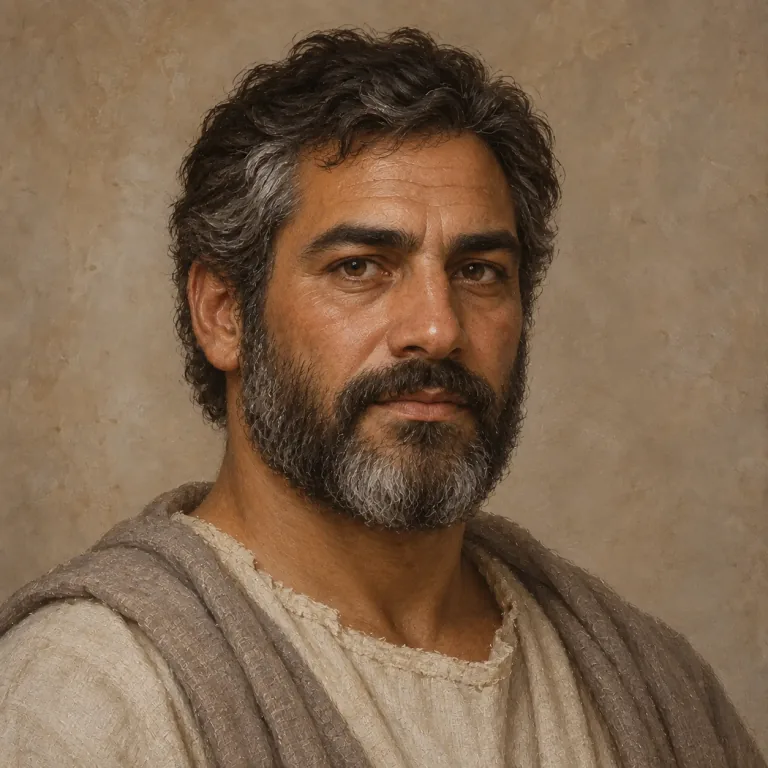
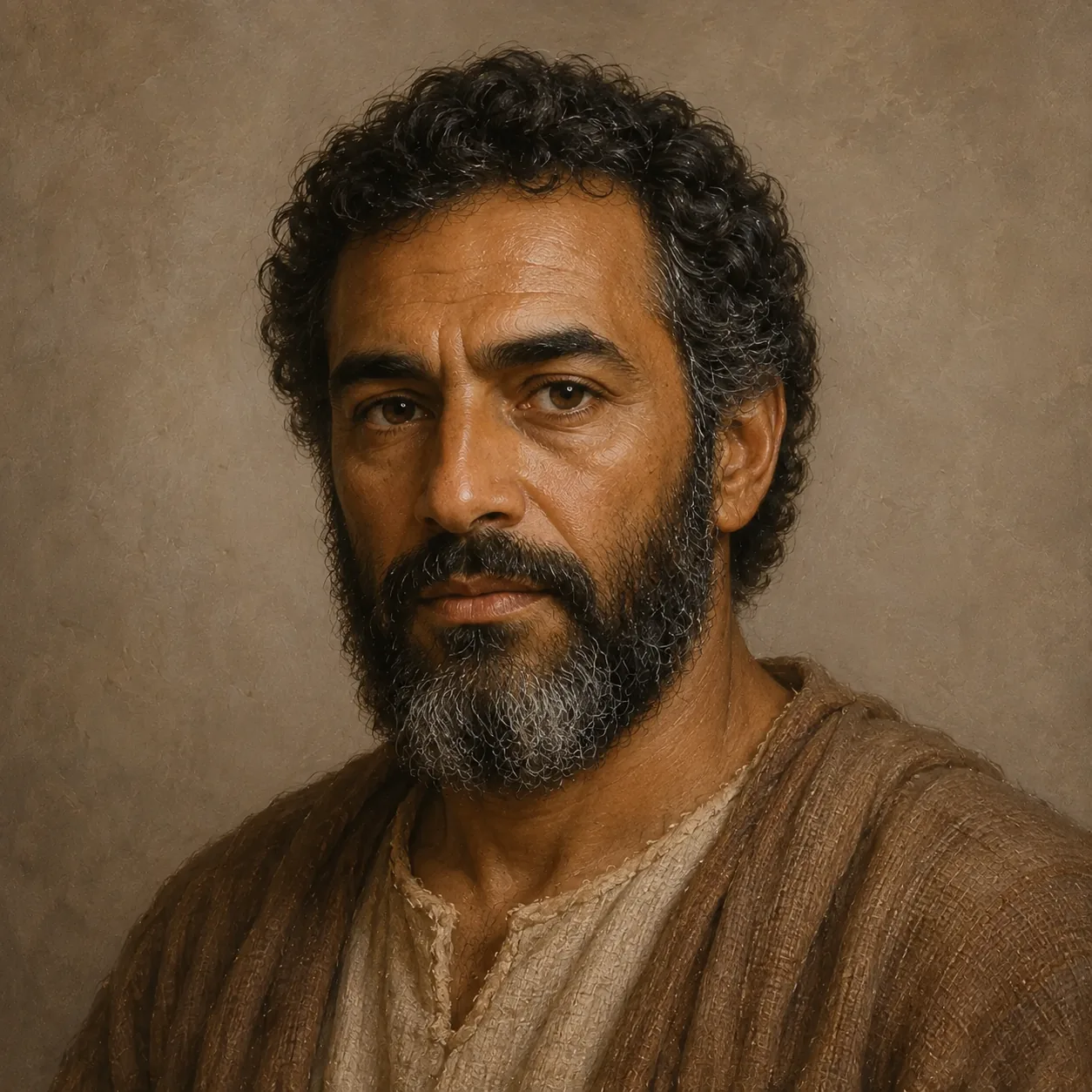
Portrait: an AI-generated artistic interpretation, not evidence of how Naaman looked.
Who Naaman is
Naaman is captain of the host of the king of Syria, a great and honourable man because through him the Lord gave Syria deliverance, a mighty man of valour, and a leper. A little maid captured from Israel serves his wife and says the prophet in Samaria could heal him. His king sends him to the king of Israel with a letter, silver, gold and clothing; the king of Israel tears his clothes, and Elisha asks that Naaman come to him. Naaman arrives at Elisha's door with horses and chariot and is told by a messenger to wash seven times in Jordan. He leaves angry, saying he expected the prophet to come out, call on the Lord and strike his hand over the place, and that the rivers of Damascus are better than Israel's waters. His servants persuade him, he dips seven times, and his flesh returns like a child's. He goes back with his company, declares that there is no God in all the earth but in Israel, and offers a gift, which Elisha refuses on oath. Naaman asks for two mules' load of earth, promises to sacrifice only to the Lord, and asks pardon for bowing in the house of Rimmon when his master leans on his hand; Elisha tells him to go in peace. On the road Gehazi runs after him; Naaman alights from his chariot, hears the request for a talent and two garments, insists on two talents, and sends two servants to carry them. Luke 4:27 recalls that of the many lepers in Israel in the days of Eliseus, none was cleansed except Naaman the Syrian.
Cited passages: 2 Kings 5:1, 2 Kings 5:2, 2 Kings 5:3, 2 Kings 5:6, 2 Kings 5:7, 2 Kings 5:9, 2 Kings 5:10, 2 Kings 5:11, 2 Kings 5:12, 2 Kings 5:13, 2 Kings 5:14, 2 Kings 5:15, 2 Kings 5:16, 2 Kings 5:17, 2 Kings 5:18, 2 Kings 5:19, 2 Kings 5:21, 2 Kings 5:23, Luke 4:27
Historical setting
This Naaman appears only in 2 Kings 5 and one verse in Luke. His king is unnamed, as are his wife, the captive maid and the king of Israel. The narrator, not Naaman, says that "by him the Lord had given deliverance unto Syria", so Israel's God is credited with a Syrian commander's victories before the healing. His illness is stated only as "a leper", and the cure is described by comparison with a child's flesh. The king of Syria's letter calls him "Naaman my servant", and his own servants address him as "My father". Rimmon is named only as the god of a house where his master worships; the text says nothing else about it, and Elisha's "Go in peace" is not a stated ruling on the request. Naaman's story ends at 5:24 when his servants hand over the silver; the narrator does not follow him home. In Luke 4 the speaker is Jesus in the synagogue at Nazareth, and the KJV spells the prophet "Eliseus"; the saying sets Naaman beside the widow of Sarepta as a non-Israelite helped by a prophet, and the synagogue hearers respond with wrath.
Cited passages: 2 Kings 5:1, 2 Kings 5:5, 2 Kings 5:14, 2 Kings 5:6, 2 Kings 5:13, 2 Kings 5:18, 2 Kings 5:19, 2 Kings 5:24, Luke 4:16, Luke 4:26, Luke 4:27, Luke 4:28
How the story is told
The narrator introduces Naaman with a chain of honours that ends on the word leper, and the rest of the chapter carries him from that sentence to a confession. His movement runs downward: from chariot and horses at the prophet's door to dipping in a river he had despised, and later down from the chariot again to meet a running servant. He has three speeches, an angry one about what he expected and the rivers of Damascus, a confession that there is no God but in Israel, and a request that mixes a load of earth, a vow to sacrifice to the Lord alone and a plea about the house of Rimmon; the last is left hanging on "Go in peace". His generosity, doubling Gehazi's request and providing bearers, is the mechanism by which the chapter's disease passes to Gehazi. In Luke, Jesus sets him beside the widow of Sarepta as one of two foreign examples following the saying that no prophet is accepted in his own country.
Cited passages: 2 Kings 5:1, 2 Kings 5:9, 2 Kings 5:14, 2 Kings 5:21, 2 Kings 5:11, 2 Kings 5:15, 2 Kings 5:17, 2 Kings 5:18, 2 Kings 5:19, 2 Kings 5:23, 2 Kings 5:27, Luke 4:24, Luke 4:27
Story moments
- A great man, and a leper (2 Kings 5:1). The narrator lists Naaman's honours and ends with his leprosy.
- At the prophet's door (2 Kings 5:9). Naaman arrives with horses and chariot and receives only a messenger.
- Rage over the rivers (2 Kings 5:12). He prefers Abana and Pharpar to the waters of Israel and turns away.
- Seven dips in Jordan (2 Kings 5:14). Persuaded by his servants, he washes and his flesh becomes like a child's.
- No God but in Israel (2 Kings 5:15). Naaman returns with his company and confesses before Elisha.
- The house of Rimmon (2 Kings 5:18). He asks pardon in advance for bowing beside his master, and is told to go in peace.
- Remembered in Nazareth (Luke 4:27). Jesus cites Naaman as the one leper cleansed in Eliseus's day.
Key passages
2 Kings 5:1
Now Naaman, captain of the host of the king of Syria, was a great man with his master, and honourable, because by him the Lord had given deliverance unto Syria: he was also a mighty man in valour, but he was a leper.
2 Kings 5:2
And the Syrians had gone out by companies, and had brought away captive out of the land of Israel a little maid; and she waited on Naaman’s wife.
2 Kings 5:6
And he brought the letter to the king of Israel, saying, Now when this letter is come unto thee, behold, I have therewith sent Naaman my servant to thee, that thou mayest recover him of his leprosy.
2 Kings 5:9
So Naaman came with his horses and with his chariot, and stood at the door of the house of Elisha.
2 Kings 5:11
But Naaman was wroth, and went away, and said, Behold, I thought, He will surely come out to me, and stand, and call on the name of the Lord his God, and strike his hand over the place, and recover the leper.
2 Kings 5:17
And Naaman said, Shall there not then, I pray thee, be given to thy servant two mules’ burden of earth? for thy servant will henceforth offer neither burnt offering nor sacrifice unto other gods, but unto the Lord.
King James Version. 11 indexed passages in total.
For reflection
Naaman's anger is about method, that the prophet did not come out and strike his hand over the place, and his servants answer that he would have done a hard thing gladly. What is it about a simple instruction that he finds harder to accept than a great one?
Books Naaman appears in
Related people

Names and references are adapted from STEPBible TIPNR. A person listed with a verse is named or indexed there; it does not mean they wrote or spoke it.