Person in the Old Testament
Micah
Micah the Morasthite: the prophet quoted by the elders in Jeremiah 26
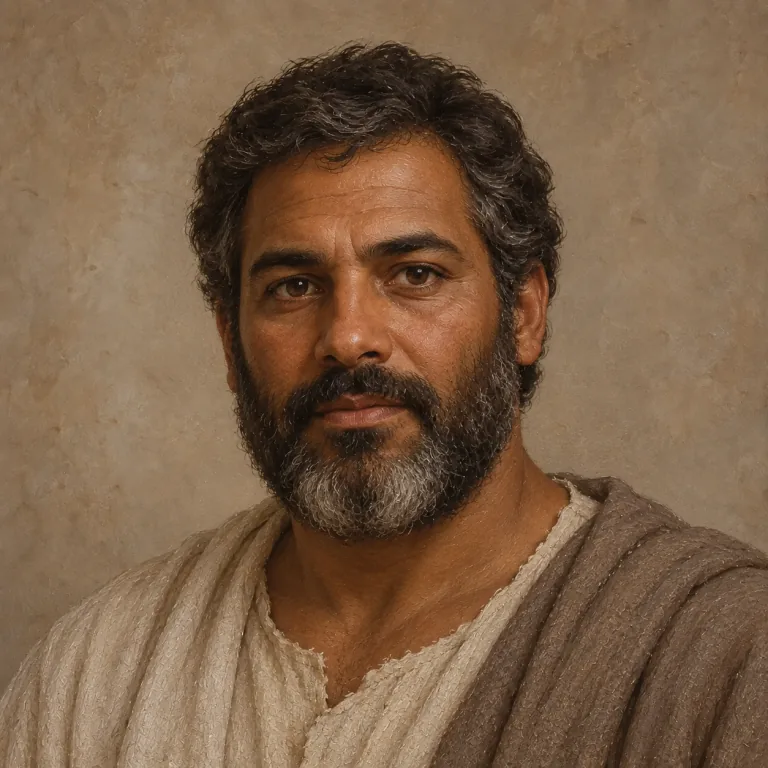
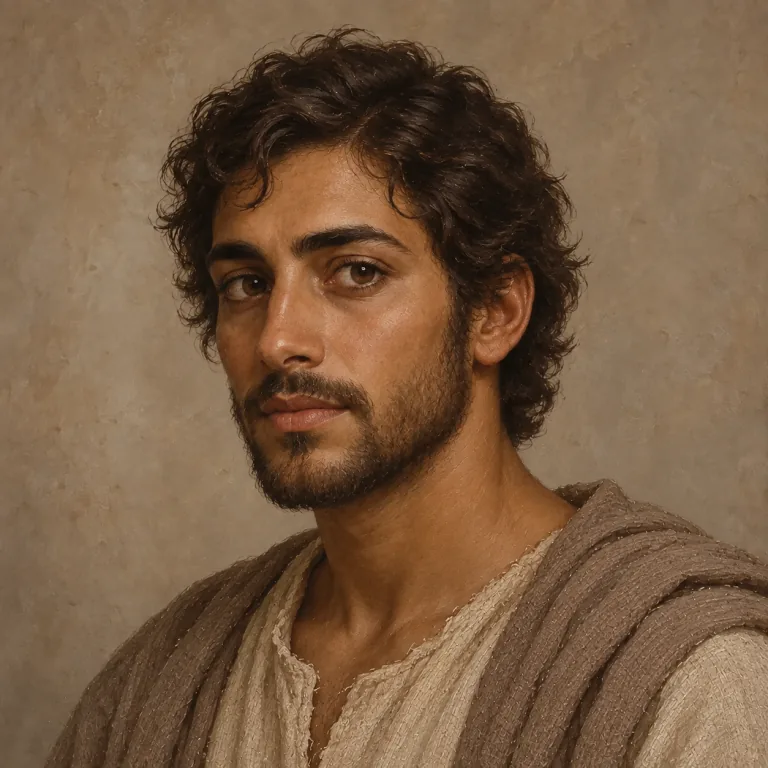
Portrait: an AI-generated artistic interpretation, not evidence of how Micah looked.
Who Micah is
Micah is named in the first verse of the book that carries his name: "The word of the Lord that came to Micah the Morasthite in the days of Jotham, Ahaz, and Hezekiah, kings of Judah, which he saw concerning Samaria and Jerusalem." That is the only verse in the book that names him. He appears once more, many years later in the telling of another book, when Jeremiah is on trial for prophesying against Jerusalem. After the princes and people say Jeremiah is not worthy to die, certain elders of the land stand up and cite Micah as a precedent: "Micah the Morasthite prophesied in the days of Hezekiah king of Judah, and spake to all the people of Judah, saying, Thus saith the Lord of hosts; Zion shall be plowed like a field, and Jerusalem shall become heaps, and the mountain of the house as the high places of a forest." The elders then ask whether Hezekiah and Judah put him to death, and answer their own question by recalling that the king feared the Lord and the Lord relented. Micah himself does not appear in that scene; he is spoken about, and his words are quoted by others to keep a different prophet alive.
Cited passages: Micah 1:1, Jeremiah 26:16, Jeremiah 26:17, Jeremiah 26:18, Jeremiah 26:19
Historical setting
The text gives Micah no father, no tribe and no office. He is called "the Morasthite" twice, in Micah 1:1 and Jeremiah 26:18, and nothing is said about that place. Micah 1:1 puts him "in the days of Jotham, Ahaz, and Hezekiah, kings of Judah," while the elders in Jeremiah 26:18 name only "the days of Hezekiah king of Judah"; the two statements are not the same span and the text does not reconcile them. The words the elders quote are close to Micah 3:12, "Therefore shall Zion for your sake be plowed as a field, and Jerusalem shall become heaps, and the mountain of the house as the high places of the forest," though the wording is not identical. This source carries no superscriptions or headings, so verse 1 is all the identification the book gives. He is not the Micah of Judges 17:1, "And there was a man of mount Ephraim, whose name was Micah," and the name is borne by others elsewhere; the text keeps them apart by their own descriptions, not by any note. Nothing is recorded of his death, family or later life.
Cited passages: Micah 1:1, Jeremiah 26:18, Micah 3:12, Judges 17:1, Jeremiah 26:19
How the story is told
Micah is present in two very different ways. In his own book he is a name at the head of a word that he "saw," and after that first verse the book speaks without him; the oracles run on without a narrator telling us what he did or where he stood. In Jeremiah 26 he becomes evidence. The elders do not summarise him, they quote him in full, then argue from what the king did rather than from whether the prophecy came true. The quoted line is the harshest sentence in his book, Zion plowed as a field, and the elders use it to show that such words were once spoken and answered with prayer rather than execution. That places Micah in a book he never enters, as the reason another man is allowed to live.
Cited passages: Micah 1:1, Jeremiah 26:17, Jeremiah 26:18, Jeremiah 26:19, Jeremiah 26:16
Story moments
- The word Micah saw (Micah 1:1). The book opens by naming Micah the Morasthite and the kings of his days.
- Zion plowed as a field (Micah 3:12). The sentence later quoted in Jeremiah stands in Micah’s own book.
- Elders rise in the trial (Jeremiah 26:17). Certain elders of the land stand up and address the assembly.
- Micah quoted as precedent (Jeremiah 26:18). The elders quote Micah’s words against Jerusalem word for word.
- Hezekiah did not kill him (Jeremiah 26:19). The elders argue that the king feared the Lord instead of executing the prophet.
Key passages
Jeremiah 26:18
Micah the Morasthite prophesied in the days of Hezekiah king of Judah, and spake to all the people of Judah, saying, Thus saith the Lord of hosts; Zion shall be plowed like a field, and Jerusalem shall become heaps, and the mountain of the house as the high places of a forest.
Micah 1:1
The word of the Lord that came to Micah the Morasthite in the days of Jotham, Ahaz, and Hezekiah, kings of Judah, which he saw concerning Samaria and Jerusalem.
King James Version. 2 indexed passages in total.
For reflection
Micah's own book tells nothing about him beyond one line, while another book keeps his words alive as an argument in someone else's trial. What does it change to meet a prophet mainly through the use later people make of him?
Books Micah appears in
Related people

Names and references are adapted from STEPBible TIPNR. A person listed with a verse is named or indexed there; it does not mean they wrote or spoke it.