The Prophets · Old Testament
Micah 6
Micah 6: the Lord's controversy and what he requires
General context
The people are told to hear what the Lord says and to contend before the mountains, which are summoned to hear the Lord's controversy with his people. The Lord asks his people what he has done to them and how he has wearied them, and calls them to testify. He recalls bringing them out of Egypt, sending Moses, Aaron and Miriam, and what Balak consulted and Balaam answered from Shittim to Gilgal. A questioner asks how to come before the Lord, whether with burnt offerings, calves, thousands of rams, rivers of oil or the firstborn. The answer is that the Lord has shown what is good: to do justly, love mercy and walk humbly with God. The Lord's voice then cries to the city about treasures of wickedness, scant measures, wicked balances and deceitful weights; the rich are full of violence and the inhabitants speak lies. Therefore the Lord will make the city sick and desolate: they will eat and not be satisfied, sow and not reap, tread olives and not anoint, and what they deliver will go to the sword. The statutes of Omri and the works of the house of Ahab are kept, so they will bear the reproach of the Lord's people.
Cited passages: Micah 6:1, Micah 6:2, Micah 6:3, Micah 6:4, Micah 6:5, Micah 6:6, Micah 6:7, Micah 6:8, Micah 6:9, Micah 6:10, Micah 6:11, Micah 6:12, Micah 6:13, Micah 6:14, Micah 6:15, Micah 6:16
Micah 6 (KJV)
1Hear ye now what the Lord saith; Arise, contend thou before the mountains, and let the hills hear thy voice.
2Hear ye, O mountains, the Lord’s controversy, and ye strong foundations of the earth: for the Lord hath a controversy with his people, and he will plead with Israel.
3O my people, what have I done unto thee? and wherein have I wearied thee? testify against me.
4For I brought thee up out of the land of Egypt, and redeemed thee out of the house of servants; and I sent before thee Moses, Aaron, and Miriam.
5O my people, remember now what Balak king of Moab consulted, and what Balaam the son of Beor answered him from Shittim unto Gilgal; that ye may know the righteousness of the Lord.
6Wherewith shall I come before the Lord, and bow myself before the high God? shall I come before him with burnt offerings, with calves of a year old?
7Will the Lord be pleased with thousands of rams, or with ten thousands of rivers of oil? shall I give my firstborn for my transgression, the fruit of my body for the sin of my soul?
8He hath shewed thee, O man, what is good; and what doth the Lord require of thee, but to do justly, and to love mercy, and to walk humbly with thy God?
9The Lord’s voice crieth unto the city, and the man of wisdom shall see thy name: hear ye the rod, and who hath appointed it.
10Are there yet the treasures of wickedness in the house of the wicked, and the scant measure that is abominable?
11Shall I count them pure with the wicked balances, and with the bag of deceitful weights?
12For the rich men thereof are full of violence, and the inhabitants thereof have spoken lies, and their tongue is deceitful in their mouth.
13Therefore also will I make thee sick in smiting thee, in making thee desolate because of thy sins.
14Thou shalt eat, but not be satisfied; and thy casting down shall be in the midst of thee; and thou shalt take hold, but shalt not deliver; and that which thou deliverest will I give up to the sword.
15Thou shalt sow, but thou shalt not reap; thou shalt tread the olives, but thou shalt not anoint thee with oil; and sweet wine, but shalt not drink wine.
16For the statutes of Omri are kept, and all the works of the house of Ahab, and ye walk in their counsels; that I should make thee a desolation, and the inhabitants thereof an hissing: therefore ye shall bear the reproach of my people.
This page shows the King James Version. In the app, reading opens in the Berean Standard Bible unless you have chosen another translation. The reader includes five translations: the Berean Standard Bible (BSB), the King James Version (KJV), the World English Bible (WEB), the Bible in Basic English (BBE), and the American Standard Version (ASV). Search covers three of them: Berean Standard, King James, and World English. Basic English and American Standard readers search the King James words.
Historical context
The chapter names past figures rather than present ones: Moses, Aaron, Miriam, Balak king of Moab, Balaam the son of Beor, Omri and the house of Ahab. Balak and Balaam are recalled as an episode "from Shittim unto Gilgal" without retelling it. The city addressed in verse 9 is not named; the Lord's voice "crieth unto the city." Omri and Ahab are cited for statutes and works kept by the hearers, which the text does not list. The questioner of verses 6 and 7 is unmarked; the questions are in the first person singular and the reply of verse 8 addresses "O man." The reply says the Lord "hath shewed thee" what is good without stating where. The firstborn question is asked as an escalation and is not endorsed. The judgment in verses 14 and 15 is agricultural loss and the sword; no invader is named. Whether the "controversy" is a legal proceeding in form is suggested by the words contend, plead and testify, but no verdict scene is narrated.
Cited passages: Micah 6:4, Micah 6:5, Micah 6:16, Micah 6:9, Micah 6:6, Micah 6:7, Micah 6:8, Micah 6:14, Micah 6:15, Micah 6:1, Micah 6:2, Micah 6:3
Literary context
Mountains and the foundations of the earth are called as hearers, so the dispute is staged before witnesses. The Lord's case takes the form of questions ("what have I done unto thee?") and memory rather than accusation. The questioner's offerings rise in size from calves to thousands of rams to rivers of oil to a firstborn child, and the answer descends to three plain verbs: do, love, walk. The second half turns from the people to the city and its markets: measures, balances, weights, then the mouths that lie. The punishment is shaped as a series of frustrated pairs, eat and not be satisfied, sow and not reap, tread and not anoint. The naming of Omri and the house of Ahab at the end ties the charge to named kings rather than to anonymous wrongdoers. Chapter 7 continues in a lament in the first person.
Cited passages: Micah 6:2, Micah 6:3, Micah 6:6, Micah 6:7, Micah 6:8, Micah 6:9, Micah 6:10, Micah 6:11, Micah 6:12, Micah 6:14, Micah 6:15, Micah 6:16, Micah 7:1
Key moments
- Contend before the mountains (Micah 6:1). The people are summoned to plead their case with the mountains as hearers.
- What have I done unto thee? (Micah 6:3). The Lord asks his people how he has wearied them and invites their testimony.
- Egypt, Moses, Aaron, Miriam (Micah 6:4). The Lord recalls the exodus and the leaders he sent.
- Wherewith shall I come? (Micah 6:6). A questioner asks whether to bring burnt offerings and yearling calves.
- What the Lord requires (Micah 6:8). The answer names doing justly, loving mercy and walking humbly with God.
- Deceitful weights (Micah 6:11). The Lord asks whether he should count the city pure with wicked balances.
- The statutes of Omri (Micah 6:16). Because the works of Ahab's house are kept, the people will bear reproach.
For reflection
The questioner offers more and more, up to a firstborn, and the answer is to do justly, love mercy and walk humbly. What does the escalation of offers reveal about the questioner's idea of what the Lord wants?
People in this chapter

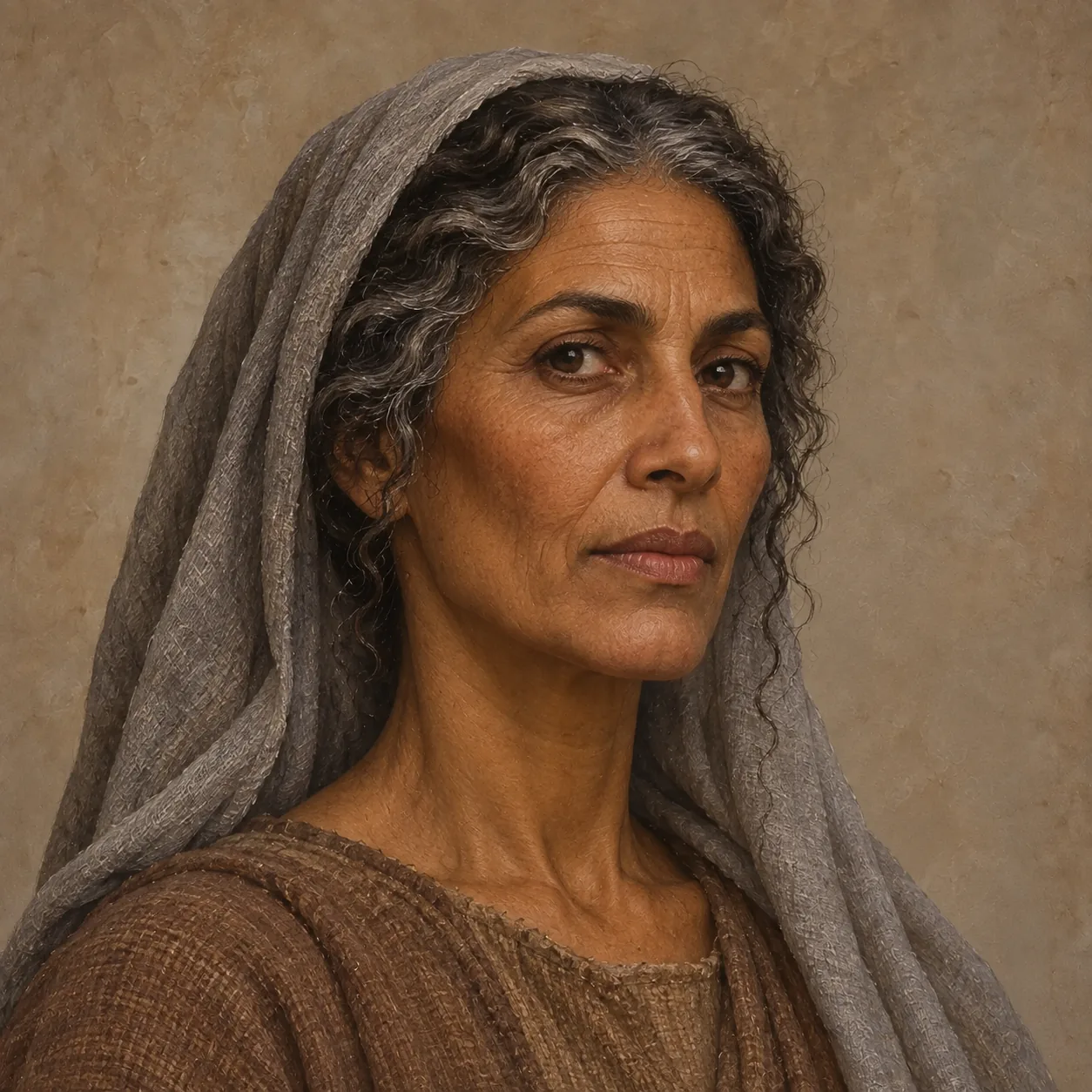
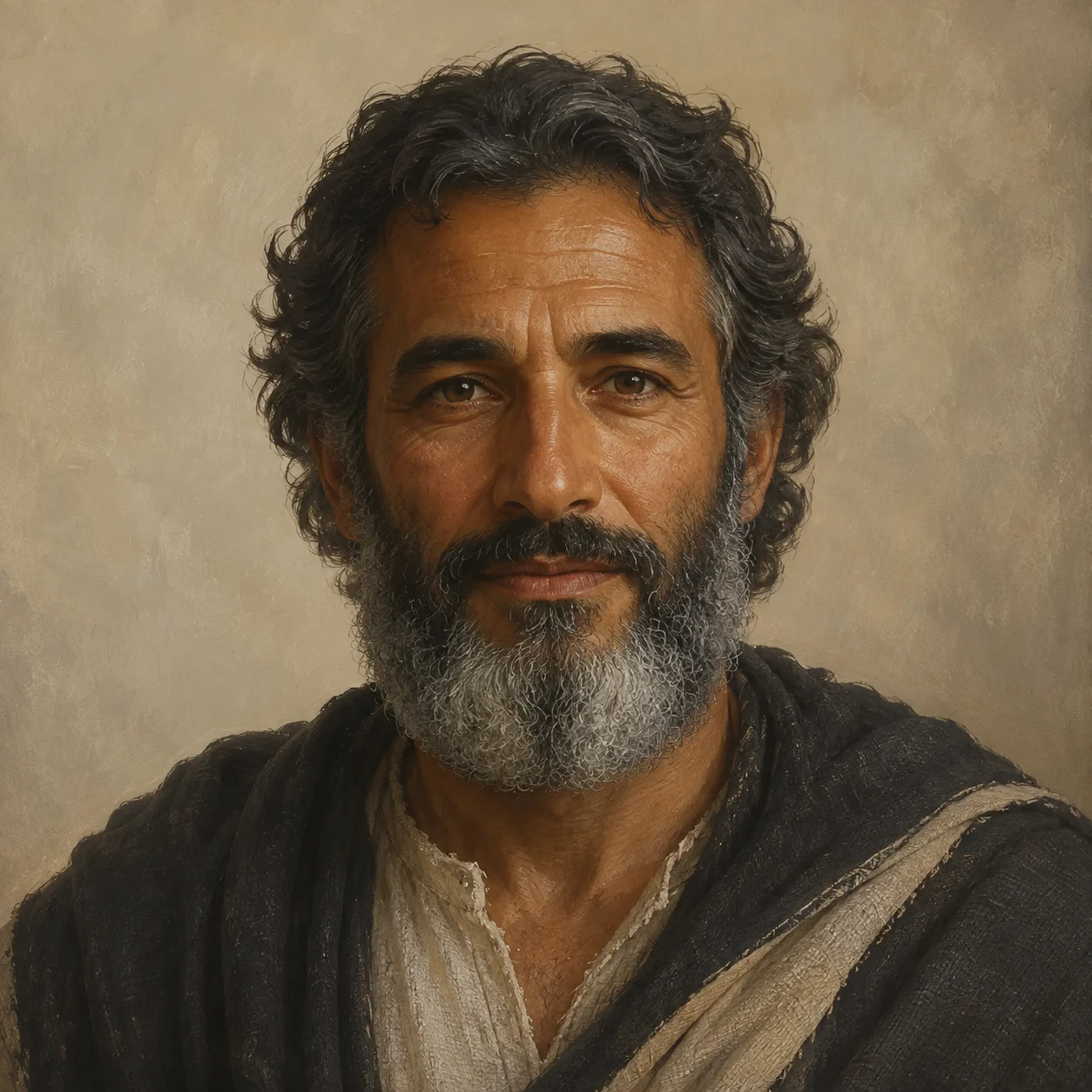
Also indexed here: