Person in the Old and New Testaments
Joel
Joel: named in one verse of his book and once in Acts
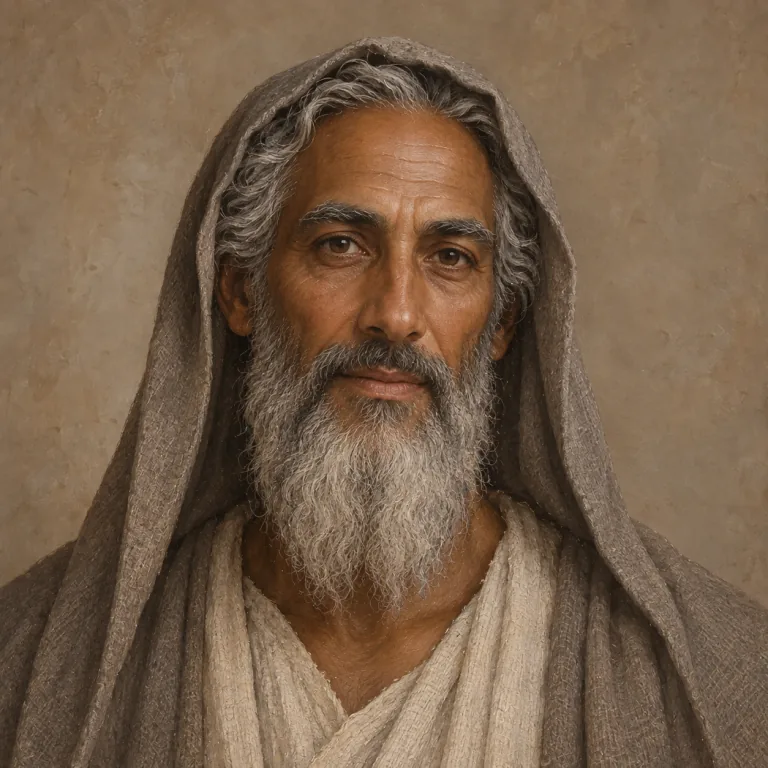
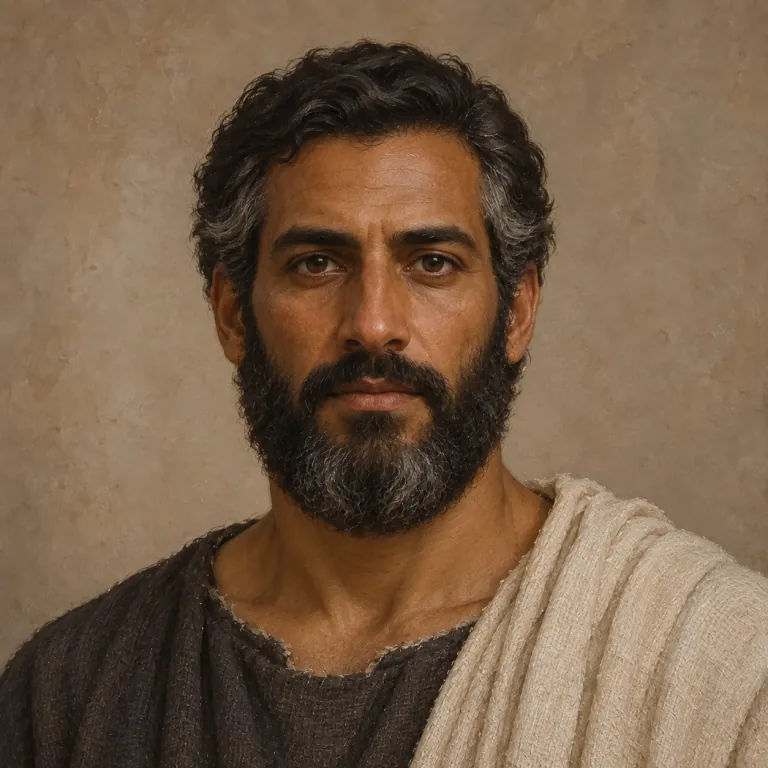
Portrait: an AI-generated artistic interpretation, not evidence of how Joel looked.
Who Joel is
This Joel is named twice in the whole of the indexed text. The first is the opening verse of the book that carries his name: "The word of the Lord that came to Joel the son of Pethuel." Nothing else is told about him there, and the name is not printed again anywhere in the three chapters that follow. Those chapters are speech, not story: locusts and a wasted land, a trumpet in Zion, a call to "turn ye even to me with all your heart," the spirit poured out "upon all flesh," and the nations gathered for judgment. No scene puts him in a place, in front of a king, or in conversation with anyone. The second mention is in Acts, where Peter, standing with the eleven, says of what the crowd is watching, "But this is that which was spoken by the prophet Joel," and then quotes the promise about the spirit: "And it shall come to pass in the last days, saith God, I will pour out of my Spirit upon all flesh."
Cited passages: Joel 1:1, Joel 1:4, Joel 2:1, Joel 2:12, Joel 2:28, Joel 3:2, Acts 2:14, Acts 2:16, Acts 2:17
Historical setting
The evidence is two verses, and both are short. Joel 1:1 gives a name and a father, "Joel the son of Pethuel," and no king, year, town, tribe or office; it does not even call him a prophet. That is less than the opening verses of the neighbouring books, which name kings, as at Amos 1:1, "in the days of Uzziah king of Judah." Acts 2:16 supplies the title the book withholds, "the prophet Joel," but adds nothing about his life, and the words are Peter's in a scene of his own, spoken at what he calls "the third hour of the day." Other men named Joel stand elsewhere in the Bible, such as a firstborn son in 1 Samuel 8:2, "the name of his firstborn was Joel," and a Joel in a list of forefathers, "the son of Joel, the son of Azariah"; nothing in Joel 1:1 connects this man to any of them, and they are separate entries. How he lived, when he lived and whether he ever spoke these words aloud are not stated anywhere in the text.
Cited passages: Joel 1:1, Amos 1:1, Acts 2:16, Acts 2:15, 1 Samuel 8:2, 1 Chronicles 6:36
How the story is told
Because there is no narrative, the man exists in the text only as the one the word "came to." Everything after 1:1 is address and oracle, and the printed lines never stop to say who is speaking, so the reader cannot mark where the Lord's words end and the prophet's begin. Even the first-person cry of 1:19, "O Lord, to thee will I cry," arrives without a name attached. Acts uses him the other way round, as an author to be cited: Peter says "this is that which was spoken by the prophet Joel" and then lets the quotation carry the argument, so the name does work in a scene the man is not in. In his own book he is the doorway and nothing more; in Acts he is a source.
Cited passages: Joel 1:1, Joel 1:19, Joel 2:12, Acts 2:16, Acts 2:17
Story moments
- The word came to Joel (Joel 1:1). The book's first verse names Joel the son of Pethuel and gives nothing else about him.
- A cry with no name (Joel 1:19). A first-person cry to the Lord is printed without saying who speaks it.
- The spirit on all flesh (Joel 2:28). The promise later quoted in Acts stands in the middle of the book's second chapter.
- Peter names him (Acts 2:16). Peter tells the crowd that what they see is what was spoken by the prophet Joel.
- The quotation in Acts (Acts 2:17). Acts repeats the promise of the spirit poured out on all flesh as Joel's words.
Key passages
Joel 1:1
The word of the Lord that came to Joel the son of Pethuel.
Acts 2:16
But this is that which was spoken by the prophet Joel;
King James Version. 2 indexed passages in total.
For reflection
One verse names him and three chapters speak without naming him again. How much does a reader need to know about a speaker before the words can be read as his?
Books Joel appears in
Related people

Names and references are adapted from STEPBible TIPNR. A person listed with a verse is named or indexed there; it does not mean they wrote or spoke it.